Interview Island, Andaman And Nicobar Islands Travel Guide
Discover Interview Island: A remote Andaman sanctuary with feral elephants, pristine beaches, and untouched tropical wilderness.
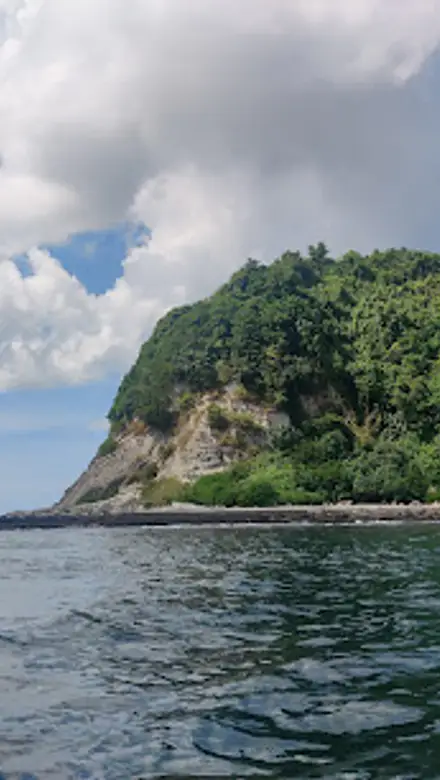
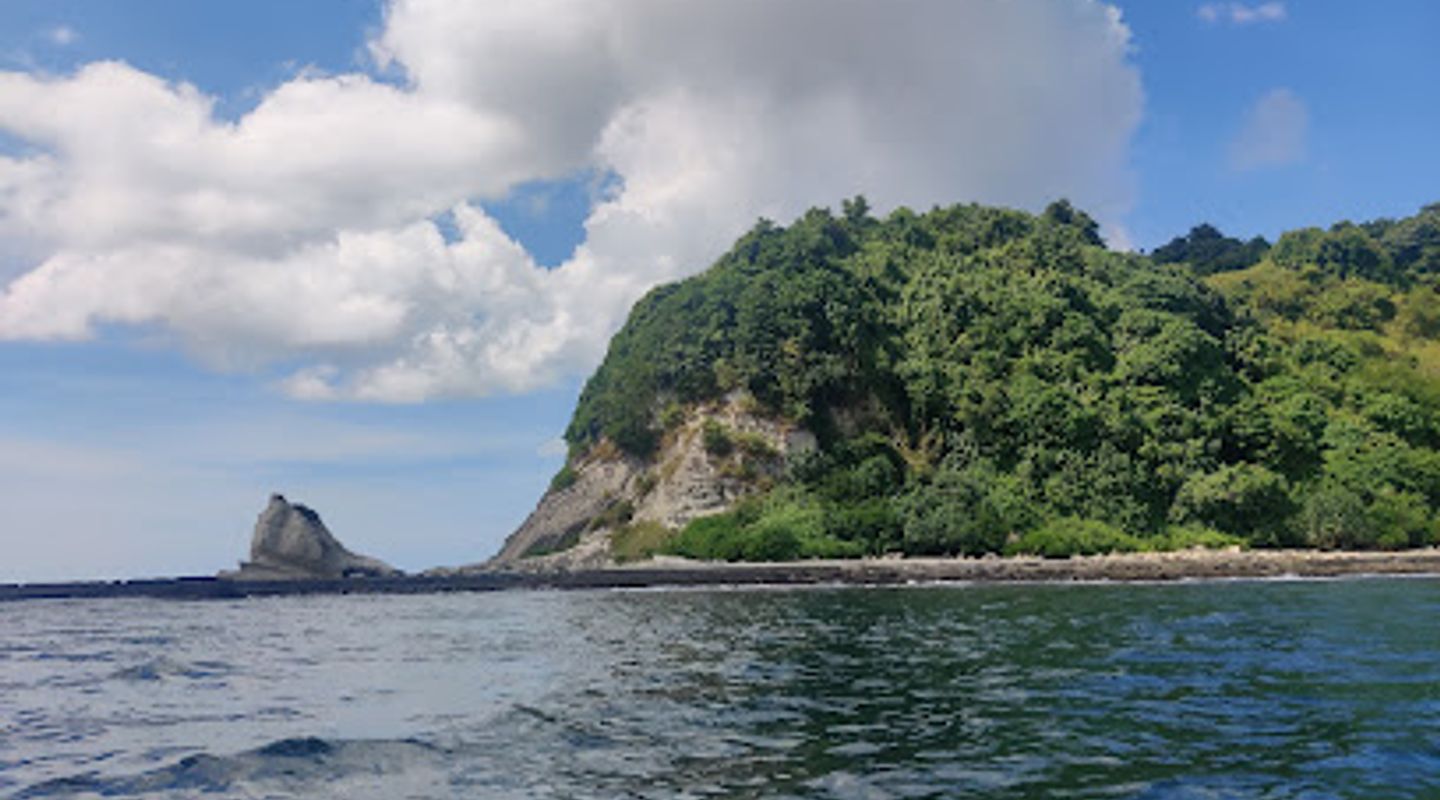
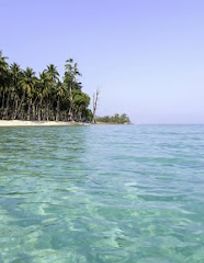
Interview Island, part of the Andaman and Nicobar archipelago, is a remote haven of untouched wilderness. Known for its feral elephants, diverse wildlife, and pristine beaches, this uninhabited island offers a unique ecotourism experience for adventurous nature lovers.
A brief summary to Interview Island
- Andaman and Nicobar Islands, IN

Know before you go
Hi, I'm Eve. Here are a few practical things to know before exploring Interview Island.
- Obtain necessary permits from the Forest Department in advance, as Interview Island is a protected area.
- The best time to visit is between November and April when the weather is dry and sea conditions are favorable.
- Pack essentials such as water, food, and appropriate trekking gear, as facilities on the island are limited.
- Respect the wildlife and follow guidelines provided by the Forest Department to ensure safety and conservation.
Do you manage this location?
Take control to get all the benefits, like improved information, better appearance, and stronger visibility across AI-powered discovery. Learn more about listing your business on Evendo
Activate your presenceOther nearby places you may find interesting
The closest places of the same kind, if this one is not quite what you had in mind.

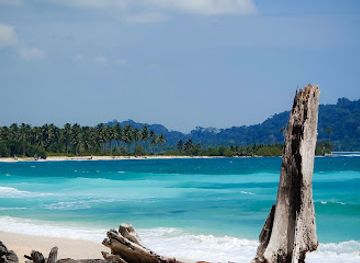
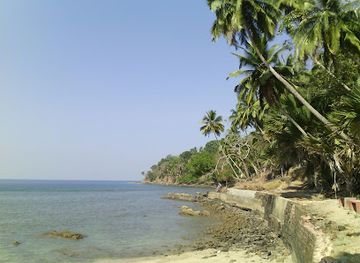
Explore Interview Island on the Map
A handpicked selection of must-see spots near Interview Island, mapped for you.
Getting There
-
Boat
To reach Interview Island, you'll first need to travel to Mayabunder, a town in North Andaman. From Port Blair, you can reach Mayabunder by bus or ferry. The bus journey takes approximately 8-10 hours. Ferries are less frequent, with services once or twice a week. From Mayabunder, charter a private fishing boat (Dunghi) from the Mayabunder jetty to Interview Island. The boat ride takes approximately 3 hours, depending on sea conditions. Expect to pay around ₹4,000 - ₹6,000 for a round trip.
Discover more about Interview Island













Your all‑in‑one travel companion app
Explore expert travel guides, compare and book tours, experiences, hotels, and more—all from the palm of your hand. Download now for seamless trip planning wherever your wanderlust takes you.


Explore More of Andaman And Nicobar Islands
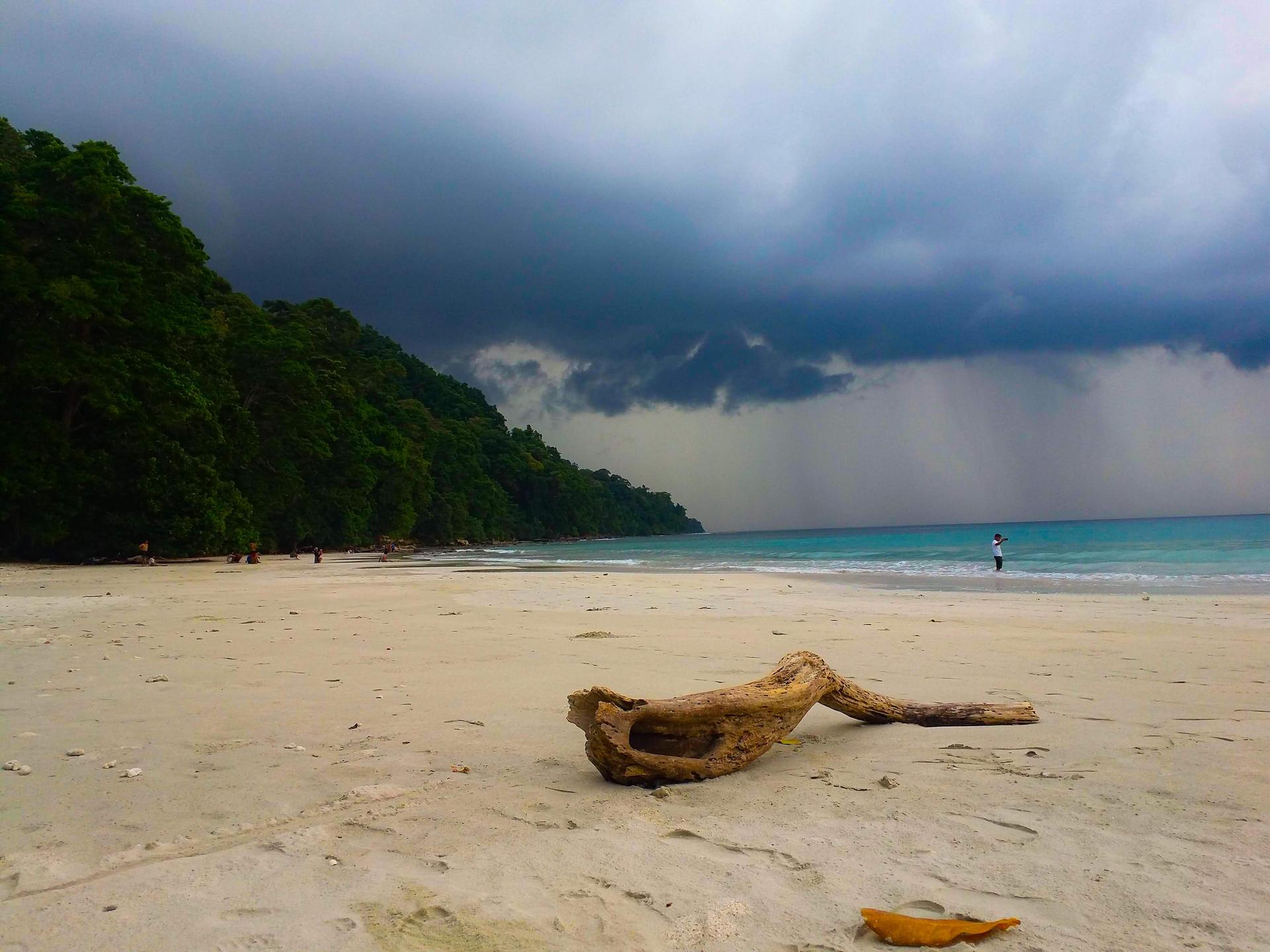
Looking beyond Interview Island? Discover Andaman And Nicobar Islands for broader travel guides, local hot-spots, and regional highlights.
Explore Andaman And Nicobar Islands
Discover the untamed beauty of Flat Island Wildlife Sanctuary, a haven for exotic wildlife and vibrant coral reefs in the Andaman Islands.
Explore the serene beauty and vibrant marine life of Anderson Island, a hidden paradise in the Andaman and Nicobar Islands.