

Andaman and Nicobar Islands, India Travel Guide
Explore the Andaman and Nicobar Islands: pristine beaches, vibrant marine life, and rich history await in this tropical paradise in India.
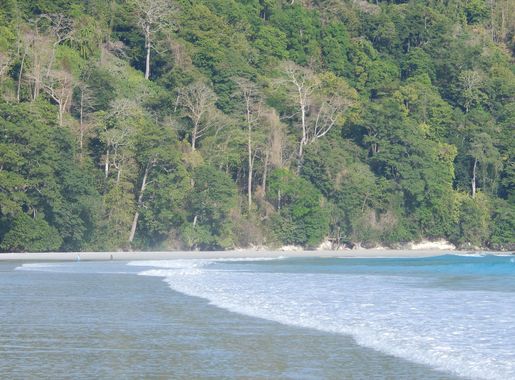
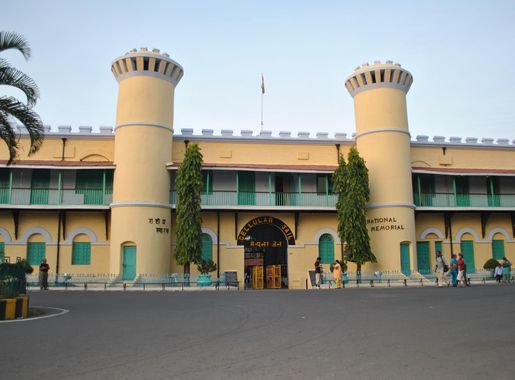
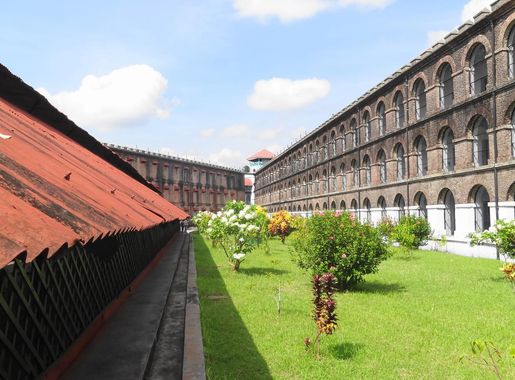
The Andaman and Nicobar Islands are a group of picturesque islands located in the Bay of Bengal. Known for their pristine beaches, turquoise waters, and lush green forests, this destination offers a slice of paradise for nature lovers and adventure enthusiasts alike. With a rich history and vibrant culture, the islands provide a unique blend of relaxation and exploration. The capital, Port Blair, is a gateway to the islands' many attractions. Discover the historical Cellular Jail, an important reminder of India's struggle for independence. For those looking to dive into underwater adventures, Havelock Island is renowned for its stunning coral reefs and vibrant marine life. Snorkeling and scuba diving here are experiences you won't forget. Beyond the beaches, the islands are home to diverse wildlife and verdant mangroves. Visit the Mahatma Gandhi Marine National Park to witness rare species and breathtaking scenery. Indigenous tribes, like the Jarwa community, add a unique cultural dimension to the islands. Whether you're soaking up the sun on Radhanagar Beach or trekking through dense forests, the Andaman and Nicobar Islands promise an unforgettable journey.

Know before you go
Hi, I'm Eve. Here are a few practical things to know before exploring Andaman and Nicobar Islands.
- Best time to visit is between November and April to avoid monsoon rains.
- Permits are required for some areas; get them in advance at Port Blair.
- Pack light, breathable clothing and plenty of sunscreen.
- Local ferries and boats are the primary modes of transport between islands.
- Respect local customs and the natural environment; avoid littering and disturbing wildlife.
Destinations in Andaman and Nicobar Islands
Resorts, valleys and scenic spots worth a trip of their own.

Explore Andaman and Nicobar Islands: Things to Do, Places to Eat, Hotels & More
Handpicked recommendations for top attractions, local dining, accommodations, and more

Top Attractions & Sightseeing in Andaman and Nicobar Islands
Top-rated picks
Best Attractions

Corbyn’s Cove Beach
Discover Port Blair's serene escape: palm-fringed shores, water sports, and historical charm await at Corbyn's Cove Beach.

Marina Park
Discover a serene oasis in Port Blair: Marina Park offers natural beauty, historical insights, and recreational activities for all ages.

Naval Marine Museum Samudrika
Explore the marine life, tribal cultures, and naval history of the Andaman Islands at this informative Port Blair museum.

Flag Point (Tiranga)
Visit Flag Point (Tiranga) in Port Blair, a historic site where India's freedom journey began, offering scenic views and a sense of national pride.

Best landmarks in Andaman and Nicobar Islands
Top-rated picks
Best Landmarks

Cellular Jail
Explore the poignant history of India's freedom struggle at the Cellular Jail, a colonial-era prison turned national memorial in Port Blair.

Marina Park
A scenic waterfront promenade in Port Blair offering relaxation, recreation, and stunning views of the Andaman Sea.

Naval Marine Museum Samudrika
Explore the marine life, tribal cultures, and naval history of the Andaman and Nicobar Islands at this informative Port Blair museum.

Flag Point (Tiranga)
Experience the pride of India at Flag Point, Port Blair, where history, nature, and breathtaking views converge.

Best restaurants in Andaman and Nicobar Islands
Top-rated picks
Best Restaurants

Something Different - A Beachside Cafe
Discover culinary delights at Something Different - A Beachside Cafe in Havelock Island with stunning ocean views and diverse menu options.

Annapurna Cafeteria Pure Veg
Experience authentic vegetarian dining at Annapurna Cafeteria in Port Blair - indulge in delicious South and North Indian dishes.

New Lighthouse Restaurant
Discover culinary delights at New Lighthouse Restaurant in Port Blair - where fresh seafood meets breathtaking views.

Famous Seafood Restaurant
Savor fresh seafood with breathtaking beach views at Famous Seafood Restaurant in Havelock's idyllic Vijay Nagar Beach.

Best bars in Andaman and Nicobar Islands
Top-rated picks
Best Bars

Something Different - A Beachside Cafe
Discover the culinary delights of Something Different - A Beachside Cafe, where exquisite flavors meet stunning ocean views on Havelock Island.

Junglee Mirchi Resort
Discover the enchanting Junglee Mirchi Resort in Andaman and Nicobar Islands, where relaxation meets adventure in a tropical paradise.

AMAYA
Experience the flavors of the sea at Amaya, Port Blair's premier seafood restaurant with live music and an inviting atmosphere.

Bonova Cafe And Pub
Experience the flavors and rhythms of Havelock Island at Bonova Cafe And Pub, where fresh seafood meets vibrant nightlife.

Best nightclubs in Andaman and Nicobar Islands
Top-rated picks
Best Nightclubs

Something Different - A Beachside Cafe
Experience culinary diversity at Something Different - A Beachside Cafe, where every meal is a delightful escape with stunning ocean views.

Nemo Cafe - The Beach Bar & Nightlife( Party Zone )
Experience the vibrant nightlife and delicious seafood at Nemo Cafe, the ultimate beach bar on Havelock Island.

Luxx - Pub & Lounge
Experience the vibrant flavors of grilled cuisine at Luxx Pub & Lounge in Port Blair, where fantastic food meets a lively atmosphere.

Venom Bar
Experience the vibrant nightlife of Havelock Island at Venom Bar, where stunning beach views meet exquisite cocktails and lively entertainment.

Best shops in Andaman and Nicobar Islands
Top-rated picks
Best Shops

Sagarika Emporium, Government Emporium
Explore the vibrant Sagarika Emporium in Port Blair, where local handicrafts and unique souvenirs come together to celebrate the beauty of the Andaman Islands.

Lulu Shopping Mall
Explore Lulu Shopping Mall in Port Blair for an unforgettable shopping experience featuring local crafts, fashion, and delightful dining options.

Mssp
Discover the essence of the Andaman Islands at Mssp, your go-to store for unique souvenirs and local handicrafts in Port Blair.

Annachi Chennai Store
Explore authentic local flavors at Annachi Chennai Store in Port Blair, the go-to grocery stop for tourists seeking regional delicacies.

Explore Andaman and Nicobar Islands on the Map
A handpicked selection of must-see spots in Andaman and Nicobar Islands, mapped for you.
Andaman and Nicobar Islands Essentials
-
The Andaman and Nicobar Islands can be accessed by both air and sea. The main entry point is Veer Savarkar International Airport in Port Blair, the capital city. Direct flights to Port Blair are available from major Indian cities like Delhi, Mumbai, Chennai, and Kolkata. For sea travel, passenger ships operate from Chennai, Kolkata, and Visakhapatnam to Port Blair. The sea journey takes approximately 3-4 days.
-
Within the islands, transportation options include buses, taxis, auto-rickshaws, and rented motorcycles or scooters. Ferries and boats are the primary modes of transport between islands. Government-operated ferries are reliable and affordable, while private operators offer faster but more expensive services. For car rentals, it is advisable to book in advance during peak tourist seasons.
-
The official currency is the Indian Rupee (INR). Credit and debit cards are accepted in most hotels, restaurants, and larger shops in Port Blair and Havelock Island. However, it is wise to carry cash, especially when traveling to smaller or more remote islands where card facilities may be limited. ATMs are available in Port Blair and a few other key locations, but they can run out of cash during peak tourist seasons.
-
The Andaman and Nicobar Islands are generally safe for tourists. However, it is important to exercise standard precautions such as avoiding isolated areas at night and being cautious with your belongings in crowded places. While there are no specific high-crime areas targeting tourists, it is advisable to stay vigilant and aware of your surroundings. Always follow local guidelines and respect environmental preservation rules.
-
In case of an emergency, dial 100 for police assistance, 101 for fire services, and 102 for medical emergencies. Port Blair has a well-equipped hospital, while smaller islands have basic medical facilities. It is advisable to carry a first aid kit and any personal medications. Travel insurance that covers medical emergencies and evacuation is recommended. For minor health issues, there are pharmacies in Port Blair and other major islands.
-
Fashion: Do wear comfortable and modest clothing, especially when visiting local communities and religious sites. Avoid wearing revealing attire. Religion: Do respect local customs and traditions. Remove your shoes when entering places of worship. Public Transport: Do be respectful and patient when using public transport. Avoid eating or drinking on buses and ferries. Greetings: Do greet people with a 'Namaste' or a simple handshake. Avoid overly enthusiastic physical contact. Eating & Drinking: Do try local seafood and traditional dishes. Avoid excessive waste and respect the local etiquette of finishing food on your plate.
-
To experience the Andaman and Nicobar Islands like a local, visit local markets and interact with the islanders. Try fresh seafood and local delicacies. Engage in eco-friendly tourism by participating in beach clean-ups and respecting the natural environment. Don't miss the opportunity to explore the underwater world through snorkeling or diving. For a unique cultural experience, attend local festivals and traditional dance performances.
When is the best time to visit Andaman and Nicobar Islands?
Useful Local Phrases for Andaman and Nicobar Islands
You don't need to speak the language perfectly. Even learning a few simple words can make conversations warmer—and locals usually appreciate the effort.
— Eve

Here are the phrases I use most often in Andaman and Nicobar Islands. Try a few—you'll be surprised how far they go! 😊
❤️
-
- Helloनमस्ते
[Namaste] - Goodbyeअलविदा
[Alvida] - Yesहाँ
[Haan] - Noनहीं
[Nahin] - Please/You're welcomeकृपया/स्वागत है
[Kripya/Swaagat hai] - Thank youधन्यवाद
[Dhanyavaad] - Excuse me/Sorryमाफ कीजिए/क्षमा करें
[Maaf kijiye/Kshama karein] - How are you?आप कैसे हैं?
[Aap kaise hain?] - Fine. And you?ठीक हूँ। और आप?
[Theek hoon. Aur aap?] - Do you speak English?क्या आप अंग्रेजी बोलते हैं?
[Kya aap Angrezi bolte hain?] - I don't understandमुझे समझ में नहीं आता
[Mujhe samajh mein nahi aata]
- Helloनमस्ते
-
- I'd like to see the menu, pleaseकृपया मेनू दिखाइए
[Kripya menu dikhaiye] - I don't eat meatमैं मांस नहीं खाता
[Main maans nahi khata] - Cheers!स्लामट!
[Slamat!] - I would like to pay, pleaseकृपया, मैं भुगतान करना चाहता हूँ
[Kripya, main bhugtaan karna chahta hoon]
- I'd like to see the menu, pleaseकृपया मेनू दिखाइए
-
- Help!मदद करें!
[Madad karen!] - Go away!जाओ यहाँ से!
[Jaao yahaan se!] - Call the Police!पुलिस को बुलाओ!
[Police ko bulaao!] - Call a doctor!डॉक्टर को बुलाओ!
[Doctor ko bulaao!] - I'm lostमैं खो गया हूँ
[Main kho gaya hoon] - I'm illमैं बीमार हूँ
[Main beemar hoon]
- Help!मदद करें!
-
- I'd like to buy...मैं खरीदना चाहता हूँ...
[Main kharidna chahta hoon...] - I'm just lookingमैं केवल देख रहा हूँ
[Main keval dekh raha hoon] - How much is it?यह कितने का है?
[Yah kitne ka hai?] - That's too expensiveयह बहुत महंगा है
[Yah bahut mehnga hai] - Can you lower the price?क्या आप कीमत कम कर सकते हैं?
[Kya aap keemat kam kar sakte hain?]
- I'd like to buy...मैं खरीदना चाहता हूँ...
-
- What time is it?कितने बजे हैं?
[Kitne baje hain?] - It's one o'clockयह एक बजा है
[Yah ek baja hai] - Half past (10)साढ़े दस
[Saade das] - Morningसुबह
[Subah] - Afternoonदोपहर
[Dopahar] - Eveningशाम
[Shaam] - Yesterdayकल
[Kal] - Todayआज
[Aaj] - Tomorrowकल
[Kal] - 11
[1] - 22
[2] - 33
[3] - 44
[4] - 55
[5] - 66
[6] - 77
[7] - 88
[8] - 99
[9] - 1010
[10]
- What time is it?कितने बजे हैं?
-
- Where's a/the...?एक/दूसरा... कहाँ है?
[Ek/Dusra... kahaan hai?] - What's the address?पता क्या है?
[Pata kya hai?] - Can you show me (on the map)?क्या आप मुझे (नक्शे पर) दिखा सकते हैं?
[Kya aap mujhe (nakshae par) dikha sakte hain?] - When's the next (bus)?अगली (बस) कब है?
[Agli (bus) kab hai?] - A ticket (to ....)एक टिकट (.... के लिए)
[Ek ticket (.... ke liye)]
- Where's a/the...?एक/दूसरा... कहाँ है?
History of Andaman and Nicobar Islands
-
The Andaman and Nicobar Islands have been inhabited for thousands of years, with archaeological evidence suggesting that the indigenous people, including the Great Andamanese, Onge, Jarwa, and Sentinalese tribes, have lived here for over 2,000 years. These tribes have distinct languages, cultures, and traditions, and they have largely maintained their way of life despite external influences.
-
The strategic location of the Andaman and Nicobar Islands made them a point of interest for various colonial powers. The British established a penal colony in Port Blair in 1858, using the islands as a place to exile political prisoners and convicts. The infamous Cellular Jail, also known as 'Kala Pani,' was constructed to imprison Indian freedom fighters. The British presence significantly impacted the local culture and demographics.
-
During World War II, the Andaman and Nicobar Islands were occupied by Japanese forces from 1942 to 1945. This period was marked by hardship and suffering for the local population. The islands were briefly under the control of Subhas Chandra Bose's Azad Hind government, established with Japanese support. The Japanese occupation left a lasting mark on the islands, with remnants of bunkers and other wartime structures still visible today.
-
After India gained independence in 1947, the Andaman and Nicobar Islands became a Union Territory of India. The islands began to attract settlers from mainland India, leading to a diverse population mix. The Indian government has made efforts to develop the islands economically while also preserving the unique culture and heritage of the indigenous tribes.
-
One of the most significant recent events in the history of the Andaman and Nicobar Islands was the 2004 Indian Ocean tsunami. The massive waves caused widespread devastation, particularly in the Nicobar Islands. Many lives were lost, and the infrastructure was severely damaged. The tsunami prompted significant humanitarian efforts and led to long-term rebuilding and rehabilitation projects.
-
The Andaman and Nicobar Islands boast a rich cultural heritage that is a blend of indigenous traditions and influences from settlers. Festivals such as the Island Tourism Festival celebrate the diverse culture with music, dance, and local cuisine. The indigenous tribes continue to practice their age-old customs, offering a glimpse into a way of life that has remained largely unchanged for centuries.
-
The Andaman and Nicobar Islands are home to a unique and diverse ecosystem, with many species of flora and fauna found nowhere else in the world. The islands' forests, coral reefs, and marine life are protected by law, and several national parks and wildlife sanctuaries have been established. Conservation efforts are ongoing to preserve this natural heritage for future generations.
Neighbouring Regions of Andaman and Nicobar Islands
The closest regions to Andaman and Nicobar Islands, if you have time for more than one.


Your all‑in‑one travel companion app
Explore expert travel guides, compare and book tours, experiences, hotels, and more—all from the palm of your hand. Download now for seamless trip planning wherever your wanderlust takes you.


Explore More of India

Looking beyond Andaman and Nicobar Islands? Discover India for broader travel guides, local hot-spots, and regional highlights.
Explore IndiaAndaman and Nicobar Islands in Photos
Browse through our photo collection highlighting the charm and character of the destination.





Andaman and Nicobar Islands: A Tropical Paradise
The Andaman and Nicobar Islands are a group of picturesque islands located in the Bay of Bengal. Known for their pristine beaches, turquoise waters, and lush green forests, this destination offers a slice of paradise for nature lovers and adventure enthusiasts alike. With a rich history and vibrant culture, the islands provide a unique blend of relaxation and exploration. The capital, Port Blair, is a gateway to the islands' many attractions. Discover the historical Cellular Jail, an important reminder of India's struggle for independence. For those looking to dive into underwater adventures, Havelock Island is renowned for its stunning coral reefs and vibrant marine life. Snorkeling and scuba diving here are experiences you won't forget. Beyond the beaches, the islands are home to diverse wildlife and verdant mangroves. Visit the Mahatma Gandhi Marine National Park to witness rare species and breathtaking scenery. Indigenous tribes, like the Jarwa community, add a unique cultural dimension to the islands. Whether you're soaking up the sun on Radhanagar Beach or trekking through dense forests, the Andaman and Nicobar Islands promise an unforgettable journey.