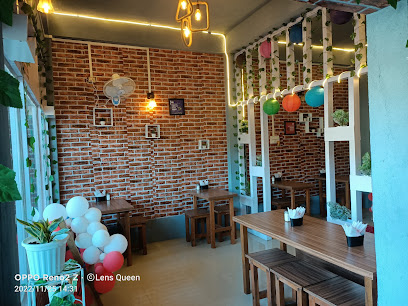
Dibang Wildlife Sanctuary: A Biodiversity Hotspot
Explore Dibang Wildlife Sanctuary: A biodiverse haven in Arunachal Pradesh with rare species and stunning Himalayan landscapes.
Spanning over 4,149 sq km in Arunachal Pradesh, Dibang Wildlife Sanctuary is a haven for diverse flora and fauna, including rare species like the Mishmi takin and red panda. Established in 1992, it offers a unique opportunity to witness untouched natural beauty.
A brief summary to Wild life sanctuary
- IN
Local tips
- The best time to visit Dibang Wildlife Sanctuary is during the winter months (November to April) for pleasant weather and optimal wildlife viewing.
- Carry essential trekking gear and comfortable clothing if you plan to explore the sanctuary's trails.
- Respect the local culture and traditions when interacting with indigenous communities in the region.

Getting There
-
Road
Dibang Wildlife Sanctuary is accessible by road from major towns in Arunachal Pradesh, including Roing, which is about 30 kilometers away. Local taxis and private vehicles can be used to reach the sanctuary. The closest airport is in Dibrugarh, Assam, located about 170 kilometers from the sanctuary. Taxis and ride-sharing services are available for transportation to Roing.
Discover more about Wild life sanctuary
Iconic landmarks you can’t miss

Gautam Buddha point, Easternmost point of India
74.5 km
Experience serenity and spirituality at Gautam Buddha Point, the easternmost point of India, surrounded by breathtaking landscapes and rich cultural heritage.

Mayudia pass
84.4 km
Explore the breathtaking landscapes and rich biodiversity of Mayudia Pass, a hidden gem in eastern India perfect for nature lovers and adventure seekers.
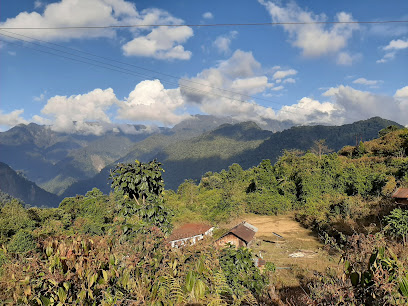
Remains of a fort Bhismaknagar, Archaeological Survey of India
97.5 km
Unearth the past at Bhismaknagar Fort, a historical landmark rich in cultural heritage and scenic beauty in Arunachal Pradesh.
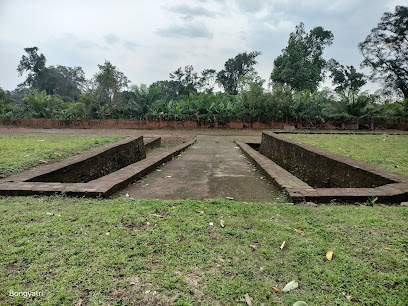
Unmissable attractions to see

Chai pani
53.4 km
Experience authentic Indian flavors at Chai Pani, a culinary oasis in Arunachal Pradesh. A must-visit for food lovers and culture enthusiasts!
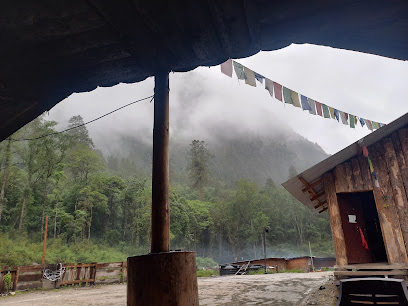
Mawu Aando Waterfalls
53.4 km
Discover the serene beauty of Mawu Aando Waterfalls in Arunachal Pradesh, a hidden paradise surrounded by lush landscapes and vibrant wildlife.
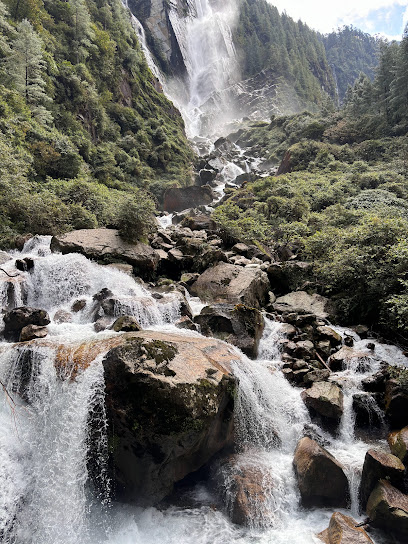
Anini View Point
57.8 km
Discover the breathtaking beauty of Anini View Point, where lush landscapes and serene valleys await every traveler seeking nature's tranquility.
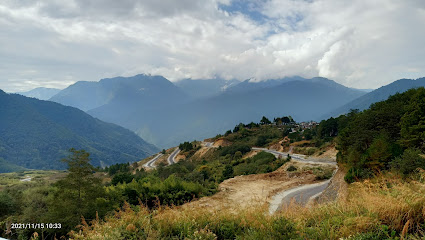
Indo-China Photo pt.
76.9 km
Capture breathtaking Himalayan views at Indo-China Photo Point in Kibithoo, Arunachal Pradesh, a serene locale steeped in WWII history.
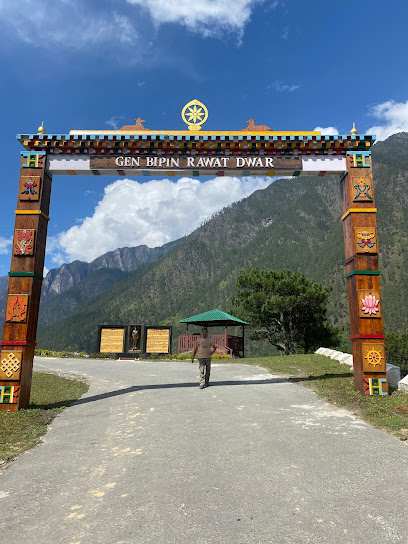
One of Tributaries of Lohit river
85.5 km
Discover the untouched beauty and cultural richness of Arunachal Pradesh at the serene tributaries of the Lohit River.
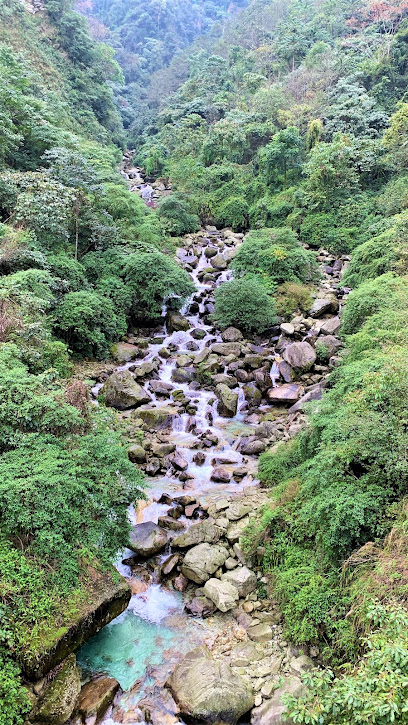
Sally Lake, fooding & lodging, Roing
96.4 km
Escape to the serene beauty of Sally Lake in Roing, Arunachal Pradesh, for a tranquil retreat amidst lush forests and stunning landscapes.
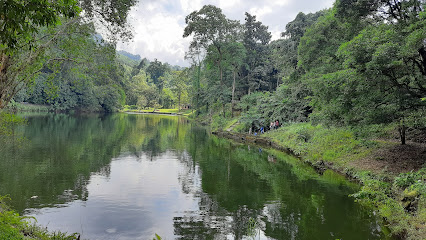
Deopani Park
96.4 km
Escape to Deopani Park in Roing: A serene haven of natural beauty, recreational activities, and tranquil river views for all ages.
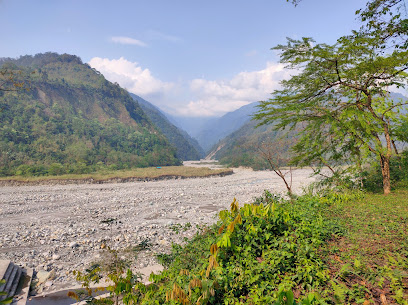
Eze(Deopani) Bridge
96.4 km
Experience the breathtaking beauty of Arunachal Pradesh from the Eze(Deopani) Bridge, a marvel of engineering and nature's canvas.
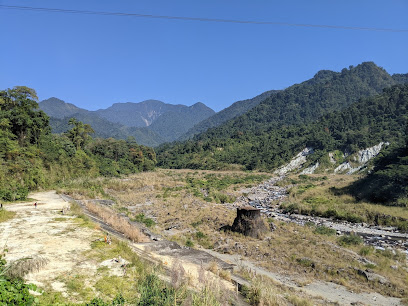
Essential places to dine

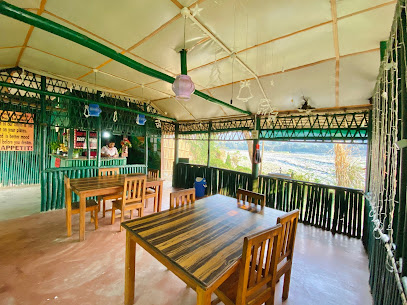
Naruka, The River View Restaurant
96.1 km
Experience authentic Arunachali cuisine at Naruka, The River View Restaurant - where scenic beauty meets delicious flavors.
FEB'29 & ABs CAKES (Restro cum Cafe)
98.6 km
Discover culinary delights at FEB'29 & ABs CAKES in Roing, Arunachal Pradesh—where local flavors meet sweet indulgence.