

Free Arunachal Pradesh Travel Guide & Mobile App
Explore Arunachal Pradesh with free travel guides. Discover regional history, expert tips, proposed trips, and audio guides on web or mobile app.


Explore Arunachal Pradesh for high Himalayan passes, Buddhist monasteries, forested valleys, Indigenous cultures and demanding scenic journeys.
Read more about Arunachal Pradesh
When is the best time to visit Arunachal Pradesh?
Best: February–March, November · 19–25°C| Month | High (°C) | Rainfall (mm) |
|---|---|---|
| January | 17 | 40 |
| February (best) | 19 | 50 |
| March (best) | 25 | 70 |
| April | 28 | 110 |
| May | 32 | 170 |
| June | 34 | 220 |
| July | 35 | 240 |
| August | 34 | 230 |
| September | 32 | 200 |
| October | 27 | 140 |
| November (best) | 21 | 80 |
| December | 17 | 50 |
Getting to and around Arunachal Pradesh
How to get there
Transportation
Top city travel guides in Arunachal Pradesh
The cities of Arunachal Pradesh, and the easiest places to base yourself.
-
-


Swipe for more cities
Destinations in Arunachal Pradesh
Resorts, valleys and scenic spots worth a trip of their own.
-

-


Swipe for more destinations
Best attractions in Arunachal Pradesh
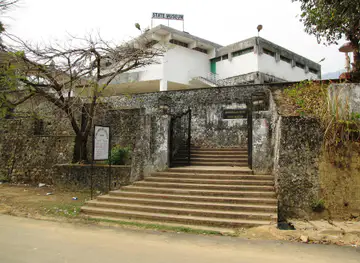
Arunachal Pradesh’s attractions are organised less around one urban centre than around distinct mountain corridors. In the west, Tawang Monastery, the high Sela Pass, P.T. Tso and the valleys around Dirang combine Buddhist heritage with dramatic alpine scenery; access to Bum La is controlled and requires official permission. Bomdila adds monastery visits, craft traditions and views towards the eastern Himalaya. Around Ziro, visitors encounter Apatani villages, carefully managed paddy-and-fish cultivation and a landscape shaped by long-established agricultural knowledge. Itanagar offers the state capital’s museums and the historic Ita Fort, while nearby areas provide a gentler introduction to the region. Further east, Pasighat opens routes towards the Siang valley, and Roing leads towards the Mishmi Hills, Mayudia and archaeological sites near the Dibang region. Namdapha National Park is the state’s major rainforest and wildlife destination, requiring careful planning and local guidance. Mechuka offers remote valley scenery, pasture and cultural encounters rather than a dense collection of formal attractions. Across the state, river journeys, village walks, birdwatching, trekking and visits to handloom workshops are often as significant as individual monuments.
-
GOLDEN PAGODA
Discover the serene beauty of the Golden Pagoda in Namsai, Arunachal Pradesh, a dazzling Burmese-style temple and a haven of peace.
-
Buddhist temple
Tawang Monastery
Explore India's largest Buddhist monastery in the Himalayas, a serene center of spirituality, culture, and breathtaking views in Arunachal Pradesh.
-
Park
Indira Gandhi Park
Escape to nature in the heart of Itanagar at Indira Gandhi Park, a vibrant recreational hub with lush greenery and cultural events.
-
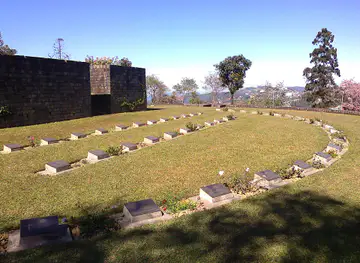
War memorial
Tawang War Memorial
Pay homage to the brave soldiers of the 1962 Indo-China War at the Tawang War Memorial, a symbol of courage and sacrifice in the Himalayas.


Best landmarks in Arunachal Pradesh
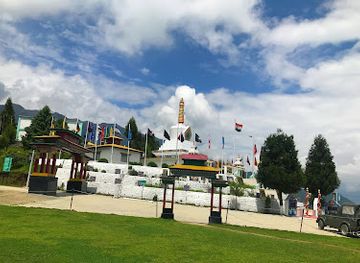
Tawang Monastery is Arunachal Pradesh’s most recognisable cultural landmark, a major seventeenth-century Buddhist institution occupying a fortified-looking hilltop above the Tawang valley. In the same western mountain region, Sela Pass is a powerful geographical landmark, marking a high route through stark alpine terrain rather than a conventional monument. Ita Fort in Itanagar, built largely from stone and brick, gives the state capital its name and preserves evidence of the medieval political history of the foothills. The archaeological remains of Bhismaknagar near Roing provide another important window into the region’s past, while Malinithan near Likabali is notable for its medieval sculptures and religious associations. In the east, the Golden Pagoda at Namsai represents the continuing presence of Theravada Buddhist traditions among Tai Khamti communities. Natural landmarks include the broad Siang River, the forested Mishmi Hills, Namdapha’s densely wooded mountain ranges and the high valley landscapes around Mechuka. Together, these places show why Arunachal’s symbolic geography is built from monasteries, archaeological remains, rivers, passes and living cultural landscapes rather than from monumental architecture alone.
-
Buddhist temple
GOLDEN PAGODA
Discover the Golden Pagoda in Arunachal Pradesh, a serene Buddhist temple showcasing exquisite architecture and rich cultural heritage amidst breathtaking landscapes.
-
Buddhist temple
Tawang Monastery
Experience the tranquil beauty and rich cultural heritage of Tawang Monastery, a spiritual gem nestled in the Himalayas of Arunachal Pradesh.
-
War memorial
Tawang War Memorial
Explore the Tawang War Memorial, a serene tribute to bravery set in the stunning landscapes of Arunachal Pradesh, India.
-
War memorial
Jaswant Garh War Memorial(In Honour of the Rifleman Jaswant Singh Rawat)- Nuranang, Tawang District, Arunachal Pradesh, India
Discover the Jaswant Garh War Memorial in Tawang, Arunachal Pradesh – a tribute to bravery and a gateway to breathtaking Himalayan views.



Explore Arunachal Pradesh on the map
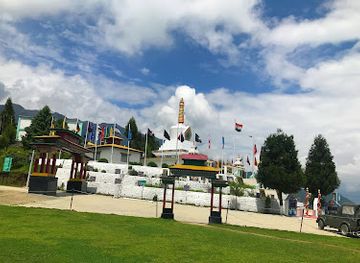
Plan your trip on one map. See where the top cities, national parks and sights are, and book hotels and experiences in a few clicks.
Best hotels in Arunachal Pradesh
Best restaurants in Arunachal Pradesh
Dining in Arunachal Pradesh reflects the state’s many communities and ecological zones rather than one single cuisine. In towns and roadside eateries, visitors commonly find thukpa, momos, rice meals, noodle dishes and preparations using bamboo shoot, local herbs, fermented ingredients, smoked meat and river fish. Food traditions vary between districts: Monpa areas have Himalayan influences, while the central and eastern valleys draw on rice cultivation, forest produce and community-specific methods of preserving meat and vegetables. Apong, a rice beer brewed in several Indigenous traditions, may be offered in some communities, but practices and recipes differ and visitors should accept it respectfully rather than assume it is available everywhere. Itanagar, Tawang, Bomdila, Ziro and Pasighat have the widest choice of restaurants and cafés, while rural accommodation often serves simple home cooking with advance notice. Markets and roadside stalls are useful for seasonal fruit, rice snacks and local produce, though remote journeys offer fewer reliable dining options.
-
Restaurant
1MB Restaurant & Lounge
Experience the best of local cuisine at 1MB Restaurant & Lounge in Tezu - where tradition meets contemporary dining.
-
Restaurant
TAI HUT Restaurant & Lodge
Experience authentic Northeast Indian cuisine at TAI HUT Restaurant & Lodge amidst the stunning beauty of Arunachal Pradesh.
-
Restaurant
Sonam Restaurant
Experience authentic Chinese cuisine at Sonam Restaurant in Jonai – where flavor meets hospitality in the heart of Arunachal Pradesh.
-
Restaurant
Chaat Ka Chaska
Discover authentic Indian street food at Chaat Ka Chaska in Itanagar – where every bite is a celebration of flavor.


Best bars in Arunachal Pradesh
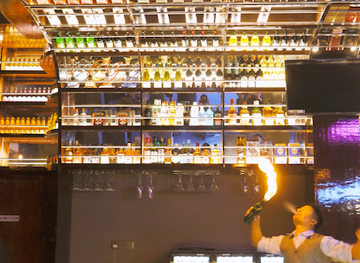
Arunachal Pradesh has limited late-night entertainment, and evening life is shaped more by food, conversation, community gatherings and small-town hospitality than by a large club scene. Itanagar has the broadest selection of casual bars, restaurants and occasional live-music venues, while Tawang, Bomdila, Ziro and Pasighat offer a smaller number of hotel bars, cafés and restaurants where visitors can spend the evening. In rural districts, local eateries and homestays generally close early, and power or mobile connectivity may be intermittent. Traditional rice beers and other local drinks are part of some community cultures, but their production and use vary widely and should not be treated as a universal custom. Check local regulations and hotel policies, avoid drinking before mountain travel, and expect nightlife to become especially quiet in remote valleys and during difficult weather.
-
Pub
13 Old Spirit Pub, Cafe & Karaoke
Discover the lively spirit of Itanagar at 13 Old Spirit Pub, Cafe & Karaoke, the perfect spot for drinks, bites, and karaoke fun.
-
Grill
Poong Nest Restaurant Cum Bar
Discover the vibrant flavors of Itanagar at Poong Nest Restaurant Cum Bar, where grilled delights and a lively bar await every visitor.
-
Grill
VICKY BEER BAR
Unwind at Vicky Beer Bar: A lively grill and bar in Doimukh, Arunachal Pradesh, offering local flavors and a vibrant atmosphere for tourists.
-
Grill
Abo Tani Beer Bar and Restaurant
Discover the vibrant flavors at Abo Tani Beer Bar and Restaurant, a top grill destination in Itanagar, Arunachal Pradesh, offering delightful dishes and drinks.


Best nightclubs in Arunachal Pradesh
Arunachal Pradesh has limited late-night entertainment, and evening life is shaped more by food, conversation, community gatherings and small-town hospitality than by a large club scene. Itanagar has the broadest selection of casual bars, restaurants and occasional live-music venues, while Tawang, Bomdila, Ziro and Pasighat offer a smaller number of hotel bars, cafés and restaurants where visitors can spend the evening. In rural districts, local eateries and homestays generally close early, and power or mobile connectivity may be intermittent. Traditional rice beers and other local drinks are part of some community cultures, but their production and use vary widely and should not be treated as a universal custom. Check local regulations and hotel policies, avoid drinking before mountain travel, and expect nightlife to become especially quiet in remote valleys and during difficult weather.
-
Night club
Club KC
Experience the vibrant nightlife of Itanagar at Club KC, where music, dance, and celebration come together in a lively atmosphere.
-
Night club
Club haven
Immerse yourself in the electrifying nightlife at Club Haven, Naharlagun's premier destination for music, dance, and unforgettable moments.
-
 Night club
Handsome Group Headquarter
Discover the vibrant nightlife at Handsome Group Headquarter in Deomali, Arunachal Pradesh, where music, dance, and delicious food await.
-
Night club
The Platform
Experience vibrant nightlife at The Platform, Arunachal Pradesh’s premier night club with delicious food and lively music.


Best shops in Arunachal Pradesh
Shopping in Arunachal Pradesh is strongest in district towns and community markets, where visitors can find handwoven textiles, shawls, patterned bags, cane and bamboo work, carved objects, jewellery and locally made food products. Itanagar has the broadest general retail selection, while Tawang, Bomdila, Ziro, Pasighat and Namsai offer more regionally distinctive crafts and produce. Designs, weaving techniques and materials vary between communities, so ask sellers about provenance and buy directly from recognised cooperatives or artisans where possible. Local markets may also carry tea, rice products, bamboo-shoot preparations, spices and seasonal fruit, although packaged food should be checked before transport. Do not purchase wildlife products, antiquities or objects presented as sacred without clear legal and ethical assurance. Retail choice becomes limited in remote valleys, so practical supplies should be bought before departure; shopping here is primarily about supporting craft traditions and taking home lightweight, responsibly sourced regional goods.
-
Clothing store
V-Mart - Itanagar
Discover the blend of style and convenience at V-Mart Itanagar, where shopping meets affordability in a vibrant atmosphere.
-
Clothing store
Stylish tailor pasighat
Explore Stylish Tailor Pasighat for a unique blend of traditional and modern fashion in Arunachal Pradesh, perfect for all travelers.
-
Shopping mall
Legi Complex
Explore the Legi Complex: A vibrant shopping mall in Itanagar, Arunachal Pradesh, blending retail with local culture and cuisine.
-
Shopping mall
Ossum Store
Experience the vibrant shopping culture of Itanagar at Ossum Store, where local crafts and delicious snacks await every visitor.


Get your free copy of our complete guide to Arunachal Pradesh, delivered straight to you.
Everything on this page, from attractions and restaurants to essentials and local phrases, in one PDF you can read offline, print or share.
Already have an account? Sign in
Your Arunachal Pradesh guide is ready.
We'll send it to · Not you? Sign out

Getting your guide ready…
We are putting together a fresh copy of the Arunachal Pradesh guide. This can take up to a minute.
This can take a few moments. If your browser asks, choose Allow so the download can start. You'll find the guide in your Downloads folder.
Nothing happened? Download it again
Sorry, the guide is taking longer than usual. Please try again in a minute, or get it by email instead.
Arunachal Pradesh essentials
Currency and Payment
Safety
Emergency Situations
Do's and Don'ts
Local Tips
From Eve
Local phrases worth knowing
You don't need to get them perfect. A few words go a long way, and locals appreciate the effort.
Basics
| English | Local | Say it |
|---|---|---|
| Hello | नमस्कार | [Namaskaar] |
| Goodbye | अलविदा | [Alvida] |
| Yes | हो | [Ho] |
| No | नहि | [Nahi] |
| Please/You're welcome | कृपया | [Kripya] |
| Thank you | धन्यवाद | [Dhanyavaad] |
| Excuse me/Sorry | माफ गर्नुहोस् | [Maaf Garnuhos] |
| How are you? | तिमीलाई कस्तो छ? | [Timilai Kasto Cha?] |
| Fine. And you? | म ठिक छु। र तिमी? | [Ma Thik Chu. Ra Timī?] |
| Do you speak English? | तिमीलाई अंग्रेजी बोल्न आउँछ? | [Timīlāi Angreji Bolna Aunchha?] |
| I don't understand | म बुझ्दिन | [Ma Bujhdina] |
Eating & Drinking
| English | Local | Say it |
|---|---|---|
| I'd like to see the menu, please | कृपया मeniu देख्न चाहन्छु | [Kripya Menu Dekhna Chahanchu] |
| I don't eat meat | म मासु खाँदैन | [Ma Maasu Khandaain] |
| Cheers! | स्वास्थ्यको लागि! | [Swasthyako Lagi!] |
| I would like to pay, please | कृपया म तिर्न चाहन्छु | [Kripya Ma Tirna Chahanchu] |
Emergencies
| English | Local | Say it |
|---|---|---|
| Help! | मदद गर! | [Madad Gar!] |
| Go away! | फर्क! | [Pharka!] |
| Call the Police! | पुलिसलाई फोन गर! | [Polislai Phone Gar!] |
| Call a doctor! | डाक्टरलाई फोन गर! | [Daktar Lai Phone Gar!] |
| I'm lost | म हराएँ | [Ma Harae] |
| I'm ill | म बिरामी छु | [Ma Birami Chu] |
Shopping
| English | Local | Say it |
|---|---|---|
| I'd like to buy... | म किन्न चाहन्छु... | [Ma Kinna Chahanchu...] |
| I'm just looking | म केवल हेरिरहेँ | [Ma Keval Herirahe] |
| How much is it? | यसको मूल्य कति छ? | [Yasko Muly Kati Cha?] |
| That's too expensive | यो धेरै महँगो छ | [Yo Dherai Mahango Cha] |
| Can you lower the price? | के तपाई मूल्य घटाउन सक्नुहुन्छ? | [Ke Tapai Muly Ghatna Saknuhunchha?] |
Time & Numbers
| English | Local | Say it |
|---|---|---|
| What time is it? | कति बजेको छ? | [Kati Bajeko Cha?] |
| It's one o'clock | यो एउटा बजेको छ | [Yo Euta Bajeko Cha] |
| Half past (10) | साढे (10) | [Saadhe (10)] |
| Morning | बिहान | [Bihan] |
| Afternoon | मध्याह्न | [Madhyahn] |
| Evening | साँझ | [Saanjh] |
| Yesterday | हिजो | [Hijo] |
| Today | आज | [Aaja] |
| Tomorrow | भोली | [Bholi] |
| 1 | १ | [1] |
| 2 | २ | [2] |
| 3 | ३ | [3] |
| 4 | ४ | [4] |
| 5 | ५ | [5] |
| 6 | ६ | [6] |
| 7 | ७ | [7] |
| 8 | ८ | [8] |
| 9 | ९ | [9] |
| 10 | १० | [10] |
Transport & Directions
| English | Local | Say it |
|---|---|---|
| Where's a/the...? | कहाँ छ...? | [Kahaan Cha...?] |
| What's the address? | ठेगाना के हो? | [Thegaana Ke Ho?] |
| Can you show me (on the map)? | तपाईं मलाई देखाउन सक्नुहुन्छ? | [Tapai Malai Dekhauna Saknuhunchha?] |
| When's the next (bus)? | अर्को (बस) कहिलेदेखि छ? | [Arko (Bas) Kahiledik Cha?] |
| A ticket (to ....) | एक टिकट (....को लागि) | [Ek Ticket (...ko Lagi)] |
History of Arunachal Pradesh
Early Communities and Archaeological Kingdoms
Arunachal Pradesh has long been inhabited by diverse Tibeto-Burman and Tai-speaking communities whose histories were preserved through oral traditions, clan systems and trade between the Himalayan foothills and the Assam plains. Archaeological sites such as Bhismaknagar near Roing indicate an important early fortified settlement, while Malinithan near Likabali preserves sculptural remains associated with the medieval period. These sites demonstrate that the region was not an isolated wilderness but part of wider cultural and commercial networks linking the eastern Himalaya, Assam and the Brahmaputra valley.
Buddhist Expansion and Himalayan Trade
Tibetan Buddhist institutions became especially influential in the western and northern districts. Monasteries developed through links with Tibet, Bhutan and neighbouring Himalayan communities, with Tawang Monastery founded in the seventeenth century within the Gelug tradition. Trade routes crossed high passes and connected pastoral communities with markets to the south. Buddhism did not replace the region’s many Indigenous belief systems; instead, religious life developed differently across Arunachal, with Buddhist, Donyi-Polo, Vaishnavite and other traditions continuing in distinct communities.
Ahom and Frontier Relationships
For centuries, the peoples of the hills maintained changing relationships with the Ahom kingdom and other polities of the Assam plains. These relationships involved trade, seasonal movement, diplomacy and occasional conflict rather than uniform political control. Goods moving through the foothills included salt, cloth, metal products and forest produce. The historical boundary between plains and hills was therefore a zone of exchange, and many present-day cultural connections between Arunachal and Assam reflect these older patterns.
Colonial Administration and the McMahon Line
During British rule, the eastern Himalayan frontier was administered separately from the Assam plains through a succession of frontier arrangements. The 1914 Simla Convention produced the McMahon Line between British India and Tibet, a boundary still disputed by China. Colonial influence expanded unevenly, and many interior areas retained considerable autonomy. Roads, administrative posts and missionary activity altered some communities, but the region’s difficult terrain continued to limit outside control and large-scale settlement.
War and Strategic Roads
The 1962 Sino-Indian War brought the frontier into sharper national focus. Fighting occurred across the North-East Frontier Agency, the predecessor of modern Arunachal Pradesh, and the conflict left a lasting imprint on roads, military infrastructure and public memory. Mountain routes towards Tawang and other border areas remain strategically important, and civilian access to some places is controlled. Visitors should understand that scenic frontier landscapes may also be areas of active national security sensitivity.
From NEFA to Statehood
The North-East Frontier Agency became the Union Territory of Arunachal Pradesh in 1972, and the territory attained full statehood in 1987. This transition brought expanded political representation, public investment and administrative integration, while also intensifying debates about land, forests, customary authority and cultural preservation. Itanagar became the state capital, and improved roads, telecommunications and education connected more communities with the wider Indian economy without eliminating the strong local identities found across the river valleys.
Contemporary Cultural and Environmental Change
Modern Arunachal Pradesh balances infrastructure development and strategic connectivity with the protection of forests, wildlife and Indigenous cultural landscapes. Namdapha and other protected areas conserve habitats of exceptional biological diversity, while places such as Ziro have drawn international attention to traditional agricultural practices and community stewardship. Tourism is growing, but access, conservation and local consent remain important considerations. Contemporary travel is therefore part of a wider story of cultural continuity, environmental pressure and regional integration.
Arunachal Pradesh in Photos
Browse through our photo collection highlighting the charm and character of the destination.
Neighbouring regions of Arunachal Pradesh
The closest regions to Arunachal Pradesh, if you have time for more than one.
-

-

-
-

-


Swipe for more regions
Explore more

Explore more of India
Discover the magic of India, where diverse landscapes, rich heritage, and vibrant culture come together to create an unforgettable travel experience.
Explore India