Bhimbetka Rock Shelters: A Journey Through Time
Explore prehistoric art and ancient human history at the UNESCO World Heritage Site of Bhimbetka Rock Shelters near Bhopal, Madhya Pradesh.
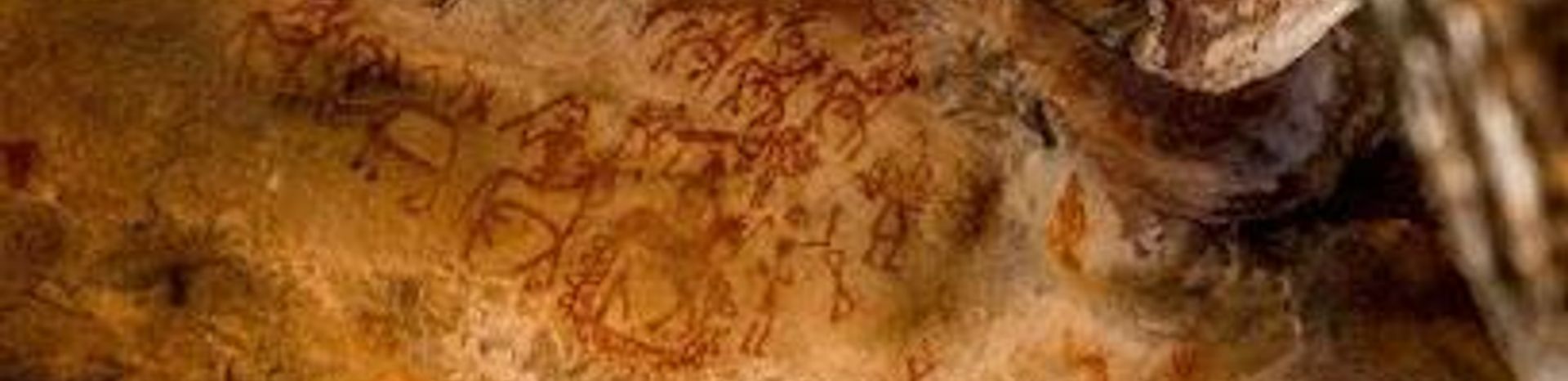
The Bhimbetka Rock Shelters, a UNESCO World Heritage Site in Madhya Pradesh, India, showcase the earliest traces of human life in India through prehistoric cave paintings. These paintings, dating back thousands of years, depict the lives and times of early humans, offering a glimpse into the Stone Age and beyond.
A brief summary to Bhimbetka rock shelters
- Madhya Pradesh, IN
- Visit website
Local tips
- Wear comfortable shoes as exploring the rock shelters involves walking and climbing stairs.
- Carry water and snacks, especially during the warmer months.
- Hire a local guide to gain deeper insights into the history and significance of the paintings.
- Visit during the cooler months (October to March) for a more comfortable experience.
- Allocate at least 2-3 hours to fully explore the accessible rock shelters.

Getting There
-
Car
From Bhopal, head south on NH46 towards Hoshangabad. Continue for approximately 45 km, then turn left onto State Highway 18. Drive for about 20 km until you see signs for Bhimbetka. Parking is available at the entrance. Parking fees for cars are approximately INR 300.
-
Public Transport
Take a bus from Bhopal ISBT-HabibGanj bus terminal towards Hoshangabad. Get off near Bhimbetka. From there, hire a taxi or auto-rickshaw to reach the rock shelters, approximately 3 km away. Bus fares from Bhopal to Hoshangabad typically range from INR 80-150. Taxi/auto fares for the final 3 km are approximately INR 100-200.
Discover more about Bhimbetka rock shelters
Iconic landmarks you can’t miss

Lake
34.7 km
Experience the serene beauty of Lake in Shahpura, Bhopal - a peaceful park perfect for relaxation, picnics, and nature walks.
Swarna Jayanti Park
34.7 km
Experience the tranquility of Swarna Jayanti Park, a serene escape in Bhopal's urban landscape, offering lush greenery and scenic paths for relaxation.
Spot
36.8 km
Explore the serene Kaliyasot Dam Gardens in Bhopal, where vibrant flowers meet tranquil waters, creating a perfect escape for nature lovers.
Jama Masjid New Market
39.3 km
Explore the serene beauty and rich heritage of Jama Masjid in Bhopal, a must-visit for those seeking peace and cultural immersion in India's historic city.
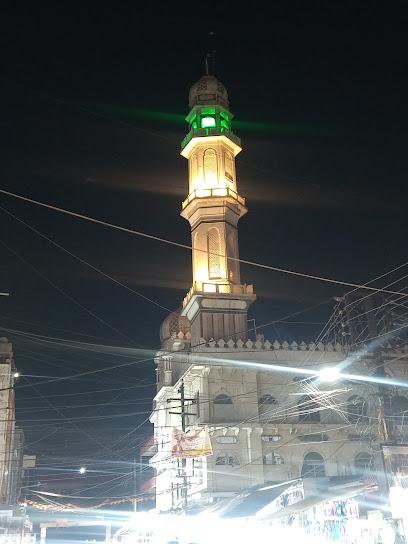
Bogda pul
39.7 km
Explore the stunning Bogda Pul in Bhopal, a bridge that beautifully combines engineering with scenic views and vibrant local culture.
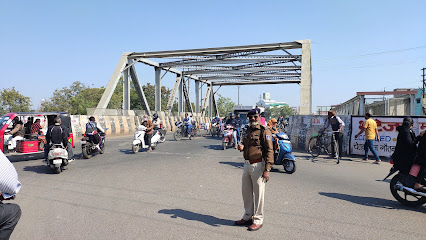
Tajmahal bhavan
39.9 km
Discover the enchanting beauty and rich history of Taj Mahal Bhavan, a stunning historical landmark in Bhopal, Madhya Pradesh.
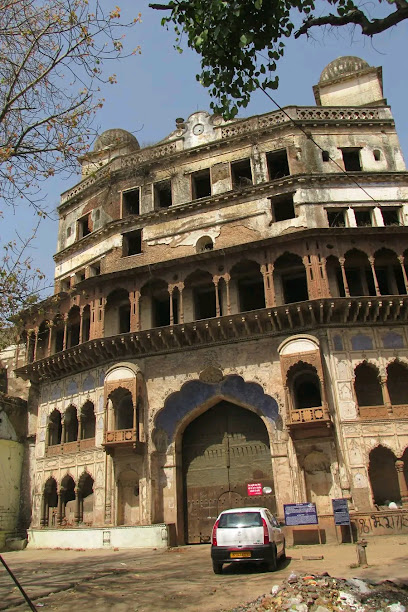
Narmada Park
40.0 km
Discover the natural beauty and tranquility of Narmada Park in Bhopal, a perfect retreat for nature lovers and families alike.
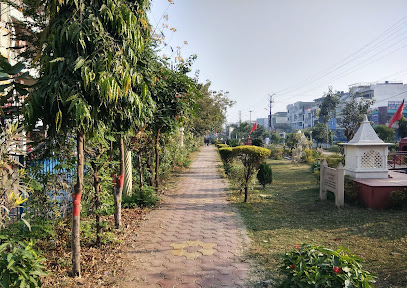
Pul Pukhta
40.6 km
Discover the beauty and architectural elegance of Pul Pukhta, a stunning bridge in Bhopal, Madhya Pradesh, offering breathtaking views and cultural significance.
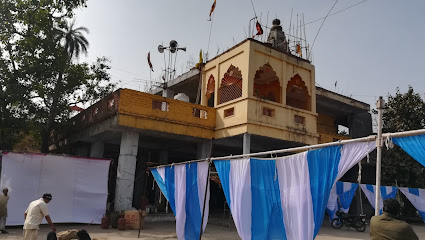
Char Batti Chauraha
41.0 km
Explore the historic heart of Bhopal at Char Batti Chauraha, a vibrant intersection reflecting the rich culture and heritage of Madhya Pradesh.
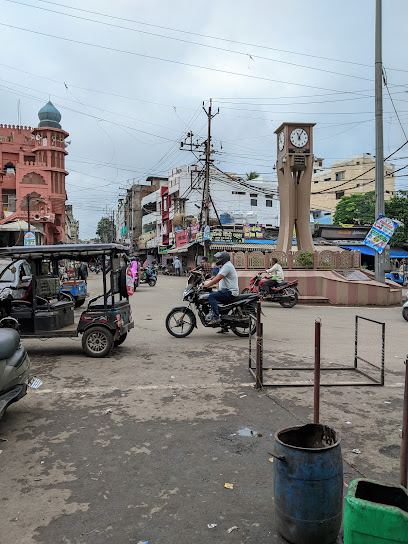
Bada Talaab bhopal
41.0 km
Explore the tranquil beauty of Bada Talaab in Bhopal, a serene garden oasis perfect for picnics, walks, and stunning lake views.
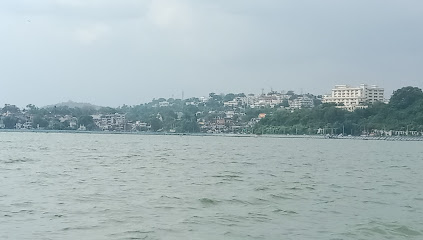
Hazrat Faiz Bahadur Dargah
41.0 km
Discover the tranquil beauty of Hazrat Faiz Bahadur Dargah, a serene shrine in Bhopal that offers spiritual solace and cultural richness.
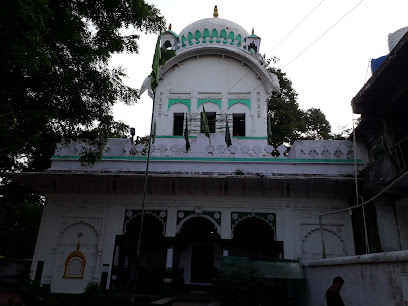
Bhopal City
41.1 km
Explore Bhopal City, a historical gem in Madhya Pradesh, rich in culture, stunning lakes, and architectural marvels that narrate India’s diverse heritage.
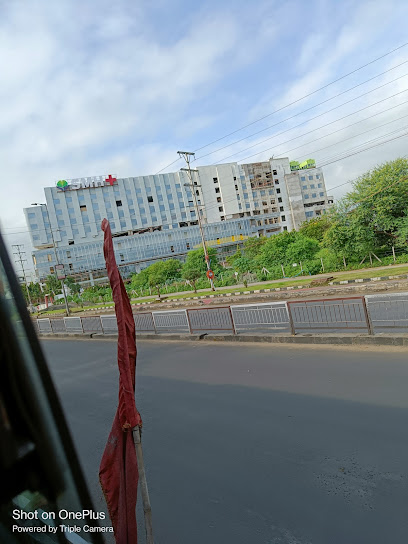
Edward Museum Building now Central Library, Bhopal
41.1 km
Discover the Edward Museum Building, a historical landmark in Bhopal, blending architectural beauty with a rich cultural heritage for an unforgettable visit.
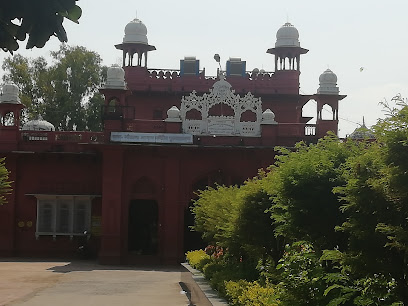
Iqbal Maidan
41.5 km
Discover the lush landscapes and vibrant culture of Iqbal Maidan, Bhopal's favorite park for relaxation and sports activities.
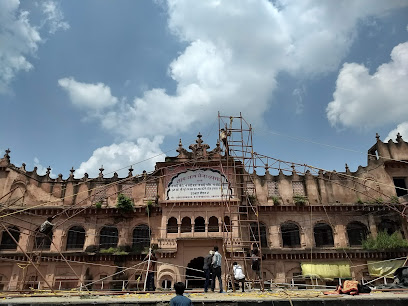
Gauhar Mahal
41.5 km
Explore the architectural splendor and cultural heritage of Gauhar Mahal in Bhopal, a stunning historical landmark perfect for every traveler.
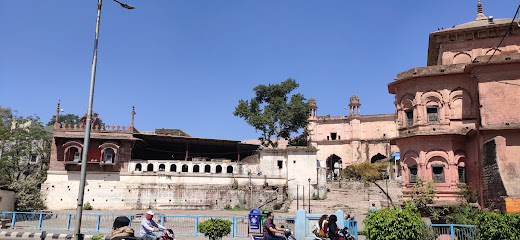
Unmissable attractions to see

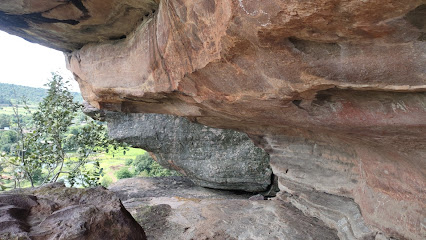
Mendak Guffa
5.8 km
Discover the serene beauty of Mendak Guffa, a tranquil tourist attraction in Madhya Pradesh, where nature and adventure await every traveler.
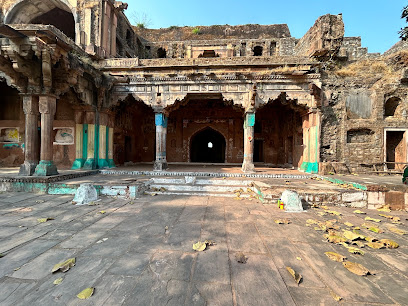
Ginnorgarh Fort
13.6 km
Discover the enchanting history and breathtaking views at Ginnorgarh Fort, a must-visit historical landmark in Madhya Pradesh.
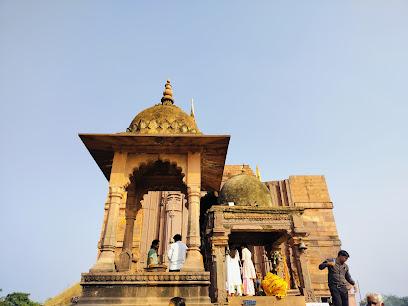
Bhojeshwar Mahadev Temple
18.2 km
Marvel at the unfinished masterpiece of Bhojeshwar Mahadev Temple, home to one of India's largest Shivalingams, and explore ancient architecture near Bhopal.
Kanha Fun City
25.1 km
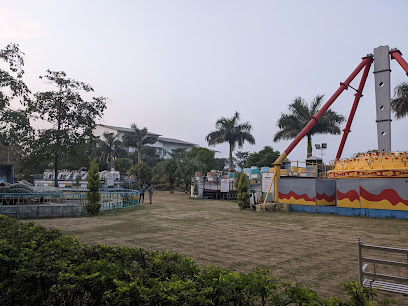
Experience thrilling rides and water fun at Bhopal's favorite amusement and water park, perfect for family and friends!
Kerwa Dam Bhopal
35.1 km
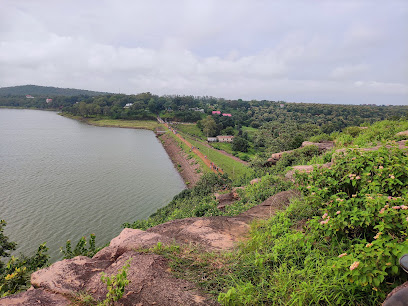
Discover the serene beauty of Kerwa Dam in Bhopal, where nature meets tranquility in a picturesque setting perfect for relaxation and exploration.
RMNH- Regional Museum Of Natural History
35.9 km
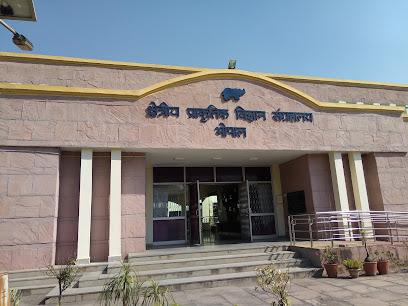
Explore central India's natural heritage at Bhopal's Regional Museum of Natural History, with exhibits for all ages promoting conservation and education.
Nandan Kanan Park
37.0 km
Escape to tranquility at Nandan Kanan Park in Bhopal, a serene oasis with lush greenery, vibrant flowers, and recreational activities for all ages.
BR Ambedkar Statue
37.3 km
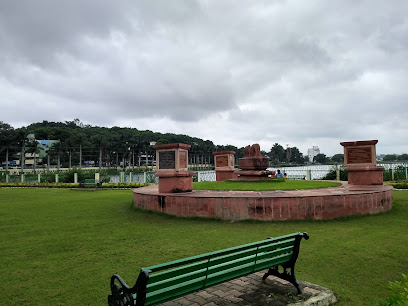
Visit the BR Ambedkar Statue in Bhopal to honor a champion of social justice and reflect on the principles of equality and human rights.
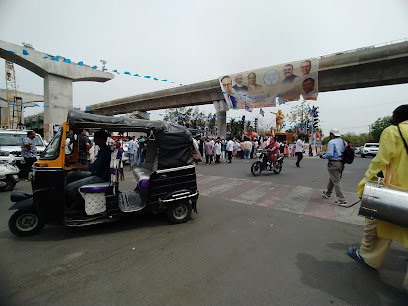
Madhav Sapre Sangrahalaya
37.5 km
Explore the history of Indian journalism at Bhopal's Madhav Sapre Sangrahalaya, a unique archive of newspapers and literary heritage.
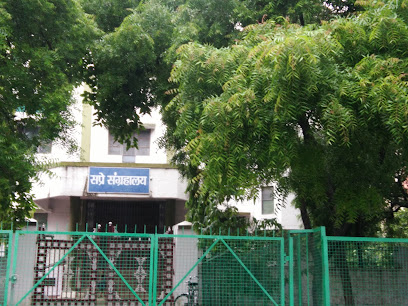
Shaurya Smarak Bhopal
37.7 km
A poignant war memorial in Bhopal honoring the valor and sacrifice of India's armed forces, with immersive exhibits and inspiring installations.
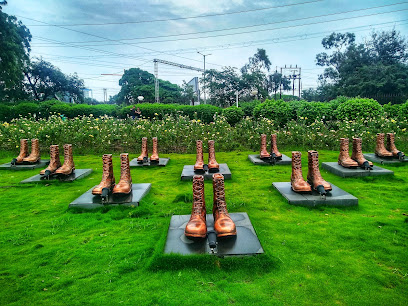
Chinar Park
37.8 km
Discover whimsical art and serene nature at Bhopal's Chinar Park, a unique urban oasis showcasing creativity and environmental awareness.
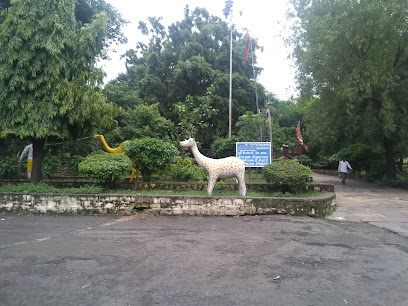
Sair Sapata, Bhopal
39.1 km
Discover Bhopal's Sair Sapata: A lakeside haven with a suspension bridge, kids' play zone, and endless family fun!
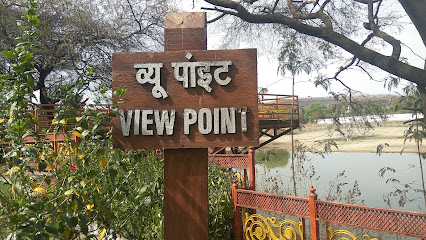
Birla Museum
39.2 km
Discover India's rich cultural heritage at the Birla Museum in Bhopal, featuring exquisite art and artifacts that celebrate diverse traditions.
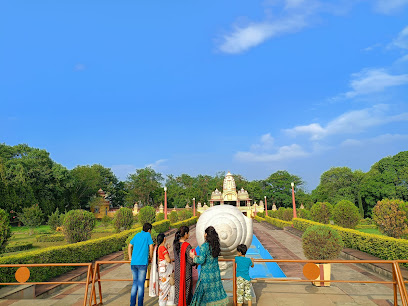
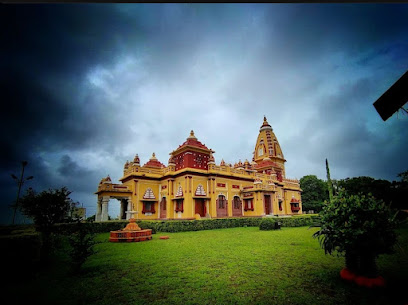
Birla Mandir
39.2 km
A serene Hindu temple in Bhopal offering spiritual solace, panoramic views, and a glimpse into ancient art.
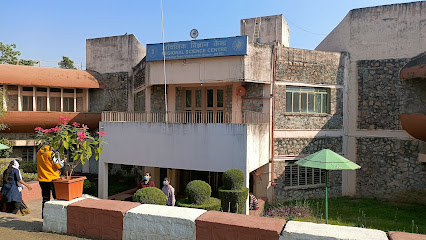
Regional Science Center
40.1 km
Explore the wonders of science at Bhopal's Regional Science Center: interactive exhibits, planetarium shows, and a dinosaur park await!
Essential places to dine

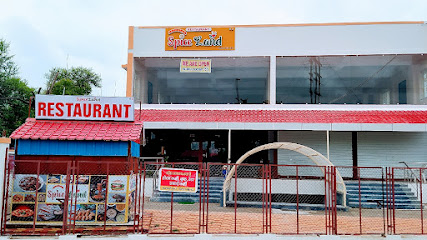
Spice Land Restaurant & Banquet
29.3 km
Discover the flavors of Madhya Pradesh at Spice Land Restaurant & Banquet—where family dining meets exquisite cuisine.
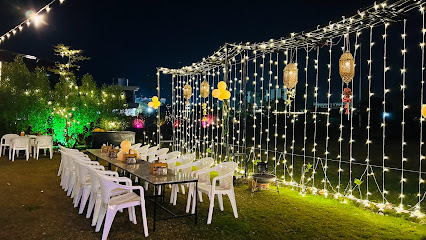
Over The Moon Bistro (OTM)
31.1 km
Experience exquisite flavors at Over The Moon Bistro in Bhopal - where fine dining meets cozy bistro charm.
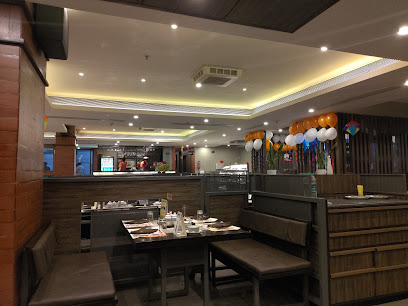
Barbeque Nation - Bhopal - Virasha
32.1 km
Discover the flavors of India at Barbeque Nation in Bhopal - where every meal is a celebration of taste and togetherness.
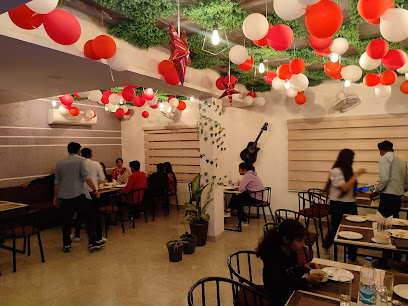
Spoon & Beats - Restaurant, Bhopal
33.3 km
Discover delightful flavors at Spoon & Beats in Bhopal - where traditional meets contemporary dining.
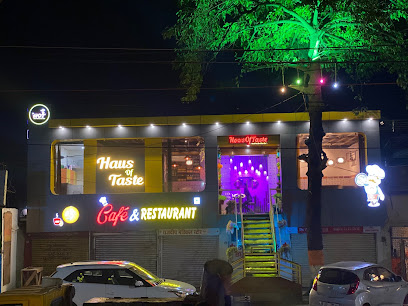
HAUS OF TASTE CAFE & FAMILY RESTAURANT
35.0 km
Discover the ultimate vegetarian dining experience at Haus of Taste Cafe & Family Restaurant in Bhopal—where tradition meets flavor.
Dark Dining Restaurant
35.6 km
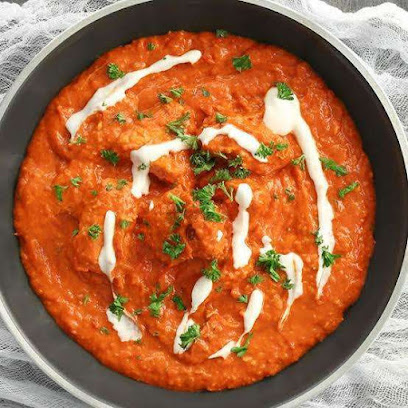
Experience dining like never before at Dark Dining Restaurant in Bhopal—where every meal is an adventure into darkness and flavor.
The Brunch House | Pure Veg Restaurant
36.6 km
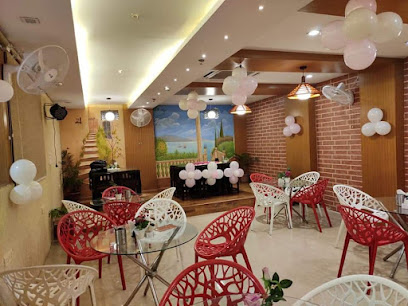
Discover a delightful array of vegetarian cuisine at The Brunch House in Bhopal - perfect for family outings and food lovers.
The House Of Value
36.7 km
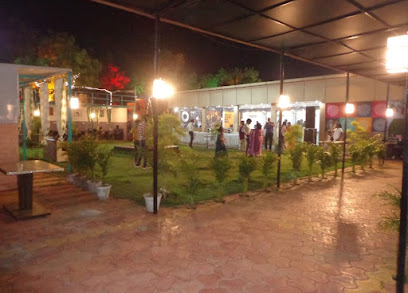
Discover exquisite flavors at The House of Value in Bhopal—where culinary excellence meets warm hospitality.
Taste of India | Veg Restaurant Caterer Bhopal
36.7 km
Savor the authentic taste of India at Taste of India in Bhopal – your destination for delicious vegetarian cuisine and memorable dining experiences.
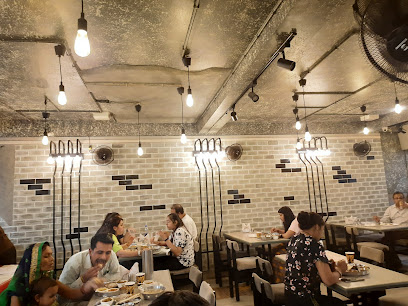
Famous Restaurant
37.2 km
Experience delightful family-friendly dining at Famous Restaurant in Bhopal—your go-to spot for delicious breakfasts and local flavors.
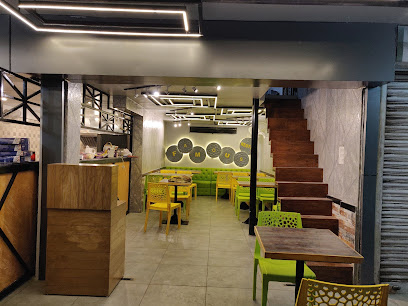
The Public House Restaurant
37.3 km
Discover an array of delicious cuisines at The Public House Restaurant in Bhopal - where every meal feels like home.
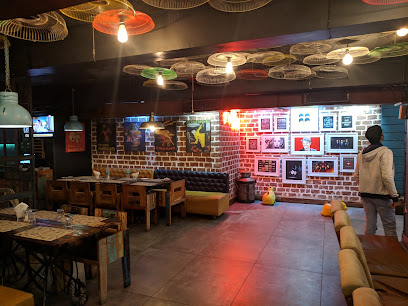
Lazeez Hakeem
37.4 km
Experience authentic North Indian cuisine at Lazeez Hakeem in Bhopal - from flavorful biryanis to tender chicken dishes in a vibrant setting.
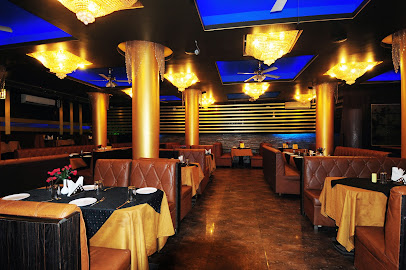
Manohar Dairy & Restaurant - MP Nagar
37.5 km
Explore the rich flavors of India at Manohar Dairy & Restaurant - your ultimate vegetarian dining destination in Bhopal.
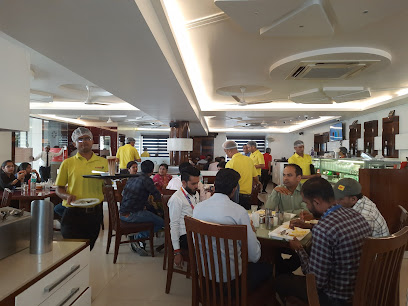
D-RUNCH - Restaurant
37.5 km
Discover delightful flavors at D-RUNCH - Bhopal's rooftop gem offering diverse cuisines in a vibrant setting.
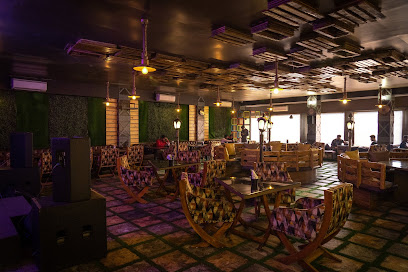
Saffron Restaurant
37.6 km
Discover delicious barbecue and diverse cuisines at Saffron Restaurant in Bhopal's DB City Mall – perfect for food lovers!
Markets, malls and hidden boutiques

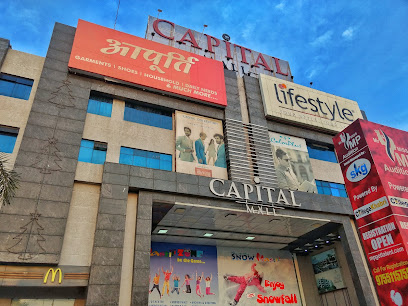
Capital Mall
29.0 km
Discover a vibrant shopping experience at Capital Mall, Bhopal's leading destination for retail therapy, dining, and entertainment.
Unique Shoppee
30.0 km
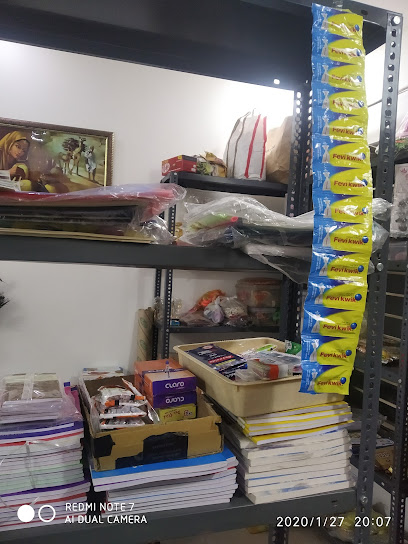
Explore Unique Shoppee in Bhopal for a diverse selection of stationery, jewelry, accessories, and women's clothing, perfect for every traveler.
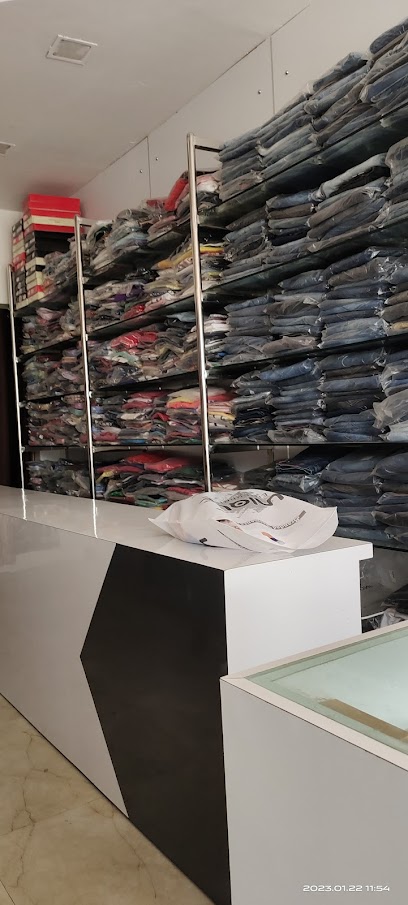
Unique Surplus World Branded Garments Outlet
31.0 km
Shop smart at Unique Surplus World in Bhopal - where high-quality men's fashion meets unbeatable prices for the savvy shopper.
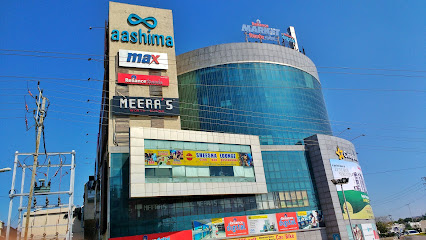
Aashima Mall
31.4 km
Discover a shopping haven at Aashima Mall in Bhopal, where retail therapy meets delightful dining and exciting entertainment options.
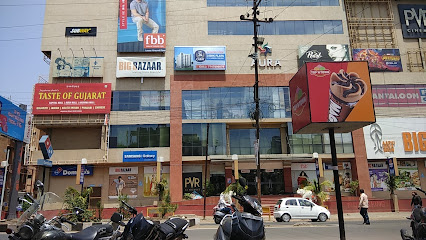
Aura Mall
33.2 km
Discover a blend of shopping, dining, and entertainment at Aura Mall, Bhopal's premier shopping destination.
Dreamland Gift & Toys
33.4 km
Explore a magical world of toys and gifts at Dreamland Gift & Toys in Bhopal, where every corner sparks joy and creativity.
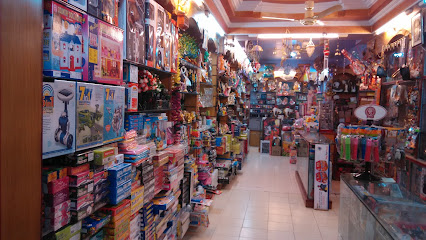
Ayushi Collection
34.2 km
Explore Ayushi Collection in Bhopal for a unique shopping experience with cosmetics, jewelry, and delightful souvenirs amidst a vibrant atmosphere.
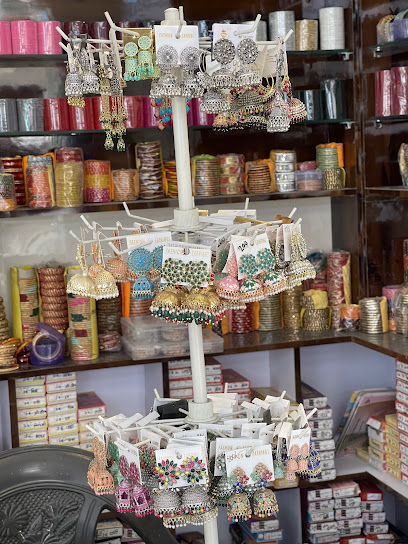
Unique Collection Awadhpuri
34.7 km
Discover Bhopal's Unique Collection Awadhpuri, a captivating gift shop with exquisite jewelry, cosmetics, and toys for every traveler.
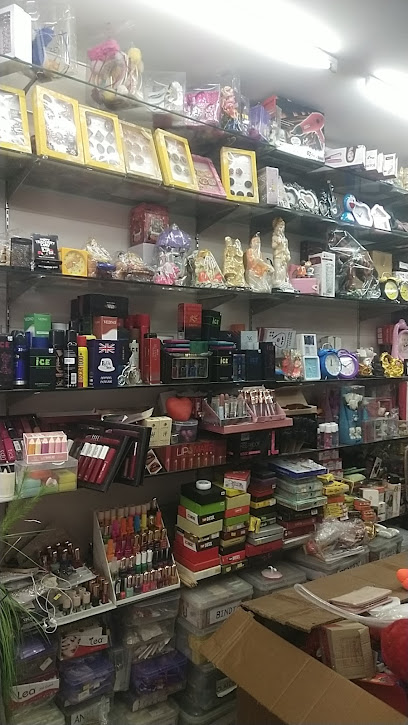
Unique collection
35.4 km
Explore Bhopal's unique clothing store, where local culture meets contemporary fashion for an unforgettable shopping experience.
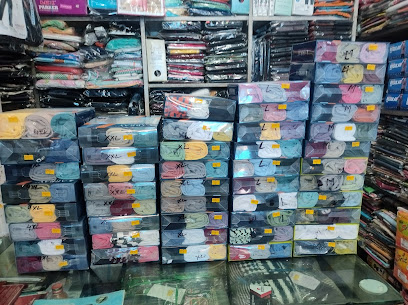
Sukh Store - Best Loungewear & Lingeries Store in Bhopal
35.5 km
Discover stylish loungewear and exquisite lingerie at Sukh Store, Bhopal's top destination for fashion-forward shopping.

Galaxy 99 & Above gift &toys
35.5 km
Discover a treasure trove of gifts, toys, and accessories at Galaxy 99 & Above in Bhopal, where every item tells a story.
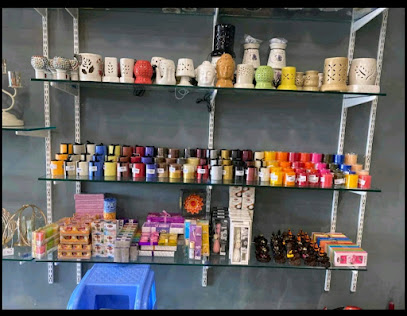
Centers and Corners: Best house decor store | home furnishing store | Luxury Intrior decorating shop in Bhopal
35.6 km
Explore exquisite home furnishings and unique decor at Centers and Corners, Bhopal's premier destination for luxury interior design.
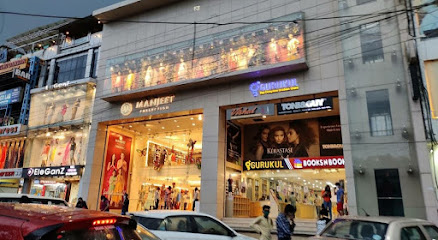
Manjeet Collection - Bhopal's most Exclusive Wedding, Fashion & Lifestyle Shopping Destination
35.6 km
Explore Manjeet Collection in Bhopal for exquisite wedding attire, fashionable clothing, and beauty essentials, all in one exclusive shopping destination.
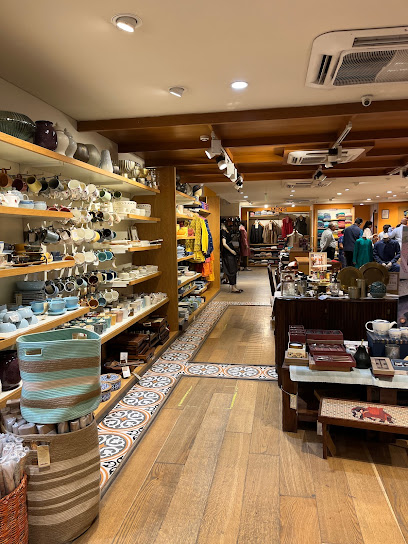
Fabindia, Arera Colony
36.2 km
Explore the vibrant world of traditional Indian crafts at Fabindia in Arera Colony, Bhopal, offering exquisite clothing and cane furniture.
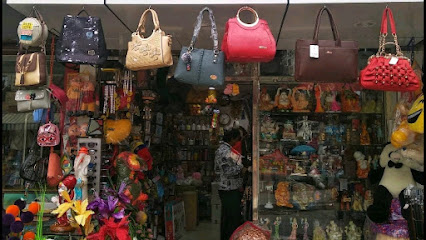
Signature boutique at Aarambh The Startup Store
36.2 km
Explore Aarambh The Startup Store in Bhopal for unique local crafts and innovative products that celebrate the essence of Madhya Pradesh.
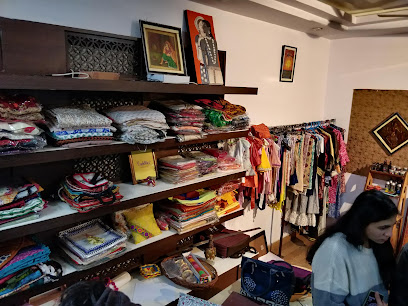
Essential bars & hidden hideouts

Remix Lounge
31.9 km
Discover the vibrant atmosphere of Remix Lounge in Bhopal, where delicious fast food and refreshing drinks meet nightlife excitement.
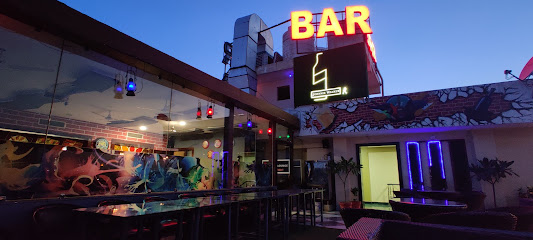
THE SIP STORIES
33.2 km
Experience the vibrant flavors of Bhopal at The Sip Stories, where grilled delicacies meet a lively atmosphere for an unforgettable dining experience.
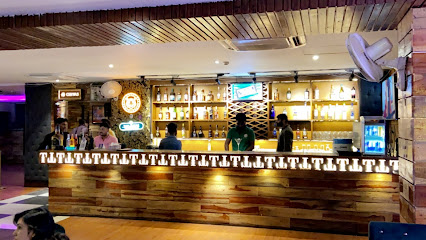
Wild Ginger Pub and Restaurant
35.3 km
Discover the vibrant flavors of Bhopal at Wild Ginger Pub and Restaurant, where delicious cuisine meets a lively bar atmosphere.
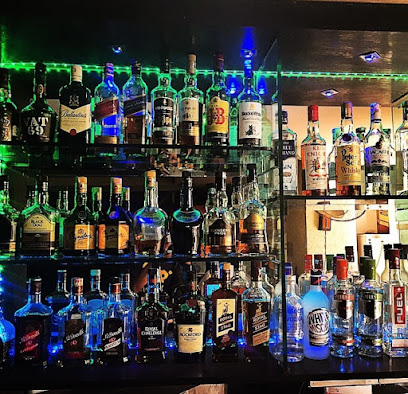
Bottom’s Up Pub & Cafe Bar Bhopal
35.4 km
Discover the lively energy of Bottom’s Up Pub & Cafe Bar in Bhopal, where great food meets vibrant nightlife in a welcoming atmosphere.
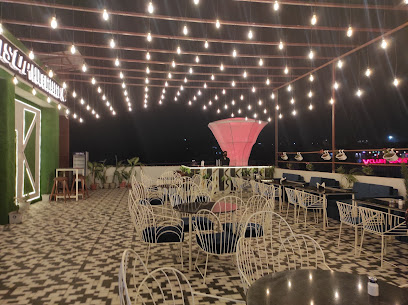
Goldmine Bar
35.4 km
Experience the vibrant nightlife at Goldmine Bar in Bhopal, a perfect spot for cocktails, live music, and local culture.
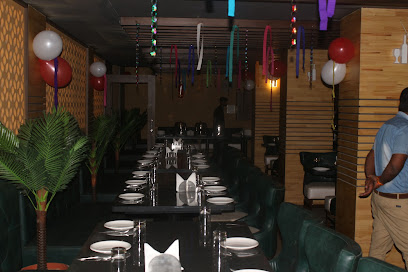
V Club & Lounge
35.5 km
Experience Bhopal's nightlife at V Club & Lounge, where vibrant bar culture meets electrifying disco beats for an unforgettable night out.
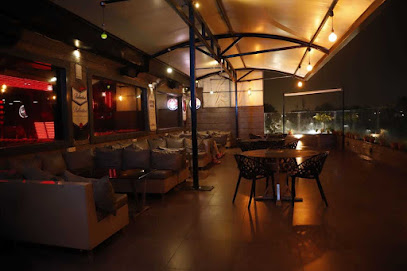
MOLECULE AIR BAR-BHOPAL
35.6 km
Experience the perfect blend of fine dining and vibrant nightlife at Molecule Air Bar in Bhopal, where culinary excellence meets lively entertainment.
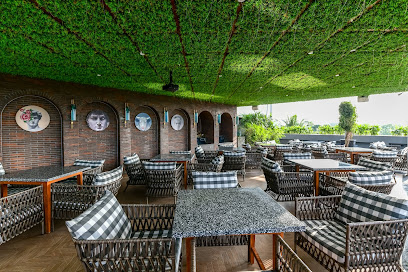
Pukhraj Bar & Restaurant.
36.1 km
Discover the perfect blend of fine wines and exquisite cuisine at Pukhraj Bar & Restaurant in Bhopal, a must-visit for food and wine lovers.
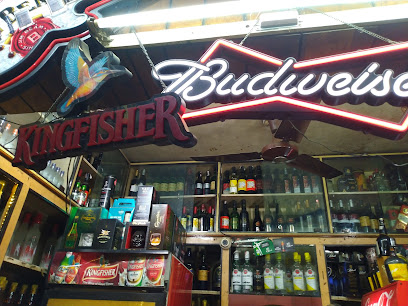
Cowboy Restaurant & Lounge
36.2 km
Experience the best of dining and nightlife at Cowboy Restaurant & Lounge in Bhopal, where flavors meet fun in a vibrant atmosphere.
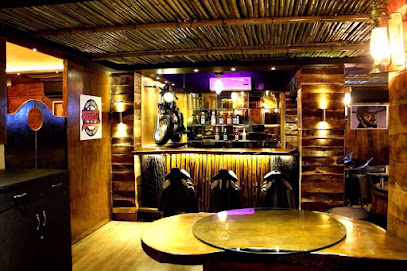
The Pitchers Club(Run By - Bhavishya Group & Shivhare Group)
36.7 km
Experience the vibrant nightlife at The Pitchers Club, where great food, music, and fun come together in Bhopal's premier entertainment venue.
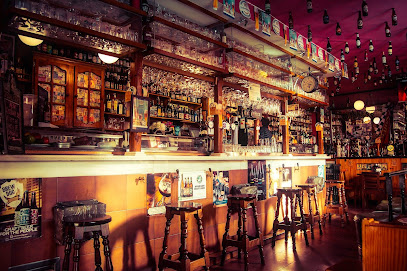
Club 9:38 BAR
36.7 km
Discover the vibrant nightlife of Bhopal at Club 9:38 BAR, where refreshing cocktails meet an energetic atmosphere for an unforgettable evening.
BARCO'S RESTRO BAR
36.7 km
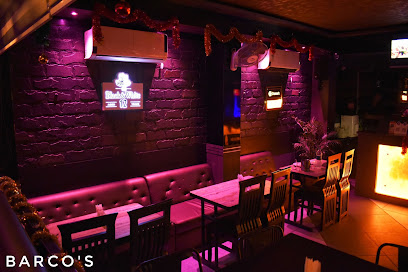
Discover Barco's Restro Bar in Bhopal – a lively bar and restaurant offering diverse menus and a vibrant atmosphere for every visitor.
Shiva Bar And Restaurant
36.8 km
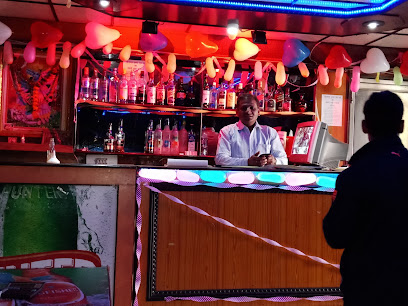
Experience the vibrant ambiance and delicious menu at Shiva Bar And Restaurant in Bhopal, a perfect spot for locals and tourists alike.
Dublin Lounge
37.2 km
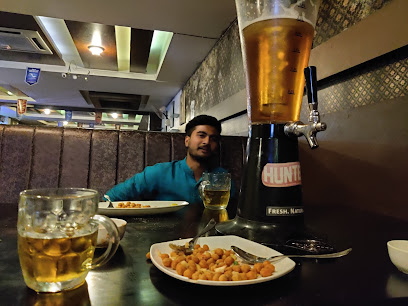
Discover the vibrant nightlife at The Dublin Lounge, Bhopal's premier bar offering a delightful selection of drinks and live music in a cozy atmosphere.
Nirvana Bar and Restaurant
37.5 km
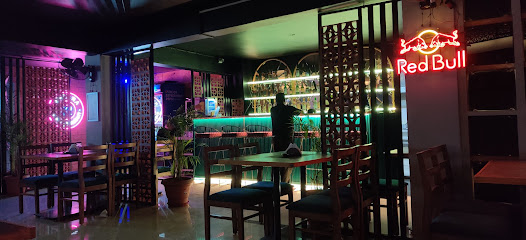
Savor the delightful fusion of local flavors and international cuisine at Nirvana Bar and Restaurant in Bhopal, a culinary gem for every traveler.
Nightclubs & after hour spots

Hari Har Complex top floor Party Hub a new HUB for Celebrating a birthday engagement and meetings
25.8 km
Experience vibrant nightlife and unforgettable celebrations at Hari Har Complex, the ultimate party hub in Narmadapuram, Madhya Pradesh.
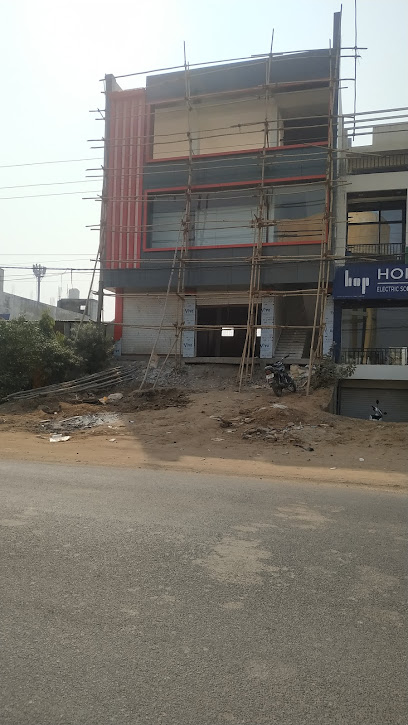
Arvind Vihar Colony Community Club
32.0 km
Experience the vibrant nightlife at Arvind Vihar Colony Community Club in Bhopal, the ultimate destination for music, food, and fun.
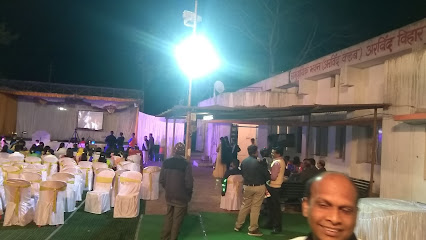
Prince Das house
38.7 km
Discover Bhopal's nightlife at Prince Das House, a vibrant night club with electrifying music and an unforgettable atmosphere.

Land of Liberty Bar Pub and Lounge
40.2 km
Discover the heart of Bhopal's nightlife at Land of Liberty Bar Pub and Lounge, where music, drinks, and joy blend seamlessly.
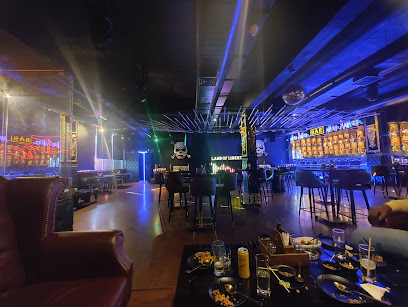
The Secret Place
40.7 km
Experience the electrifying nightlife at The Secret Place, Bhopal's premier night club, where music and excitement await every night.

The Koyla Cafe & Lounge
40.7 km
Experience the vibrant atmosphere and diverse menu at The Koyla Cafe & Lounge in Bhopal, where comfort meets culinary delight.
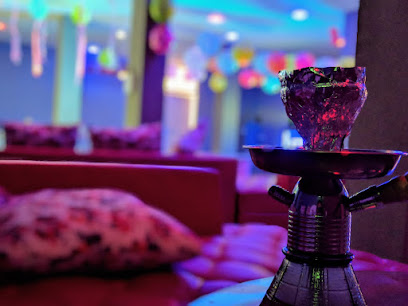
Lucifer Restro & Lounge
44.0 km
Experience the vibrant nightlife at Lucifer Restro & Lounge in Bhopal, where enjoyment and exquisite dining come together in a lively atmosphere.
Ringzone
46.2 km
Discover the electrifying nightlife of Bhopal at Ringzone, the ultimate night club experience with vibrant music and a lively atmosphere.
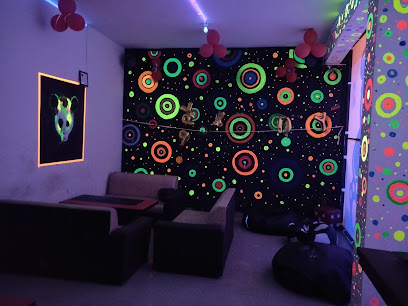
The Q Club
46.5 km
Discover the energetic nightlife of Bhopal at The Q Club, where music, dance, and vibrant crowds come together for an unforgettable experience.
Birthday celebration
85.4 km
Dive into Terni Dhakad's vibrant nightlife at the premier night club, where unforgettable birthday celebrations come alive with music and dance.