

Vashisht (Manali) Travel Guide - Free
Explore Vashisht in Manali with Evendo's free guide. Find the best shops, historic streets, restaurants, and gems on web or mobile.


Vashisht, Manali, pairs ancient temples and hot springs with Himalayan views, village walks, yoga retreats, cafés and easy access to the Beas Valley.
A Mountain Village Above Manali
Vashisht sits on the hillside across the Beas River from central Manali, close enough for a short drive yet distinct in atmosphere and scale. Its lanes climb through a compact settlement of stone-and-timber houses, small guesthouses, cafés, shops and temple courtyards, with steep slopes opening towards forested mountains and the upper Beas Valley. The approach from Manali crosses the river before rising through a narrow road, and the change from resort town to traditional village is immediately noticeable.Read more about Vashisht
Temples, Springs and Local Life
Paths, Views and a Relaxed Retreat Culture
Best attractions in Vashisht
Vashisht's principal attractions are concentrated around its sacred centre and surrounding mountain paths. The Vashisht Temple, built in the traditional local style, is the village's cultural anchor, while the adjoining hot springs draw visitors to bathing facilities associated with the settlement's religious identity. The nearby Rama Temple provides another place to appreciate local worship and architecture. From the village lanes, footpaths lead towards forested slopes and the route to Jogini Waterfall, where the walk becomes as important as the cascade itself, with views over the valley and mountain terrain. Small cafés, temple courtyards and traditional-looking stone-and-timber buildings add to the experience of exploring on foot. Vashisht is not a large museum district or formal heritage precinct; its appeal lies in encountering an active Himalayan village whose springs, shrines, paths and everyday businesses remain closely interwoven.
-
Tourist attraction
Shri Vashishtha Temple
Explore the serene Shri Vashishtha Temple in Vashist, Himachal Pradesh, where spirituality meets stunning Himalayan landscapes.
2 min walk · 0.1 km from neighbourhood centre
-
Tourist attraction
Him Valley Amusement & Cultural Park, Manali
Experience the ultimate blend of thrill and culture at Him Valley Amusement & Cultural Park in Manali, where adventure meets tradition in stunning surroundings.
16 min walk · 1.3 km from neighbourhood centre
-
Tourist attraction
Museum of Himachal Culture & Folk Art
Discover the rich heritage and folk art of Himachal Pradesh at the Museum of Himachal Culture & Folk Art in Manali.
7 min drive · 2.4 km from neighbourhood centre
-
Tourist attraction
Ghatotkach Tree Temple
Discover the serene beauty of Ghatotkach Tree Temple in Manali, a unique Hindu temple surrounded by breathtaking mountain landscapes.
7 min drive · 2.4 km from neighbourhood centre


Best landmarks in Vashisht
The Vashisht Temple is the village's defining landmark, a traditional stone-and-timber religious building whose importance comes from its association with the sage Vashistha and its continuing role in local worship. The connected hot-spring complex is equally significant: its bathing spaces express a relationship between sacred geography, water and daily life rather than functioning only as a visitor amenity. The nearby Rama Temple adds another historic religious focus within the settlement. Across Vashisht, older-looking houses, timber details, stepped lanes and hillside courtyards reveal the practical architectural language of the western Himalayas, although later construction and guesthouses have altered parts of the village. The Beas River below is also a geographical landmark, separating Vashisht from central Manali and explaining the village's elevated position and approach road.
-
Hindu temple
Shri Vashishtha Temple
Explore the serene Shri Vashishtha Temple in Himachal Pradesh, a captivating blend of spirituality, architecture, and breathtaking Himalayan views.
2 min walk · 0.1 km from neighbourhood centre
-
Tourist attraction
Jogini Falls
Explore the breathtaking Jogini Falls in Manali - a serene hiking destination surrounded by nature's beauty and spiritual significance.
11 min walk · 0.9 km from neighbourhood centre
-
Tourist attraction
Nehru Kund
Explore the tranquil beauty of Nehru Kund, a natural spring in Himachal Pradesh, surrounded by majestic mountains and lush greenery.
7 min drive · 2.2 km from neighbourhood centre
-
Museum
Museum of Himachal Culture & Folk Art
Discover the vibrant traditions and rich heritage of Himachal Pradesh at the Museum of Himachal Culture & Folk Art in Manali.
7 min drive · 2.4 km from neighbourhood centre


Explore Vashisht on the map
A handpicked selection of must-see spots in Vashisht, mapped for you.
Best hotels in Vashisht
Best restaurants in Vashisht
Eating in Vashisht reflects its role as both a local village and a long-established traveller base. Around the temple lanes and the main approach road, small cafés and family-run eateries serve familiar northern Indian dishes alongside simple vegetarian meals, tea, coffee, bread-based breakfasts and food aimed at backpackers and yoga visitors. Menus vary by season and establishment, so the most characteristic experience is choosing a relaxed local café rather than seeking a formal restaurant district. The surrounding Kullu-Manali region influences the cooking, while the visitor economy has introduced international and health-oriented options in modest settings. Hygiene, water and food turnover deserve the same attention as anywhere in the mountains, particularly outside the busiest periods. For a broader restaurant selection, central Manali is nearby, but eating in Vashisht offers a slower, more informal setting close to the temples and springs.
-
Italian
Cafe 1947
Discover delightful Italian cuisine at Cafe 1947 in Manali - a perfect blend of taste and ambiance amidst stunning mountain views.
6 min drive · 1.9 km from neighbourhood centre
-
Indian
Taste of India, Manali | Indian Restaurant in Manali | Best Cafe in Manali | Indian Food Takeaway
Experience a world of flavors at Taste of India in Manali – where authentic Indian cuisine meets global delights.
11 min walk · 0.9 km from neighbourhood centre
-
Italian
IL Forno
Experience authentic Italian cuisine amidst the breathtaking beauty of Manali at IL Forno.
7 min drive · 2.4 km from neighbourhood centre
-
Restaurant
RIDE INN CAFE, BAR & Resort
Experience exquisite dining and serene lodging at Ride Inn Cafe, Bar & Resort in Manali—where nature meets comfort.
7 min drive · 2.3 km from neighbourhood centre


Best bars in Vashisht
Vashisht has a restrained evening scene rather than a dedicated bar or nightclub circuit. After sunset, the main lanes are occupied chiefly by cafés, guesthouse common areas and small restaurants where travellers linger over tea, conversation and mountain views. Some establishments may serve alcohol, but availability and licensing can vary, and the village's religious character makes loud or conspicuous drinking particularly inappropriate near the temple and bathing areas. Music-focused nightlife and larger late venues are more associated with other parts of Manali than with Vashisht itself. Visitors staying locally will find the evening appeal in quiet walks along the lit lanes, informal socialising and clear-weather views, while those seeking a busier night can travel towards central Manali by taxi and arrange their return before setting out.
-
Restaurant
Cafe 1986
Experience the rich flavors and vibrant atmosphere of Cafe 1986 in Manali, where great food meets live music amid stunning mountain views.
8 min drive · 2.5 km from neighbourhood centre
-
Italian
Cafe 1947
Experience the best of Italian cuisine at Cafe 1947 in Manali, complemented by live music and stunning mountain views.
6 min drive · 1.9 km from neighbourhood centre
-
 Bar
The Johnsons Hotel Cafe & Bar
Discover The Johnsons Hotel Cafe & Bar: A perfect blend of comfort, fine dining, and breathtaking views in the heart of Manali.
6 min drive · 2.2 km from neighbourhood centre
-
Bar
RIDE INN CAFE, BAR & Resort
Discover the perfect blend of relaxation and adventure at Ride Inn Cafe, Bar & Resort in scenic Manali, Himachal Pradesh.
7 min drive · 2.3 km from neighbourhood centre


Best nightclubs in Vashisht
Vashisht has a restrained evening scene rather than a dedicated bar or nightclub circuit. After sunset, the main lanes are occupied chiefly by cafés, guesthouse common areas and small restaurants where travellers linger over tea, conversation and mountain views. Some establishments may serve alcohol, but availability and licensing can vary, and the village's religious character makes loud or conspicuous drinking particularly inappropriate near the temple and bathing areas. Music-focused nightlife and larger late venues are more associated with other parts of Manali than with Vashisht itself. Visitors staying locally will find the evening appeal in quiet walks along the lit lanes, informal socialising and clear-weather views, while those seeking a busier night can travel towards central Manali by taxi and arrange their return before setting out.
-
Resort hotel
Manali Club
Discover a serene getaway at Manali Club, where adventure meets comfort in the breathtaking Himalayas.
17 min walk · 1.4 km from neighbourhood centre
-
Bar
Disco Valley
Discover the vibrant nightlife at Disco Valley in Old Manali, where music, dance, and delightful drinks create unforgettable memories.
6 min drive · 2.0 km from neighbourhood centre
-
Bar
RAJU AND BAUNTY VIP CLUBDISKO KULLU AND MANALI H.P.
Discover the electrifying nightlife at Raju and Bounty VIP Club in Manali, where music, drinks, and fun await every visitor.
7 min drive · 2.4 km from neighbourhood centre
-
Bar
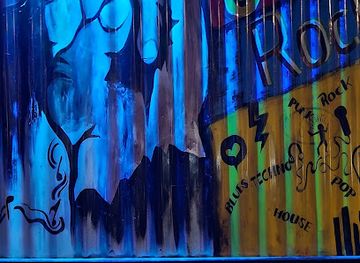
Let's Rock Cafe
Discover the vibrant atmosphere and delicious flavors of Let's Rock Cafe in Old Manali, a perfect blend of culture and cuisine for every traveler.
18 min walk · 1.5 km from neighbourhood centre

Best shops in Vashisht
Shopping in Vashisht is concentrated along the narrow lanes leading towards the temple area and along the approach road, where small stalls and independent shops cater to walkers and long-stay travellers. Visitors can browse woollen clothing, shawls, scarves, jewellery, incense, carved objects, souvenirs and practical mountainwear, though stock and quality vary between businesses. The retail scene is modest rather than a major market destination, and its character comes from browsing among cafés, guesthouses and village homes rather than visiting a planned shopping street. Some goods reflect wider Himachali craft traditions, so it is sensible to ask sellers about provenance instead of assuming that every textile or carving was made locally. Respect the limited space in the lanes, compare items thoughtfully and carry cash for smaller purchases, as card and digital payment facilities may not be consistent.
-
Craft store
Bhuttico Showroom Manali
Discover the essence of Himachali craftsmanship at Bhuttico Showroom in Manali, a treasure trove of handcrafted textiles and traditional crafts.
7 min drive · 2.3 km from neighbourhood centre
-
Clothing store
Shop No.132( Snow Dress)
Shop No.132: Your one-stop destination for adventure gear and outdoor clothing in Manali, Himachal Pradesh.
12 min walk · 1.0 km from neighbourhood centre
-
Gift shop
KOJA (Manali Store)
Explore the vibrant gift shop KOJA in Manali, a paradise for unique souvenirs and handcrafted treasures that embody the spirit of Himachal Pradesh.
7 min drive · 2.5 km from neighbourhood centre
-
Music store
Amit Art Crafts Music Shop
Explore Amit Art Crafts Music Shop in Manali for a unique blend of local music, craftsmanship, and creativity, perfect for tourists and art enthusiasts.
7 min drive · 2.4 km from neighbourhood centre


Vashisht essentials
Getting There
Getting Around
Safety
Emergency Situations
Do's and Don'ts
Local Tips

From Eve
Local phrases worth knowing
You don't need to get them perfect. A few words go a long way, and locals appreciate the effort.
Basics
| English | Local | Say it |
|---|---|---|
| Hello | नमस्ते | [namaste] |
| Goodbye | अलविदा | [alvida] |
| Yes | हाँ | [haan] |
| No | नहीं | [nahin] |
| Please/You're welcome | कृपया | [krupaya] |
| Thank you | धन्यवाद | [dhanyavaad] |
| Excuse me/Sorry | माफ़ कीजिये | [maaf keejiye] |
| How are you? | आप कैसे हैं? | [aap kaise hain?] |
| Fine. And you? | ठीक हूँ। और आप? | [theek hoon. aur aap?] |
| Do you speak English? | क्या आप अंग्रेज़ी बोलते हैं? | [kya aap angrezi bolte hain?] |
| I don't understand | मुझे समझ में नहीं आया | [mujhe samajh mein nahi aaya] |
Eating & Drinking
| English | Local | Say it |
|---|---|---|
| I'd like to see the menu, please | कृपया मेनू दिखाना | [krupaya menu dikhana] |
| I don't eat meat | मैं मांस नहीं खाता/खाती | [main maans nahi khaata/khaati] |
| Cheers! | चियर्स! | [cheers!] |
| I would like to pay, please | कृपया मुझे भुगतान करने दीजिए | [krupaya mujhe bhugtaan karne deejiye] |
Emergencies
| English | Local | Say it |
|---|---|---|
| Help! | बचाओ! | [bachao!] |
| Go away! | चले जाओ! | [chale jao!] |
| Call the Police! | पुलिस को बुलाओ! | [police ko bulaao!] |
| Call a doctor! | डॉक्टर को बुलाओ! | [doctor ko bulaao!] |
| I'm lost | मैं खो गया/गई हूँ | [main kho gaya/gayi hoon] |
| I'm ill | मुझे बीमारी है | [mujhe bimari hai] |
Shopping
| English | Local | Say it |
|---|---|---|
| I'd like to buy... | मैं खरीदना चाहूंगा/चाहूंगी... | [main khareedna chaahunga/chaahoongi...] |
| I'm just looking | मैं सिर्फ देख रहा/रही हूँ | [main sirf dekh raha/rahi hoon] |
| How much is it? | यह कितने का है? | [yah kitne ka hai?] |
| That's too expensive | यह बहुत महंगा है | [yah bahut mahanga hai] |
| Can you lower the price? | क्या आप कीमत कम कर सकते हैं? | [kya aap keemat kam kar sakte hain?] |
Time & Numbers
| English | Local | Say it |
|---|---|---|
| What time is it? | अभी कितने बजे हैं? | [abhi kitne baje hain?] |
| It's one o'clock | एक बजे हैं | [ek baje hain] |
| Half past (10) | दस बजकर पंद्रह मिनट हैं | [das bajkar pandrah minut hain] |
| Morning | सुबह | [subah] |
| Afternoon | दोपहर | [dopahar] |
| Evening | शाम | [shaam] |
| Yesterday | कल | [kal] |
| Today | आज | [aaj] |
| Tomorrow | कल | [kal] |
| 1 | एक | [ek] |
| 2 | दो | [do] |
| 3 | तीन | [teen] |
| 4 | चार | [chaar] |
| 5 | पाँच | [paanch] |
| 6 | छह | [chhah] |
| 7 | सात | [saat] |
| 8 | आठ | [aath] |
| 9 | नौ | [nau] |
| 10 | दस | [das] |
Transport & Directions
| English | Local | Say it |
|---|---|---|
| Where's a/the...? | कहाँ है...? | [kahan hai?] |
| What's the address? | पता क्या है? | [pata kya hai?] |
| Can you show me (on the map)? | क्या आप मुझे दिखा सकते हैं (नक्शे पर)? | [kya aap mujhe dikha sakte hain (nakshay par)?] |
| When's the next (bus)? | अगली (बस) कब है? | [agli (bas) kab hai?] |
| A ticket (to ....) | एक टिकट (के लिए ....) | [ek ticket (ke liye ....)] |
History of Vashisht
A Settlement Linked to Vashistha
Vashisht's traditional identity is rooted in its association with Vashistha, one of the revered sages of Hindu tradition. Local religious memory connects the village and its springs with the sage, giving the settlement a significance that predates its modern role in Himalayan tourism. The temple complex and hot springs remain the clearest expressions of this heritage. Rather than a formally planned historic quarter, Vashisht developed as a mountain settlement shaped by religious practice, terraced land and the practical demands of living on a steep slope above the Beas valley.
Temples and Mountain Village Life
For generations, Vashisht functioned primarily as a small agricultural and religious community linked to the wider settlements of the Kullu and Manali valleys. Its traditional buildings used locally available stone and timber, materials suited to the Himalayan climate and seismic conditions. The Vashisht Temple and the nearby Rama Temple formed enduring communal reference points, while the springs served both ritual and everyday purposes. Seasonal movement through the valley, cultivation on limited terraces and close connections between households shaped a local life very different from the hotel economy that later developed around Manali.
The Rise of Visitor Culture
Improved road access and Manali's growth as a destination brought Vashisht into the orbit of domestic and international tourism during the modern period. Guesthouses, cafés, small shops, yoga centres and informal trekking services gradually joined the older temple and village economy. This change has not erased Vashisht's religious character, but it has made the central lanes more commercially oriented and seasonally busy. Today the settlement balances pilgrimage, local residence and short-term travel, with traditional buildings and sacred spaces existing alongside accommodation and businesses serving visitors.
Vashisht in Photos
Browse through our photo collection highlighting the charm and character of the destination.
Neighbourhoods near Vashisht
The closest neighbourhoods to Vashisht, if you have time for more than one stop.
-

-


Swipe for more neighbourhoods
Explore more
Explore more of Manali
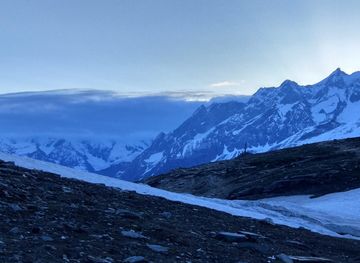
Manali, India blends Himalayan scenery, riverside walks, lively markets, temple culture, outdoor adventures in the Kullu Valley and mountain heritage.
Explore Manali