

Andheri (Mumbai) Travel Guide - Free
Explore Andheri in Mumbai with Evendo's free guide. Find the best shops, historic streets, restaurants, and gems on web or mobile.


Andheri, Mumbai combines airport convenience, film-industry energy, Gilbert Hill, Mahakali Caves, busy markets, dining and lively suburban culture.
Between Airport, Industry and Everyday Mumbai
Andheri is one of Mumbai’s great suburban crossroads, stretching across a broad and varied area north of the city centre. Its two sides are divided by the railway line: Andheri East is shaped by airport access, office districts, hotels and the industrial estates of Chakala and MIDC, while Andheri West is a denser mixture of residential lanes, shopping streets, studios, cafés and entertainment venues. The neighbourhood is busy, practical and intensely urban, with flyovers, local trains, rickshaws and pedestrians continually threading through one another.Read more about Andheri
Older Landscapes in a Modern Suburb
Street Life and Local Orientation
Best attractions in Andheri
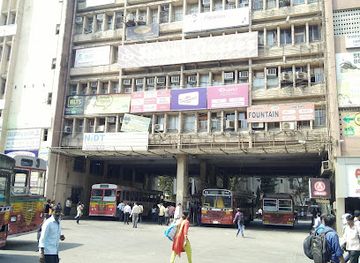
Andheri’s attractions are spread across a large suburban area rather than gathered around one historic centre. Gilbert Hill in Andheri West is the most visually unexpected, a tall column of volcanic basalt rising above the surrounding streets and reached through the Amboli area. On the eastern side, the Mahakali Caves contain rock-cut Buddhist monuments dating from the early centuries of the common era, offering a striking encounter with Mumbai’s pre-modern landscape amid offices and housing. Andheri station itself provides a vivid introduction to the suburb’s commuter intensity, while the streets around Lokhandwala, Four Bungalows and Veera Desai Road reveal its shopping, dining and media-oriented character. Visitors interested in local life can also explore surviving village lanes, old churches and small religious sites, although these are active neighbourhood spaces and should be approached with discretion rather than treated as staged attractions.
-
Public beach
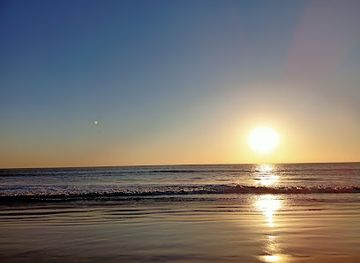
Versova Beach
Discover the unmatched beauty and cultural richness of Versova Beach, a tranquil retreat in the heart of Mumbai's vibrant coastal landscape.
8 min drive · 2.5 km from neighbourhood centre
-
Tourist attraction
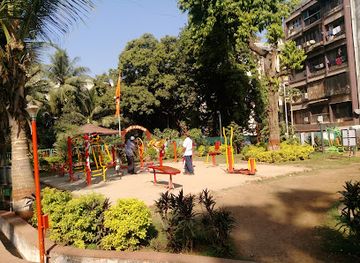
Ramesh More Udyan
Discover Ramesh More Udyan, a peaceful park in Andheri East, perfect for relaxation, family picnics, and enjoying nature in bustling Mumbai.
16 min walk · 1.3 km from neighbourhood centre
-
Tourist attraction
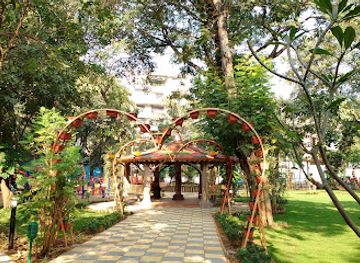
Lallu Bhai Park
Discover tranquility at Lallu Bhai Park, a green oasis in Andheri West, Mumbai, perfect for leisurely strolls, family picnics, and relaxation amidst nature.
16 min walk · 1.3 km from neighbourhood centre
-
Park
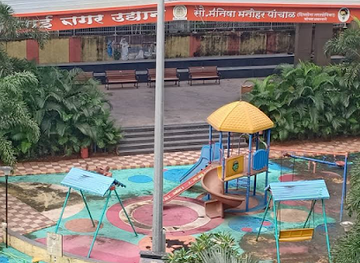
Shivsena Public Garden
Discover the tranquility of Shivsena Public Garden in Andheri East, a peaceful retreat amidst the vibrant life of Mumbai.
5 min drive · 1.5 km from neighbourhood centre
Best landmarks in Andheri
Gilbert Hill is Andheri’s most distinctive natural landmark: a steep, near-vertical basalt formation whose dark rock contrasts sharply with the dense apartment and commercial development around it. The Mahakali Caves in eastern Andheri are the area’s principal archaeological landmark, with rock-cut Buddhist cells and monuments that connect the suburb to the wider history of ancient settlement on Salsette. Andheri station is a landmark of a different kind, an important railway and transport node whose footbridges, platforms and adjoining roads express the scale of Mumbai’s suburban system. Older village lanes, churches and shrines around Amboli and other pockets provide further evidence of the landscape that preceded large-scale urbanisation. These places are significant because they reveal the layers beneath modern Andheri rather than because the suburb has a single ceremonial centre.
-
Tourist attraction
Silver Beach
Experience the serene beauty and vibrant culture of Silver Beach in Mumbai, a perfect getaway for relaxation and local flavors.
7 min drive · 2.2 km from neighbourhood centre
-
Train station
Andheri
Discover the heart of Mumbai at Andheri Railway Station, a bustling hub connecting you to the city's vibrant culture and attractions.
11 min walk · 0.9 km from neighbourhood centre
-
Public beach
Versova Beach
Discover the beauty of Versova Beach in Mumbai, where golden sands meet vibrant local culture and breathtaking sunsets.
8 min drive · 2.5 km from neighbourhood centre
-
Escape room center
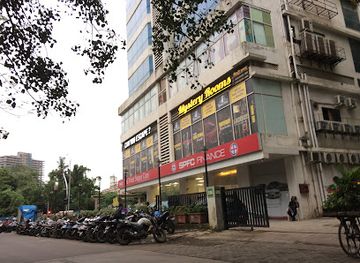
Mystery Rooms, Andheri Mumbai - OFFICIAL Escape Rooms
Experience the thrill of escape at Mystery Rooms, Andheri Mumbai, where adventure meets mystery in an unforgettable setting.
18 min walk · 1.4 km from neighbourhood centre

Explore Andheri on the map
A handpicked selection of must-see spots in Andheri, mapped for you.
Best hotels in Andheri
Best restaurants in Andheri
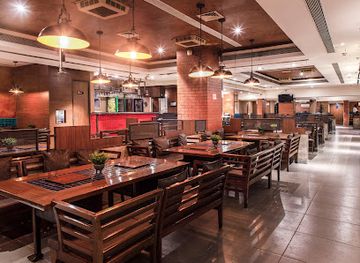
Andheri’s food scene reflects the suburb’s size, commuter population and long-standing mixture of communities. Around the station and S V Road, visitors find quick breakfasts, South Indian tiffin, Gujarati and Maharashtrian snacks, bakeries, kebabs and informal meals designed for a busy working day. Western Andheri’s Lokhandwala, Four Bungalows and Veera Desai Road areas offer a broader restaurant and café choice, including vegetarian dining, regional Indian cuisines and contemporary casual venues. Eastern Andheri, particularly around Chakala, Marol and the airport-facing business districts, caters to office workers and travellers with hotel restaurants, cafés and delivery-oriented establishments. The area is not defined by one signature dish; its appeal lies in the practical range available across market streets, residential corners and commercial complexes. Menus and individual businesses change frequently, so local recommendations and current listings are useful for choosing a particular venue.
-
Barbecue
Indian BBQ Co.
Experience authentic Indian barbecue at Indian BBQ Co., where every bite is infused with tradition and flavor in the heart of Mumbai.
18 min walk · 1.5 km from neighbourhood centre
-
South Indian
The Tanjore Tiffin Room
Savor authentic Chettinad cuisine at The Tanjore Tiffin Room in Mumbai—where every dish tells a story of tradition and flavor.
7 min drive · 2.4 km from neighbourhood centre
Best nightclubs in Andheri
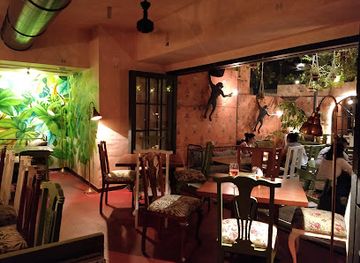
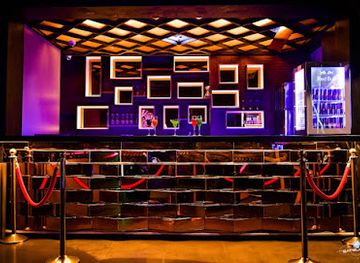
Nightlife is concentrated chiefly in Andheri West, where the Lokhandwala, Veera Desai Road and Four Bungalows areas support a changing mix of bars, lounges, casual evening venues and entertainment-oriented restaurants. The atmosphere varies from after-work gatherings and low-key drinks to louder late-evening spaces, with some venues drawing on the suburb’s connection to film, television and advertising. Andheri East has a more business-travel and hotel-based evening scene around Chakala, Marol and the airport corridor, while industrial pockets are comparatively quiet after office hours. Traffic and venue turnover can be considerable, so a place that appears established in older recommendations may no longer operate in the same form. Use reputable transport after dark, check current entry arrangements directly and be considerate around residential buildings sharing streets with nightlife.
-
Night club
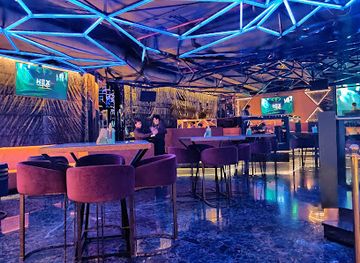
Club - HEX - High Energy Xperience - Andheri
Unleash your energy at Club HEX, Mumbai's top nightlife destination, blending electrifying music and exquisite cocktails for an unforgettable night.
17 min walk · 1.4 km from neighbourhood centre
-
Night club
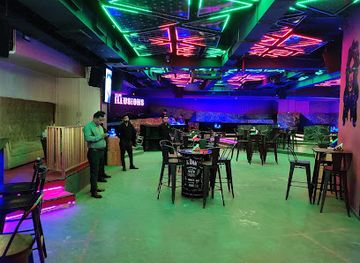
Club Illusions
Dive into Mumbai's nightlife at Club Illusions, where vibrant energy, unique cocktails, and unforgettable music create the perfect party atmosphere.
5 min drive · 1.8 km from neighbourhood centre
-
Night club
IMMORTAL CLUB
Discover the electrifying atmosphere of IMMORTAL CLUB, Mumbai's top nightlife destination, where unforgettable nights and vibrant parties await.
13 min walk · 1.0 km from neighbourhood centre
-
Night club
Satellite - The Club
Dive into Mumbai's nightlife at Satellite - The Club, where vibrant energy, great music, and unforgettable experiences await!
13 min walk · 1.0 km from neighbourhood centre
Best shops in Andheri
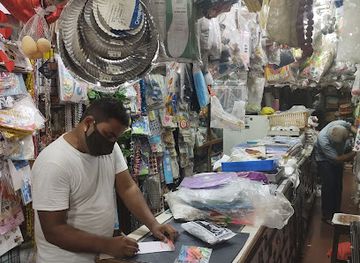
Shopping in Andheri is varied and strongly local in character. The station precinct and S V Road are useful for everyday clothing, mobile accessories, household goods, pharmacies, snacks and small services, with dense pavements and market activity around transport routes. In western Andheri, the Lokhandwala area has a more fashion- and lifestyle-oriented retail scene, alongside salons, cafés, independent service businesses and stalls selling practical goods. Eastern Andheri’s Chakala and Marol districts are shaped more by office workers, residential complexes and convenience retail than by a single destination market. Visitors looking for souvenirs should not expect a specialised craft quarter; the interest lies in observing how informal stalls, neighbourhood shops and contemporary commercial spaces serve a large resident population. Bargaining may be appropriate in some informal markets, but not in fixed-price shops and branded stores.
-
Department store
Shoppers Stop
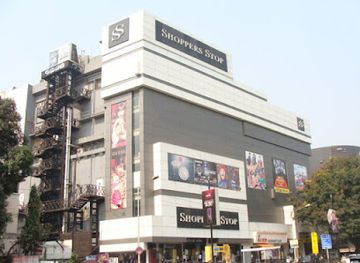
Discover the ultimate shopping experience at Shoppers Stop in Mumbai, featuring top brands, trendy apparel, and stylish accessories for every taste.
14 min walk · 1.1 km from neighbourhood centre
-
Gift shop
Azad Stores
Explore Azad Stores in Andheri East for unique gifts, antiques, and handcrafted treasures that capture the essence of Mumbai.
12 min walk · 1.0 km from neighbourhood centre
-
Women's clothing store
No Name Shop Andheri
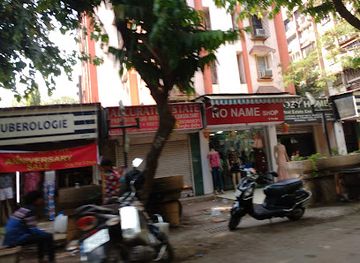
Explore the eclectic styles and unique fashion finds at No Name Shop in Andheri, Mumbai, a hidden gem for women's clothing enthusiasts.
6 min drive · 2.1 km from neighbourhood centre
-
Gift shop
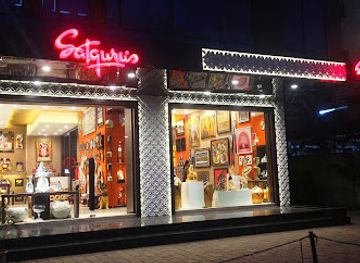
Satguru's - Handicraft & Gifts Shop Andheri west
Explore the essence of Indian craftsmanship at Satguru's Handicraft & Gifts Shop in Andheri West, a must-visit for unique gifts and home decor.
13 min walk · 1.0 km from neighbourhood centre
Andheri essentials
Getting There
Getting Around
Safety
Emergency Situations
Do's and Don'ts
Local Tips

From Eve
Local phrases worth knowing
You don't need to get them perfect. A few words go a long way, and locals appreciate the effort.
Basics
| English | Local | Say it |
|---|---|---|
| Hello | नमस्कार | [Namaskar] |
| Goodbye | अलविदा | [Alvida] |
| Yes | हाँ | [Haan] |
| No | नहीं | [Nahi] |
| Please/You're welcome | कृपया | [Kripaya] |
| Thank you | धन्यवाद | [Dhanyavad] |
| Excuse me/Sorry | क्षमा करें | [Kshama karein] |
| How are you? | आप कैसे हैं? | [Aap kaise hain?] |
| Fine. And you? | ठीक हूँ। आप? | [Theek hoon. Aap?] |
| Do you speak English? | क्या आप अंग्रेज़ी बोल सकते हैं? | [Kya aap angrezi bol sakte hain?] |
| I don't understand | मुझे समझ में नहीं आया | [Mujhe samajh mein nahi aaya] |
Eating & Drinking
| English | Local | Say it |
|---|---|---|
| I'd like to see the menu, please | कृपया मेनू दिखाएं | [Kripaya menu dikhayein] |
| I don't eat meat | मैं मांस नहीं खाता/खाती | [Main maans nahi khaata/khaati] |
| Cheers! | चियर्स! | [Cheers!] |
| I would like to pay, please | कृपया मैं भुगतान करना चाहूँ | [Kripaya main bhugtan karna chaahoon] |
Emergencies
| English | Local | Say it |
|---|---|---|
| Help! | बचाओ! | [Bachao!] |
| Go away! | चले जाओ! | [Chale jao!] |
| Call the Police! | पुलिस को बुलाओ! | [Police ko bulao!] |
| Call a doctor! | डॉक्टर को बुलाओ! | [Doctor ko bulao!] |
| I'm lost | मैं खो गया/गई हूँ | [Main kho gaya/gayi hoon] |
| I'm ill | मुझे बीमारी है | [Mujhe bimari hai] |
Shopping
| English | Local | Say it |
|---|---|---|
| I'd like to buy... | मैं ... खरीदना चाहूँ | [Main ... khareedna chaahoon] |
| I'm just looking | मैं बस देख रहा/रही हूँ | [Main bas dekh raha/rahi hoon] |
| How much is it? | यह कितने का है? | [Yeh kitne ka hai?] |
| That's too expensive | यह बहुत महंगा है | [Yeh bahut mehnga hai] |
| Can you lower the price? | क्या आप कीमत कम कर सकते हैं? | [Kya aap keemat kam kar sakte hain?] |
Time & Numbers
| English | Local | Say it |
|---|---|---|
| What time is it? | अब कितने बजे हैं? | [Ab kitne baje hain?] |
| It's one o'clock | एक बजे हैं | [Ek baje hain] |
| Half past (10) | दस बजे तक | [Das baje tak] |
| Morning | सुबह | [Subah] |
| Afternoon | दोपहर | [Dopahar] |
| Evening | शाम | [Shaam] |
| Yesterday | कल | [Kal] |
| Today | आज | [Aaj] |
| Tomorrow | कल | [Kal] |
| 1 | एक | [Ek] |
| 2 | दो | [Do] |
| 3 | तीन | [Teen] |
| 4 | चार | [Char] |
| 5 | पांच | [Paanch] |
| 6 | छह | [Chhe] |
| 7 | सात | [Saath] |
| 8 | आठ | [Aath] |
| 9 | नौ | [Nau] |
| 10 | दस | [Das] |
Transport & Directions
| English | Local | Say it |
|---|---|---|
| Where's a/the...? | ... कहाँ है? | [... kahan hai?] |
| What's the address? | पता क्या है? | [Pata kya hai?] |
| Can you show me (on the map)? | क्या आप मुझे दिखा सकते हैं (नक्शे पर)? | [Kya aap mujhe dikhha sakte hain (nakse par)?] |
| When's the next (bus)? | अगली (बस) कब है? | [Agli (bus) kab hai?] |
| A ticket (to ....) | एक टिकट (.... के लिए) | [Ek ticket (.... ke liye)] |
History of Andheri
Villages and Early Suburban Growth
Before Andheri became a major suburban centre, the area contained village settlements, agricultural land, coastal marshes and routes linking the island city with the northern parts of Salsette. The name is commonly associated with the local form of Andheri, though its precise linguistic origins are debated. Churches, village lanes and older religious sites preserve traces of this earlier landscape. Railway expansion transformed the area by improving connections with Bombay, encouraging residential growth and beginning the shift from a largely semi-rural setting towards a commuter suburb.
Railways and the Making of a Suburb
The opening and expansion of Western Railway services made Andheri increasingly important as Mumbai’s northern suburbs developed. Andheri station became a major interchange between residential neighbourhoods, buses and road traffic, while new housing and commercial activity grew around it. The railway also reinforced the distinction between the eastern and western sides of the suburb. Roads towards the airport, industrial estates and the western coastal districts created several overlapping centres rather than a single, formally defined town core.
Industry, Airport and the Eastern Corridor
Post-independence urbanisation brought factories, warehouses, offices and worker housing to eastern Andheri, particularly around Chakala, Marol and the MIDC area. The development of Santacruz Airport, now Chhatrapati Shivaji Maharaj International Airport, further increased the strategic importance of the eastern corridor. Hotels, corporate offices and transport infrastructure followed, while older villages and religious sites remained embedded within the expanding built environment. This mixture explains why Andheri East has a more business- and airport-oriented character than much of Andheri West.
Media, Real Estate and Contemporary Andheri
From the late twentieth century onwards, Andheri West became closely associated with Mumbai’s film, television and advertising economy, alongside rapid apartment construction and commercial development. Studio work, production offices and entertainment businesses contributed to the area’s cultural visibility, while shopping and dining districts emerged around Lokhandwala, Veera Desai Road and the station. Metro construction, flyovers and continuing redevelopment have altered movement through the suburb, but the result remains layered rather than uniform: older churches, villages and rock-cut heritage stand beside towers, offices and heavily used transport routes.
Andheri in Photos
Browse through our photo collection highlighting the charm and character of the destination.
Neighbourhoods near Andheri
The closest neighbourhoods to Andheri, if you have time for more than one stop.
-

-

-

-


Swipe for more neighbourhoods
Explore more

Explore more of Mumbai
Mumbai, India, blends colonial landmarks, Bollywood energy, coastal promenades, grand markets and neighbourhood cuisines into a layered urban journey.
Explore Mumbai