

Old Nashik (Nashik) Travel Guide - Free
Explore Old Nashik in Nashik with Evendo's free guide. Find the best shops, historic streets, restaurants, and gems on web or mobile.


Old Nashik in Nashik, India, brings together Godavari ghats, temple history, sacred walks, local markets, Marathi food and the living character of the old city.
Along the Godavari
Old Nashik is the historic heart of Nashik, gathered around the Godavari River, its bathing ghats, temple lanes and long-established bazaars. The area is best understood as a living urban quarter rather than a single formally bounded district: the old riverfront and central lanes connect naturally with Panchavati, the historic neighbourhood on the northern bank. At Ramkund, pilgrims perform rituals beside the water, while residents cross the surrounding streets for shopping, worship and everyday errands.Read more about Old Nashik
Temple Streets and Historic Layers
Bazaars and Everyday Nashik
Best attractions in Old Nashik
Old Nashik’s principal attraction is the Godavari riverfront, where the steps and ritual spaces of Ramkund form the centre of religious and public life. Nearby Kapaleshwar Temple provides an intimate temple visit close to the water, while Naroshankar Temple adds a significant riverside architectural stop with its prominent bell tower. The lanes leading towards Saraf Bazaar reveal the working character of the old centre through small shops, shrines, food stalls and older houses. Across the river, neighbouring Panchavati extends the historic circuit with Kalaram Temple, Sita Gufa and other religious sites, making it a natural companion rather than a substitute for Old Nashik. The area is best explored as a slow walking route between water, worship and commerce, with attention to ongoing rituals and residents’ daily routines.
-
Tourist attraction
Ved Mandir
Experience the spiritual serenity of Ved Mandir, a stunning Hindu temple in Nashik, where culture and tranquility intertwine.
6 min drive · 2.0 km from neighbourhood centre
-
Tourist attraction
Panchavati Museum
Explore Nashik's cultural legacy at Panchavati Museum, where history and art converge in a beautiful setting.
5 min walk · 0.4 km from neighbourhood centre
-
Tourist attraction
Nashik views
Experience the breathtaking vistas and serene beauty of Nashik Views, a must-visit tourist attraction in Maharashtra offering unforgettable panoramic landscapes.
9 min walk · 0.7 km from neighbourhood centre
-
Tourist attraction
गाडगे महाराज पूल, गोदावरी नदी
Discover the tranquil beauty of Gaonde Maharaaj Pool in Nashik, a serene escape rich in culture and natural splendor.
13 min walk · 1.0 km from neighbourhood centre


Best landmarks in Old Nashik
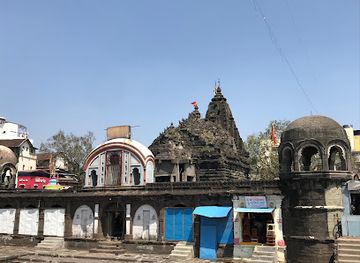
Ramkund is Old Nashik’s defining landmark: a stepped riverfront tank and ghat complex on the Godavari associated with ritual bathing, ceremonies and pilgrimage. Close by, Kapaleshwar Temple is notable for its riverside position and its importance within the local Shiva tradition. Naroshankar Temple, also beside the river, is recognised for its historic temple architecture and tall bell tower, which forms part of the old city’s visual identity. The ghats, connecting steps, small shrines and market-facing lanes are significant collectively, because they show how worship and commerce shaped Nashik’s historic centre. The Kalaram Temple is an important nearby landmark in Panchavati on the opposite bank, but its separate setting should be kept geographically distinct from Old Nashik’s southern riverfront.
-
Hindu temple
Shree Kalaram Mandir Sansthan
Explore the spiritual essence of India at Shree Kalaram Mandir in Nashik, a stunning temple rich in history and cultural significance.
17 min walk · 1.3 km from neighbourhood centre
-
Historical landmark
SARDA CIRCLE
Explore Sarda Circle in Nashik, a historical landmark that embodies the cultural heritage of Maharashtra amidst vibrant local life.
3 min walk · 0.3 km from neighbourhood centre
-
Hindu temple
Naroshankar Temple
Explore the divine beauty and intricate architecture of Naroshankar Temple, a serene Hindu sanctuary in Nashik, Maharashtra.
14 min walk · 1.2 km from neighbourhood centre
-
Hindu temple
Sundar narayan mandir
Experience the serene beauty and spiritual essence of Sundar Narayan Mandir, a captivating Hindu temple in Nashik, Maharashtra.
18 min walk · 1.4 km from neighbourhood centre



Explore Old Nashik on the map
A handpicked selection of must-see spots in Old Nashik, mapped for you.
Best hotels in Old Nashik
Best restaurants in Old Nashik
Eating in Old Nashik is closely tied to the practical life of the old centre, where small eateries, snack counters, sweet shops and vegetarian dining rooms serve residents, pilgrims and shoppers. Local Maharashtrian flavours are easy to seek out, particularly misal, poha, sabudana-based breakfasts, bhajaniche thalipeeth, kanda bhaji and simple thali meals, although individual menus vary. Around the market streets and approaches to the riverfront, visitors may also find tea, seasonal drinks, sweets and familiar North Indian options. The strongest food experience is less about a formal restaurant district than about eating during a bazaar walk and noticing how religious travel, local commerce and everyday breakfast culture overlap. Hygiene, crowding and opening patterns differ between establishments, so choose busy premises with clear food turnover and ask locally for current recommendations.
-
Indian
Shree Rajbhog Thali, Mumbai Naka | Best thali restaurant in nashik | Best food in Nashik | Veg thali in Nashik
Discover the best vegetarian thali at Shree Rajbhog Thali in Nashik - a culinary delight blending Gujarati and Rajasthani flavors.
15 min walk · 1.2 km from neighbourhood centre
-
Non Vegetarian Restaurant
Mughal Darbar
Experience the rich flavors of Mughlai and Chinese cuisine at Mughal Darbar in Nashik - a true delight for food enthusiasts.
7 min walk · 0.6 km from neighbourhood centre
-
Biryani
Kokni Darbar Restaurant
Discover authentic Mughlai flavors at Kokni Darbar Restaurant - Nashik's premier destination for biryani lovers and seafood enthusiasts.
6 min walk · 0.5 km from neighbourhood centre
-
North Indian
Haji Darbar Restaurant
Savor the essence of North Indian cuisine at Haji Darbar Restaurant - your gateway to delicious kebabs and Mughlai delicacies in Nashik.
4 min walk · 0.3 km from neighbourhood centre


Best nightclubs in Old Nashik
Old Nashik is not primarily a bar or nightclub district. After dark, the old centre is more closely associated with temple visits, evening movement around the Godavari, tea stalls, sweet shops and family-oriented eating than with late-night entertainment. Some restaurants and licensed venues elsewhere in Nashik provide conventional evening drinking, but they should not be presented as part of the historic riverfront without checking the exact location. Around Ramkund and the temple lanes, visitors should keep voices and clothing respectful, avoid obstructing ceremonies and use a known auto-rickshaw or taxi for later journeys. Festival evenings can bring considerable activity, though the character is religious and civic rather than club-based; crowds, access and road arrangements may change during major observances.
-
Pub
The Atomic Spirits
Discover the vibrant nightlife of Nashik at The Atomic Spirits, a lively pub offering a wide range of drinks and delicious food.
5 min drive · 1.8 km from neighbourhood centre
-
Bar
The Escape Lounge
Experience the vibrant nightlife at The Escape Lounge, a stylish bar in Nashik with a diverse drink menu and a lively atmosphere perfect for socializing.
8 min walk · 0.7 km from neighbourhood centre
-
Night club
ISHU Pandey hu
Discover the vibrant nightlife of Nashik at ISHU Pandey hu, a premier night club offering exhilarating music and a lively atmosphere for all.
6 min drive · 1.9 km from neighbourhood centre
-
Night club
Nashik ganesh
Experience the vibrant nightlife of Nashik at Nashik Ganesh, where pulsating music and a lively atmosphere await you.
5 min walk · 0.4 km from neighbourhood centre


Best shops in Old Nashik
Shopping in Old Nashik is concentrated in traditional commercial lanes rather than a single modern retail complex. Saraf Bazaar is associated with jewellery and goldsmiths, while Main Road and adjoining streets support clothing shops, household businesses, religious merchandise, sweets and everyday provisions. Around the riverfront and approaches to Panchavati, small vendors cater to pilgrims with flowers, offerings, devotional objects and snacks. The experience is practical and local, with shopfronts opening directly onto busy lanes and purchasing often combined with temple visits. Visitors interested in jewellery or precious metals should compare established businesses and request proper documentation; for smaller purchases, carrying modest cash can be useful, although digital payments are common. The old centre is better suited to browsing, observing specialist commerce and buying religious or edible gifts than to searching for large-scale international brands.
-
Gift shop
Sneh Enterprises
Explore the charm of Sneh Enterprises in Nashik, where unique handicrafts, antiques, and handcrafted furniture await to enrich your travel experience.
14 min walk · 1.1 km from neighbourhood centre
-
 Gift shop
KGN BEAUTY COLLECTION
Explore KGN Beauty Collection in Nashik for unique cosmetics, jewelry, and boutique gifts that capture the essence of local culture and craftsmanship.
2 min walk · 0.2 km from neighbourhood centre
-
Gift shop
Archies
Explore Archies in Nashik for unique gifts, delightful cards, and souvenirs that capture the spirit of your travels.
3 min walk · 0.2 km from neighbourhood centre
-
Women's clothing store
Unique Rajeshahi_THE WHOMENS BRAND
Explore Unique Rajeshahi in Nashik for an exquisite collection of women's clothing blending traditional elegance with modern styles.
13 min walk · 1.1 km from neighbourhood centre


Old Nashik essentials
Getting There
Getting Around
Safety
Emergency Situations
Do's and Don'ts
Local Tips

From Eve
Local phrases worth knowing
You don't need to get them perfect. A few words go a long way, and locals appreciate the effort.
Basics
| English | Local | Say it |
|---|---|---|
| Hello | नमस्कार | [namaskar] |
| Goodbye | अलविदा | [alvida] |
| Yes | हो | [ho] |
| No | नाही | [nahi] |
| Please/You're welcome | कृपया | [krupaya] |
| Thank you | धन्यवाद | [dhanyavad] |
| Excuse me/Sorry | क्षमा करा | [kshama kara] |
| How are you? | तुमचं कसं आहे? | [tumachn kasn aahe?] |
| Fine. And you? | उत्तम. आणि तुम्ही? | [uttam. ani tumhi?] |
| Do you speak English? | तुम्हाला इंग्रजी येते का? | [tumhala ingraji yete ka?] |
| I don't understand | मला समजत नाही | [mala samjat nahi] |
Eating & Drinking
| English | Local | Say it |
|---|---|---|
| I'd like to see the menu, please | कृपया मेनू पहा | [krupaya menu paha] |
| I don't eat meat | मी मांस खात नाही | [mi mans khat nahi] |
| Cheers! | चियर्स! | [chiyars!] |
| I would like to pay, please | कृपया मी भरून घेऊ इच्छितो | [krupaya mi bharun gheu ichchhito] |
Emergencies
| English | Local | Say it |
|---|---|---|
| Help! | मदत! | [madat!] |
| Go away! | ओळख! | [olakh!] |
| Call the Police! | पोलीसला कॉल करा! | [polisla kol kara!] |
| Call a doctor! | डॉक्टरला कॉल करा! | [doktorla kol kara!] |
| I'm lost | मी हरलो | [mi harlo] |
| I'm ill | मला आजारी आहे | [mala azari aahe] |
Shopping
| English | Local | Say it |
|---|---|---|
| I'd like to buy... | मला विकत घेण्याची इच्छा आहे... | [mala vikat ghenyachi ichcha aahe...] |
| I'm just looking | मी फक्त पहात आहे | [mi fakt pahat aahe] |
| How much is it? | ते किती आहे? | [te kiti aahe?] |
| That's too expensive | ते खूप महाग आहे | [te khup mahag aahe] |
| Can you lower the price? | किंमत कमी करण्याची संभावना आहे का? | [kimat kemi karnyachi sambhavna aahe ka?] |
Time & Numbers
| English | Local | Say it |
|---|---|---|
| What time is it? | आता किती वाजलं आहे? | [ata kiti vajaln aahe?] |
| It's one o'clock | हे एक वाजलं आहे | [he ek vajaln aahe] |
| Half past (10) | दहा वाजता | [daha vajta] |
| Morning | सकाळ | [sakal] |
| Afternoon | दुपार | [dupar] |
| Evening | संध्याकाळ | [sandhyakal] |
| Yesterday | काल | [kal] |
| Today | आज | [aj] |
| Tomorrow | उद्या | [udya] |
| 1 | एक | [ek] |
| 2 | दोन | [don] |
| 3 | तीन | [tin] |
| 4 | चार | [char] |
| 5 | पाच | [pach] |
| 6 | सहा | [saha] |
| 7 | सात | [sat] |
| 8 | आठ | [ath] |
| 9 | नऊ | [nau] |
| 10 | दहा | [daha] |
Transport & Directions
| English | Local | Say it |
|---|---|---|
| Where's a/the...? | ...कुठे आहे? | [...kuthe aahe?] |
| What's the address? | पत्ता काय आहे? | [patta kay aahe?] |
| Can you show me (on the map)? | मला दाखवू शकता का (मानावर)? | [mala dakhavu shakta ka (manavar)?] |
| When's the next (bus)? | पुढचा (बस) कधी आहे? | [puddhacha (bas) kadhi aahe?] |
| A ticket (to ....) | एक टिकिट (...ला) | [ek ticket (...la)] |
History of Old Nashik
Nashik’s Sacred River Setting
The old city developed beside the Godavari, whose appearance in Nashik has long shaped the area’s religious identity and urban form. Ghats, temples and pilgrimage routes grew around places where worshippers could approach the river, with Ramkund becoming the best-known ritual focus. The settlement’s sacred geography also helped connect the southern riverbank with Panchavati on the north. Rather than existing as an isolated monument precinct, the riverfront became part of an inhabited town of homes, shrines, trading streets and services for residents and pilgrims.
Temple Building and the Old Core
Much of Old Nashik’s visible character comes from the growth of temple institutions and riverside religious architecture in the early modern and modern periods. Kapaleshwar Temple near Ramkund and Naroshankar Temple beside the Godavari anchor important points in the historic centre, while Panchavati’s Kalaram Temple added another major focus across the river. Around these sites, lanes, rest houses, small shrines and commercial premises developed to support worship and pilgrimage. The resulting townscape is layered rather than uniform, combining sacred buildings with ordinary market streets and older residential fabric.
Pilgrimage, Markets and Public Life
As Nashik became an established pilgrimage centre, the old quarter’s economy was shaped by visitors seeking ritual bathing, temple darshan, religious goods, food and accommodation. The Godavari ghats became public spaces used for ceremonies as well as daily movement, while bazaars such as Saraf Bazaar served enduring commercial needs. Religious calendars continue to influence the area’s rhythm, with crowds increasing during major observances and pilgrimage gatherings. This combination of devotion, trade and domestic life explains why Old Nashik remains an active neighbourhood rather than a preserved historical set.
A Living Heritage District
Modern roads, municipal works and expanding Nashik have altered access to the old centre, but the historic riverfront and temple lanes remain central to the city’s identity. Conservation pressures coexist with ordinary urban demands: buildings need maintenance, traffic competes with pedestrian movement, and the ghats must serve both residents and large religious gatherings. Contemporary Old Nashik therefore has no single architectural period or social character. Its significance lies in the continuing relationship between the Godavari, active temples, local commerce and the everyday life of Nashik’s older communities.
Old Nashik in Photos
Browse through our photo collection highlighting the charm and character of the destination.
Neighbourhoods near Old Nashik
The closest neighbourhoods to Old Nashik, if you have time for more than one stop.
-

-
-

-


Swipe for more neighbourhoods
Explore more

Explore more of Nashik
Nashik blends ancient temples, Godavari ghats, vineyard trails and Maharashtrian culture, offering fascinating history, scenic sightseeing and memorable local experiences.
Explore Nashik