

Koregaon Park (Pune) Travel Guide - Free
Explore Koregaon Park in Pune with Evendo's free guide. Find the best shops, historic streets, restaurants, and gems on web or mobile.


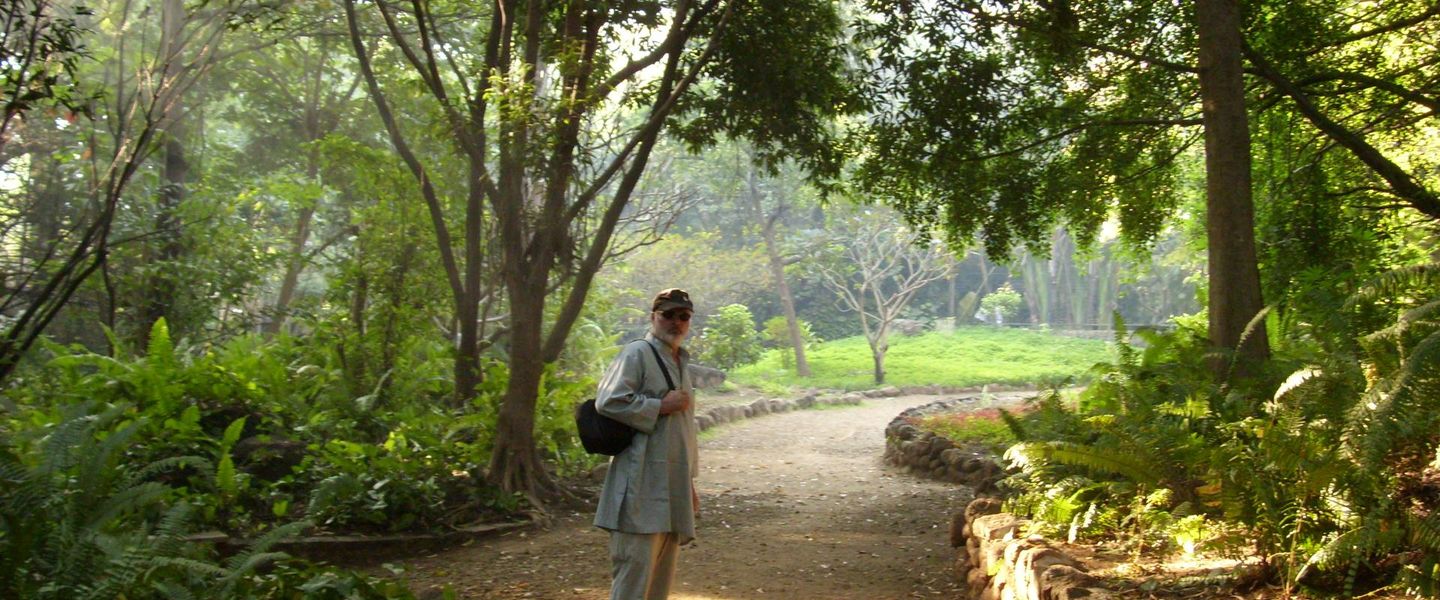


Koregaon Park, Pune blends leafy lanes, Osho’s meditation heritage, cafés, restaurants, boutiques and lively evenings near the Mula-Mutha River.
Leafy Lanes and Urban Energy
Koregaon Park occupies a distinctive pocket of eastern Pune, laid out around tree-lined lanes between the Mula-Mutha River and the busy roads leading towards Kalyani Nagar and Yerawada. Once known chiefly for spacious homes, gardens and quiet residential streets, it now combines bungalow-lined avenues with cafés, restaurants, boutiques, meditation centres, design studios and late-evening venues. Its numbered lanes give the area a recognisable rhythm, although the atmosphere changes markedly from one stretch to another.Read more about Koregaon Park
Meditation, Gardens and Modern Pune
Everyday Street Life
Best attractions in Koregaon Park
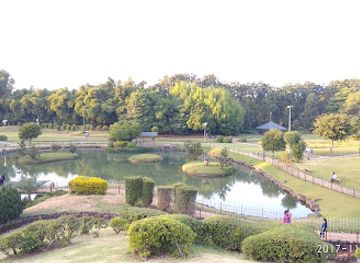
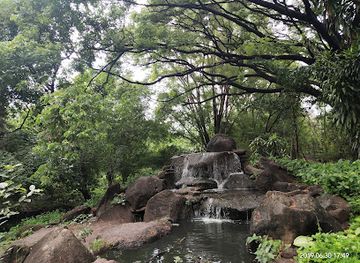
Koregaon Park’s principal attractions are concentrated around its leafy streets, the Osho International Meditation Resort and Osho Teerth Park. The resort is a major contemporary spiritual centre whose programmes, meditation spaces and landscaped campus have shaped the neighbourhood’s international reputation; access is subject to its own visitor arrangements. Osho Teerth Park provides a quieter setting beside the developed lanes, with planted paths and water features offering a respite from traffic. Koregaon Park Road and the numbered lanes are attractions in their own right for visitors interested in old compounds, cafés, design-led businesses and the changing texture of eastern Pune. The Aga Khan Palace, a major historical site, is nearby in Yerawada rather than within Koregaon Park, while Bund Garden lies close to the neighbourhood’s northern side and can be combined with an eastern Pune outing.
-
Park
Jogger's Park
Explore the serene beauty of Jogger's Park in Pune, a perfect retreat for fitness lovers and families amidst lush greenery and tranquil gardens.
5 min drive · 1.7 km from neighbourhood centre
-
Amusement center
Mystery Rooms - Koregaon Park, Pune (OFFICIAL Escape Rooms)
Experience thrilling escape adventures at Mystery Rooms in Pune, where teamwork and puzzle-solving unite for a memorable outing.
8 min walk · 0.6 km from neighbourhood centre
-
Park
Damodar wagaskar Garden
Explore the lush greenery and tranquil pathways of Damodar Wagaskar Garden, a serene escape in the heart of Pune, perfect for relaxation and nature walks.
5 min walk · 0.4 km from neighbourhood centre
-
Museum
Bliss Art Gallery
Explore the vibrant world of art at Bliss Art Gallery, a serene haven in Pune showcasing local and contemporary artworks.
5 min walk · 0.4 km from neighbourhood centre
Best landmarks in Koregaon Park
Koregaon Park’s most significant landmarks are closely tied to its modern identity rather than to a concentration of ancient monuments. The Osho International Meditation Resort is the defining institutional landmark, occupying a substantial landscaped campus that has drawn international visitors since the 1970s. Adjacent Osho Teerth Park is notable for turning a previously degraded watercourse landscape into a planted urban garden. The neighbourhood’s mature trees, bungalow compounds and numbered lanes are also important elements of its townscape, preserving traces of the garden-suburb character that preceded today’s commercial growth. German Bakery on Koregaon Park Road has become a locally recognisable cultural reference as well as a dining establishment, particularly because of the 2010 bombing. The Aga Khan Palace and Bund Garden are important nearby landmarks, but they belong geographically to the surrounding eastern Pune area rather than to Koregaon Park itself.
-
Garden
Osho Garden
Discover tranquility at Osho Garden in Pune, where nature meets serenity in a captivating garden retreat.
5 min walk · 0.4 km from neighbourhood centre
-
Park
Osho Teerth Park
Experience tranquility and spirituality at Osho Teerth Park, a beautiful park in Pune, Maharashtra, filled with art, nature, and serene meditation spaces.
5 min walk · 0.4 km from neighbourhood centre
-
Amusement center
Mystery Rooms - Koregaon Park, Pune (OFFICIAL Escape Rooms)
Experience the thrill of escape at Mystery Rooms in Pune—where puzzles and excitement collide in an unforgettable adventure.
8 min walk · 0.6 km from neighbourhood centre
-
Art gallery
The Monalisa Kalagram
Discover the enchanting Monalisa Kalagram in Pune—an art gallery that merges creativity with local culinary delights in a serene setting.
12 min walk · 0.9 km from neighbourhood centre
Explore Koregaon Park on the map
A handpicked selection of must-see spots in Koregaon Park, mapped for you.
Best hotels in Koregaon Park
Best restaurants in Koregaon Park
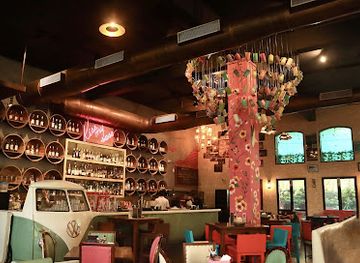
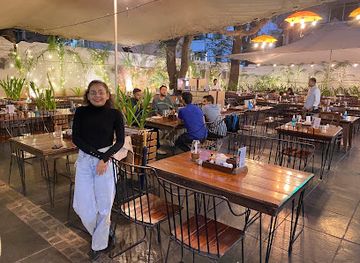
Koregaon Park has one of Pune’s broadest concentrations of cafés and restaurants, reflecting the neighbourhood’s long association with international visitors, young professionals and affluent residential life. Bakeries and casual cafés sit alongside Indian regional cooking, Asian food, vegetarian menus and contemporary Western-style dining, with much of the activity clustered along Koregaon Park Road and the numbered commercial lanes. German Bakery remains a prominent name in the area’s food history, while establishments such as Malaka Spice and Shisha Jazz Café have been associated with the neighbourhood’s more cosmopolitan dining culture. Menus and businesses change, so the area is better understood through its range of formats than through a fixed list of venues. Outdoor seating, converted bungalows and low-rise restaurant spaces are recurring features, although traffic, parking and peak-time crowds can affect the experience.
-
Restaurant
The Sassy Spoon Pune
Experience exquisite Continental and European cuisine at The Sassy Spoon in Pune's Koregaon Park - a true gastronomic delight.
7 min walk · 0.5 km from neighbourhood centre
-
North Indian
Prem's Restaurant
Explore the rich flavors of North India at Prem's Restaurant in Koregaon Park – where culinary tradition meets modern dining.
4 min walk · 0.4 km from neighbourhood centre
-
European
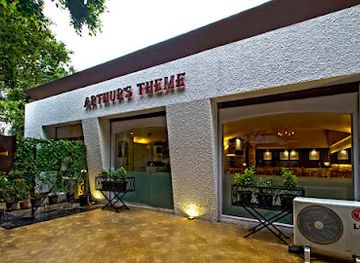
Arthur's Theme
Discover the exquisite flavors of Europe at Arthur's Theme - Pune's premier destination for authentic Italian cuisine and delightful pizzas.
6 min walk · 0.5 km from neighbourhood centre
-
South Indian
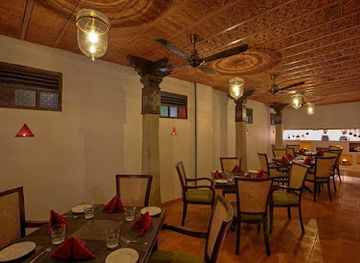
Savya Rasa
Experience authentic Tamilian & Kerala cuisine at Savya Rasa – Pune's premier South Indian dining destination.
11 min walk · 0.9 km from neighbourhood centre
Best bars in Koregaon Park
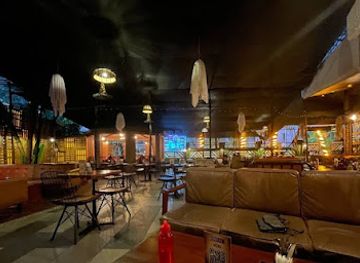
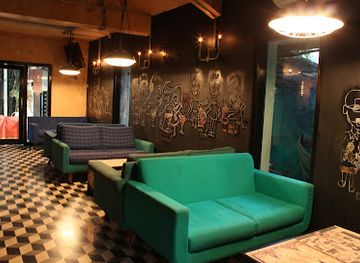
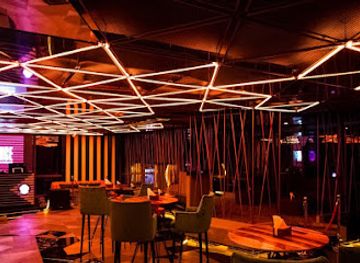
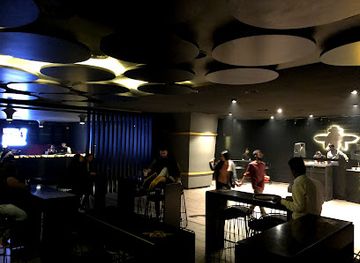
Koregaon Park is among Pune’s best-known evening districts, with bars, lounges, live-music spaces and late-night restaurants concentrated around Koregaon Park Road, North Main Road and selected numbered lanes. The scene ranges from relaxed cafés and hotel bars to louder nightlife venues, with music-led evenings and contemporary cocktail settings alongside places designed for groups. Some addresses occupy converted bungalows or low-rise commercial premises, giving parts of the area a more dispersed feel than a single entertainment strip. Nightlife is not uniform: quieter residential lanes remain close to the busiest venues, and noise and traffic increase at popular times. Visitors should check current entry policies, performances and closing arrangements directly with venues, use reputable transport for the journey home and remember that neighbouring streets continue to function as residential areas after dark.
-
Pub
PUBLIQ
Discover PUBLIQ in Koregaon Park, Pune: a lively pub and lounge offering delicious food, refreshing drinks, and vibrant nightlife.
8 min walk · 0.6 km from neighbourhood centre
-
Live music bar
High Spirits Cafe
Experience Pune's nightlife at High Spirits Cafe, a lively venue for live music, delicious food, and unforgettable moments in Koregaon Park.
14 min walk · 1.1 km from neighbourhood centre
-
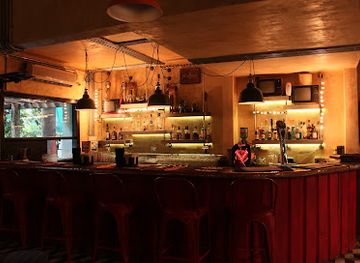
Bar
SWIG - Bar & Eatery - Koregaon Park
Discover the vibrant culinary scene at SWIG - Bar & Eatery in Koregaon Park, where great food meets a lively atmosphere.
4 min walk · 0.4 km from neighbourhood centre
-
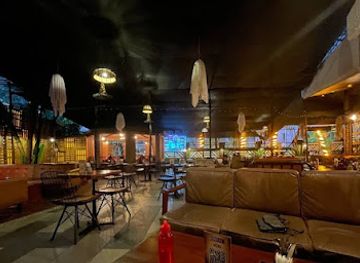
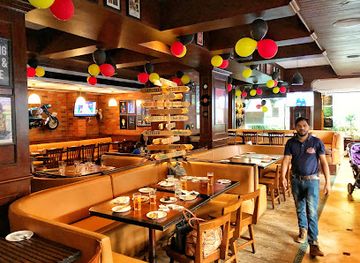
Pub
Effingut Koregaon Park - Pune's most loved craft beer pub
Discover the essence of Pune's nightlife at Effingut Koregaon Park, a vibrant pub offering artisanal craft beers and a lively atmosphere.
7 min walk · 0.5 km from neighbourhood centre

Best nightclubs in Koregaon Park
Koregaon Park is among Pune’s best-known evening districts, with bars, lounges, live-music spaces and late-night restaurants concentrated around Koregaon Park Road, North Main Road and selected numbered lanes. The scene ranges from relaxed cafés and hotel bars to louder nightlife venues, with music-led evenings and contemporary cocktail settings alongside places designed for groups. Some addresses occupy converted bungalows or low-rise commercial premises, giving parts of the area a more dispersed feel than a single entertainment strip. Nightlife is not uniform: quieter residential lanes remain close to the busiest venues, and noise and traffic increase at popular times. Visitors should check current entry policies, performances and closing arrangements directly with venues, use reputable transport for the journey home and remember that neighbouring streets continue to function as residential areas after dark.
-
Pub
PUBLIQ
Discover the vibrant nightlife of Pune at PUBLIQ, a premier pub and lounge in Koregaon Park offering great food, drinks, and live entertainment.
8 min walk · 0.6 km from neighbourhood centre
-
Live music bar
High Spirits Cafe
Discover the energetic blend of live music, delightful cuisine, and a vibrant atmosphere at High Spirits Cafe in Pune's Koregaon Park.
14 min walk · 1.1 km from neighbourhood centre
-
Pub
Plunge
Experience Pune's vibrant nightlife at Plunge, where delicious vegetarian cuisine meets an energetic pub atmosphere.
12 min walk · 1.0 km from neighbourhood centre
-
Night club
Living Room by Coco
Experience Pune's vibrant nightlife at Living Room by Coco, where fine dining meets a chic bar atmosphere with stunning city views.
16 min walk · 1.3 km from neighbourhood centre
Best shops in Koregaon Park
Shopping in Koregaon Park is shaped less by a single traditional bazaar than by independent businesses spread along Koregaon Park Road, North Main Road and the numbered lanes. Visitors encounter boutiques, lifestyle stores, salons, design-oriented shops, book and gift retailers, and small businesses serving the neighbourhood’s residential and international clientele. The selection changes frequently, but the area is associated with clothing, jewellery, crafts, homeware and contemporary Indian design rather than with a specialised wholesale market. Older bungalow plots and newer low-rise commercial buildings create varied retail settings, while cafés and restaurants make browsing easy to combine with a walk. For large-scale retail, visitors will find more extensive shopping elsewhere in Pune; Koregaon Park’s interest lies in its smaller independent outlets and the way commerce occupies a leafy residential landscape.
-
Furniture store
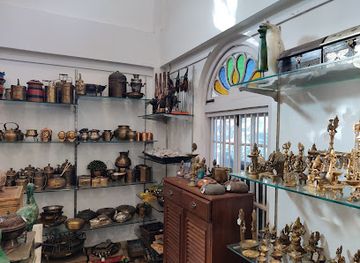
Sanskriti Lifestyle
Explore Sanskriti Lifestyle in Pune for exquisite handcrafted furniture and decor that beautifully blends tradition and contemporary design.
7 min walk · 0.6 km from neighbourhood centre
-
Clothing store
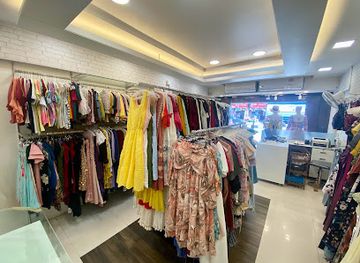
Cupid
Discover trendy Western apparel at Cupid in Koregaon Park, Pune, where fashion meets style in a chic shopping experience.
6 min walk · 0.5 km from neighbourhood centre
-
Clothing store
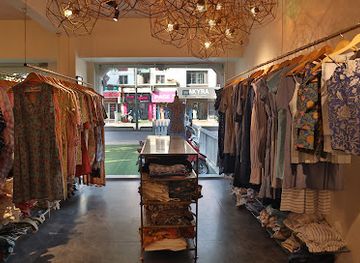
Bougainvillea
Explore Bougainvillea in Koregaon Park for stylish clothing and quality cottons, perfectly blending comfort and contemporary design.
6 min walk · 0.5 km from neighbourhood centre
-
Boutique
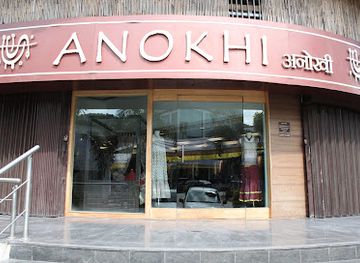
Anokhi
Discover unique Indian craftsmanship at Anokhi, a boutique in Pune's Koregaon Park that celebrates traditional techniques and modern designs.
3 min walk · 0.3 km from neighbourhood centre
Koregaon Park essentials
Getting There
Getting Around
Safety
Emergency Situations
Do's and Don'ts
Local Tips

From Eve
Local phrases worth knowing
You don't need to get them perfect. A few words go a long way, and locals appreciate the effort.
Basics
| English | Local | Say it |
|---|---|---|
| Hello | नमस्ते | [Namaste] |
| Goodbye | अलविदा | [Alvida] |
| Yes | हाँ | [Haan] |
| No | नहीं | [Nahi] |
| Please/You're welcome | कृपया | [Kripaya] |
| Thank you | धन्यवाद | [Dhanyavad] |
| Excuse me/Sorry | माफ़ कीजिए | [Maaf kijiye] |
| How are you? | आप कैसे हैं? | [Aap kaise hain?] |
| Fine. And you? | ठीक हूँ। आप? | [Theek hoon. Aap?] |
| Do you speak English? | क्या आप अंग्रेज़ी बोलते हैं? | [Kya aap angrezi bolte hain?] |
| I don't understand | मुझे समझ में नहीं आया | [Mujhe samajh mein nahi aaya] |
Eating & Drinking
| English | Local | Say it |
|---|---|---|
| I'd like to see the menu, please | कृपया मेनू दिखाइए | [Kripaya menu dikhaiye] |
| I don't eat meat | मैं मांस नहीं खाता/खाती | [Main maans nahi khaata/khaati] |
| Cheers! | चियर्स! | [Cheers!] |
| I would like to pay, please | कृपया मुझे भुगतान करने दीजिए | [Kripaya mujhe bhugtan karne dijiye] |
Emergencies
| English | Local | Say it |
|---|---|---|
| Help! | मदद! | [Madad!] |
| Go away! | चले जाओ! | [Chale jao!] |
| Call the Police! | पुलिस को बुलाओ! | [Police ko bulaao!] |
| Call a doctor! | डॉक्टर को बुलाओ! | [Doctor ko bulaao!] |
| I'm lost | मैं खो गया/गई हूँ | [Main kho gaya/gayi hoon] |
| I'm ill | मुझे बीमारी है | [Mujhe bimaari hai] |
Shopping
| English | Local | Say it |
|---|---|---|
| I'd like to buy... | मैं खरीदना चाहूँगा/चाहूँगी... | [Main khareedna chaahunga/chaahungi...] |
| I'm just looking | मैं बस देख रहा/रही हूँ | [Main bas dekh raha/rahi hoon] |
| How much is it? | यह कितने का है? | [Yeh kitne ka hai?] |
| That's too expensive | यह बहुत महंगा है | [Yeh bahut mehnga hai] |
| Can you lower the price? | क्या आप कीमत कम कर सकते/कर सकती हैं? | [Kya aap kimat kam kar sakte/kar sakti hain?] |
Time & Numbers
| English | Local | Say it |
|---|---|---|
| What time is it? | अभी कितने बजे हैं? | [Abhi kitne baje hain?] |
| It's one o'clock | एक बजे हैं | [Ek baje hain] |
| Half past (10) | दस बजे के बाद हैं | [Das baje ke baad hain] |
| Morning | सुबह | [Subah] |
| Afternoon | दोपहर | [Dopahar] |
| Evening | शाम | [Shaam] |
| Yesterday | कल | [Kal] |
| Today | आज | [Aaj] |
| Tomorrow | कल | [Kal] |
| 1 | एक | [Ek] |
| 2 | दो | [Do] |
| 3 | तीन | [Teen] |
| 4 | चार | [Char] |
| 5 | पांच | [Paanch] |
| 6 | छह | [Chhe] |
| 7 | सात | [Saath] |
| 8 | आठ | [Aath] |
| 9 | नौ | [Nau] |
| 10 | दस | [Das] |
Transport & Directions
| English | Local | Say it |
|---|---|---|
| Where's a/the...? | ...कहाँ है? | [...kahan hai?] |
| What's the address? | पता क्या है? | [Pata kya hai?] |
| Can you show me (on the map)? | क्या आप मुझे दिखा सकते/सकती हैं (नक्शे पर)? | [Kya aap mujhe dikha sakte/sakti hain (nakshay par)?] |
| When's the next (bus)? | अगली बस कब है? | [Agli bus kab hai?] |
| A ticket (to ....) | एक टिकट (...के लिए) | [Ek ticket (...ke liye)] |
History of Koregaon Park
From Agricultural Land to Garden Suburb
The area now recognised as Koregaon Park developed on the eastern side of Pune beyond the older urban core, in a landscape historically associated with cultivation, gardens and the Mula-Mutha river system. Its planned roads and spacious plots gave it a different character from the denser central peths. Residential development expanded as Pune grew during the twentieth century, and the neighbourhood became associated with large homes, compounds and greenery rather than heavy industry or tightly packed commercial streets. The name Koregaon Park reflects this suburban, park-like planning concept, though the area is not a formal city park.
Residential Growth in Eastern Pune
Improved road connections towards Yerawada, Kalyani Nagar and the eastern industrial and institutional districts gradually brought Koregaon Park closer to Pune’s expanding metropolitan life. Houses and garden compounds remained central to its identity, but shops, small businesses and hospitality premises appeared along the principal roads. This transition did not erase the neighbourhood’s residential character; instead, it produced the mixed landscape visible today, in which older homes and mature trees stand beside newer commercial buildings. The area’s proximity to the river and to established eastern Pune institutions also strengthened its appeal as an address.
The Osho Movement Arrives
Koregaon Park’s international identity changed significantly after Bhagwan Shree Rajneesh, later known as Osho, established an ashram in Pune in 1974. The organisation’s Koregaon Park campus attracted Indian and overseas visitors for meditation, lectures and personal-development programmes, bringing an international spiritual community into a previously residential district. The movement’s presence also encouraged hotels, restaurants, travel services and other businesses to serve visitors. Osho Teerth Park, created beside the campus through the transformation of a polluted nullah and degraded land, later added a carefully landscaped public-facing green space to the neighbourhood’s physical character.
A Cosmopolitan Commercial Quarter
From the late twentieth century into the twenty-first, Koregaon Park became increasingly associated with cafés, restaurants, boutiques, offices and evening entertainment, while remaining one of Pune’s recognisable residential areas. This commercialisation brought new investment and a wider international reputation, but also increased traffic, redevelopment pressure and competition for space along the numbered lanes. The 2010 bombing at German Bakery, a well-known establishment on Koregaon Park Road, was a significant and tragic event in the neighbourhood’s modern history. Today, the area’s identity rests on the continuing coexistence of mature residential streets, the Osho campus, hospitality businesses and Pune’s expanding cosmopolitan culture.
Koregaon Park in Photos
Browse through our photo collection highlighting the charm and character of the destination.
Neighbourhoods near Koregaon Park
The closest neighbourhoods to Koregaon Park, if you have time for more than one stop.
-

-

-

-


Swipe for more neighbourhoods
Explore more

Explore more of Pune
Pune brings Maratha history, hilltop forts, student energy, thoughtful museums and celebrated Maharashtrian food to western India's Deccan plateau.
Explore Pune