

Jakhu Temple (Shimla) Travel Guide - Free
Explore Jakhu Temple in Shimla with Evendo's free guide. Find the best shops, historic streets, restaurants, and gems on web or mobile.


Jakhu Temple in Shimla brings Hindu devotion, Himalayan views, a towering Hanuman statue and a steep, atmospheric walk above the colonial hill town.
A Sacred Hill Above Shimla
Jakhu Temple occupies the summit of Jakhu Hill, the highest point in Shimla, rising above the city’s ridgelines and wooded slopes. Dedicated to Hanuman, the Hindu deity associated with strength, loyalty and devotion, the temple is both a place of pilgrimage and one of Shimla’s most distinctive highland sights. Its setting feels markedly different from the colonial promenades below: the approach narrows into a steep mountain road and walking path, pine and deodar trees surround the complex, and the air is often quieter apart from temple bells, birds and the movement of visitors.Read more about Jakhu Temple
The Temple and the Giant Hanuman
Walks, Views and Mountain Weather
Best attractions in Jakhu Temple
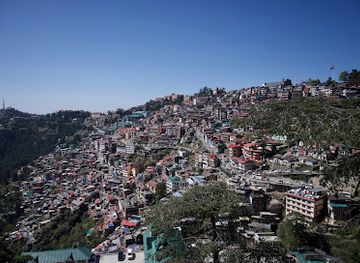
The principal attraction is Jakhu Temple itself, a Hanuman shrine set among deodar and pine woodland at the summit of Jakhu Hill. Beside it stands the monumental orange Hanuman statue, whose height makes it visible from many parts of Shimla and provides a dramatic focal point on arrival. The approach from The Ridge and Christ Church is an attraction in its own right, leading visitors through a steep, wooded landscape that contrasts with the built-up centre below. Forest clearings and hillside viewpoints offer glimpses across Shimla’s ridges when the weather is clear, although mist can quickly obscure the panorama. The temple precinct rewards attention to its devotional details, bells and daily worship rather than a hurried photograph. The Jakhu Ropeway, where operating, adds another way to experience the dramatic change in elevation between the central ridge and the hilltop.
-
Hindu temple
Shri Hanuman Mandir Jakhoo
Discover the spiritual heart of Shimla at Shri Hanuman Mandir Jakhoo, where breathtaking views meet divine tranquility.
10 min walk · 0.8 km from neighbourhood centre
-
Church
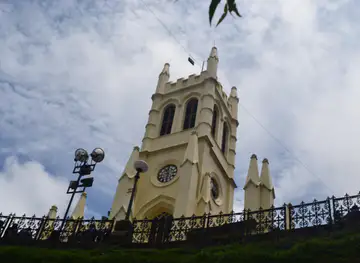
Christ Church, Shimla
Discover the historical Christ Church in Shimla, a stunning example of Gothic architecture and a serene retreat in the heart of the Himalayas.
1 min walk · 0.1 km from neighbourhood centre
-
Historical landmark
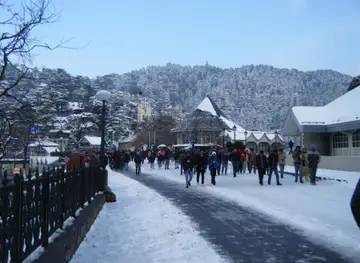
Ridge, Shimla
Explore the Ridge in Shimla, a historical landmark blending stunning views, cultural events, and vibrant local life, perfect for every traveler.
3 min walk · 0.2 km from neighbourhood centre
-
Park
Rani Jhansi Park
Discover the tranquility and beauty of Rani Jhansi Park in Shimla, a serene escape amidst lush gardens and stunning mountain views.
1 min walk · 0.1 km from neighbourhood centre


Best landmarks in Jakhu Temple
Jakhu Temple is the defining landmark of the hill, a living Hindu shrine whose importance comes from its dedication to Hanuman and its long association with local religious tradition. The adjacent Hanuman statue, inaugurated in 2010 and rising to roughly 108 feet, is the most conspicuous modern structure in the area and acts as a visual marker across Shimla. The summit itself is also significant: Jakhu Hill is the highest point in Shimla, giving the temple a powerful geographical presence above the city’s colonial-era ridge landscape. The forested approach, temple bells and shrine buildings create a setting distinct from the architecture of The Ridge and Mall Road below. Together, the old pilgrimage site and the modern statue express Shimla’s layered identity as both a former colonial hill station and an active Indian mountain city.
-
Hindu temple
Shri Hanuman Mandir Jakhoo
Experience spiritual tranquility and breathtaking views at Shri Hanuman Mandir Jakhoo, a must-visit Hindu temple in the heart of Shimla.
10 min walk · 0.8 km from neighbourhood centre
-
Historical landmark
Ridge, Shimla
Discover the breathtaking beauty of The Ridge in Shimla, a historical landmark offering stunning views and cultural experiences in the heart of the Himalayas.
3 min walk · 0.2 km from neighbourhood centre
-
Mountain cable car
Jakhu Ropeway Shimla
Discover stunning views and spiritual serenity at Jakhu Ropeway in Shimla, a top tourist attraction in the heart of the Himalayas.
4 min walk · 0.3 km from neighbourhood centre
-
Mountain peak
Jakhu Hill
Experience the breathtaking views and spiritual serenity of Jakhu Hill, the highest peak in Shimla, surrounded by the beauty of the Himalayas.
9 min walk · 0.7 km from neighbourhood centre


Explore Jakhu Temple on the map
A handpicked selection of must-see spots in Jakhu Temple, mapped for you.
Best hotels in Jakhu Temple
Best restaurants in Jakhu Temple
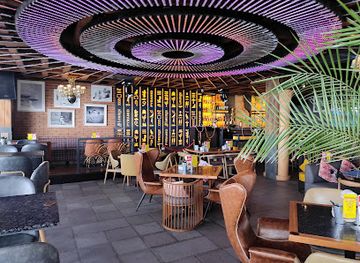
Jakhu Temple has a limited food scene because the hilltop is primarily a religious and wooded setting rather than a dining district. Visitors will find simple refreshments and small stalls associated with the approach and temple visit, but the wider choice lies back towards The Ridge, Mall Road and central Shimla. Those areas provide cafés, bakeries, casual restaurants and North Indian meals within a downhill walk or short local journey, while Shimla’s broader dining scene includes Punjabi, Himachali and familiar vegetarian dishes. Eating near the temple calls for consideration of the religious setting: keep food away from shrine areas, dispose of litter responsibly and do not feed monkeys. Visitors planning the uphill walk should carry water, since the immediate summit does not offer the depth of choice found in the commercial centre.
-
Indian
Hills Edge Restaurant
Experience authentic Indian flavors at Hills Edge Restaurant while enjoying breathtaking views in Shimla's serene landscape.
9 min walk · 0.7 km from neighbourhood centre
-
Restaurant
Buddy's Food Joint
Discover the flavors of Shimla at Buddy's Food Joint - where cozy ambiance meets delicious cuisine.
16 min walk · 1.3 km from neighbourhood centre
-
Restaurant
Eighteen71 Cookhouse & Bar (Indian & Oriental Fine Dining Restaurant in Shimla)
Experience exquisite Indian and Oriental cuisine at Eighteen71 Cookhouse & Bar in Shimla - where every meal is a celebration.
4 min walk · 0.3 km from neighbourhood centre
-
Vegetarian
Cafe Under Tree
Discover tranquility at Cafe Under Tree in Shimla—where delicious vegetarian cuisine meets breathtaking natural beauty.
10 min walk · 0.8 km from neighbourhood centre


Best bars in Jakhu Temple
Jakhu Temple is not a nightlife district, and the hill becomes comparatively quiet after the day’s temple visits and walking excursions. Its religious function, forest setting and residential surroundings make it unsuitable for loud evening entertainment. Visitors looking for a drink, live music or a late meal generally need to return towards The Ridge, Mall Road and central Shimla, where the city’s hotels, cafés and bars are concentrated. Evening movement on the hill requires practical awareness: roads are narrow, weather can change quickly and the steep walking route is less comfortable in darkness, rain or winter conditions. The area is better suited to a calm temple visit, a hillside walk and views of Shimla than to club-hopping, and travellers should avoid creating noise near the shrine or neighbouring homes.
-
Brewpub
The Brew Estate
Experience the best of Shimla at The Brew Estate, where craft beers and delicious cuisine meet stunning views and a vibrant atmosphere.
1 min walk · 0.1 km from neighbourhood centre
-
Bar
Cafe Simla Times : Cafe, Biergarten & Bar on the Mall Road Shimla ( Awarded Most Instagrammable Cafe of Himachal)
Experience the best of Shimla's flavor and ambiance at Café Simla Times, the most Instagrammable café in Himachal Pradesh.
4 min walk · 0.3 km from neighbourhood centre
-
Bar
Eighteen71 Cookhouse & Bar (Indian & Oriental Fine Dining Restaurant in Shimla)
Experience the perfect blend of Indian and Oriental flavors at Eighteen71 Cookhouse & Bar in Shimla, a delightful dining destination for every traveler.
4 min walk · 0.3 km from neighbourhood centre
-
Vegetarian
Cafe Under Tree
Discover the serene charm of Café Under Tree in Shimla, where delicious vegetarian cuisine meets stunning Himalayan views.
10 min walk · 0.8 km from neighbourhood centre


Best nightclubs in Jakhu Temple
Jakhu Temple is not a nightlife district, and the hill becomes comparatively quiet after the day’s temple visits and walking excursions. Its religious function, forest setting and residential surroundings make it unsuitable for loud evening entertainment. Visitors looking for a drink, live music or a late meal generally need to return towards The Ridge, Mall Road and central Shimla, where the city’s hotels, cafés and bars are concentrated. Evening movement on the hill requires practical awareness: roads are narrow, weather can change quickly and the steep walking route is less comfortable in darkness, rain or winter conditions. The area is better suited to a calm temple visit, a hillside walk and views of Shimla than to club-hopping, and travellers should avoid creating noise near the shrine or neighbouring homes.
-
Lounge
Pyramid Microbrewery | Café | Lounge | Bar, Shimla
Discover the vibrant nightlife and local flavors at Pyramid Microbrewery, the premier lounge and bar in Shimla.
3 min walk · 0.2 km from neighbourhood centre
-
Club
United Services Club
Discover the charm of the United Services Club, a historical club in Shimla blending rich heritage with breathtaking views and delightful cuisine.
5 min walk · 0.4 km from neighbourhood centre
-
Night club
SkyBar Shimla - Cocktails & Shisha- Best Herbal Hookah Rooftop Lounge in Shimla
Experience the best cocktails and herbal hookah at SkyBar Shimla, a chic rooftop lounge offering stunning views and vibrant nightlife.
4 min walk · 0.3 km from neighbourhood centre
-
Party planner
NEXT LEVEL CLUB CAFE LOUNGE BAR AND DISCOTHIQUE- Bar/Disco/Club/Cafe in Shimla
Discover Shimla's nightlife at Next Level Club Cafe Lounge Bar - a perfect blend of club, cafe, and bar in the scenic hills.
7 min drive · 2.5 km from neighbourhood centre


Best shops in Jakhu Temple
Shopping around Jakhu Temple is modest and closely connected with pilgrimage rather than with the specialist retail found in central Shimla. Small stalls and vendors along the approach may offer devotional items, offerings, snacks and simple souvenirs, but stock and trading arrangements can vary. The immediate hilltop is not a conventional shopping street, and visitors should avoid treating the temple precinct as a place for browsing during worship. For Himachali woollens, handicrafts, books, gifts and a broader selection of everyday goods, the more established commercial areas around The Ridge and Mall Road are nearby in the wider central city, not within the temple neighbourhood itself. Bargaining, where it occurs, should remain polite, while purchases connected with the shrine should be made respectfully and without obstructing pilgrims or access paths.
-
Craft store
Himachal Emporium
Discover the rich artistry of Himachal Pradesh at Himachal Emporium, your go-to craft store in Shimla for unique souvenirs and traditional handicrafts.
7 min walk · 0.6 km from neighbourhood centre
-
Clothing store
Emerge Shimla
Discover Emerge Shimla, your ultimate shopping destination for clothing, bags, electronics, and toys in the enchanting hills of Himachal Pradesh.
1 min walk · 0.1 km from neighbourhood centre
-
Clothing store
Landmark
Shop stylishly at Landmark, the ultimate clothing store in Shimla, showcasing local culture and fashion on the vibrant Mall Road.
1 min walk · 0.1 km from neighbourhood centre
-
Clothing store
Lakshita
Discover the charm of Lakshita in Shimla, your premier destination for exquisite clothing and unique souvenirs amidst stunning Himalayan views.
6 min walk · 0.5 km from neighbourhood centre


Jakhu Temple essentials
Getting There
Getting Around
Safety
Emergency Situations
Do's and Don'ts
Local Tips

From Eve
Local phrases worth knowing
You don't need to get them perfect. A few words go a long way, and locals appreciate the effort.
Basics
| English | Local | Say it |
|---|---|---|
| Hello | नमस्ते | [namaste] |
| Goodbye | अलविदा | [alvida] |
| Yes | हाँ | [haan] |
| No | नहीं | [nahin] |
| Please/You're welcome | कृपया/आपका स्वागत है | [krupaya/aapka swagat hai] |
| Thank you | धन्यवाद | [dhanyavaad] |
| Excuse me/Sorry | क्षमा कीजिए/माफ़ कीजिए | [kshama keejiye/maaf keejiye] |
| How are you? | आप कैसे हैं? | [aap kaise hain?] |
| Fine. And you? | ठीक हूँ। आप? | [thik hoon. aap?] |
| Do you speak English? | क्या आप अंग्रेज़ी बोलते हैं? | [kya aap angrezi bolte hain?] |
| I don't understand | मुझे समझ में नहीं आया | [mujhe samajh mein nahi aaya] |
Eating & Drinking
| English | Local | Say it |
|---|---|---|
| I'd like to see the menu, please | कृपया मेनू देखना चाहूँ | [krupaya menu dekhna chahoon] |
| I don't eat meat | मैं मांस नहीं खाता/खाती | [main maans nahi khaata/khaati] |
| Cheers! | चियर्स! | [cheers!] |
| I would like to pay, please | कृपया मैं भुगतान करना चाहूँ | [krupaya main bhugtan karna chahoon] |
Emergencies
| English | Local | Say it |
|---|---|---|
| Help! | बचाओ! | [bachao!] |
| Go away! | चले जाओ! | [chale jao!] |
| Call the Police! | पुलिस को बुलाओ! | [police ko bulao!] |
| Call a doctor! | डॉक्टर को बुलाओ! | [doctor ko bulao!] |
| I'm lost | मैं खो गया/गई हूँ | [main kho gaya/gayi hoon] |
| I'm ill | मुझे बीमारी है | [mujhe bimari hai] |
Shopping
| English | Local | Say it |
|---|---|---|
| I'd like to buy... | मैं ... खरीदना चाहूँ | [main ... kharidna chahoon] |
| I'm just looking | मैं बस देख रहा/रही हूँ | [main bas dekh raha/rahi hoon] |
| How much is it? | यह कितने का है? | [yah kitne ka hai?] |
| That's too expensive | यह बहुत महंगा है | [yah bahut mahnga hai] |
| Can you lower the price? | क्या आप कीमत कम कर सकते हैं? | [kya aap kimat kam kar sakte hain?] |
Time & Numbers
| English | Local | Say it |
|---|---|---|
| What time is it? | अभी कितने बजे हैं? | [abhi kitne baje hain?] |
| It's one o'clock | एक बजे हैं | [ek baje hain] |
| Half past (10) | दस बजे के बाद से आधा | [das baje ke baad se aadha] |
| Morning | सुबह | [subah] |
| Afternoon | दोपहर | [dopahar] |
| Evening | शाम | [shaam] |
| Yesterday | कल | [kal] |
| Today | आज | [aaj] |
| Tomorrow | कल | [kal] |
| 1 | एक | [ek] |
| 2 | दो | [do] |
| 3 | तीन | [teen] |
| 4 | चार | [chaar] |
| 5 | पाँच | [paanch] |
| 6 | छह | [chheh] |
| 7 | सात | [saat] |
| 8 | आठ | [aath] |
| 9 | नौ | [nau] |
| 10 | दस | [das] |
Transport & Directions
| English | Local | Say it |
|---|---|---|
| Where's a/the...? | ... कहाँ है? | [... kahan hai?] |
| What's the address? | पता क्या है? | [pata kya hai?] |
| Can you show me (on the map)? | क्या आप मुझे दिखा सकते हैं (नक्शे पर)? | [kya aap mujhe dikha sakte hain (naksha par)?] |
| When's the next (bus)? | अगली (बस) कब है? | [agli (bas) kab hai?] |
| A ticket (to ....) | एक टिकट (.... के लिए) | [ek ticket (.... ke liye)] |
History of Jakhu Temple
A Hill Linked with Hanuman
Jakhu’s religious identity rests principally on Hindu tradition rather than on a documented urban founding date. Local belief connects the hill with the Ramayana, in which Hanuman is said to have paused here while travelling in search of the Sanjeevani herb. The temple dedicated to him developed as a pilgrimage site on the summit, and the hill’s isolation helped preserve a distinct sacred landscape above the settlements that later formed Shimla. The story remains central to the temple’s meaning, even though it belongs to religious tradition rather than verifiable architectural history.
Shimla’s Colonial Expansion
During the nineteenth century, Shimla expanded as a British hill station, with roads, residences, public buildings and walking routes spreading across the surrounding ridges. Jakhu Hill remained associated with the older sacred geography of the area, but its proximity to the growing colonial settlement brought the temple into the orbit of the developing town. The contrast between a Hindu shrine on a forested summit and the administrative and residential architecture below became part of Shimla’s layered character. Access improved over time, allowing worshippers and visitors to reach the hill more readily from the central ridge.
A Continuing Pilgrimage Landscape
Jakhu Temple continued to function as a living place of worship as Shimla changed from colonial hill station to state capital and major mountain destination. Its importance is not limited to historic fabric: daily offerings, festivals, bells and pilgrim visits keep the site active. The surrounding forest and steep approach have also preserved a sense of separation from the commercial centre, despite the temple’s closeness to The Ridge. This continuity distinguishes Jakhu from attractions valued primarily for architecture or colonial history.
The Hanuman Statue and Modern Visibility
The large Hanuman statue inaugurated beside the temple in 2010 gave the hill a new visual presence across Shimla. At roughly 108 feet, it became a prominent landmark above the tree line and made the temple recognisable from distant viewpoints in the city. The statue did not replace the older shrine’s religious role; instead, it added a modern monumental element to a longstanding pilgrimage setting. Today, Jakhu brings together mythological association, active worship, forested mountain terrain and the changing visitor economy of contemporary Shimla.
Jakhu Temple in Photos
Browse through our photo collection highlighting the charm and character of the destination.
Neighbourhoods near Jakhu Temple
The closest neighbourhoods to Jakhu Temple, if you have time for more than one stop.
-
-
-
-


Swipe for more neighbourhoods
Explore more

Explore more of Shimla
Shimla blends colonial hill architecture, Himalayan views, Mall Road strolls, Himachali cuisine and heritage rail journeys in India's former summer capital for heritage.
Explore Shimla