

Ciumbuleuit (Bandung) Travel Guide - Free
Explore Ciumbuleuit in Bandung with Evendo's free guide. Find the best shops, historic streets, restaurants, and gems on web or mobile.


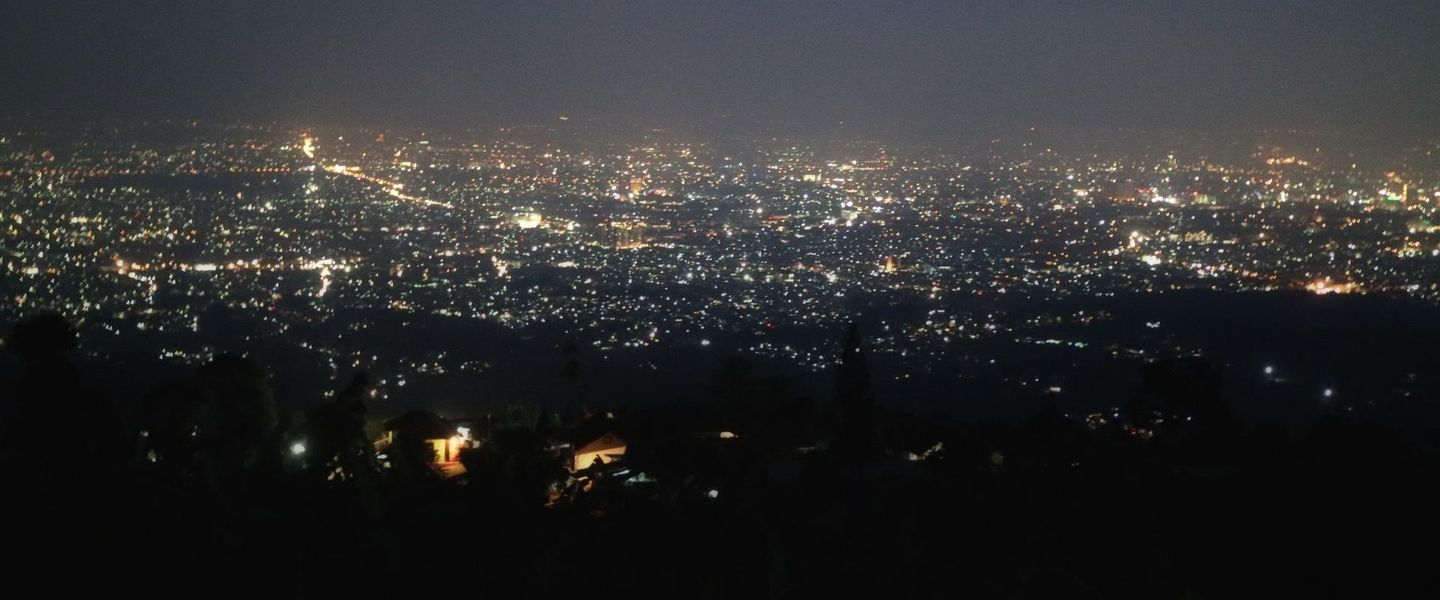


Ciumbuleuit Bandung offers cool hilltop streets, university culture, garden cafés, Sundanese food and scenic access to the city’s northern uplands.
Hillside Setting and Everyday Character
Ciumbuleuit occupies Bandung’s cooler northern uplands, where the city climbs towards the forested ridges beyond the urban basin. Its principal artery, Jalan Ciumbuleuit, rises northwards from the busier streets around Cipaganti and Setiabudi, passing universities, residential lanes, cafés, restaurants and pockets of older greenery. The neighbourhood is generally associated with Bandung’s upper-city lifestyle: cooler air, steep streets, broad views and a mixture of established homes, student life and contemporary dining.Read more about Ciumbuleuit
Campus Life and Local Culture
Cafés, Views and the Upper Slopes
Best attractions in Ciumbuleuit
Ciumbuleuit’s attractions are primarily atmospheric rather than monumental. Jalan Ciumbuleuit provides a revealing route through the neighbourhood, moving from busy urban frontage towards cooler, greener slopes, while Jalan Rancabentang is lined with restaurants, cafés and landscaped venues that take advantage of the hillside setting. Parahyangan Catholic University adds an important architectural and cultural presence, although its campus is an active educational environment rather than a conventional sightseeing complex. In the upper Ciumbuleuit and Punclut direction, visitors encounter open views across Bandung’s basin and a more rural-feeling edge, with roadside food venues and terraces appearing among residential development. The area is best experienced through a combination of scenic driving, short walks and meals in garden settings, rather than through a fixed sequence of museums or monuments.
-
Tourist attraction
Curug Dago
Explore Curug Dago, a mesmerizing waterfall in Bandung, West Java, perfect for nature lovers and adventure seekers looking for tranquility.
11 min walk · 0.9 km from neighbourhood centre
-
Garden
Bunderan Ciumbuleuit
Explore the serene beauty of Bunderan Ciumbuleuit, a tranquil garden oasis in Bandung, perfect for relaxation and cultural experiences.
11 min walk · 0.9 km from neighbourhood centre
-
Tourist attraction
Monkey Groove
Explore the lush greenery and playful monkeys at Monkey Groove, Bandung's enchanting tourist attraction for families and nature lovers.
9 min walk · 0.7 km from neighbourhood centre


Best landmarks in Ciumbuleuit
The most significant physical reference point in Ciumbuleuit is Parahyangan Catholic University, whose hillside campus has helped define the neighbourhood’s educational character since its establishment there in the early 1960s. Jalan Ciumbuleuit itself is another important local landmark: it is the historic connecting corridor through which the lower city gives way to the northern uplands, and its changing density makes the area’s geography tangible. Jalan Rancabentang, with its mature vegetation, residential compounds and restaurant properties, represents the neighbourhood’s newer leisure identity. The upper slopes towards Punclut are recognised less for individual monuments than for their elevated position above Bandung’s basin. Together, these roads, campus spaces and hillside viewpoints explain why Ciumbuleuit is associated with education, cool-climate living and northern Bandung’s expanding dining culture.
-
Restaurant
Nara Park Bandung
Discover the vibrant culinary scene at Nara Park Bandung, where Indonesian, Japanese, and Western cuisines come together in a lush, inviting setting.
10 min walk · 0.8 km from neighbourhood centre
-
Country club
Bumi Sangkuriang & Concordia Hotel
Discover tranquility and luxury at Bumi Sangkuriang & Concordia Hotel, your perfect escape in Bandung, West Java.
10 min walk · 0.8 km from neighbourhood centre
-
 Hotel
Grha Ciumbuleuit Guest House
Experience comfort and local charm at Grha Ciumbuleuit Guest House, your ideal retreat in the heart of Bandung, West Java.
11 min walk · 0.9 km from neighbourhood centre
-
Hotel
The House Tour Hotel - Midtown Ciumbuleuit
Discover the charm of The House Tour Hotel in Ciumbuleuit, Bandung - a boutique experience with a touch of local flavor.
15 min walk · 1.2 km from neighbourhood centre


Explore Ciumbuleuit on the map
A handpicked selection of must-see spots in Ciumbuleuit, mapped for you.
Best hotels in Ciumbuleuit
Best restaurants in Ciumbuleuit
Eating is one of Ciumbuleuit’s strongest visitor draws, with the dining scene spread along Jalan Ciumbuleuit, Jalan Rancabentang and the roads rising towards Punclut. Restaurants and cafés make use of gardens, terraces and broad northern views, creating a setting that feels cooler and less enclosed than many central Bandung venues. The choice includes Indonesian and Sundanese cooking, rice dishes, grilled specialities, baked goods, coffee and contemporary comfort food. Established venues such as Miss Bee Providore are associated with the Rancabentang dining area, while numerous smaller cafés and family restaurants give the neighbourhood a less formal side. The best way to understand the local food culture is to combine a sit-down meal with a modest roadside snack or drink, while remembering that restaurant clusters are separated by steep roads and residential stretches rather than forming one continuous pedestrian strip.
-
Restaurant
Nara Park Bandung
Discover a unique culinary experience at Nara Park Bandung with delightful Indonesian, Japanese, and Western cuisine surrounded by natural beauty.
10 min walk · 0.8 km from neighbourhood centre
-
Restaurant
Miss Bee Providore
Discover the charm and flavor of Western cuisine at Miss Bee Providore in Bandung – where every meal is a delightful experience.
11 min walk · 0.9 km from neighbourhood centre
-
Western
Maxi’s Resto
Discover the culinary excellence of Maxi's Resto in Bandung - where Western flavors meet delightful desserts in an inviting setting.
12 min walk · 1.0 km from neighbourhood centre
-
Family-friendly
Waroeng Ethnic
Experience the rich flavors of Indonesia blended with European cuisine at Waroeng Ethnic - the perfect family-friendly dining spot in Bandung.
16 min walk · 1.3 km from neighbourhood centre


Best bars in Ciumbuleuit
Ciumbuleuit is not one of Bandung’s principal clubbing districts, and its evenings are shaped more by restaurants, coffee shops and relaxed gatherings than by large nightclubs. Student life around Parahyangan Catholic University supports a range of informal cafés, while venues on Jalan Rancabentang and the upper roads may remain active into the evening with meals, desserts and views across the city. Some contemporary restaurants offer drinks alongside dinner, but the neighbourhood is generally quieter and more residential than central Bandung’s dedicated nightlife areas. Traffic and ride-hailing availability can change after dark, particularly on upper lanes, so visitors staying for an evening meal should arrange their return journey before leaving the main road. Noise should be kept low around homes, boarding houses and campus buildings.
-
Restaurant
Nara Park Bandung
Experience a culinary journey at Nara Park Bandung, where Indonesian, Japanese, and Western cuisines come together in a vibrant setting.
10 min walk · 0.8 km from neighbourhood centre
-
Restaurant
Miss Bee Providore
Discover the charm and culinary delights of Miss Bee Providore, a must-visit breakfast restaurant in Bandung, offering a unique dining experience.
11 min walk · 0.9 km from neighbourhood centre
-
Western
Maxi’s Resto
Discover the culinary delights of Maxi's Resto, where Western cuisine meets local flavors in a vibrant setting, perfect for all occasions.
12 min walk · 1.0 km from neighbourhood centre
-
Restaurant
Mr Roastman Experience
Discover the rich flavors and cozy ambiance at Mr Roastman Experience, the perfect stop for coffee lovers and foodies in Bandung.
5 min drive · 1.6 km from neighbourhood centre


Best nightclubs in Ciumbuleuit
Ciumbuleuit is not one of Bandung’s principal clubbing districts, and its evenings are shaped more by restaurants, coffee shops and relaxed gatherings than by large nightclubs. Student life around Parahyangan Catholic University supports a range of informal cafés, while venues on Jalan Rancabentang and the upper roads may remain active into the evening with meals, desserts and views across the city. Some contemporary restaurants offer drinks alongside dinner, but the neighbourhood is generally quieter and more residential than central Bandung’s dedicated nightlife areas. Traffic and ride-hailing availability can change after dark, particularly on upper lanes, so visitors staying for an evening meal should arrange their return journey before leaving the main road. Noise should be kept low around homes, boarding houses and campus buildings.
-
Bar
Qmeals
Discover the vibrant nightlife at Qmeals, Bandung's lively bar featuring karaoke nights, great drinks, and a welcoming atmosphere.
18 min walk · 1.4 km from neighbourhood centre
-
Lounge
Brotherhood Bunker
Discover the vibrant nightlife of Bandung at Brotherhood Bunker, a stylish lounge offering exquisite drinks and a lively atmosphere from dusk till dawn.
9 min walk · 0.7 km from neighbourhood centre
-
Karaoke bar
Saga Vigor Executive Karaoke Lounge and Spa
Experience the ultimate blend of entertainment and relaxation at Saga Vigor Executive Karaoke Lounge and Spa in Bandung, where every night is a celebration.
12 min walk · 0.9 km from neighbourhood centre
-
Night club
rumah Ambu Azura Rai
Discover the pulsating nightlife of Bandung at Rumah Ambu Azura Rai, a premier night club blending modern beats with local culture.
5 min drive · 1.7 km from neighbourhood centre


Best shops in Ciumbuleuit
Shopping in Ciumbuleuit is local and practical rather than centred on a major retail boulevard. Along Jalan Ciumbuleuit, small food shops, convenience stores, pharmacies and everyday services serve residents and students, while café bakeries and speciality food businesses provide modest browsing opportunities for visitors. The neighbourhood’s commercial identity is more closely tied to eating and leisure than to fashion, antiques or large markets. Travellers seeking traditional produce or a broader market experience will find more extensive options elsewhere in Bandung, whereas Ciumbuleuit is useful for picking up snacks, drinks and locally familiar foods during a hillside visit. Independent businesses are often dispersed along busy roads or tucked into side streets, so walking between them can be uncomfortable; short vehicle journeys are generally more practical than expecting a continuous shopping circuit.
-
Cafe
Starbucks Ciumbuleuit
Discover the perfect blend of comfort and flavor at Starbucks Ciumbuleuit, your cozy coffee retreat in Bandung’s vibrant Ciumbuleuit area.
5 min drive · 1.6 km from neighbourhood centre
-
Supermarket
TOSERBA YOGYA
Explore Toserba Yogya in Bandung: Your Ultimate Supermarket Experience for Local Products and Essentials.
6 min drive · 1.9 km from neighbourhood centre
-
Store
Dapur Cikaniri Cihanja-ciumbuleuit (Punclut)
Experience the authentic flavors of Indonesia at Dapur Cikaniri, where culinary delights meet breathtaking views in Bandung's lush hills.
7 min walk · 0.5 km from neighbourhood centre
-
Supermarket
Toko Afiga
Experience the flavors of Bandung at Toko Afiga, your go-to supermarket for local and international products.
5 min walk · 0.4 km from neighbourhood centre


Ciumbuleuit essentials
Getting There
Getting Around
Safety
Emergency Situations
Do's and Don'ts
Local Tips

From Eve
Local phrases worth knowing
You don't need to get them perfect. A few words go a long way, and locals appreciate the effort.
Basics
| English | Local | Say it |
|---|---|---|
| Hello | Halo | [ha-loh] |
| Goodbye | Selamat tinggal | [se-la-mat ting-gal] |
| Yes | Iya | [ee-ya] |
| No | Tidak | [tee-dak] |
| Please/You're welcome | Silakan | [si-la-kan] |
| Thank you | Terima kasih | [te-ree-ma ka-see] |
| Excuse me/Sorry | Maaf | [ma-af] |
| How are you? | Apa kabar? | [a-pa ka-bar] |
| Fine. And you? | Baik. Bagaimana denganmu? | [ba-ik. ba-gai-ma-na den-gan-mu] |
| Do you speak English? | Apakah Anda bisa berbahasa Inggris? | [a-pa-kah an-da bi-sa ber-ba-ha-sa Ing-grees] |
| I don't understand | Saya tidak mengerti | [sa-ya tee-dak men-ger-tee] |
Eating & Drinking
| English | Local | Say it |
|---|---|---|
| I'd like to see the menu, please | Bisa saya lihat menu, tolong | [bee-sa sa-ya lee-hat me-nu, to-long] |
| I don't eat meat | Saya tidak makan daging | [sa-ya tee-dak ma-kan dai-yang] |
| Cheers! | Selamat minum! | [se-la-mat mi-num] |
| I would like to pay, please | Saya ingin membayar, tolong | [sa-ya in-gin mem-ba-yar, to-long] |
Emergencies
| English | Local | Say it |
|---|---|---|
| Help! | Tolong! | [to-long] |
| Go away! | Pergi! | [per-gi] |
| Call the Police! | Panggil polisi! | [pang-gil po-li-si] |
| Call a doctor! | Panggil dokter! | [pang-gil dok-ter] |
| I'm lost | Saya tersesat | [sa-ya ter-se-sat] |
| I'm ill | Saya sakit | [sa-ya sa-kit] |
Shopping
| English | Local | Say it |
|---|---|---|
| I'd like to buy... | Saya ingin membeli... | [sa-ya in-gin mem-be-li...] |
| I'm just looking | Saya hanya melihat-lihat | [sa-ya hun-ya me-li-hat-li-hat] |
| How much is it? | Berapa harganya? | [be-ra-pa har-gan-ya] |
| That's too expensive | Itu terlalu mahal | [i-tu ter-la-lu ma-hal] |
| Can you lower the price? | Bisa turunkan harganya? | [bee-sa tu-run-kan har-gan-ya] |
Time & Numbers
| English | Local | Say it |
|---|---|---|
| What time is it? | Jam berapa sekarang? | [jam be-ra-pa se-ka-rang] |
| It's one o'clock | Jam satu | [jam sa-tu] |
| Half past (10) | Setengah (sepuluh) | [se-ten-gah (se-pu-luh)] |
| Morning | Pagi | [pa-gi] |
| Afternoon | Siang | [si-ang] |
| Evening | Malam | [ma-lam] |
| Yesterday | Kemarin | [ke-ma-rin] |
| Today | Hari ini | [ha-ri i-ni] |
| Tomorrow | Besok | [be-sok] |
| 1 | Satu | [sa-tu] |
| 2 | Dua | [du-a] |
| 3 | Tiga | [ti-ga] |
| 4 | Empat | [em-pat] |
| 5 | Lima | [li-ma] |
| 6 | Enam | [e-nam] |
| 7 | Tujuh | [tu-juh] |
| 8 | Delapan | [de-la-pan] |
| 9 | Sembilan | [sem-bi-lan] |
| 10 | Sepuluh | [se-pu-luh] |
Transport & Directions
| English | Local | Say it |
|---|---|---|
| Where's a/the...? | Di mana... | [di ma-na] |
| What's the address? | Alamatnya apa? | [a-lam-at-nya a-pa] |
| Can you show me (on the map)? | Bisa tunjukkan saya (di peta)? | [bee-sa tun-juk-kan sa-ya (di pe-ta)] |
| When's the next (bus)? | Kapan yang berikutnya (bis)? | [ka-pan yang be-ru-tu-nya (bis)] |
| A ticket (to ....) | Sebuah tiket (ke ....) | [se-bu-ah ti-ket (ke)] |
History of Ciumbuleuit
A Northern Highland Landscape
Ciumbuleuit developed on the northern slope above Bandung’s basin, an area shaped by volcanic terrain, cooler temperatures and water flowing down from the uplands. Its early character was less urban than the central city, with cultivated land, scattered homes and access routes leading towards Bandung’s northern hills. As Bandung expanded during the late colonial period, the northern edge became increasingly valued for its climate and open landscape, although Ciumbuleuit retained a more peripheral, residential character than the formal streets of the city centre.
Urban Growth After Independence
The area became more closely connected to Bandung’s expanding urban system after Indonesian independence, as roads, housing and public services extended up the northern slopes. Parahyangan Catholic University, founded in Bandung in 1955, established its principal Ciumbuleuit campus during the early 1960s. The campus helped give the neighbourhood a lasting educational identity and encouraged the growth of student accommodation, small food businesses and transport links along Jalan Ciumbuleuit.
From Residential Hillside to Leisure District
During the later twentieth century and into the twenty-first, Ciumbuleuit changed from a predominantly low-density hillside district into a mixed neighbourhood of homes, institutions, boarding houses, restaurants and cafés. Development spread along Jalan Ciumbuleuit and Jalan Rancabentang, while upper areas towards Punclut became associated with viewpoints and hill-country dining. This growth has brought more traffic and construction pressure, but the neighbourhood’s cool setting, mature vegetation and relationship with Bandung’s northern uplands remain central to its identity.
Ciumbuleuit in Photos
Browse through our photo collection highlighting the charm and character of the destination.
Neighbourhoods near Ciumbuleuit
The closest neighbourhoods to Ciumbuleuit, if you have time for more than one stop.
-

-

-


Swipe for more neighbourhoods
Explore more

Explore more of Bandung
Bandung, Indonesia blends Dutch-era streets, Sundanese culture, volcanic scenery, creative cafés, museums and memorable food in West Java's cool highlands.
Explore Bandung