

Old Town Semarang (Semarang) Travel Guide - Free
Explore Old Town Semarang in Semarang with Evendo's free guide. Find the best shops, historic streets, restaurants, and gems on web or mobile.


Old Town Semarang pairs Dutch-era buildings, Blenduk Church, galleries, cafés and port-city history in a restored heritage quarter for curious travellers.
A Historic Port Quarter
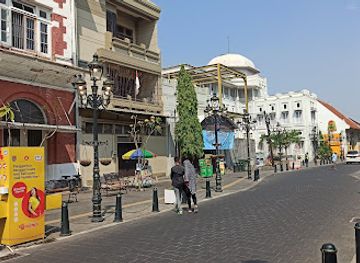
Old Town Semarang, known locally as Kota Lama, occupies a compact area near the northern edge of central Semarang, close to the harbour and the railway approaches. Its broad streets, drainage channels and surviving colonial-era buildings reflect the quarter’s former role as a European trading and administrative enclave in a busy Javanese port. The district is not an untouched historic town: some buildings remain in active use, others have been adapted, and several stand weathered beside newer cafés and offices. That mixture gives the area its particular character.Read more about Old Town Semarang
Architecture and Street Life
Heritage and Contemporary Culture
Best attractions in Old Town Semarang
Kota Lama’s main attraction is its walkable concentration of historic streets and buildings rather than a single enclosed museum. Begin at Taman Srigunting, a public square framed by heritage façades and the domed Gereja Blenduk, then continue past former offices, warehouses and trading premises towards Kali Berok and the streets near Semarang Tawang station. Semarang Contemporary Art Gallery occupies a restored historic building and provides a changing cultural counterpoint to the architectural sightseeing, subject to its current programme and access arrangements. The Marba building, with its distinctive red-brick exterior, is among the quarter’s most photographed façades, while cafés and adaptive-reuse spaces offer places to pause between walks. The area is especially rewarding for visitors interested in port-city history, urban photography and conservation, although active roads, private premises and occasional building closures mean that exploration should remain respectful and flexible.
-
Tourist attraction
Old Town Semarang
Explore Old Town Semarang, a stunning historical landmark filled with colonial architecture and vibrant local culture in Central Java.
1 min walk · 0.1 km from neighbourhood centre
-
Tourist attraction
Kampung Batik Gedong Semarang
Experience the vibrant art of batik at Kampung Batik Gedong Semarang, a cultural gem in Central Java showcasing traditional Indonesian craftsmanship.
6 min walk · 0.5 km from neighbourhood centre
-
Park
Srigunting Park
Experience the serene beauty of Srigunting Park in Semarang, a perfect escape for nature lovers and families alike in Central Java.
1 min walk · 0.1 km from neighbourhood centre
-
Tourist attraction
Kampoeng Djadhoel Semarang
Explore the cultural tapestry of Semarang at Kampoeng Djadhoel, where art, tradition, and local flavors come alive.
6 min walk · 0.5 km from neighbourhood centre
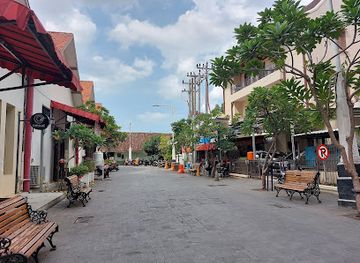
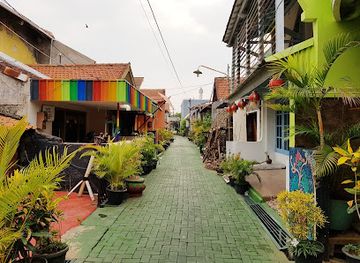
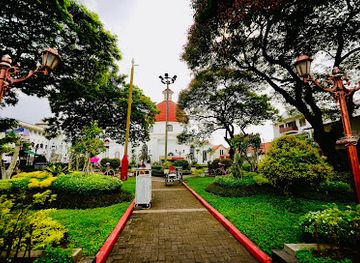
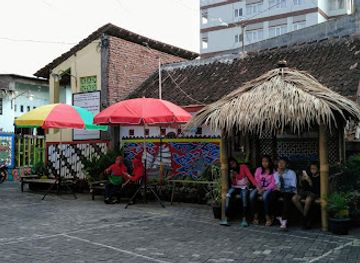
Best landmarks in Old Town Semarang
Gereja Blenduk is Kota Lama’s defining landmark, its large dome and symmetrical classical façade standing beside Taman Srigunting as a reminder of the former European quarter. The present church building dates from the eighteenth-century colonial period and remains an active place of worship, so its religious function is as important as its architectural appearance. The red-brick Marba building is another recognisable structure, valued for its colour, scale and position within the historic commercial streets. Around these are former banks, warehouses, offices and residences whose doors, windows, arcades and masonry document the area’s port economy. Kali Berok and the surviving street layout also matter as urban landmarks: together they show how waterways, drainage and commerce organised the old town. Semarang Tawang railway station stands immediately nearby and is historically connected to the wider transport story, though it is outside the concentrated architectural core.
-
Tourist attraction
Old Town Semarang
Discover the historical allure and cultural vibrancy of Old Town Semarang, a heritage gem in Central Java, Indonesia.
1 min walk · 0.1 km from neighbourhood centre
-
Museum
Museum Kota Lama
Explore Semarang's history at Museum Kota Lama - a cultural gem that showcases the city's rich heritage and vibrant past.
5 min walk · 0.4 km from neighbourhood centre
-
Historical landmark
Rumah Akar Kota Lama Semarang
Explore Rumah Akar Kota Lama Semarang, a historical landmark that unveils the rich culture and heritage of Central Java for an unforgettable travel experience.
2 min walk · 0.1 km from neighbourhood centre
-
Historical landmark
Gedung Marba ( Martak - Bajunaid ) - History of Yemeni Bussinesman - رجل أعمال يمني - in Semarang
Discover Gedung Marba, a historical landmark in Semarang showcasing the rich legacy of Yemeni businessmen and the culture of Central Java.
1 min walk · 0.1 km from neighbourhood centre


Explore Old Town Semarang on the map
A handpicked selection of must-see spots in Old Town Semarang, mapped for you.
Best hotels in Old Town Semarang
Best restaurants in Old Town Semarang
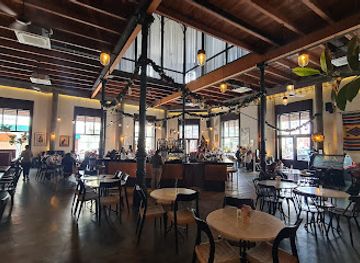
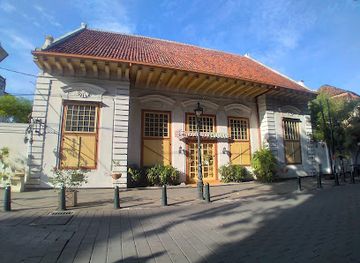
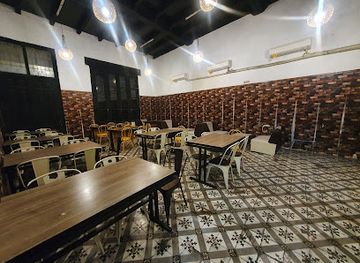
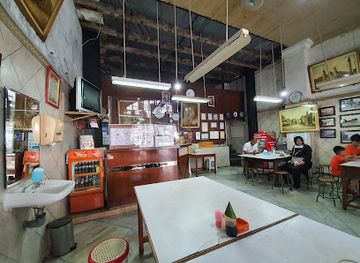
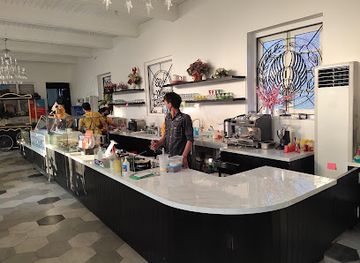
Kota Lama’s food scene is shaped less by a single signature cuisine than by the adaptive reuse of old commercial buildings as cafés, casual restaurants and places for coffee or light meals. Around Taman Srigunting and the principal heritage streets, visitors will find contemporary menus alongside Indonesian favourites, while the atmosphere comes from eating within or beside former warehouses and trading premises. The nearby Semarang Chinese Quarter has a stronger concentration of Chinese-Indonesian food and traditional eateries, but it is a separate district rather than part of Kota Lama; Pasar Johar and surrounding streets provide another distinct food environment. In the old town itself, opening arrangements and individual businesses can change, so the most reliable approach is to regard dining as a complement to the architectural walk rather than the sole reason to visit. Local specialities such as lumpia are associated with Semarang more broadly, not exclusively with Kota Lama.
-
Bistro
Spiegel All Day Bar & Dining
Experience culinary excellence at Spiegel All Day Bar & Dining in Semarang—where gourmet cuisine meets vibrant nightlife.
1 min walk · 0.1 km from neighbourhood centre
-
Ikan bakar restaurant
Ikan Bakar Cianjur - Kota Lama
Experience authentic Sundanese cuisine at Ikan Bakar Cianjur in Kota Lama – where fresh grilled fish meets rich cultural heritage.
1 min walk · 0.1 km from neighbourhood centre
-
Restaurant
Pringsewu Kota Lama Semarang
Experience traditional Indonesian cuisine with a modern twist at Pringsewu Kota Lama Semarang - a must-visit culinary destination in Central Java.
2 min walk · 0.1 km from neighbourhood centre
-
Satay restaurant
Sate & Gule Kambing 29 - Gereja Blenduk
Experience the authentic flavors of Indonesia at Sate & Gule Kambing 29 in Semarang – where every bite tells a story.
1 min walk · 0.1 km from neighbourhood centre
Best bars in Old Town Semarang
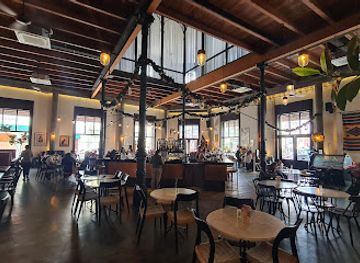
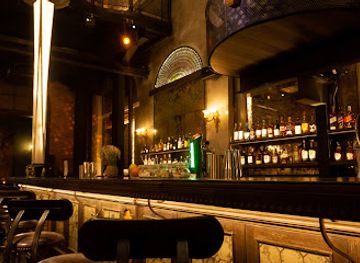
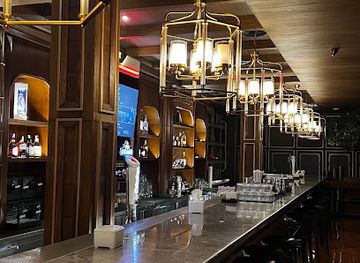
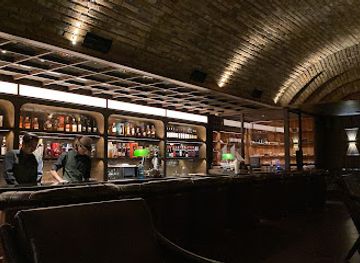
Kota Lama is not Semarang’s principal nightclub district, but its heritage buildings give evenings a distinctive setting for cafés, casual bars, restaurants and cultural gatherings. Around Taman Srigunting and the restored commercial premises, visitors may find places serving drinks and light food late into the day, with a mood that is generally more social and architectural than party-driven. Some venues use old façades, courtyards or warehouse interiors for performances, exhibitions and community events, although programmes and opening arrangements are changeable. The streets become quieter away from the main activity, and many buildings remain offices, residences or closed heritage properties, so visitors should not expect continuous nightlife across the whole quarter. For a fuller late-night scene, other parts of Semarang may be more appropriate; in Kota Lama, evening appeal lies chiefly in illuminated architecture, relaxed conversation and occasional cultural programming.
-
Bistro
Spiegel All Day Bar & Dining
Discover the vibrant atmosphere and exquisite flavors at Spiegel All Day Bar & Dining in Semarang, where culinary experiences come alive.
1 min walk · 0.1 km from neighbourhood centre
-
Bar
Laroka
Experience the fusion of Italian cuisine and lively bar culture at Laroka, Semarang's top destination for food and cocktails.
4 min walk · 0.3 km from neighbourhood centre
-
Lounge
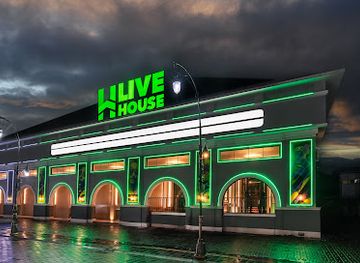
HW Livehouse Semarang
Discover the vibrant nightlife at HW Livehouse Semarang, where great drinks and live music create unforgettable experiences in Central Java.
4 min walk · 0.3 km from neighbourhood centre
-
Bar
Bojana Bar
Experience the tropical delight of Bojana Bar in Semarang, where Caribbean vibes meet vibrant nightlife and exquisite cocktails.
3 min walk · 0.3 km from neighbourhood centre
Best nightclubs in Old Town Semarang
Kota Lama is not Semarang’s principal nightclub district, but its heritage buildings give evenings a distinctive setting for cafés, casual bars, restaurants and cultural gatherings. Around Taman Srigunting and the restored commercial premises, visitors may find places serving drinks and light food late into the day, with a mood that is generally more social and architectural than party-driven. Some venues use old façades, courtyards or warehouse interiors for performances, exhibitions and community events, although programmes and opening arrangements are changeable. The streets become quieter away from the main activity, and many buildings remain offices, residences or closed heritage properties, so visitors should not expect continuous nightlife across the whole quarter. For a fuller late-night scene, other parts of Semarang may be more appropriate; in Kota Lama, evening appeal lies chiefly in illuminated architecture, relaxed conversation and occasional cultural programming.
-
Night club
HW Tiger Club Semarang
Discover the exhilarating nightlife at HW Tiger Club Semarang, where vibrant music and cocktails create unforgettable memories in Central Java.
4 min walk · 0.3 km from neighbourhood centre
-
Lounge
HW Livehouse Semarang
Experience the vibrant nightlife of Semarang at HW Livehouse, where live music and a chic lounge atmosphere create unforgettable evenings.
4 min walk · 0.3 km from neighbourhood centre
-
Night club
Karaoke *DIVA*
Experience the vibrant nightlife at Karaoke DIVA in Semarang, where you can sing your favorite songs in a lively and welcoming atmosphere.
3 min walk · 0.3 km from neighbourhood centre
-
Night club
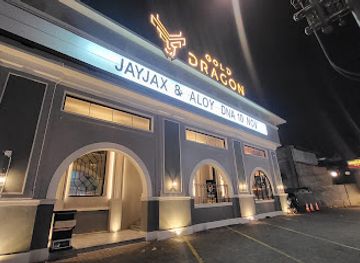
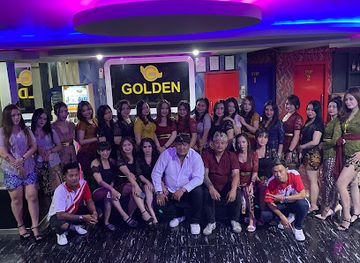
GOLDEN MUSIC KARAOKE
Discover the vibrant nightlife of Semarang City at Golden Music Karaoke, the perfect place for singing and celebration in Central Java.
3 min walk · 0.2 km from neighbourhood centre
Best shops in Old Town Semarang
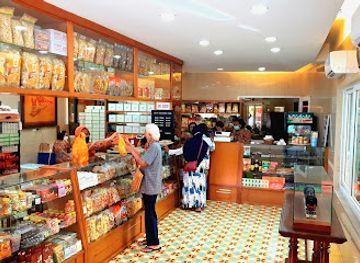
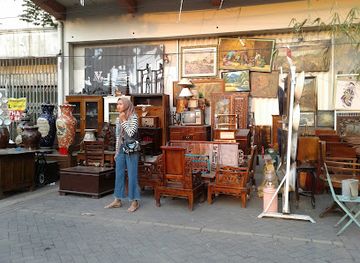
Shopping in Kota Lama is modest and heritage-led rather than centred on a large retail street. Independent cafés, design-oriented businesses, galleries, souvenir sellers and small lifestyle shops occupy some restored buildings around the principal square and adjoining lanes, while occasional markets or cultural events may bring craft goods and local products into public spaces. The most rewarding purchases are often tied to Semarang’s wider culture—food gifts, small artworks, books, prints or locally made souvenirs—rather than to a specialised Kota Lama craft tradition. For broader everyday shopping, Pasar Johar and the nearby Chinese Quarter offer different commercial environments, but both lie outside the old town and should be treated as separate stops. Stock, tenants and event-based stalls can change as restoration and adaptive reuse continue, so visitors should expect a small-scale, mixed retail scene rather than a dense shopping district.
-
Tourist attraction
Old Town Semarang
Discover Semarang's Old Town, a vibrant historical landmark filled with colonial architecture and cultural heritage.
1 min walk · 0.1 km from neighbourhood centre
-
Gift shop
Wingko Babad Cap Kereta Api
Discover the flavors of Central Java at Wingko Babad Cap Kereta Api, your go-to destination for traditional delicacies and unique souvenirs in Semarang.
4 min walk · 0.3 km from neighbourhood centre
-
Ice Cream
Oud En Nieuw by Toko Oen
Discover a delightful culinary haven in Semarang with ice creams, barbecued treats, and pancakes at Oud En Nieuw by Toko Oen.
3 min walk · 0.3 km from neighbourhood centre
-
Antique store
Pasar Barang Antik Kota Lama
Explore the rich history of Semarang at Pasar Barang Antik Kota Lama, a vibrant antique market filled with unique treasures and cultural artifacts.
1 min walk · 0.1 km from neighbourhood centre
Old Town Semarang essentials
Getting There
Getting Around
Safety
Emergency Situations
Do's and Don'ts
Local Tips

From Eve
Local phrases worth knowing
You don't need to get them perfect. A few words go a long way, and locals appreciate the effort.
Basics
| English | Local | Say it |
|---|---|---|
| Hello | Halo | [haˈlo] |
| Goodbye | Selamat tinggal | [səˈlamat ˈtiŋgal] |
| Yes | Ya | [ja] |
| No | Tidak | [tiˈdak] |
| Please/You're welcome | Silahkan | [silahkan] |
| Thank you | Terima kasih | [təˈrima kaˈsih] |
| Excuse me/Sorry | Maaf | [maˈaf] |
| How are you? | Apa kabar? | [ˈapa ˈkabar] |
| Fine. And you? | Baik. Bagaimana denganmu? | [baɪk. baˈɡaimana dəŋanmu] |
| Do you speak English? | Apakah kamu bisa berbahasa Inggris? | [apaˈkah ˈkamu bisa bərbaˈhasa ˈiŋgris] |
| I don't understand | Saya tidak mengerti | [saˈja tiˈdak məŋˈɡerti] |
Eating & Drinking
| English | Local | Say it |
|---|---|---|
| I'd like to see the menu, please | Bisa saya lihat menu, tolong? | [ˈbisa saˈja lihat ˈmenu toloŋ] |
| I don't eat meat | Saya tidak makan daging | [saˈja tiˈdak ˈmakan ˈdaɪaŋ] |
| Cheers! | Selamat minum! | [səˈlamat ˈminum] |
| I would like to pay, please | Saya ingin membayar, tolong | [saˈja ˈiŋɡin məmˈba.jar toloŋ] |
Emergencies
| English | Local | Say it |
|---|---|---|
| Help! | Tolong! | [toˈloŋ] |
| Go away! | Pergi! | [ˈperɡi] |
| Call the Police! | Panggil polisi! | [ˈpaŋɡil poˈlisi] |
| Call a doctor! | Panggil dokter! | [ˈpaŋɡil ˈdo.ktər] |
| I'm lost | Saya tersesat | [saˈja tərˈsəsat] |
| I'm ill | Saya sakit | [saˈja ˈsa.kit] |
Shopping
| English | Local | Say it |
|---|---|---|
| I'd like to buy... | Saya ingin membeli... | [saˈja ˈiŋɡin məmˈbəli] |
| I'm just looking | Saya hanya melihat-lihat | [saˈja ˈhanya məˈlihat ˈlihat] |
| How much is it? | Berapa harganya? | [bəˈrapa harˈɡaɲa] |
| That's too expensive | Itu terlalu mahal | [ˈitu tərˈlalu maˈhal] |
| Can you lower the price? | Bisa turunkan harganya? | [ˈbisa turunˈkan harˈɡaɲa] |
Time & Numbers
| English | Local | Say it |
|---|---|---|
| What time is it? | Sekarang jam berapa? | [səˈkaraŋ ˈdʒam bəˈrapa] |
| It's one o'clock | Sekarang jam satu | [səˈkaraŋ ˈdʒam ˈsa.tu] |
| Half past (10) | Setengah (sepuluh) | [səˈtəŋah (səˈpu.lu)] |
| Morning | Pagi | [ˈpaɡi] |
| Afternoon | Sore | [ˈso.re] |
| Evening | Malam | [ˈma.lam] |
| Yesterday | Kemarin | [kəˈmarin] |
| Today | Hari ini | [ˈhari iˈni] |
| Tomorrow | Besok | [ˈbəsoʔ] |
| 1 | Satu | [ˈsa.tu] |
| 2 | Dua | [ˈdu.a] |
| 3 | Tiga | [ˈti.ɡa] |
| 4 | Empat | [əmˈpat] |
| 5 | Lima | [ˈli.ma] |
| 6 | Enam | [ˈə.nam] |
| 7 | Tujuh | [ˈtu.dʒuʔ] |
| 8 | Delapan | [dəˈla.pan] |
| 9 | Sembilan | [səmˈbi.lan] |
| 10 | Sepuluh | [səˈpu.lu] |
Transport & Directions
| English | Local | Say it |
|---|---|---|
| Where's a/the...? | Dimana ada/ada... | [diˈmana aˈda/aˈda] |
| What's the address? | Berapa alamatnya? | [bəˈrapa alamatˈɲa] |
| Can you show me (on the map)? | Bisa tunjukkan saya (di peta)? | [ˈbisa tunˈdʒukˌkan saˈja (di ˈpəta)] |
| When's the next (bus)? | Kapan bus berikutnya? | [kaˈpan bus bəriˈkutˌnja] |
| A ticket (to ....) | Tiket (ke ....) | [ˈti.kət (kə)] |
History of Old Town Semarang
A Coastal Trading Settlement
Semarang developed as a coastal trading centre on Java’s north coast, linked to inland routes and the fertile agricultural regions around the city. The area now identified as Kota Lama grew beside the harbour and river channels used to move goods between ships, warehouses and the interior. Its later European appearance should not obscure the older port economy or the Javanese and Chinese communities whose labour, commerce and institutions supported Semarang’s growth. The quarter’s location near the coast also exposed it to flooding, tidal conditions and ground subsidence, environmental pressures that have continued to shape the city.
Dutch Rule and Walled Semarang
Under Dutch East India Company influence, Semarang became an important commercial base on Java. European administrative and mercantile buildings were concentrated in a fortified area often known as de Europeesche Buurt, or the European quarter. Defensive walls, gates and canals once separated this district from other parts of the port city, although most of the fortifications have disappeared. The surviving street plan and substantial masonry buildings belong largely to the period when Dutch institutions, trading houses and warehouses organised the port’s commercial life. Gereja Blenduk, founded for the Dutch Reformed community and rebuilt in its present form in the eighteenth century, remains the clearest symbol of that era.
Commerce, Railways and Urban Expansion
During the nineteenth and early twentieth centuries, Semarang’s trade expanded as shipping, plantations and railways connected the coast with central Java. Kota Lama became a concentration of offices, banks, residences, warehouses and commercial premises serving this wider economy. Rail infrastructure near the quarter, including the area around Semarang Tawang station, strengthened its connection with inland markets and other north-coast cities. The neighbourhood’s architecture from this period records the practical needs of commerce as much as European taste: large openings, sturdy construction, shaded verandas and proximity to water and transport.
Occupation, Decline and Adaptation
The Japanese occupation during the Second World War and Indonesia’s subsequent independence changed the institutional and political setting of the old European quarter. Buildings formerly associated with colonial administration and private trading passed into different uses, while commercial activity increasingly shifted towards other parts of Semarang. Flooding, tidal water, subsidence and deferred maintenance contributed to the deterioration of many structures in the decades that followed. The neighbourhood nevertheless retained an unusually coherent collection of historic buildings, making it an important local record of Semarang’s port-city development.
Heritage Revitalisation
From the late twentieth century onwards, residents, conservation advocates and public authorities increasingly promoted Kota Lama as a heritage district. Restoration projects, streetscape improvements and the adaptive reuse of former commercial buildings have introduced galleries, cafés, offices and event spaces into parts of the quarter. Renewal has not erased the area’s practical problems: conservation must still contend with traffic, humidity, flooding, vacant buildings and the tension between commercial use and historic fabric. Kota Lama’s contemporary identity therefore rests on an ongoing process of repair and reuse rather than on a perfectly preserved colonial enclave.
Old Town Semarang in Photos
Browse through our photo collection highlighting the charm and character of the destination.
Neighbourhoods near Old Town Semarang
The closest neighbourhoods to Old Town Semarang, if you have time for more than one stop.
-

-

-


Swipe for more neighbourhoods
Explore more

Explore more of Semarang
Semarang, Indonesia blends Kota Lama heritage, Javanese culture, coastal food and striking landmarks for rewarding city sightseeing and local experiences.
Explore Semarang