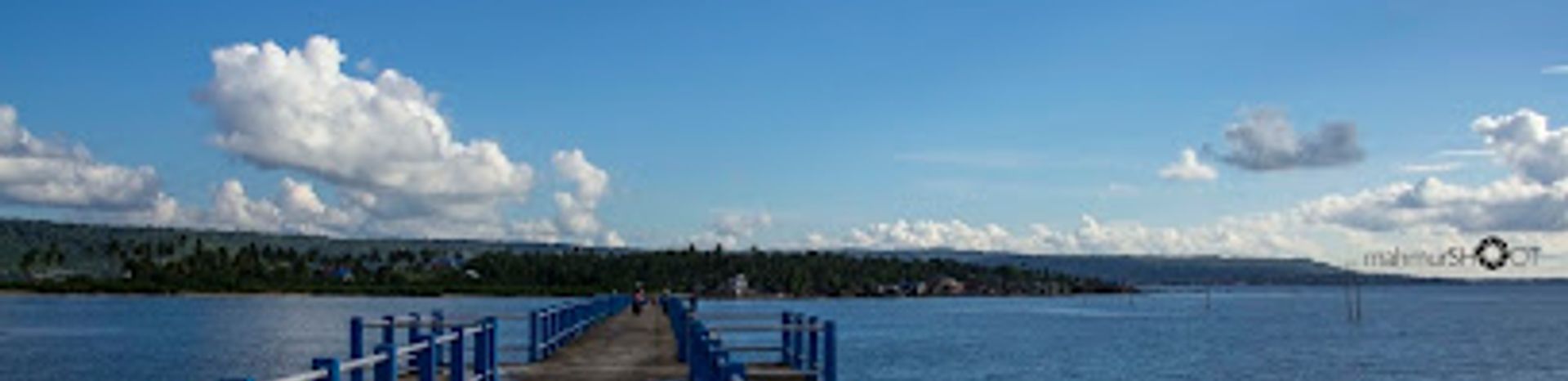
Pulau Makassar: A Tropical Gem in South East Sulawesi
Explore the enchanting Pulau Makassar, an island paradise in South East Sulawesi, known for its stunning beaches and vibrant marine life.
Discover the stunning beauty of Pulau Makassar, a picturesque island offering pristine beaches, vibrant marine life, and serene landscapes in South East Sulawesi. Perfect for relaxation and adventure alike, it’s a must-visit destination for travelers seeking a slice of paradise.
A brief summary to Pulau Makassar
- Bau-Bau City, Sukanayo, Kokalukuna, South East Sulawesi, ID
Local tips
- Visit during the dry season (April to October) for the best weather and optimal beach conditions.
- Bring snorkeling gear to explore the vibrant underwater life at your leisure.
- Try local seafood dishes at beachside eateries for an authentic dining experience.
- Respect local customs and traditions, especially when interacting with the indigenous communities.
- Consider hiring a local guide for a more enriching experience and to discover hidden gems on the island.

Getting There
-
Car
If you are driving from Makassar, head east on Jalan Poros Makassar - Parepare. Continue for about 200 km until you reach the town of Kolaka. From Kolaka, take the road to Baubau, which is approximately 120 km away. Once you arrive in Baubau, you need to find a local boat service to Pulau Makassar. The boat departs from the Baubau port. The boat ride takes about 30 minutes to reach the island.
-
Public Transportation
From Makassar, take a bus to Kolaka. The bus journey takes around 6 to 8 hours, and tickets can be purchased at the bus terminals. Once in Kolaka, transfer to a local bus or minivan heading to Baubau, which is about 2 hours away. When you arrive in Baubau, head to the main port to catch a boat to Pulau Makassar. Make sure to check the boat schedules as they may vary; expect the ride to take around 30 minutes.
-
Boat
If you are already in Baubau, go directly to the Baubau port to purchase a ticket for the boat to Pulau Makassar. The price for the boat ride is generally affordable, typically around 50,000 to 100,000 IDR per person (approximately 3 to 7 USD). Make sure to confirm the departure times and the duration of the trip, which is about 30 minutes.
Discover more about Pulau Makassar
Unmissable attractions to see

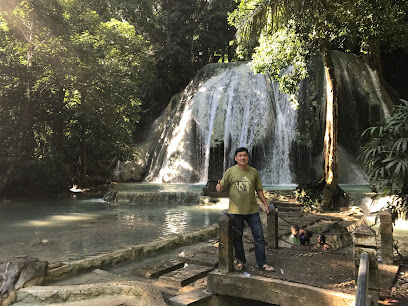
Air Terjun Tirta Rimba
3.4 km
Experience the stunning beauty of Air Terjun Tirta Rimba, a hidden waterfall oasis in Southeast Sulawesi, perfect for nature lovers and adventure seekers alike.
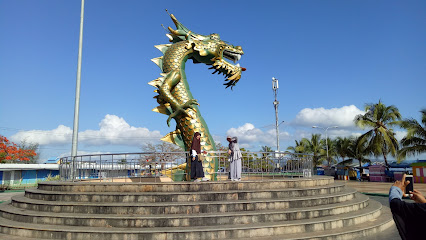
Pantai Kamali, Baubau
3.8 km
Experience the vibrant atmosphere and stunning coastal views at Pantai Kamali, Baubau’s premier amusement park destination.
Kampung Bajo
42.4 km
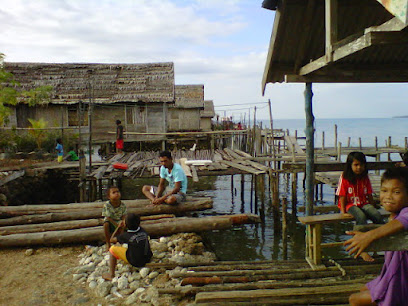
Explore Kampung Bajo, a picturesque village in South East Sulawesi known for its rich culture, stunning landscapes, and authentic experiences.
Danau Napabale
59.7 km
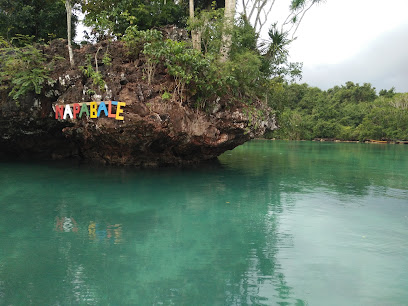
Experience the tranquil beauty of Danau Napabale, a stunning lake in South East Sulawesi perfect for relaxation, adventure, and nature exploration.
Koguna Beach
66.6 km
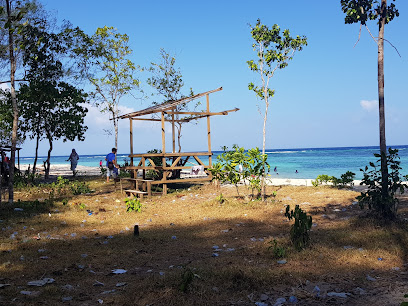
Experience the serene beauty of Koguna Beach in South East Sulawesi, where crystal-clear waters meet soft sandy shores for an unforgettable tropical getaway.
Kambode Island
95.7 km
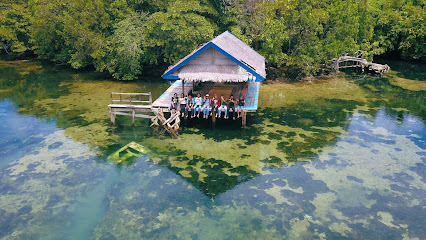
Discover the serene beauty of Kambode Island, a hidden paradise in the Wakatobi Archipelago, perfect for snorkeling, diving, and cultural exploration.
Essential places to dine

Rumah Makan Bukit Indah
3.9 km
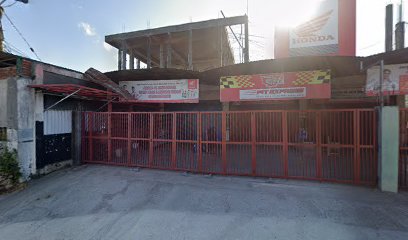
Experience authentic Padang cuisine at Rumah Makan Bukit Indah in Bau-Bau City - a must-visit culinary destination in South East Sulawesi.
Rumah Makan Lambusango
30.2 km
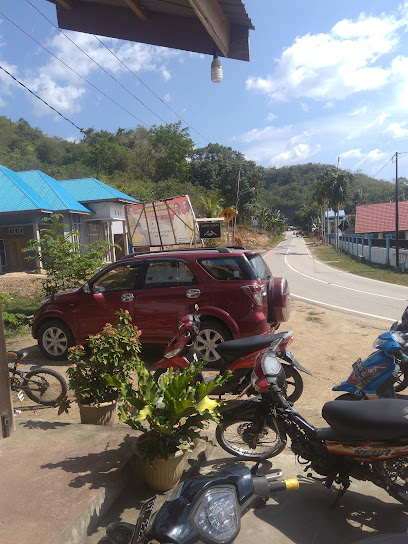
Discover authentic Padang cuisine at Rumah Makan Lambusango - a culinary gem in South East Sulawesi offering delicious flavors and warm hospitality.
Markets, malls and hidden boutiques

Cinemaxx Lippo Plaza Buton
4.0 km
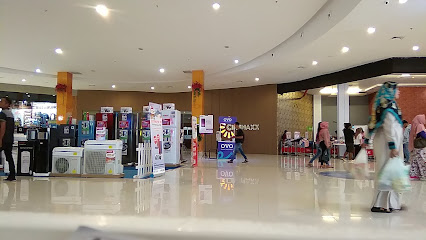
Experience the latest films in comfort at Cinemaxx Lippo Plaza Buton, the top movie theater in Bau-Bau City, Southeast Sulawesi.
Retail Barang Pisau Wakatobi
5.0 km
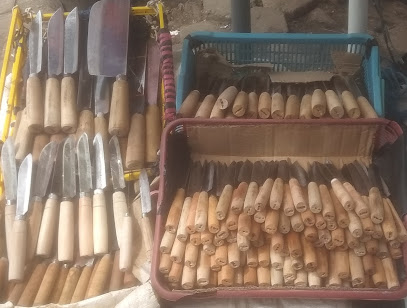
Experience the rich flavors of South East Sulawesi at Retail Barang Pisau Wakatobi, a cozy coffee shop in Bau-Bau City, perfect for relaxation and local culture.
Nightclubs & after hour spots

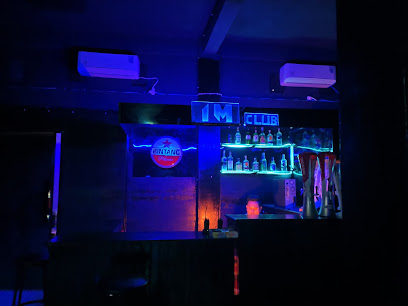
IM CLUB
12.1 km
Discover the vibrant karaoke scene at IM CLUB in Bau-Bau, where music and culture create unforgettable nights.
Ka Ana No Wa Refiyani
26.7 km
Discover the vibrant nightlife at Ka Ana No Wa Refiyani, a premier night club in Buton Regency, South East Sulawesi, where music and dance come alive.