

Free South Sulawesi Travel Guide & Mobile App
Explore South Sulawesi with free travel guides. Discover regional history, expert tips, proposed trips, and audio guides on web or mobile app.


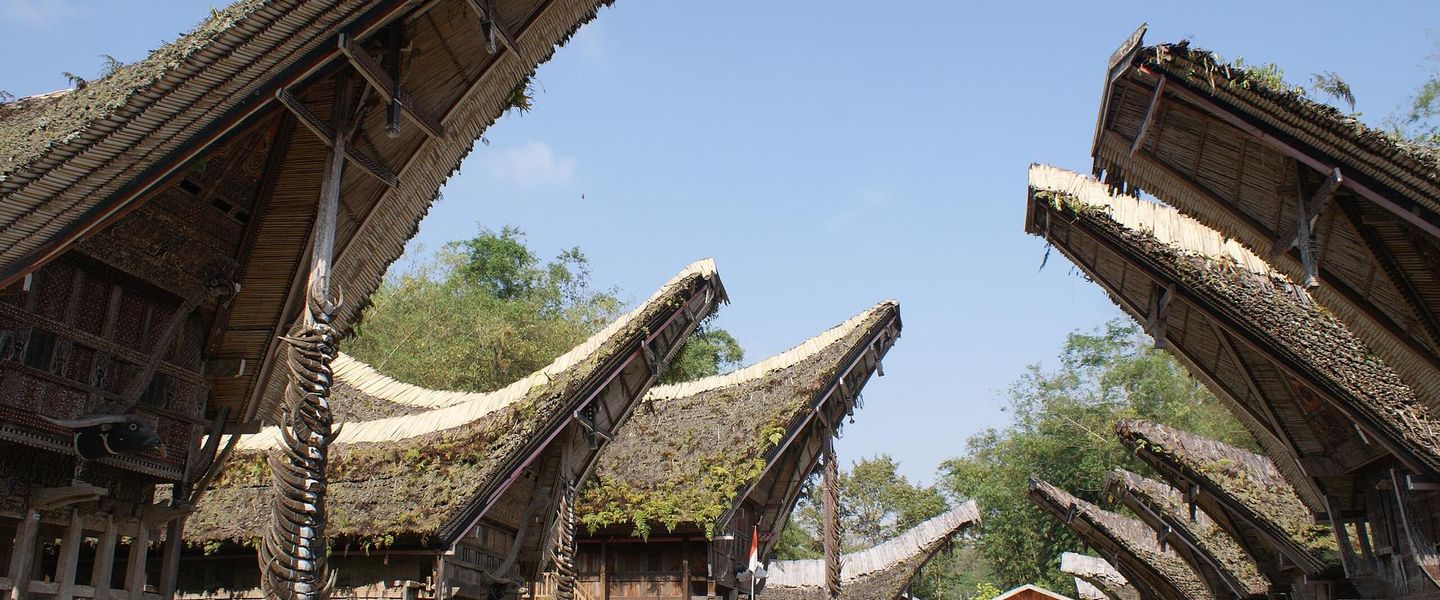


Explore South Sulawesi for Makassar’s maritime history, Toraja highlands, Maros karsts, pinisi shipbuilding and island reefs.
Read more about South Sulawesi
When is the best time to visit South Sulawesi?
Best: June–August · 32°C| Month | High (°C) | Rainfall (mm) |
|---|---|---|
| January | 32 | 250 |
| February | 32 | 230 |
| March | 32 | 210 |
| April | 32 | 190 |
| May | 32 | 170 |
| June (best) | 32 | 150 |
| July (best) | 32 | 150 |
| August (best) | 32 | 170 |
| September | 32 | 190 |
| October | 32 | 210 |
| November | 32 | 230 |
| December | 32 | 250 |
Getting to and around South Sulawesi
How to get there
Transportation
Top city travel guides in South Sulawesi
The cities of South Sulawesi, and the easiest places to base yourself.

Swipe for more cities
Destinations in South Sulawesi
Resorts, valleys and scenic spots worth a trip of their own.

Swipe for more destinations
Best attractions in South Sulawesi
South Sulawesi’s attractions range from the urban heritage of Makassar to remote reefs and mountain villages. In the city, Fort Rotterdam introduces the region’s Gowa-Tallo and colonial history, while museums, markets and waterfront areas provide context for its continuing role as a maritime centre. North of Makassar, Bantimurung-Bulusaraung National Park combines waterfalls, forest, caves and immense limestone formations; the Maros-Pangkep karst landscape can also be explored around Leang-Leang and the waterways of Rammang-Rammang. The Toraja highlands offer a very different cultural landscape, with traditional tongkonan houses, rice terraces, cliff burials and villages best visited with local guidance. In the south, Bulukumba is associated with pinisi shipbuilding, and Bira provides beaches and access to marine activities. Offshore, the Selayar Islands and Takabonerate National Park appeal to divers, snorkellers and experienced island travellers, although boat logistics and weather require careful planning. Lake Tempe near Wajo adds a freshwater landscape shaped by fishing communities and seasonal conditions.
-
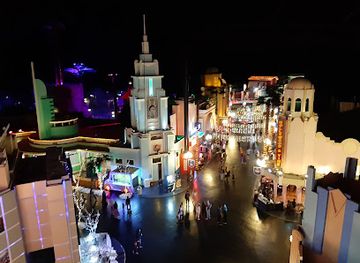
Shopping mall
Trans Studio Mall Makassar
Discover the ultimate shopping and entertainment experience at Trans Studio Mall Makassar, where diverse shops and attractions await every visitor.
-
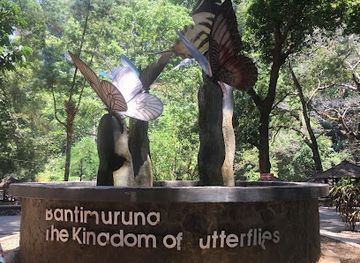
Tourist attraction
Bantimurung Waterfall
Explore the breathtaking Bantimurung Waterfall, a stunning natural attraction in South Sulawesi, featuring lush landscapes and serene waterfalls.
-
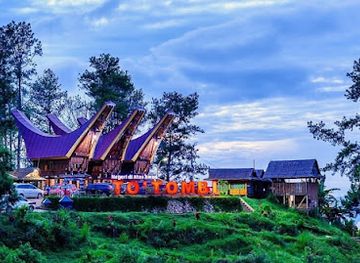
Tourist attraction
Lolai - To' Tombi, Negeri di atas awan
Experience the breathtaking beauty and cultural richness of Lolai - To' Tombi, the enchanting land above the clouds in South Sulawesi, Indonesia.
-
Tourist attraction
Rammang Rammang Karst Village
Explore the mesmerizing Rammang Rammang Karst Village in South Sulawesi, a natural paradise with stunning limestone formations and rich cultural experiences.

Best landmarks in South Sulawesi
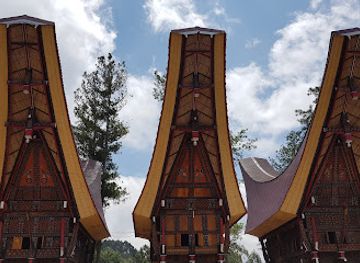
Fort Rotterdam in Makassar is South Sulawesi’s most recognisable historic structure, with Dutch walls enclosing buildings associated with the earlier Gowa fortification and the city’s transition into a colonial port. In the Toraja highlands, the tongkonan, with its dramatically upswept roof, is an architectural symbol of family, ancestry and social identity; clusters of these houses are especially significant when understood in their village setting. Cliffside burial sites and tau-tau wooden effigies form another distinctive Torajan landmark tradition, although they are sacred places rather than theatrical attractions. The limestone pinnacles and cave systems of the Maros-Pangkep karst are major natural landmarks, while Leang-Leang’s prehistoric painted caves connect the landscape with deep human history. In Bulukumba, traditional pinisi vessels under construction provide a living maritime landmark, demonstrating the scale and skill of South Sulawesi’s wooden boatbuilding heritage. The white sands and offshore waters around Bira and the island landscapes of Selayar extend the province’s landmark geography from mountains to sea.
-
Monument
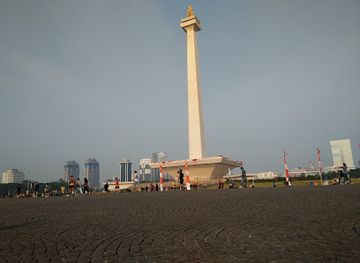
Monas
Discover the spirit of Indonesia at Monas, a monumental tribute to the nation's independence and a stunning landmark in Jakarta's skyline.
-
Historical landmark
Fort Rotterdam
Uncover the historical charm of Fort Rotterdam in Makassar, Indonesia, a stunning fortress rich in culture and heritage, perfect for all history enthusiasts.
-
Island
Sulawesi
Experience the breathtaking landscapes and rich cultural heritage of Sulawesi, Indonesia's hidden gem offering adventure and relaxation.
-
Tourist attraction
Lolai - To' Tombi, Negeri di atas awan
Explore Lolai - To' Tombi, a breathtaking park in North Toraja, South Sulawesi, where stunning views and rich culture meet in harmony.
Explore South Sulawesi on the map
Plan your trip on one map. See where the top cities, national parks and sights are, and book hotels and experiences in a few clicks.
Best hotels in South Sulawesi
Best restaurants in South Sulawesi
South Sulawesi has one of Indonesia’s most distinctive regional food traditions, particularly in Makassar, where hearty dishes are served in simple eateries, market stalls and family-run restaurants. Coto Makassar is a rich beef and offal soup traditionally accompanied by rice cakes, while pallubasa offers a related but separately seasoned preparation. Konro refers to beef ribs or rib soup with a dark, aromatic broth, and grilled seafood is prominent in this major port city and along the coast. Visitors may also encounter pallumara, a sour and spicy fish preparation, plus regional cakes and sweet snacks influenced by Bugis and Makassarese cooking. Coffee from the highlands is increasingly visible in cafés, while fresh fish, rice and locally grown produce shape everyday meals. In Toraja, menus often combine local ingredients with Indonesian staples, and in rural districts dining choices may be limited to warungs and guesthouse kitchens. Hygiene, spice levels and availability vary, so asking locally is useful.
-
South Sulawesi restaurant
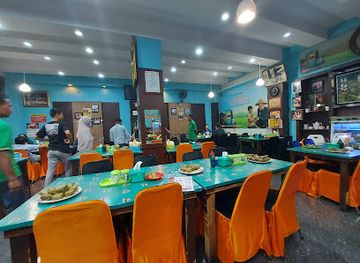
Aroma Coto Gagak
Discover the authentic taste of South Sulawesi at Aroma Coto Gagak, where traditional Soto dishes delight your palate in a warm atmosphere.
-
South Sulawesi restaurant
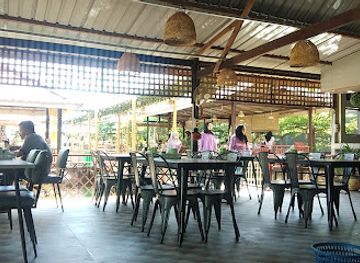
Lesehan La Bugis
Experience authentic South Sulawesi flavors at Lesehan La Bugis—a dining gem for every traveler.
-
Italian
La Piccola Italy - Makassar
Experience authentic Italian flavors at La Piccola Italy in Makassar, offering delicious pasta, pizza, and gourmet grocery items.
-
Restaurant
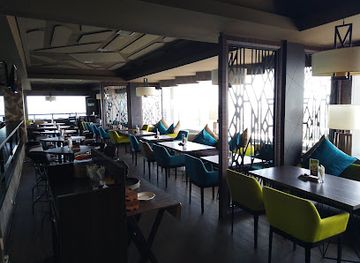
Gravity Sky Lounge
Discover exquisite dining and breathtaking views at Gravity Sky Lounge in Makassar - where elegance meets vibrant nightlife.

Best bars in South Sulawesi
Nightlife in South Sulawesi is concentrated in Makassar, where the evening scene includes cafés, hotel lounges, seafood restaurants, karaoke venues, live-music bars and a limited selection of clubs. The city’s waterfront and central commercial districts are busier after dark than most provincial towns, although venues and opening arrangements can change. Outside Makassar, evening life generally centres on family restaurants, coffee shops, roadside food stalls and traditional community gatherings rather than a dedicated club circuit. In the Toraja highlands, nights are quieter, with guesthouse dining and occasional music providing the main social options. Coastal resorts around Bira may offer relaxed drinks and sunset dining, but should not be expected to operate like a major urban nightlife destination. Alcohol is available in licensed venues, yet local religious and cultural norms vary; visitors should behave discreetly and follow venue rules.
-
Restaurant
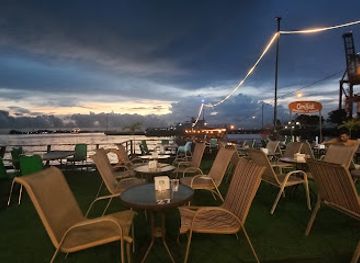
Cafe & Resto Ombak
Discover the flavors of Makassar at Café & Resto Ombak, where delicious food meets stunning views in a vibrant atmosphere.
-
Bar
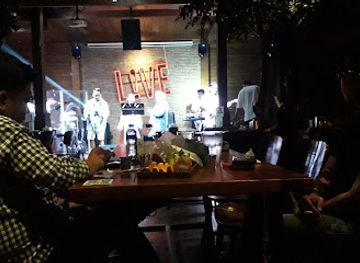
HW Helen's Live Bar Makassar
Dive into the vibrant nightlife of Makassar at HW Helen's Live Bar, where live music meets a lively atmosphere for an unforgettable experience.
-
Karaoke bar
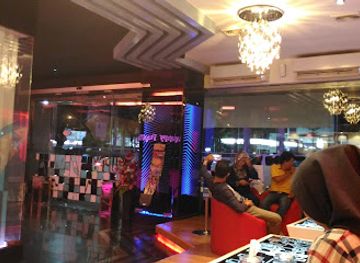
Happy Puppy
Discover the vibrant nightlife of Makassar at Happy Puppy, the ultimate karaoke bar for a fun-filled evening with friends and family.
-
Lounge
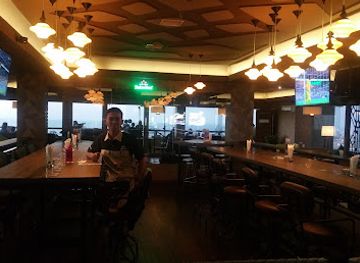
Gravity Sky Lounge
Experience breathtaking views and vibrant nightlife at Gravity Sky Lounge in Makassar, where fine dining meets casual elegance.
Best nightclubs in South Sulawesi
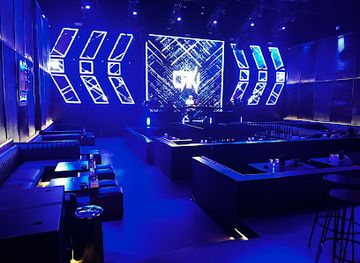
Nightlife in South Sulawesi is concentrated in Makassar, where the evening scene includes cafés, hotel lounges, seafood restaurants, karaoke venues, live-music bars and a limited selection of clubs. The city’s waterfront and central commercial districts are busier after dark than most provincial towns, although venues and opening arrangements can change. Outside Makassar, evening life generally centres on family restaurants, coffee shops, roadside food stalls and traditional community gatherings rather than a dedicated club circuit. In the Toraja highlands, nights are quieter, with guesthouse dining and occasional music providing the main social options. Coastal resorts around Bira may offer relaxed drinks and sunset dining, but should not be expected to operate like a major urban nightlife destination. Alcohol is available in licensed venues, yet local religious and cultural norms vary; visitors should behave discreetly and follow venue rules.
-
Lounge
Gravity Sky Lounge
Experience breathtaking views and exquisite cuisine at Gravity Sky Lounge in Makassar, where the sky meets indulgence.
-
Night club
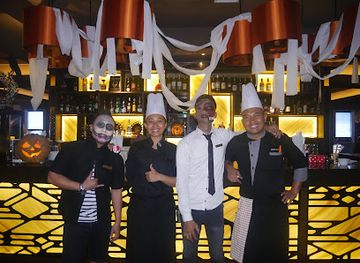
HW Tiger Club Makassar
Dive into Makassar's vibrant nightlife at HW Tiger Club, where electrifying music and lively atmosphere create unforgettable nights.
-
Night club
VENN Club & Bar
Dive into Makassar's vibrant nightlife at VENN Club & Bar, where electrifying music and an energetic atmosphere await every night.
-
Night club
Altitude Nightclub
Experience the pulsating nightlife of Manado at Altitude Nightclub, where vibrant music and stylish ambiance create unforgettable nights.


Best shops in South Sulawesi
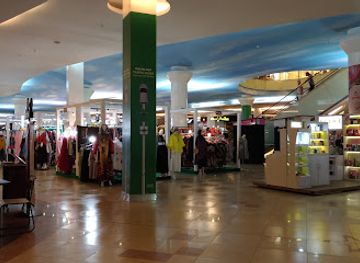
Makassar is the province’s principal shopping centre, with modern malls, traditional markets, food shops and independent retailers offering a practical mix of everyday goods and regional products. Pasar Terong is associated with produce and market life, while other city markets are useful for spices, dried seafood, snacks and household goods; conditions and opening arrangements can vary. South Sulawesi specialities to look for include packaged coffee, regional biscuits, spice blends and shelf-stable foods suitable for travel. In Toraja, visitors can find woven textiles, carved objects, coffee and locally made crafts, but should buy respectfully and ask about the materials and cultural meaning of ceremonial designs. Bulukumba and nearby coastal areas are associated with pinisi craftsmanship, although full-sized boats are generally working vessels rather than retail souvenirs. Smaller towns offer modest high streets and markets rather than extensive tourist shopping, making direct purchases from recognised craftspeople or cooperatives preferable when available.
-
Shopping mall
Trans Studio Mall Makassar
Explore the ultimate shopping and entertainment experience at Trans Studio Mall Makassar, where retail therapy meets family fun.
-
Shopping mall
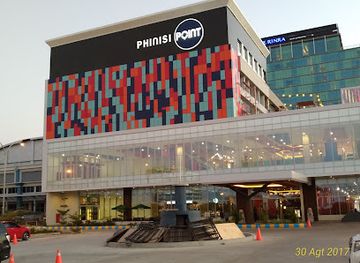
Phinisi Point Mall
Explore the vibrant shopping, dining, and entertainment options at Phinisi Point Mall in Makassar, where modernity meets local culture.
-
Department store
Grand Toserba
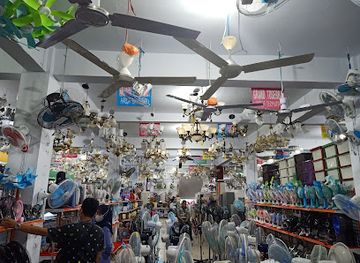
Explore the vibrant Grand Toserba in Makassar, your one-stop destination for groceries, home goods, and unique local products.
-
Shopping mall
Nipah Mall
Discover the vibrant shopping experience at Nipah Mall, Makassar's premier shopping destination featuring diverse stores, dining, and entertainment.

Get your free copy of our complete guide to South Sulawesi, delivered straight to you.
Everything on this page, from attractions and restaurants to essentials and local phrases, in one PDF you can read offline, print or share.
Already have an account? Sign in
Your South Sulawesi guide is ready.
We'll send it to · Not you? Sign out

Getting your guide ready…
We are putting together a fresh copy of the South Sulawesi guide. This can take up to a minute.
This can take a few moments. If your browser asks, choose Allow so the download can start. You'll find the guide in your Downloads folder.
Nothing happened? Download it again
Sorry, the guide is taking longer than usual. Please try again in a minute, or get it by email instead.
South Sulawesi essentials
Currency and Payment
Safety
Emergency Situations
Do's and Don'ts
Local Tips
From Eve
Local phrases worth knowing
You don't need to get them perfect. A few words go a long way, and locals appreciate the effort.
Basics
| English | Local | Say it |
|---|---|---|
| Hello | Halo | [ha-lo] |
| Goodbye | Selamat tinggal | [se-la-mat ting-gal] |
| Yes | Iya | [ee-ya] |
| No | Tidak | [tee-dak] |
| Please/You're welcome | Silakan | [si-la-kan] |
| Thank you | Terima kasih | [te-ri-ma ka-sih] |
| Excuse me/Sorry | Maaf | [ma-af] |
| How are you? | Apa kabar? | [a-pa ka-bar] |
| Fine. And you? | Baik. Dan kamu? | [ba-ik dan ka-mu] |
| Do you speak English? | Apakah kamu bisa bahasa Inggris? | [a-pa-ka kamu bi-sa ba-ha-sa in-gris] |
| I don't understand | Saya tidak mengerti | [sa-ya tee-dak men-ger-ti] |
Eating & Drinking
| English | Local | Say it |
|---|---|---|
| I'd like to see the menu, please | Saya ingin melihat menu, silakan | [sa-ya in-gin me-li-hat me-nu si-la-kan] |
| I don't eat meat | Saya tidak makan daging | [sa-ya tee-dak ma-kan da-ging] |
| Cheers! | Selamat minum! | [se-la-mat mi-num] |
| I would like to pay, please | Saya ingin membayar, silakan | [sa-ya in-gin mem-ba-yar si-la-kan] |
Emergencies
| English | Local | Say it |
|---|---|---|
| Help! | Tolong! | [to-long] |
| Go away! | Pergi jauh! | [per-gi ja-uh] |
| Call the Police! | Panggil polisi! | [pan-gil po-li-si] |
| Call a doctor! | Panggil dokter! | [pan-gil dok-ter] |
| I'm lost | Saya tersesat | [sa-ya ter-se-sat] |
| I'm ill | Saya sakit | [sa-ya sa-kit] |
Shopping
| English | Local | Say it |
|---|---|---|
| I'd like to buy... | Saya ingin membeli... | [sa-ya in-gin mem-be-li] |
| I'm just looking | Saya hanya melihat | [sa-ya han-ya me-li-hat] |
| How much is it? | Berapa harganya? | [be-ra-pa har-ga-nya] |
| That's too expensive | Itu terlalu mahal | [i-tu ter-la-lu ma-hal] |
| Can you lower the price? | Bisakah kamu menurunkan harga? | [bi-sa-kah ka-mu me-nu-run-kan har-ga] |
Time & Numbers
| English | Local | Say it |
|---|---|---|
| What time is it? | Jam berapa? | [jam be-ra-pa] |
| It's one o'clock | Jam satu | [jam sa-tu] |
| Half past (10) | Setengah (10) | [se-ten-gah] |
| Morning | Pagi | [pa-gi] |
| Afternoon | Siang | [si-ang] |
| Evening | Sore | [so-re] |
| Yesterday | Kemarin | [ke-ma-rin] |
| Today | Hari ini | [ha-ri i-ni] |
| Tomorrow | Besok | [be-sok] |
| 1 | Satu | [sa-tu] |
| 2 | Dua | [du-a] |
| 3 | Tiga | [ti-ga] |
| 4 | Empat | [em-pat] |
| 5 | Lima | [li-ma] |
| 6 | Enam | [e-nam] |
| 7 | Tujuh | [tu-juh] |
| 8 | Delapan | [de-la-pan] |
| 9 | Sembilan | [sem-bi-lan] |
| 10 | Sepuluh | [se-pu-luh] |
Transport & Directions
| English | Local | Say it |
|---|---|---|
| Where's a/the...? | Di mana ...? | [di ma-na] |
| What's the address? | Apa alamatnya? | [a-pa a-la-mat-nya] |
| Can you show me (on the map)? | Bisakah kamu tunjukkan (di peta)? | [bi-sa-kah ka-mu tun-juk-kan di pe-ta] |
| When's the next (bus)? | Kapan bus selanjutnya? | [ka-pan bus se-lan-jut-nya] |
| A ticket (to ....) | Sebuah tiket (ke ....) | [se-buah ti-ket ke] |
History of South Sulawesi
Prehistoric Cave Art of Maros and Pangkep
The limestone caves of Maros and Pangkep preserve some of the oldest known figurative rock art traditions in the world, including hand stencils and animal depictions. Archaeological research has also identified evidence of early human activity and the use of coastal and forest resources. The paintings are important not only for their age but also for what they reveal about symbolic expression in ancient Southeast Asia. Leang-Leang and neighbouring cave sites remain part of a wider archaeological landscape, although visitors should follow conservation guidance because humidity, touching and uncontrolled access can damage fragile surfaces.
The Gowa-Tallo Kingdoms
Before European domination, the southwestern peninsula was shaped by powerful Bugis and Makassarese states, particularly the twin kingdoms of Gowa and Tallo. Their rulers developed Makassar into a major entrepôt linking the Indonesian archipelago with Asian trading networks. Islam became established at the beginning of the seventeenth century, and the Gowa-Tallo court adopted it while retaining established political and cultural institutions. Fortifications, royal associations and traditions preserved in Makassar and Gowa still reflect this period of regional power and maritime commerce.
Makassar and the Spice Trade
Makassar’s position beyond the main clove and nutmeg-producing islands did not prevent it from becoming an important free-trading port. Merchants from across the archipelago and beyond used the city to exchange spices, textiles, forest products and foodstuffs. The port’s openness challenged the Dutch East India Company’s ambition to control the spice trade through monopolies and restricted shipping. This commercial history helps explain the strategic importance of the city and the broader seafaring culture associated with Bugis and Makassarese communities.
The Makassar War and the Treaty of Bongaya, 1666–1669
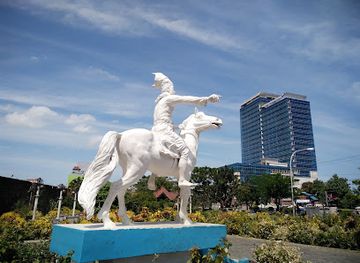
The Makassar War pitted the Gowa sultanate, led by Sultan Hasanuddin, against the Dutch East India Company and its Bugis ally Arung Palakka. After sustained conflict, the Treaty of Bongaya in 1667 imposed severe terms on Gowa, although fighting continued until 1669. Dutch influence over Makassar and regional trade expanded as a result. Sultan Hasanuddin remains a major historical figure in South Sulawesi, while Fort Rotterdam stands as a visible reminder of the political and military changes that followed the war.
Bugis and Makassarese Seafaring
For centuries, Bugis and Makassarese sailors connected South Sulawesi with ports throughout Indonesia and the wider region. Their wooden sailing vessels, especially the pinisi, carried rice, timber, spices and other cargoes along long coastal and inter-island routes. Shipbuilding traditions remain particularly associated with Bulukumba, where boats are constructed using methods passed through generations. This maritime heritage is not simply historical symbolism: it continues to influence livelihoods, migration patterns, architecture, cuisine and the province’s relationship with the sea.
Colonial Rule and Economic Change
Following the decline of Gowa’s autonomy, Dutch authority gradually extended across South Sulawesi through treaties, military campaigns and administrative restructuring. Colonial rule altered taxation, land management and trade while incorporating existing rulers and local institutions in different ways. Makassar developed as a regional administrative and commercial centre, and roads and shipping links increasingly connected the coast with interior districts. The period left a complex legacy, visible in colonial buildings, changing urban patterns and the continuing importance of Makassar as eastern Indonesia’s principal gateway.
South Sulawesi in Independent Indonesia
After Indonesian independence, South Sulawesi became part of the new republic and Makassar retained its role as a major port and provincial capital. The province’s economy broadened through agriculture, fisheries, trade, education, tourism and transport, while migration carried Bugis and Makassarese communities to many other parts of Indonesia. Modern South Sulawesi combines rapidly growing urban areas with remote highland and island communities. Conservation of Torajan cultural landscapes, Maros cave art, reefs and traditional boatbuilding now forms an important part of the province’s cultural and environmental future.
South Sulawesi in Photos
Browse through our photo collection highlighting the charm and character of the destination.
Neighbouring regions of South Sulawesi
The closest regions to South Sulawesi, if you have time for more than one.
-

-

-

-

-


Swipe for more regions
Explore more

Explore more of Indonesia
Explore Indonesia: An archipelago of diverse cultures, stunning landscapes, and endless adventures from bustling cities to serene beaches.
Explore Indonesia