

Ancient Anbar, Al Anbar Travel Guide
Discover Ancient Anbar: Explore the historical ruins of a strategic Mesopotamian city and former Abbasid capital in Iraq's Al Anbar Governorate.
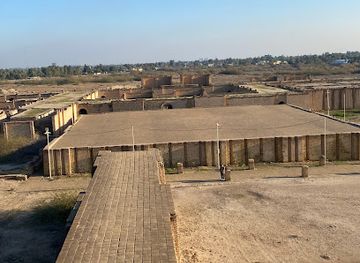
Explore the ruins of Ancient Anbar, a strategically significant Mesopotamian city in Iraq's Al Anbar Governorate. Once a vital military and trade center, and even briefly the Abbasid Caliphate's capital, Anbar offers a glimpse into the region's rich and turbulent past.
A brief summary to Ancient Anbar
- 9PF8+XM, Saqlawia, Al Anbar Governorate, IQ

Know before you go
Hi, I'm Eve. Here are a few practical things to know before exploring Ancient Anbar.
- Research local customs and traditions before visiting to show respect for the local culture.
- Stay hydrated, especially during the hot summer months.
- Hire a local guide to learn more about the history and significance of the site.
Do you manage this location?
Take control to get all the benefits, like improved information, better appearance, and stronger visibility across AI-powered discovery. Learn more about listing your business on Evendo
Activate your presenceOther nearby places you may find interesting
The closest places of the same kind, if this one is not quite what you had in mind.

Explore Ancient Anbar on the Map
A handpicked selection of must-see spots near Ancient Anbar, mapped for you.
Getting There
-
Taxi
From Fallujah, taxis are readily available. A taxi ride to Ancient Anbar, located approximately [distance] away, will cost around 15,000-25,000 IQD. Negotiate the fare before starting your journey.
-
Public Transport
While direct public transport to the site may be limited, you can take a bus from Fallujah towards Saqlawia and then hire a local taxi for the final few kilometers to Ancient Anbar. Bus fares are minimal, but confirm the route and drop-off point with the driver. The taxi from Saqlawia should cost approximately 5,000-10,000 IQD.
Discover more about Ancient Anbar













Your all‑in‑one travel companion app
Explore expert travel guides, compare and book tours, experiences, hotels, and more—all from the palm of your hand. Download now for seamless trip planning wherever your wanderlust takes you.


Explore More of Al Anbar

Looking beyond Ancient Anbar? Discover Al Anbar for broader travel guides, local hot-spots, and regional highlights.
Explore Al Anbar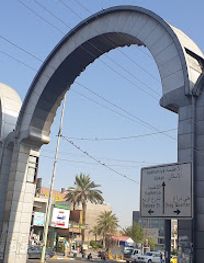
تقاطع المنصور: نقطة التقاء حيوية في قلب بغداد، تعكس تاريخ المدينة وحاضرها المزدهر. مركز للنشاط التجاري والاجتماعي.
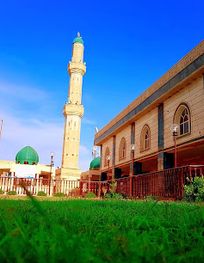
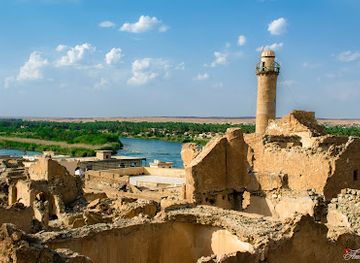
Discover the serene beauty and rich cultural heritage of Abdul-Aziz al-Samarrai Mosque in Al-Fallujah, a must-visit for every traveler exploring Iraq.
