

Free Al-Anbar Travel Guide & Mobile App
Explore Al-Anbar with free travel guides. Discover regional history, expert tips, proposed trips, and audio guides on web or mobile app.


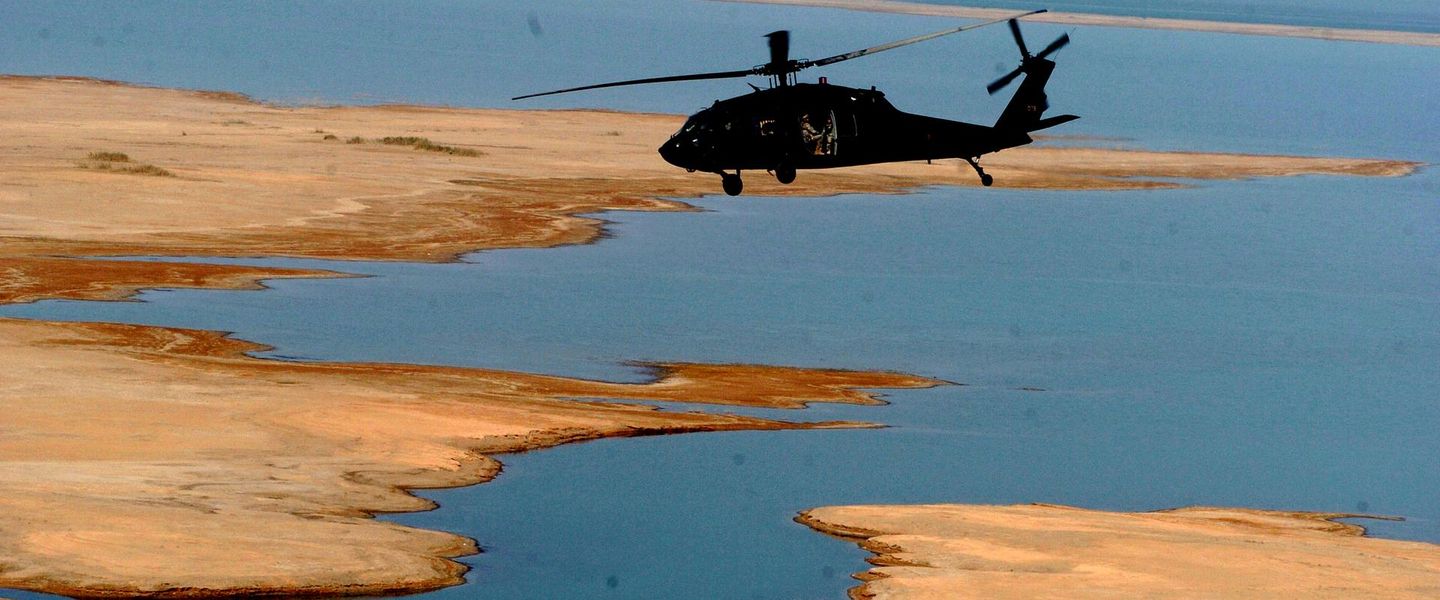


Explore Al-Anbar’s Euphrates towns, desert routes, ancient bitumen springs and layered Iraqi history only with careful local planning.
Read more about Al-Anbar
When is the best time to visit Al-Anbar?
Best: March–April, November · 21–27°C| Month | High (°C) | Rainfall (mm) |
|---|---|---|
| January | 15 | 20 |
| February | 17 | 15 |
| March (best) | 21 | 10 |
| April (best) | 27 | 8 |
| May | 34 | 5 |
| June | 40 | 1 |
| July | 42 | 1 |
| August | 41 | 1 |
| September | 36 | 3 |
| October | 30 | 8 |
| November (best) | 22 | 10 |
| December | 16 | 15 |
Getting to and around Al-Anbar
How to get there
Transportation
Top city travel guides in Al-Anbar
The cities of Al-Anbar, and the easiest places to base yourself.
-

-

-
-

-


Swipe for more cities
Destinations in Al-Anbar
Resorts, valleys and scenic spots worth a trip of their own.

Swipe for more destinations
Best attractions in Al-Anbar
Al-Anbar’s attractions are primarily geographical, historical and cultural rather than developed tourism facilities. The Euphrates is the central thread, linking agricultural riverbanks and date-growing communities around Fallujah, Ramadi, Hit, Haditha, Anah and Rawa. Hit’s bitumen springs offer an insight into an ancient natural resource, while the river landscapes around Haditha and the broad waters of Lake Habbaniyah illustrate the relationship between settlement, irrigation and modern water engineering. Desert routes and the plains around Rutba convey the scale of Iraq’s western interior, although remote travel requires specialist planning. Historic mosques, traditional houses, market areas and surviving fragments of older settlement may be significant, but access and preservation vary greatly after years of conflict. The region also has potential for archaeological and environmental study, particularly where ancient river commerce, caravan movement and wetland or lake ecosystems intersect. Visitors should expect very limited interpretation, inconsistent facilities and controlled access rather than a conventional attraction circuit. Former conflict sites are not tourist attractions and may contain unexploded ordnance or remain restricted. The most responsible experience combines authorised visits to accessible communities with an understanding of the Euphrates landscape, local history and the continuing reconstruction of towns across the governorate.
-
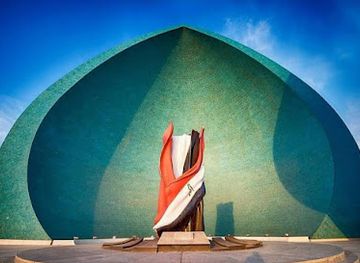
Martyr Monument
A striking Baghdad landmark honoring Iraq's martyrs, featuring a split turquoise dome, museum, and peaceful gardens for reflection.
-
Al-Ukhaidir Fortress
Explore Al-Ukhaidir Fortress: A majestic Abbasid palace in the Iraqi desert, showcasing remarkable 8th-century architecture and history.
-
Unknown Soldier Monument
A poignant Baghdad landmark honoring Iraq's fallen soldiers, featuring unique architecture and a historical underground museum.
-
Habbaniyah Lake
Experience the serene beauty of Habbaniyah Lake, a tranquil escape in Al Anbar Governorate, perfect for relaxation and outdoor adventures.


Best landmarks in Al-Anbar
The Euphrates itself is Al-Anbar’s defining natural landmark, visible as a narrow green corridor cutting through a predominantly arid landscape. Hit’s bitumen springs are notable both geologically and historically: the naturally occurring asphalt helped the settlement acquire importance in the ancient Mesopotamian world. Lake Habbaniyah, east of Ramadi, is a major water landscape created and managed within the Euphrates system, while the much larger reservoir associated with Haditha marks the transformation of the river by modern engineering. The old river towns of Anah and Rawa retain the significance of settlements shaped by water, agriculture and long-distance movement, although their historic fabric and accessibility have been affected by conflict and redevelopment. Fallujah and Ramadi are recognised more for their modern historical importance and strategic river crossings than for a single intact monument. Mosques, bridges, embankments, date groves and surviving traditional buildings can carry considerable local meaning, but many are sensitive or restricted locations. No landmark should be approached without confirmation of access, security conditions and permission to photograph.
-
Memorial
Martyr Monument
A poignant Baghdad landmark honoring Iraq's fallen heroes, featuring stunning architecture and serene memorial grounds.
-
Archaeological site
Al-Ukhaidir Fortress
Explore Al-Ukhaidir Fortress: A majestic Abbasid palace and a testament to Iraq's rich history, located near Karbala.
-
Memorial park
Unknown Soldier Monument
A solemn tribute to Iraq's fallen heroes, the Unknown Soldier Monument stands as a symbol of national pride and remembrance.
-
Castle
Citadel of Hit
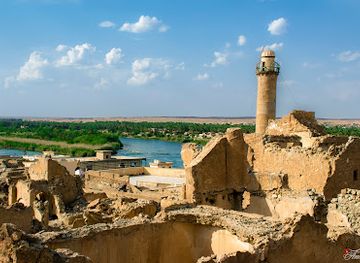
Explore the ancient Citadel of Hit, a historic Iraqi fortress with stunning views of the Euphrates River and a rich cultural heritage.

Explore Al-Anbar on the map
Plan your trip on one map. See where the top cities, national parks and sights are, and book hotels and experiences in a few clicks.
Best hotels in Al-Anbar
Best restaurants in Al-Anbar
Dining in Al-Anbar reflects the food culture of western and central Iraq, with rice dishes, stews, flatbreads, grilled meats, dates and freshwater fish forming the broad foundation. Masgouf, traditionally freshwater fish cooked over fire, is associated with Iraqi river life and may appear where supply and local conditions permit, while dolma, biryani-style rice, kubba and slow-cooked meat dishes are common parts of wider Iraqi cuisine. Euphrates towns draw on dates, seasonal vegetables and river produce, and roadside eateries or family-run restaurants often provide the most practical meals. Tea is an important social offering, served sweet and frequently throughout the day. In larger towns such as Ramadi and Fallujah, visitors may find a wider range of Iraqi restaurants, cafés and bakeries; further west, choices become more limited and arrangements should be made in advance. Dietary requirements should be explained clearly in Arabic, and travellers should not assume that card payment, refrigeration or regular opening patterns are available outside established urban areas.
-
Restaurant
Dream Land Restaurant
Experience the rich flavors of Iraq at Dream Land Restaurant in Ramadi, where culinary tradition meets contemporary dining.
-
Restaurant
برجرات الانبار - Burgerat Alanbar
Experience the best burgers in Ramadi at Burgerat Alanbar – where flavor meets tradition in every bite.
-
 Pizza
Azmar Pizza : کولێرە بەقیمەی ئەزمەڕ
Discover the authentic taste of pizza at Azmar Pizza in Falahat, where tradition meets flavor in every slice.
-
Restaurant
Dream Land Restaurant - مطعم دريم لاند
Experience authentic Iraqi cuisine at Dream Land Restaurant in Al Anbar Governorate, where tradition meets taste.


Best bars in Al-Anbar
Al-Anbar does not have a conventional bar and nightclub scene, and alcohol-focused nightlife is not an appropriate way to understand the region. Evening social life generally centres on family visits, tea rooms, cafés, restaurants and private gatherings, with activity concentrated in larger towns such as Ramadi and Fallujah. Coffee and tea houses may provide places for conversation, but their atmosphere and opening patterns are local and changeable rather than designed for international nightlife. Conservative social expectations are particularly important in smaller Euphrates communities and around religious sites. Visitors should avoid loud behaviour, public intoxication and poorly judged photography, and should follow the advice of local hosts about where outsiders may go after dark. Given security risks, moving around at night should be limited to necessary, pre-arranged journeys with trusted transport.
-
Al Badia Restaurant
Discover the authentic flavors of Iraq at Al Badia Restaurant in Al-Fallujah, where tradition meets a delightful dining experience.
-
Bar
مطعم حجي زياد
Discover the authentic flavors of Iraq at مطعم حجي زياد, a vibrant restaurant in Ramadi serving traditional dishes in a warm atmosphere.
-
German Bar
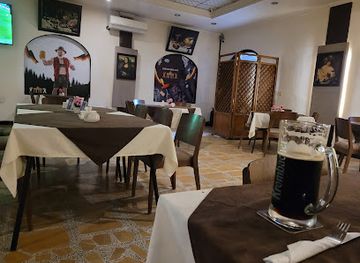
Discover the flavors of Germany at the German Bar in Erbil, a culinary haven offering authentic dishes and a vibrant atmosphere.
-
Bar
مطعم القصر الابيض
Discover the flavors of Ramadi at مطعم القصر الابيض, where traditional cuisine meets modern dining in a welcoming atmosphere.



Best nightclubs in Al-Anbar
Al-Anbar does not have a conventional bar and nightclub scene, and alcohol-focused nightlife is not an appropriate way to understand the region. Evening social life generally centres on family visits, tea rooms, cafés, restaurants and private gatherings, with activity concentrated in larger towns such as Ramadi and Fallujah. Coffee and tea houses may provide places for conversation, but their atmosphere and opening patterns are local and changeable rather than designed for international nightlife. Conservative social expectations are particularly important in smaller Euphrates communities and around religious sites. Visitors should avoid loud behaviour, public intoxication and poorly judged photography, and should follow the advice of local hosts about where outsiders may go after dark. Given security risks, moving around at night should be limited to necessary, pre-arranged journeys with trusted transport.
-
Night club
Vegas Nights club
Unleash the energy of Baghdad's nightlife at Vegas Nights Club, where unforgettable experiences and electrifying music await every night.
-
Night club
نادي سرجنار
Discover Baghdad's nightlife at نادي سرجنار, where vibrant music and an energetic atmosphere create unforgettable experiences.
-
Bar
The Square meeting Bars
Discover the vibrant nightlife at The Square Meeting Bars in Baghdad, where every evening offers a unique blend of culture, music, and connections.
-
Lounge
Business Lounge
Experience tranquility in Baghdad's Business Lounge, your perfect retreat for comfort, refreshments, and relaxation during your travels.




Best shops in Al-Anbar
Shopping in Al-Anbar is practical and locally oriented rather than centred on an established tourist retail circuit. Markets and high streets in Ramadi and Fallujah provide everyday goods, clothing, household items, sweets, bread, spices and mobile-phone services, while smaller Euphrates towns have more limited commercial areas. Dates and date-based products are among the most relevant regional purchases, although quality, packaging and seasonal availability vary. Visitors may also encounter locally made bread, tea, spices and simple woven or household goods, but should not assume that a formal craft industry or reliable souvenir market exists. In larger towns, independent shops and food markets offer a closer view of daily commerce than purpose-built shopping centres. Bargaining may be appropriate in some market settings but not in every shop; observe local practice and agree prices before accepting goods or services. Carry cash, protect purchases from heat and dust, and avoid photographing stalls, customers or shopkeepers without permission.
-
Bazar
سوق الفلوجة الشعبي(النزيزة) Fallujah Bazar
Discover the rich culture and vibrant atmosphere of Fallujah Bazar, a local marketplace filled with crafts, food, and unforgettable experiences.
-
Home goods store
Newal Company
Explore Newal Company, the ultimate destination for home goods in Iraq, offering a wide range of stylish and quality home decor products.
-
Market
Kubaisi markets
Discover the authentic flavors and vibrant culture of Amiriyat Fallujah at the bustling Kubaisi Markets, a shopper's paradise.
-
Youth clothing store
Ahmed
Discover the latest youth fashion trends at Ahmed, a trendy clothing store in Al Anbar, where style meets local culture.


Get your free copy of our complete guide to Al-Anbar, delivered straight to you.
Everything on this page, from attractions and restaurants to essentials and local phrases, in one PDF you can read offline, print or share.
Already have an account? Sign in
Your Al-Anbar guide is ready.
We'll send it to · Not you? Sign out

Getting your guide ready…
We are putting together a fresh copy of the Al-Anbar guide. This can take up to a minute.
This can take a few moments. If your browser asks, choose Allow so the download can start. You'll find the guide in your Downloads folder.
Nothing happened? Download it again
Sorry, the guide is taking longer than usual. Please try again in a minute, or get it by email instead.
Al-Anbar essentials
Currency and Payment
Safety
Emergency Situations
Do's and Don'ts
Local Tips
From Eve
Local phrases worth knowing
You don't need to get them perfect. A few words go a long way, and locals appreciate the effort.
Basics
| English | Local | Say it |
|---|---|---|
| Hello | مرحبا | [Marhaban] |
| Goodbye | وداعا | [Wada'an] |
| Yes | نعم | [Na'am] |
| No | لا | [La] |
| Please/You're welcome | من فضلك | [Min fadlik] |
| Thank you | شكرا | [Shukran] |
| Excuse me/Sorry | عفوا | [Afwan] |
| How are you? | كيف حالك؟ | [Kayfa halak?] |
| Fine. And you? | بخير. وأنت؟ | [Bikhayr. Wa anta?] |
| Do you speak English? | هل تتحدث الإنجليزية؟ | [Hal tatahadath al'ingliziyya?] |
| I don't understand | لا أفهم | [La afham] |
Eating & Drinking
| English | Local | Say it |
|---|---|---|
| I'd like to see the menu, please | أود رؤية القائمة، من فضلك | [Awad ru'yat alqaimah, min fadlik] |
| I don't eat meat | لا أأكل اللحم | [La akul al-lahm] |
| Cheers! | في صحتك! | [Fi sihhatak!] |
| I would like to pay, please | أود الدفع، من فضلك | [Awad al-daf', min fadlik] |
Emergencies
| English | Local | Say it |
|---|---|---|
| Help! | نجدة! | [Najda!] |
| Go away! | اذهب بعيدا! | [Idhhab ba'idan!] |
| Call the Police! | اتصل بالشرطة! | [Ittasil bil-shurta!] |
| Call a doctor! | اتصل بالطبيب! | [Ittasil bil-tabeeb!] |
| I'm lost | أنا ضائع | [Ana da'i'] |
| I'm ill | أنا مريض | [Ana marid] |
Shopping
| English | Local | Say it |
|---|---|---|
| I'd like to buy... | أود شراء... | [Awad shirā...] |
| I'm just looking | أنا فقط أنظر | [Ana faqat anzur] |
| How much is it? | كم ثمنه؟ | [Kam thamanuh?] |
| That's too expensive | هذا غالي جدا | [Hatha ghali jiddan] |
| Can you lower the price? | هل يمكنك تخفيض السعر؟ | [Hal yumkinuka takhfid al-si'r?] |
Time & Numbers
| English | Local | Say it |
|---|---|---|
| What time is it? | كم الساعة؟ | [Kam al-sa'ah?] |
| It's one o'clock | الساعة الواحدة | [Al-sa'ah al-wahidah] |
| Half past (10) | العاشرة والنصف | [Al-'ashirah wa al-nisf] |
| Morning | صباحا | [Sabahan] |
| Afternoon | بعد الظهر | [Ba'd al-zuhur] |
| Evening | مساءا | [Masa'an] |
| Yesterday | أمس | [Ams] |
| Today | اليوم | [Al-yawm] |
| Tomorrow | غدا | [Ghadan] |
| 1 | واحد | [Wahid] |
| 2 | اثنان | [Ithnan] |
| 3 | ثلاثة | [Thalathah] |
| 4 | أربعة | [Arba'ah] |
| 5 | خمسة | [Khamsah] |
| 6 | ستة | [Sittah] |
| 7 | سبعة | [Sab'ah] |
| 8 | ثمانية | [Thamaniyah] |
| 9 | تسعة | [Tis'ah] |
| 10 | عشرة | [Asharah] |
Transport & Directions
| English | Local | Say it |
|---|---|---|
| Where's a/the...? | أين هو...؟ | [Ayna huwa...?] |
| What's the address? | ما هو العنوان؟ | [Ma huwa al-unwan?] |
| Can you show me (on the map)? | هل يمكنك أن تريني (على الخريطة)؟ | [Hal yumkinuka an turini (ala al-kharita)?] |
| When's the next (bus)? | متى تأتي (الحافلة) التالية؟ | [Mata ta'ti (al-hafilah) al-taliyah?] |
| A ticket (to ....) | تذكرة (إلى...) | [Tadhkarah (ila...)] |
History of Al-Anbar
Euphrates Settlement and Ancient Bitumen
The Euphrates corridor has supported settlement, farming and river transport since antiquity. Hit is particularly notable for natural bitumen springs, whose asphalt-like material was used in ancient Mesopotamia for waterproofing, construction and other purposes. The river connected western Mesopotamia with cities and agricultural zones farther east, while desert tracks linked the Euphrates communities to Syria and Arabia. Although much of Al-Anbar’s archaeological record remains difficult to visit or incompletely studied, the geography itself explains the region’s enduring importance as a meeting point between the irrigated lands of Iraq and the western desert.
The Desert Frontier of Mesopotamia
In successive ancient and late antique periods, the Euphrates functioned as both a commercial artery and a frontier zone. Settlements along the river supplied travellers, soldiers and traders moving between Mesopotamia and the Levant. The wider area was influenced by the great imperial systems that controlled Iraq, including the Seleucid, Parthian and Sasanian realms, although surviving remains are unevenly distributed. Al-Anbar’s importance lay less in one single capital than in its chain of river stations, agricultural communities and routes across the desert.
Early Islamic Rule and Anbar
The name Al-Anbar is associated with the historic settlement of Al-Anbar, an early Islamic-period centre on the Euphrates that gave its name to the modern governorate. The region became part of the expanding Islamic polity during the seventh century and participated in the commercial and administrative life of Iraq under the Umayyad and Abbasid caliphates. River towns and caravan routes remained important for movement between western lands and the great urban centres of Mesopotamia. Later settlement patterns changed repeatedly as river channels, irrigation conditions and political centres shifted.
Ottoman Administration and Tribal Society
For several centuries Al-Anbar formed part of the Ottoman domains in Iraq, although effective authority in the desert and along the Euphrates varied over time. Local tribal confederations, religious figures, cultivators and river-town notables shaped everyday politics alongside imperial officials. Trade, seasonal movement, date growing and agriculture remained central to life near the river, while the western desert retained its importance as a route rather than a densely settled landscape. These relationships between local communities, land, water and authority continued to influence the region in the modern period.
The First World War and the British Mandate
The Euphrates became a significant theatre during the First World War, when British and Ottoman forces contested control of Iraq’s river routes and towns. The subsequent British Mandate reorganised administration and military communications across the country, including the western approaches through Al-Anbar. Modern state institutions expanded, but they operated alongside established local networks and tribal authority. The period helped define Iraq’s twentieth-century borders and administrative structures, while roads, military posts and communications reinforced the strategic value of the Euphrates corridor.
Dams, Lakes and Modern Development
Twentieth-century development altered Al-Anbar’s river landscape through irrigation works, roads, settlements and major water infrastructure. The Haditha Dam, completed in the 1980s, created Lake Qadisiyah and changed the Euphrates around Haditha, while Lake Habbaniyah became associated with water management and recreation near Ramadi. Such projects brought electricity, flood control and agricultural benefits but also transformed local environments and settlement patterns. Their operation and surrounding access remain sensitive matters, and they should never be treated as ordinary sightseeing locations without current permission.
Conflict and Reconstruction Since 2003
Al-Anbar was profoundly affected by the Iraq War, the insurgency that followed, the rise of Islamic State and subsequent military operations. Fallujah, Ramadi, Haditha and other towns became internationally known through prolonged fighting, while civilians experienced displacement, damage to homes and infrastructure, and disruption to education and commerce. Since the defeat of Islamic State’s territorial control, reconstruction and the return of communities have progressed unevenly. The visible and less visible consequences of conflict remain essential context for visitors and demand respectful, non-intrusive travel.
Al-Anbar in Photos
Browse through our photo collection highlighting the charm and character of the destination.
Neighbouring regions of Al-Anbar
The closest regions to Al-Anbar, if you have time for more than one.
-

-

-
-
-


Swipe for more regions
Explore more

Explore more of Iraq
Explore the cradle of civilization in Iraq, where ancient history, rich culture, and diverse landscapes create an unforgettable travel experience.
Explore Iraq