Halamata cave, Dhi Qar Travel Guide
Discover ancient Assyrian artistry at Halamata Cave near Duhok, featuring well-preserved Maltai reliefs dating back to King Sennacherib.
Halamata Cave, located near Duhok, Iraq, is an archaeological site featuring Neo-Assyrian bas-reliefs known as the Maltai reliefs. Carved into a cliffside, these well-preserved carvings date back to King Sennacherib's reign (704-681 BCE) and offer a glimpse into the art and religious practices of the Assyrian Empire.
A brief summary to Halamata cave
- RWPR+W83, Duhok, Duhok Governorate, IQ

Know before you go
Hi, I'm Eve. Here are a few practical things to know before exploring Halamata cave.
- Wear sturdy shoes for the hike to the cave.
- Bring water and snacks as there are limited facilities.
- Visit early in the morning or late afternoon for the best lighting for photography.
- Consider hiring a local guide to learn more about the cave's history.
- Respect the natural environment during your visit.
Do you manage this location?
Take control to get all the benefits, like improved information, better appearance, and stronger visibility across AI-powered discovery. Learn more about listing your business on Evendo
Activate your presenceOther nearby places you may find interesting
The closest places of the same kind, if this one is not quite what you had in mind.

Explore Halamata cave on the Map
A handpicked selection of must-see spots near Halamata cave, mapped for you.
Getting There
-
Taxi
From Duhok city center, take a taxi to Halamata Cave. Negotiate the fare beforehand; a typical ride costs between 10,000 to 15,000 IQD and takes about 30 minutes. The driver will likely know the location, but it's helpful to have the coordinates (36.8372579, 42.940795) handy. The taxi will drop you off near the trailhead.
-
Walking
From the trailhead on Zawa Mountain, follow the path towards the cave. Look for five red arrows painted on a metal post on the right side of the road and a small rundown shed on the left. The trail descends into a small ravine, requiring a scramble down a rocky section. Continue along the path for a couple of minutes until it branches off to the left, where you should see the site. There are currently no entrance fees.
Discover more about Halamata cave













Your all‑in‑one travel companion app
Explore expert travel guides, compare and book tours, experiences, hotels, and more—all from the palm of your hand. Download now for seamless trip planning wherever your wanderlust takes you.


Explore More of Dhi Qar
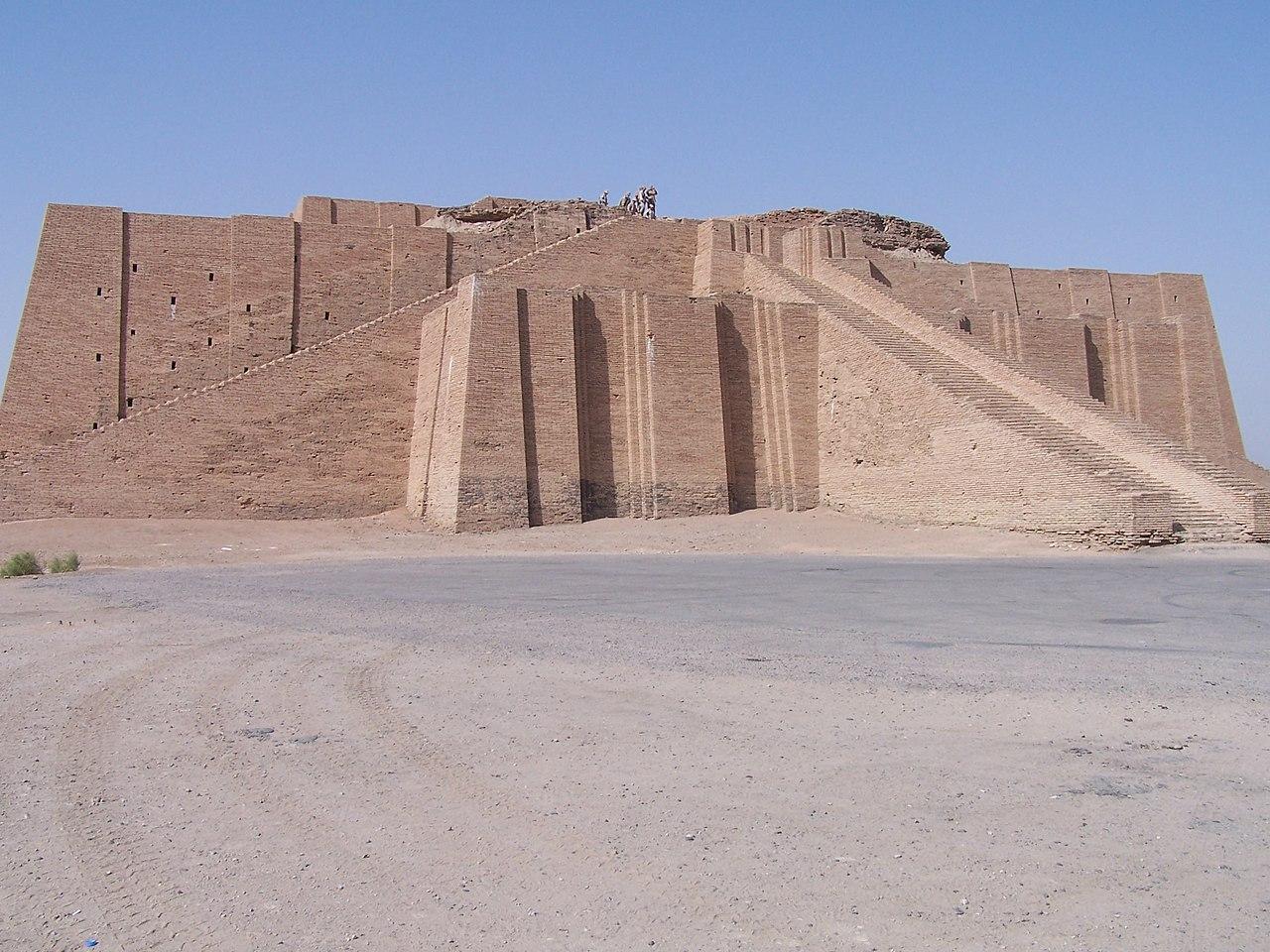
Looking beyond Halamata cave? Discover Dhi Qar for broader travel guides, local hot-spots, and regional highlights.
Explore Dhi Qar
Experience the elegance and tranquility of Shindoxa Wedding Hall in Duhok, a perfect blend of celebration, culture, and natural beauty.
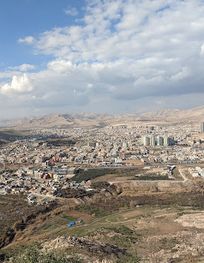
Explore ancient Assyrian carvings at Halamata Cave near Duhok, offering a unique glimpse into Mesopotamia's rich history and art.