

Dhi Qar, Iraq Travel Guide
Discover Dhi Qar: Ancient Ruins, Vibrant Markets, and Serene Marshlands in Southern Iraq
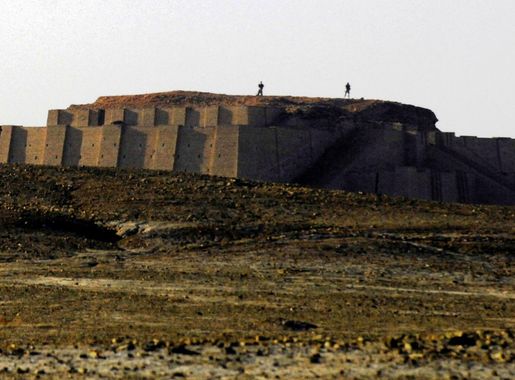
Dhi Qar, located in southern Iraq, is a treasure trove of ancient history and cultural heritage. This region is home to the ruins of the ancient city of Ur, which dates back to the Sumerian civilization, making it one of the oldest cities in the world. The Ziggurat of Ur, a massive structure built over 4,000 years ago, stands as a testament to the architectural prowess of the Sumerians. Visitors can walk through the remnants of this ancient city, feeling the weight of history underfoot and imagining what life was like in one of the world's earliest civilizations. In addition to its historical significance, Dhi Qar offers a glimpse into the vibrant culture of southern Iraq. The bustling markets of Nasiriyah, the capital of Dhi Qar, are filled with local artisans selling traditional crafts, spices, and textiles. The people of Dhi Qar are known for their hospitality, and visitors will find themselves welcomed with open arms. The local cuisine, rich with flavors unique to the region, provides a delightful culinary experience that should not be missed. Nature enthusiasts will also find much to love in Dhi Qar. The region is home to the marshes of southern Iraq, a UNESCO World Heritage site. These wetlands, with their unique ecosystems and diverse wildlife, offer a serene escape from the hustle and bustle of city life. Traditional reed houses dot the landscape, and visitors can take boat tours to explore the marshes, learning about the way of life of the Ma'dan, or Marsh Arabs, who have lived in harmony with this environment for millennia.

Know before you go
Hi, I'm Eve. Here are a few practical things to know before exploring Dhi Qar.
- Visit the Ziggurat of Ur early in the morning to avoid the heat and crowds.
- Don't miss the local markets in Nasiriyah; they are best explored in the late afternoon.
- Try the local dish 'Masgouf,' a traditional Iraqi fish preparation, for an authentic culinary experience.
- Hire a local guide to navigate the marshes and learn about the unique ecosystem and the Ma'dan culture.
- Respect local customs and dress modestly, especially when visiting religious sites and rural areas.
Top City Travel Guides in Dhi Qar
The cities of Dhi Qar, and the easiest places to base yourself.

Explore Dhi Qar: Things to Do, Places to Eat, Hotels & More
Handpicked recommendations for top attractions, local dining, accommodations, and more

Top Attractions & Sightseeing in Dhi Qar
Top-rated picks
Best Attractions

Martyrs' Square
Discover Martyrs' Square in Basra: A peaceful garden oasis blending nature, history, and community spirit in the heart of Al Madina.

Missan Fun-fair City
Experience thrilling rides, games, and delicious treats at Missan Fun-fair City, Amarah's vibrant park for the whole family!

The Tree of Knowledge (Adam's Tree Garden)
Visit the legendary Tree of Knowledge in Al Qurnah, believed to be the site of the Garden of Eden, where the Tigris and Euphrates rivers meet.

Damok Park
Escape to the serene beauty of Damok Park in Kut, Iraq, for relaxation, picnics, and nature walks.

Best landmarks in Dhi Qar
Top-rated picks
Best Landmarks

Erbil Citadel
Explore the Erbil Citadel, a UNESCO World Heritage site and one of the world's oldest continuously inhabited cities, steeped in Kurdish history and culture.

Martyr Monument
A poignant Baghdad landmark honoring Iraq's fallen heroes, featuring a striking turquoise dome and serene memorial space.
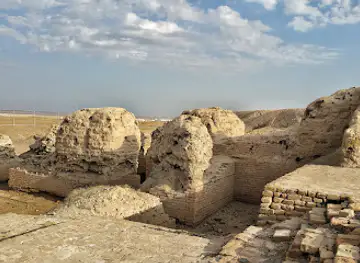
Great Ziggurat of Ur
Explore the ancient marvel of the Great Ziggurat of Ur, a testament to Sumerian ingenuity and religious devotion in Mesopotamia.

Martyrs Monument in Chabaish
Reflect on Iraqi history at the Martyrs Monument in Chabaish, a tribute to resilience amidst the beauty of the Mesopotamian Marshes.

Best restaurants in Dhi Qar
Top-rated picks
Best Restaurants

Mandi Palace Restaurant
Experience authentic Iraqi cuisine at Mandi Palace Restaurant in Shamiyah - where tradition meets flavor in every dish.

Aghati Restaurant
Experience authentic Iraqi cuisine at Aghati Restaurant in Samawah – where tradition meets taste.

Pizza firewood
Discover delicious wood-fired pizzas in Nasiriyah at Pizza Firewood – where tradition meets flavor in every bite.
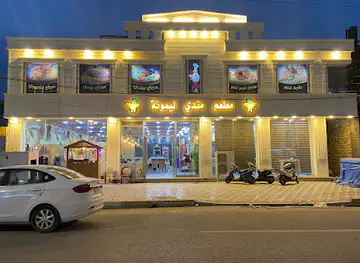
Laimoona Restaurant and Grills
Discover flavorful barbecue at Laimoona Restaurant & Grills in Nasiriyah - where tradition meets taste.

Best bars in Dhi Qar
Top-rated picks
Best Bars

قلعه سكر
Explore قلعه سکر, a vibrant bar in Nasiriyah offering a unique blend of local culture, great drinks, and lively entertainment.

ال حمدان مضيف الشيخ جادرال حمدان
Discover the vibrant atmosphere of Al Hamdan Sheikh Jadr Al Hamdan Bar, a cultural gem in Suq Al-Shuyukh, perfect for socializing and savoring local flavors.
مرتضي علاء كامل
Experience local culture and vibrant atmosphere at مرتضي علاء كامل Pub in Nasiriyah, a perfect spot for relaxation and socializing.

مركز الذهبي للرشاقه وكمال الاجسام
Experience fitness and community at مركز الذهبي للرشاقه وكمال الاجسام in Suq Al-Shuyukh, where health meets hospitality.

Best nightclubs in Dhi Qar
Top-rated picks
Best Nightclubs

العراق
Explore Iraq's rich performing arts scene, where tradition and modernity unite in captivating performances that tell stories of resilience and creativity.

Prince galleries of the joys
Discover the vibrant nightlife at Prince Galleries of the Joys, a disco club in Nasiriyah where music and dance create unforgettable moments.
شارع
Discover the Thrill of Nasiriyah's Nightlife at شارع - The Heartbeat of Evening Entertainment.
6 Pazzi
Experience the vibrant nightlife at 6 Pazzi, a charming bar in Nasiriyah offering a blend of local culture and refreshing beverages.

Best shops in Dhi Qar
Top-rated picks
Best Shops

Mansour Mall
Explore Mansour Mall, Baghdad's bustling shopping hub offering diverse retail, dining, and entertainment experiences in a modern setting.

Babylon Mall
Explore Babylon Mall, Baghdad's premier shopping destination with diverse stores, delicious eateries, and thrilling entertainment options.

Fruit and vegetable store
Explore the colorful world of fresh produce at Jbayesh's beloved fruit and vegetable store, where local flavors and culture come together.

Old Market valuable Syed intruder
Experience the vibrant culture of Syed Kheel at the Old Market, a unique shopping destination filled with local crafts and authentic Iraqi delicacies.

Explore Dhi Qar on the Map
A handpicked selection of must-see spots in Dhi Qar, mapped for you.
Dhi Qar Essentials
-
Dhi Qar is located in southern Iraq, and the nearest major airport is Basra International Airport, approximately 200 kilometers away. From Basra, you can take a taxi or a private car to reach Dhi Qar. For those traveling from Baghdad, the capital city, the drive to Dhi Qar takes around 4 to 5 hours. It's also possible to use domestic flights to Nasiriyah, which is the capital of Dhi Qar Governorate, though options may be limited.
-
Within Dhi Qar, taxis are the most convenient mode of transport. Negotiate fares before starting your journey as meters are rarely used. For local travel, minibuses and shared taxis are common and cost-effective. Car rentals are available, but driving conditions may not be suitable for everyone. Public transport is limited, so planning ahead is advisable.
-
The official currency is the Iraqi Dinar (IQD). Credit cards are accepted in some hotels and larger establishments, but cash is preferred in most places. ATMs are available in major towns, but it is wise to carry sufficient cash, especially when traveling to rural areas. Currency exchanges can be found at airports and in larger cities.
-
While Dhi Qar is generally safe for tourists, it is important to stay vigilant. Avoid traveling alone at night and steer clear of unfamiliar or poorly lit areas. Areas with higher crime rates targeting tourists are typically in larger cities; always stay updated on local advisories. Keep personal belongings secure and be cautious of pickpockets in crowded places.
-
In case of emergency, dial 115 for police assistance or 122 for medical emergencies. Hospitals and clinics are available in Nasiriyah, the capital of Dhi Qar. It is strongly recommended to have comprehensive travel insurance that covers medical emergencies. Pharmacies are available for minor health issues, but ensuring you have basic medications with you is advised.
-
Fashion: Do dress modestly, with shoulders and knees covered, especially in religious and rural areas. Avoid wearing revealing clothing. Religion: Do respect local customs and traditions. Remove shoes before entering mosques and avoid interrupting prayer times. Public Transport: Do be courteous and offer your seat to elderly passengers. Don't eat or drink on public transport. Greetings: Do greet people with a handshake, but be mindful that physical contact with the opposite sex may not be appropriate. Eating & Drinking: Do try local dishes and accept food offers graciously. Don't refuse hospitality, as it is considered impolite.
-
To experience Dhi Qar like a local, visit the bustling markets where you can buy fresh produce and traditional goods. Engage with locals; they are often friendly and eager to share their culture and history. Don't miss the ancient city of Ur, one of the world's oldest cities, and the Ziggurat of Ur, an impressive ancient structure. For a unique experience, take a boat ride in the Mesopotamian Marshes, which offers stunning natural beauty and a glimpse into traditional marsh Arab life.
When is the best time to visit Dhi Qar?
Useful Local Phrases for Dhi Qar
You don't need to speak the language perfectly. Even learning a few simple words can make conversations warmer—and locals usually appreciate the effort.
— Eve

Here are the phrases I use most often in Dhi Qar. Try a few—you'll be surprised how far they go! 😊
❤️
-
- Helloمرحبا
[Marhaba] - Goodbyeوداعا
[Wada'an] - Yesنعم
[Na'am] - Noلا
[La] - Please/You're welcomeمن فضلك
[Min fadlik] - Thank youشكرا
[Shukran] - Excuse me/Sorryعذرا
[Udhuran] - How are you?كيف حالك؟
[Kayfa halak?] - Fine. And you?بخير، وأنت؟
[Bikhayr, wa anta?] - Do you speak English?هل تتحدث الإنجليزية؟
[Hal tatahaddath al-ingliziyya?] - I don't understandلا أفهم
[La afham]
- Helloمرحبا
-
- I'd like to see the menu, pleaseأود رؤية القائمة، من فضلك
[Awad ru'yat al-qa'ima, min fadlik] - I don't eat meatلا آكل اللحم
[La akul al-lahm] - Cheers!في صحتك!
[Fi sihatak!] - I would like to pay, pleaseأود أن أدفع، من فضلك
[Awad an adfa', min fadlik]
- I'd like to see the menu, pleaseأود رؤية القائمة، من فضلك
-
- Help!مساعدة!
[Musa'ada!] - Go away!اذهب بعيدا!
[Idhab ba'idan!] - Call the Police!اتصل بالشرطة!
[Ittasil bil-shurta!] - Call a doctor!اتصل بطبيب!
[Ittasil bi-tabib!] - I'm lostأنا ضائع
[Ana dai'] - I'm illأنا مريض
[Ana marid]
- Help!مساعدة!
-
- I'd like to buy...أود شراء...
[Awad shira...] - I'm just lookingأنا فقط أنظر
[Ana faqat anzur] - How much is it?كم ثمنه؟
[Kam thamanuh?] - That's too expensiveهذا مكلف جدا
[Hatha mukallaf jidan] - Can you lower the price?هل يمكنك تخفيض السعر؟
[Hal yumkinuka takhfid al-si'r?]
- I'd like to buy...أود شراء...
-
- What time is it?كم الساعة؟
[Kam al-sa'a?] - It's one o'clockالساعة واحدة
[Al-sa'a wahida] - Half past (10)نصف (10)
[Nisf (10)] - Morningصباح
[Sabah] - Afternoonبعد الظهر
[Ba'd al-zuhur] - Eveningمساء
[Masa'] - Yesterdayأمس
[Ams] - Todayاليوم
[Al-yawm] - Tomorrowغدا
[Ghadan] - 1واحد
[Wahid] - 2اثنان
[Ithnan] - 3ثلاثة
[Thalatha] - 4أربعة
[Arba'a] - 5خمسة
[Khamsa] - 6ستة
[Sitta] - 7سبعة
[Sab'a] - 8ثمانية
[Thamaniya] - 9تسعة
[Tis'a] - 10عشرة
[Ashara]
- What time is it?كم الساعة؟
-
- Where's a/the...?أين...؟
[Ayn...?] - What's the address?ما هو العنوان؟
[Ma huwa al-unwan?] - Can you show me (on the map)?هل يمكنك أن تريني (على الخريطة)؟
[Hal yumkinuka an turini (ala al-kharita)?] - When's the next (bus)?متى يأتي (الباص) التالي؟
[Mata ya'ti (al-bus) al-tali?] - A ticket (to ....)تذكرة (إلى ....)
[Tadhkira (ila ....)]
- Where's a/the...?أين...؟
History of Dhi Qar
-
Ur, located in present-day Dhi Qar, was one of the most significant Sumerian city-states in ancient Mesopotamia. Established around 3800 BCE, Ur is renowned for its Ziggurat, a massive terraced structure dedicated to the moon god Nanna. This city was a bustling hub of trade, culture, and religion, and it played a pivotal role in the development of writing, architecture, and governance in ancient Sumer.
-
According to biblical tradition, Ur is considered the birthplace of Abraham, a key figure in Judaism, Christianity, and Islam. This association adds a layer of spiritual significance to the site, drawing pilgrims and scholars interested in exploring the roots of the Abrahamic faiths.
-
Excavations at Ur have uncovered the Royal Tombs, dating back to the Early Dynastic period (circa 2600 BCE). These tombs contained a wealth of artifacts, including jewelry, musical instruments, and elaborate grave goods, providing a glimpse into the opulence and sophistication of Sumerian society.
-
Dhi Qar is home to the unique culture of the Marsh Arabs, or Ma'dan, who have inhabited the Mesopotamian Marshes for millennia. Their way of life, centered around fishing, water buffalo herding, and reed house construction, offers a living connection to ancient Mesopotamian traditions. The marshes themselves are a vital ecosystem, historically covering a vast area and supporting a rich biodiversity.
-
Lagash, another ancient city within Dhi Qar, was a significant Sumerian city-state known for its artistic achievements and architectural innovations. It was a center of power during the Early Dynastic and Akkadian periods. The ruins of Girsu, a part of ancient Lagash, have yielded numerous inscriptions and artifacts that provide insights into Sumerian civilization.
-
Dhi Qar was part of the Akkadian Empire, the world's first known empire, established by Sargon the Great around 2334 BCE. The Akkadians unified various city-states in Mesopotamia under a single rule, facilitating cultural and technological exchange across the region. The legacy of the Akkadian Empire is evident in the region's archaeological record.
-
Nasiriyah, the capital of Dhi Qar, has emerged as a cultural and intellectual hub in southern Iraq. Founded in 1872 during the Ottoman era, the city has grown to become a center for education, arts, and history. It is home to the Dhi Qar Museum, which houses an impressive collection of artifacts from the region's rich historical tapestry.
-
The Iran-Iraq War (1980-1988) had a profound impact on Dhi Qar, as the region witnessed significant military activity and infrastructural damage. The war's legacy is still felt today, with ongoing efforts to rebuild and restore the cultural and historical landmarks affected by the conflict.
Neighbouring Regions of Dhi Qar
The closest regions to Dhi Qar, if you have time for more than one.


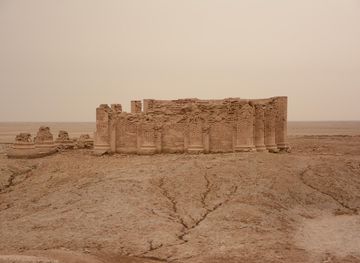
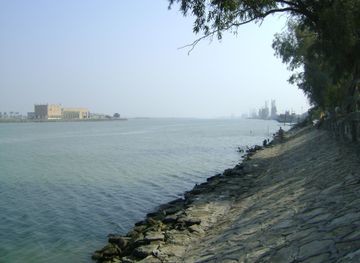

Your all‑in‑one travel companion app
Explore expert travel guides, compare and book tours, experiences, hotels, and more—all from the palm of your hand. Download now for seamless trip planning wherever your wanderlust takes you.


Explore More of Iraq

Looking beyond Dhi Qar? Discover Iraq for broader travel guides, local hot-spots, and regional highlights.
Explore IraqDhi Qar in Photos
Browse through our photo collection highlighting the charm and character of the destination.





Dhi Qar: The Cradle of Civilization
Dhi Qar, located in southern Iraq, is a treasure trove of ancient history and cultural heritage. This region is home to the ruins of the ancient city of Ur, which dates back to the Sumerian civilization, making it one of the oldest cities in the world. The Ziggurat of Ur, a massive structure built over 4,000 years ago, stands as a testament to the architectural prowess of the Sumerians. Visitors can walk through the remnants of this ancient city, feeling the weight of history underfoot and imagining what life was like in one of the world's earliest civilizations. In addition to its historical significance, Dhi Qar offers a glimpse into the vibrant culture of southern Iraq. The bustling markets of Nasiriyah, the capital of Dhi Qar, are filled with local artisans selling traditional crafts, spices, and textiles. The people of Dhi Qar are known for their hospitality, and visitors will find themselves welcomed with open arms. The local cuisine, rich with flavors unique to the region, provides a delightful culinary experience that should not be missed. Nature enthusiasts will also find much to love in Dhi Qar. The region is home to the marshes of southern Iraq, a UNESCO World Heritage site. These wetlands, with their unique ecosystems and diverse wildlife, offer a serene escape from the hustle and bustle of city life. Traditional reed houses dot the landscape, and visitors can take boat tours to explore the marshes, learning about the way of life of the Ma'dan, or Marsh Arabs, who have lived in harmony with this environment for millennia.