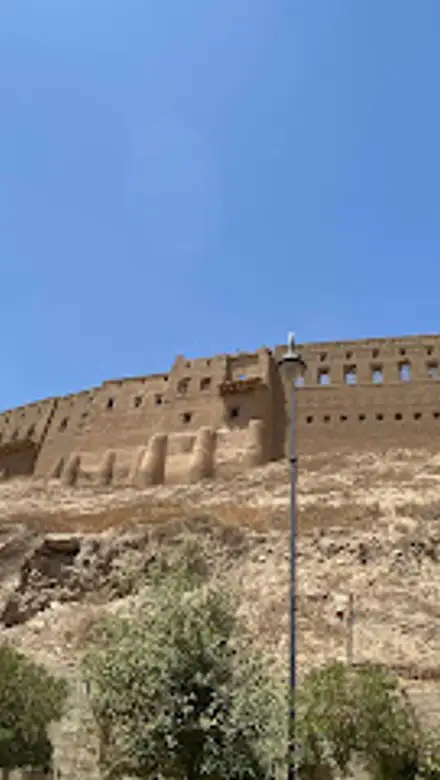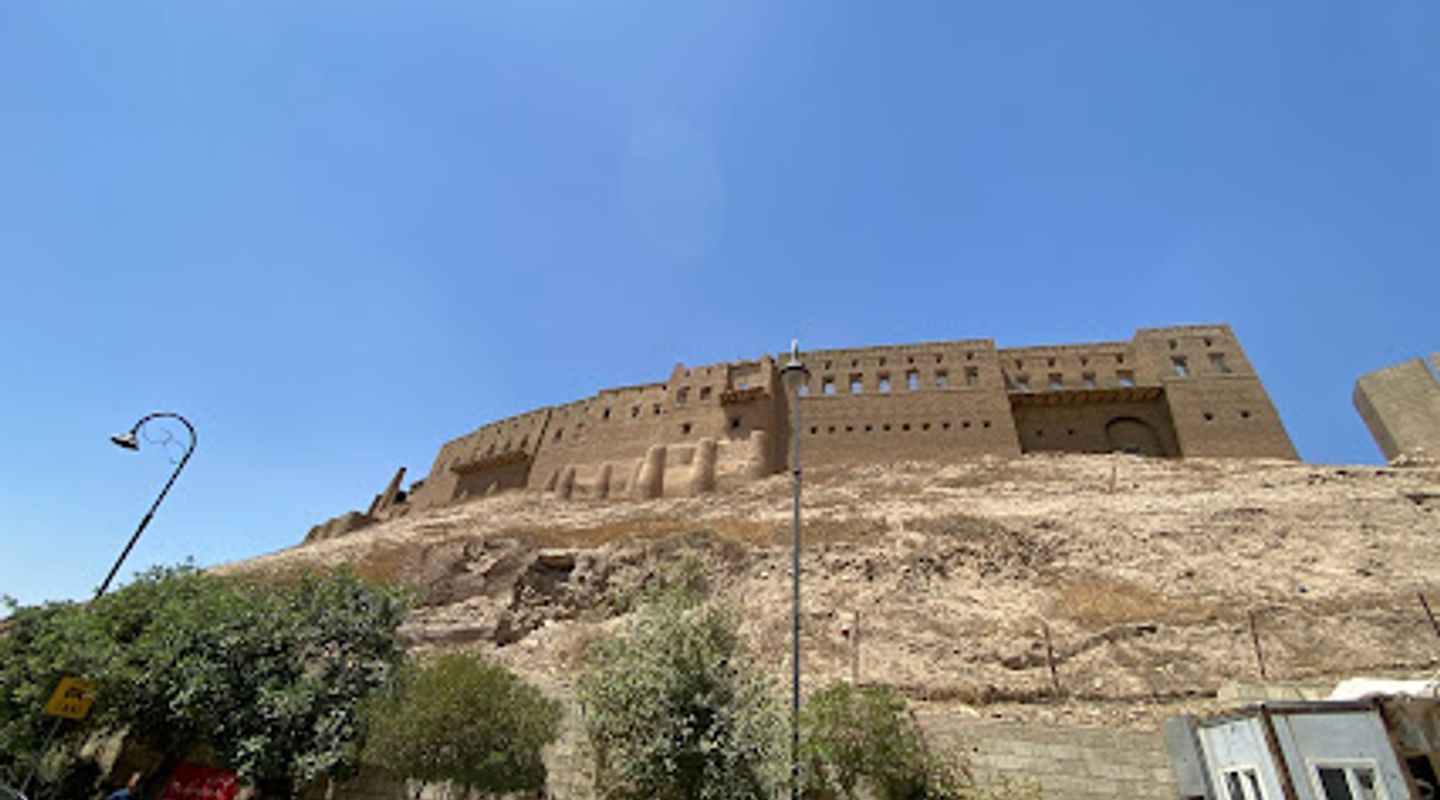
Erbil Citadel, Erbil Governorate Travel Guide
Explore the ancient Erbil Citadel, a UNESCO World Heritage Site with 8,000 years of history, offering a unique glimpse into Mesopotamia's past.
The Erbil Citadel, also known as Qalat, is a UNESCO World Heritage Site and the historical heart of Erbil, rising dramatically from the surrounding plain. Believed to be one of the oldest continuously inhabited settlements in the world, with evidence of occupation dating back to the 5th millennium BC, it offers a captivating journey through millennia of history.
A brief summary to Erbil Citadel
- Erbil, Municipality One, Erbil Governorate, 44001, IQ
- Click to display
- Monday 9 am-7 pm
- Tuesday 9 am-7 pm
- Wednesday 9 am-7 pm
- Thursday 9 am-7 pm
- Friday 9 am-7 pm
- Saturday 9 am-7 pm
- Sunday 9 am-7 pm

Know before you go
Hi, I'm Eve. Here are a few practical things to know before exploring Erbil Citadel.
- Wear comfortable shoes for walking on the Citadel's uneven and historic streets.
- Visit during the spring (March-May) or fall (September-November) for pleasant weather.
- Check out the Kurdish Textile Museum to learn about the region's rich textile heritage.
- Visit the Citadel in the morning to experience traditional Kurdish breakfasts at nearby cafes.
Do you manage this location?
Take control to get all the benefits, like improved information, better appearance, and stronger visibility across AI-powered discovery. Learn more about listing your business on Evendo
Activate your presenceOther nearby places you may find interesting
The closest places of the same kind, if this one is not quite what you had in mind.


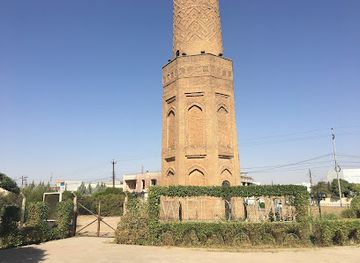
Explore Erbil Citadel on the Map
A handpicked selection of must-see spots near Erbil Citadel, mapped for you.
Getting There
-
Walking
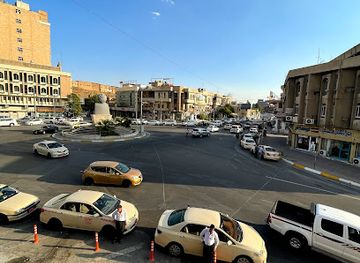
From most central locations in Erbil, the Citadel is within walking distance. It's situated in the heart of downtown Erbil, making it a prominent and easily visible landmark. As you approach the city center, look for the towering walls of the Citadel. No costs are associated with walking.
-
Taxi
Taxis are readily available throughout Erbil and can be hailed on the street or arranged through your hotel. Simply tell the driver you want to go to 'Erbil Citadel'. The fare should range from 1,000 to 3,000 IQD depending on your starting point within the city; negotiate the fare beforehand if the taxi doesn't use a meter.
-
Public Transport
While public transportation in Erbil isn't highly developed, mini-buses and shared taxis operate in the city. Locals can guide you to the nearest stop to catch a ride to the Citadel vicinity. Fares are typically low but may require some local language skills to navigate.
Discover more about Erbil Citadel













Your all‑in‑one travel companion app
Explore expert travel guides, compare and book tours, experiences, hotels, and more—all from the palm of your hand. Download now for seamless trip planning wherever your wanderlust takes you.


Explore More of Erbil Governorate
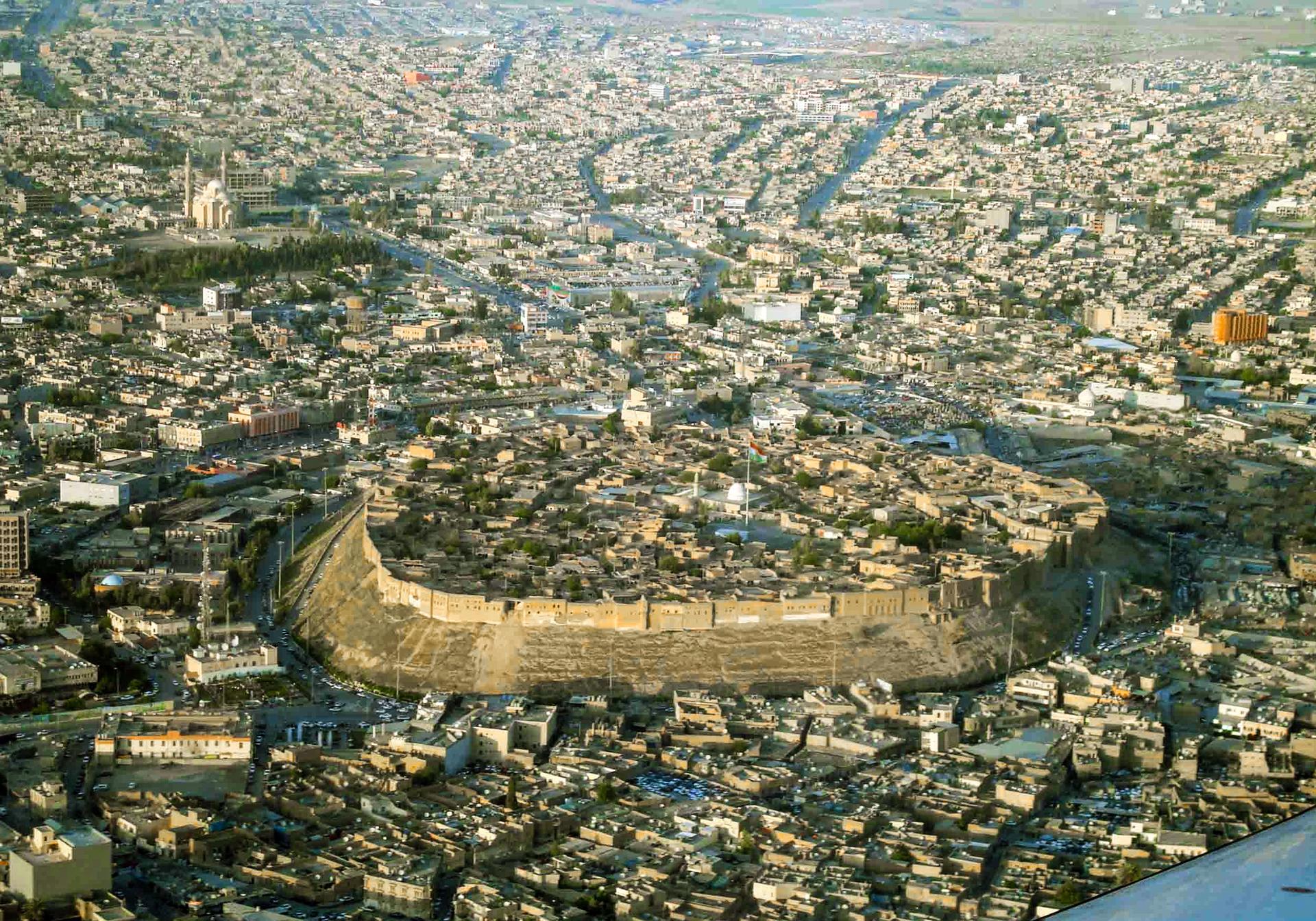
Looking beyond Erbil Citadel? Discover Erbil Governorate for broader travel guides, local hot-spots, and regional highlights.
Explore Erbil Governorate