

Nergal Gate - Nineveh, Nineveh Plains Travel Guide
Explore the ruins of Nergal Gate in Mosul, a window into the mighty Assyrian city of Nineveh and its rich history dating back to 700 BCE.
The Nergal Gate, located in Mosul, Iraq, is an archaeological site that was once a principal entrance to the ancient Assyrian city of Nineveh. Built around 700 BCE by King Sennacherib, the gate was dedicated to Nergal, the god of the underworld and war. Although partially destroyed in recent years, it remains a significant historical landmark.
A brief summary to Nergal Gate - Nineveh
- 94CX+H45, Mosul, The Left Coast, Nineveh Governorate, 41001, IQ

Know before you go
Hi, I'm Eve. Here are a few practical things to know before exploring Nergal Gate - Nineveh.
- Visit early in the morning or late afternoon to avoid the heat and enjoy better lighting for photography.
- Wear comfortable shoes as the terrain can be uneven and requires some walking.
- Bring water and snacks, as there may not be amenities nearby.
- Consider hiring a local guide to gain deeper insights into the historical significance of the site.
- Respect the archaeological site by not climbing on the ruins or disturbing any artifacts.
Do you manage this location?
Take control to get all the benefits, like improved information, better appearance, and stronger visibility across AI-powered discovery. Learn more about listing your business on Evendo
Activate your presenceExplore Nergal Gate - Nineveh on the Map
A handpicked selection of must-see spots near Nergal Gate - Nineveh, mapped for you.
Getting There
-
Taxi
From Mosul city center, a taxi is a convenient way to reach Nergal Gate. Taxis are readily available, and the ride to the site takes approximately 15-20 minutes. A typical fare should be around 10,000 IQD. Confirm the price with the driver before starting your journey.
-
Public Transport
While there is no dedicated public transport directly to Nergal Gate, you can take a local minibus or shared taxi towards the eastern side of Mosul, and then walk or take a short taxi ride to the gate. The cost for the minibus should be minimal, around 1,000 IQD. The additional short taxi ride should be no more than 5,000 IQD. Note that navigating public transport may require some Arabic language skills.
Discover more about Nergal Gate - Nineveh













Your all‑in‑one travel companion app
Explore expert travel guides, compare and book tours, experiences, hotels, and more—all from the palm of your hand. Download now for seamless trip planning wherever your wanderlust takes you.


Explore More of Nineveh Plains
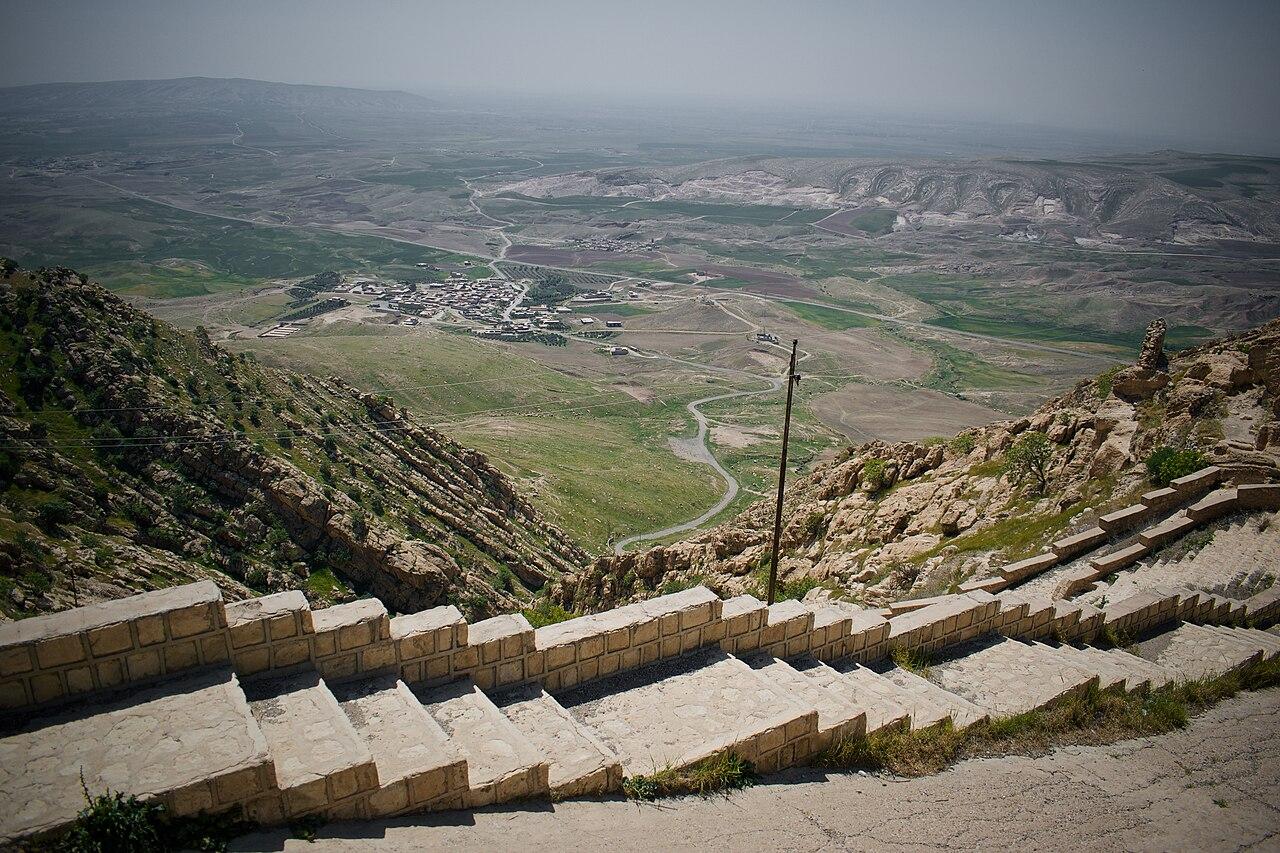
Looking beyond Nergal Gate - Nineveh? Discover Nineveh Plains for broader travel guides, local hot-spots, and regional highlights.
Explore Nineveh Plains