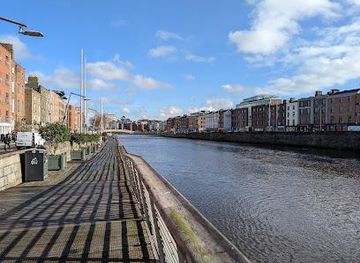
Liffey Boardwalk
Liffey Boardwalk: A Stroll Along Dublin's Iconic River

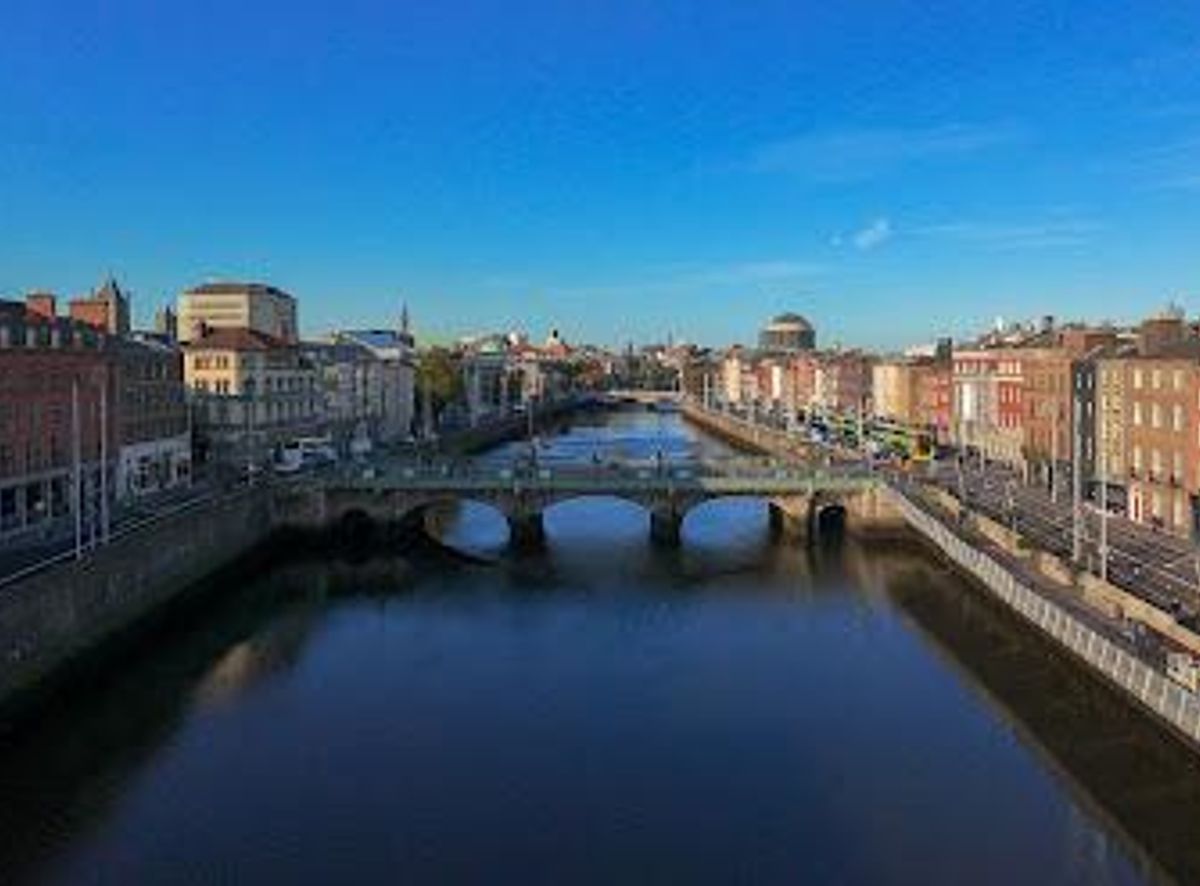
Cross the Liffey on Dublin's Grattan Bridge, a historic landmark offering stunning city views and a glimpse into the past.
Grattan Bridge, an iconic structure in Dublin, spans the River Liffey, connecting Capel Street to Parliament Street. Rebuilt in 1874, it stands on the site of two previous bridges, each with its own unique history. The bridge offers picturesque views of the river and surrounding cityscape.
Opening times, essentials, and a few local tips gathered into one calmer, easier-to-scan planning section.
Walking
From Temple Bar, walk north towards the River Liffey. Cross the pedestrianized Millennium Bridge and continue straight onto Capel Street. Grattan Bridge will be immediately ahead, spanning the river. The walk is approximately 5 minutes and free.
Public Transport
From O'Connell Street, take any bus heading towards the south quays. Alight at the Wellington Quay stop, which is a short walk from Grattan Bridge. Dublin Bus single fares typically cost around €2.00-€3.30 depending on the distance.
Taxi
From Trinity College, a taxi to Grattan Bridge will take approximately 5-10 minutes, depending on traffic. The estimated cost is €8-€12.
Use Tower Bridge as your starting point for nearby food, family ideas, nightlife, and more local discoveries.

Explore expert travel guides, compare and book tours, experiences, hotels, and more—all from the palm of your hand. Download now for seamless trip planning wherever your wanderlust takes you.
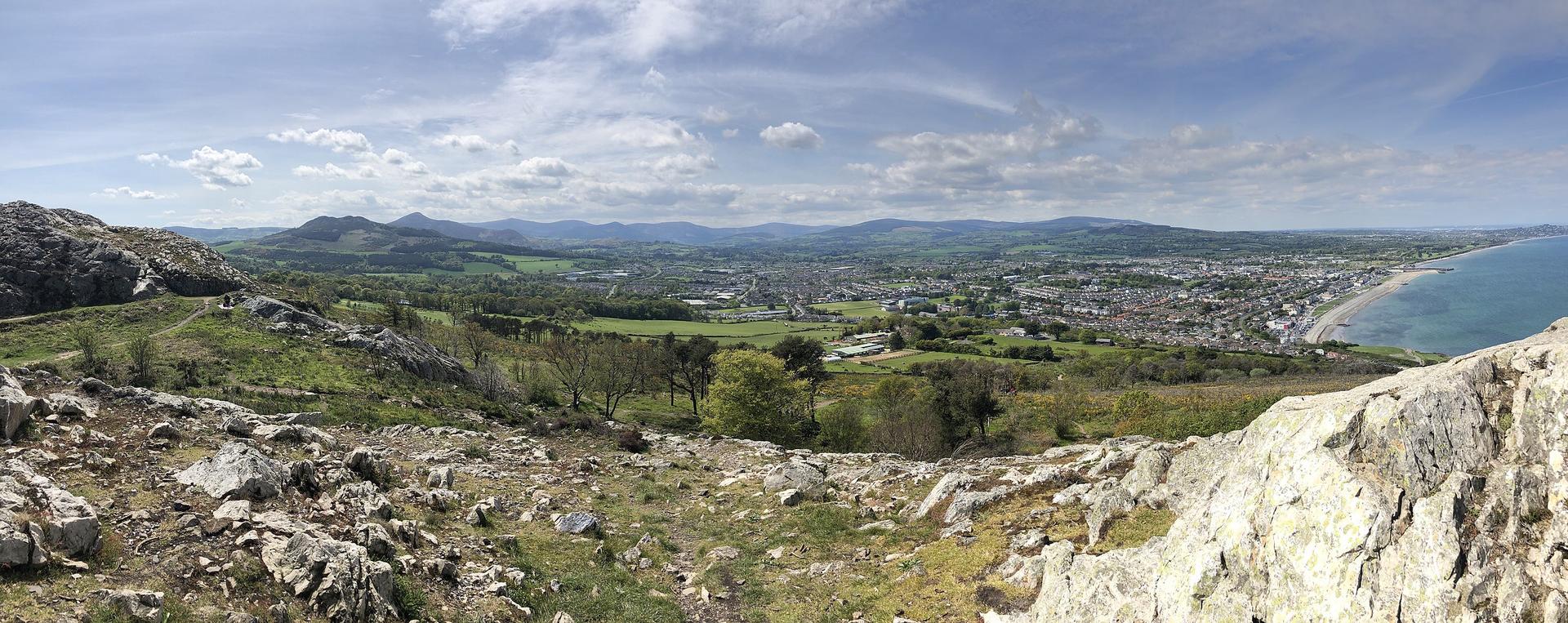
Discover Bray, Ireland's picturesque seaside town, with its scenic promenade, historic landmarks, and vibrant arts scene. Perfect for nature lovers and culture enthusiasts alike.
Tell me more about Bray