Clonmore Castle, County Carlow Travel Guide
Explore the historic ruins of Clonmore Castle in County Carlow, a 13th-century Anglo-Norman fortress with intriguing architectural remnants.
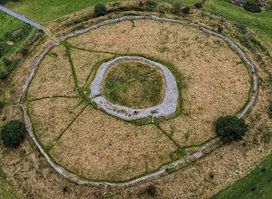
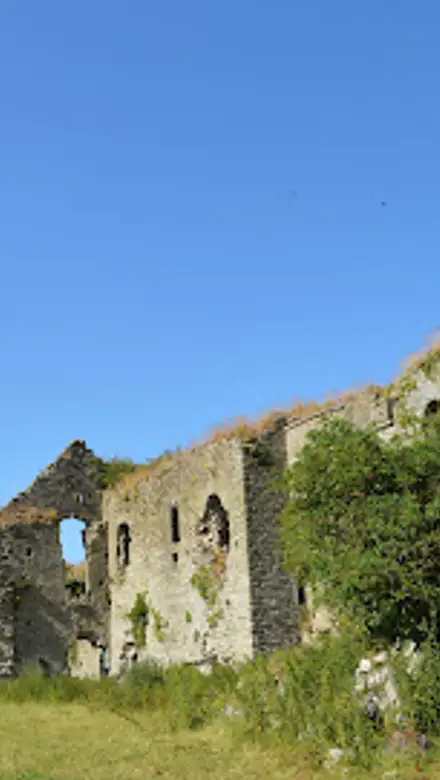
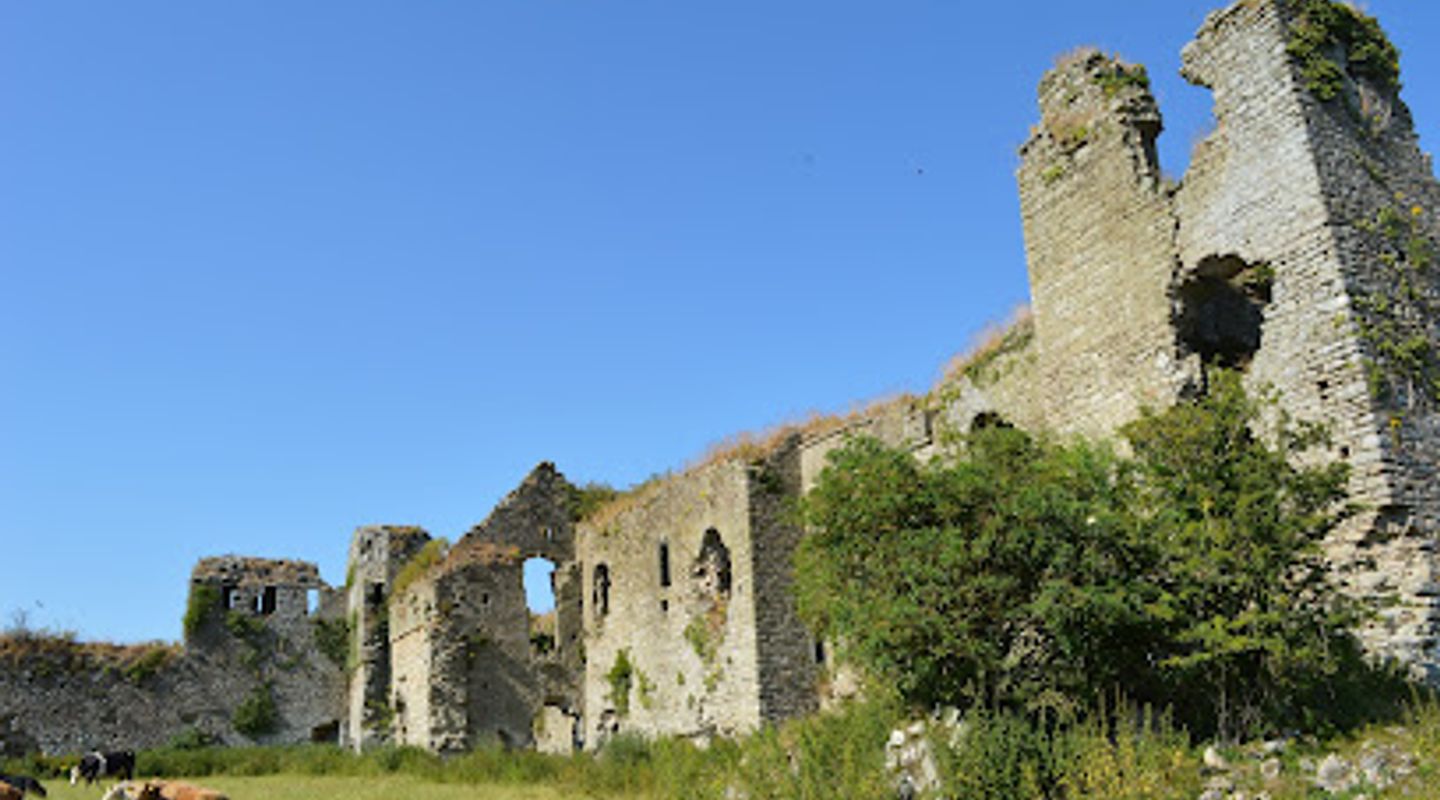
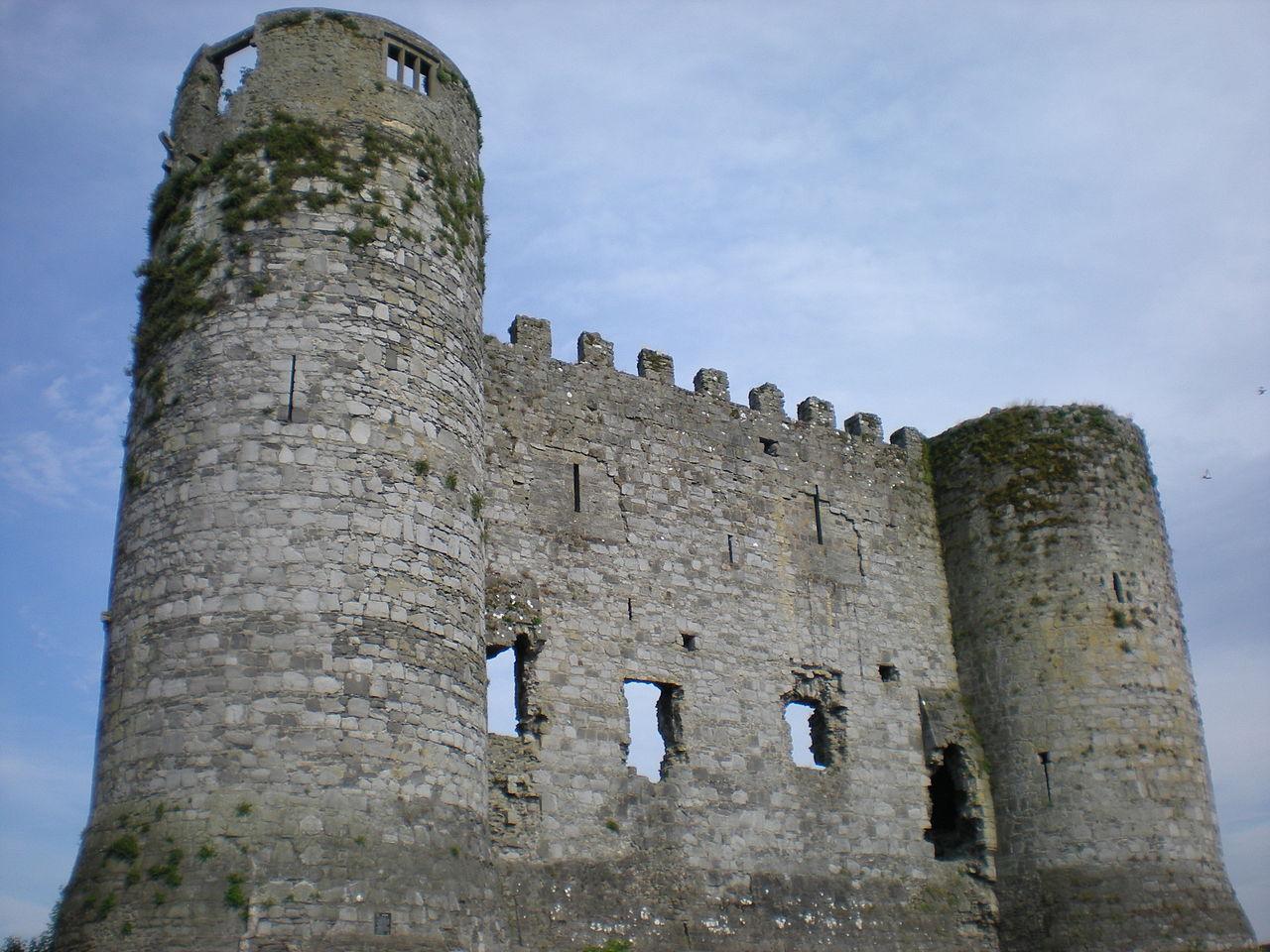
Clonmore Castle, located in County Carlow, is a largely ruined Anglo-Norman castle dating back to the 13th century. Its weathered walls and towers offer a glimpse into Ireland's medieval past, with interesting architectural details still visible.
A brief summary to Clonmore Castle
- 1, 1, Hacketstown, Clonmore, Co. Carlow, IE

Know before you go
Hi, I'm Eve. Here are a few practical things to know before exploring Clonmore Castle.
- Wear sturdy footwear as the ground within the castle ruins can be uneven and muddy.
- Be cautious when exploring the ruins, as some areas are unstable.
- Visit during the golden hour for the best lighting for photographs.
Do you manage this location?
Take control to get all the benefits, like improved information, better appearance, and stronger visibility across AI-powered discovery. Learn more about listing your business on Evendo
Activate your presenceOther nearby places you may find interesting
The closest places of the same kind, if this one is not quite what you had in mind.
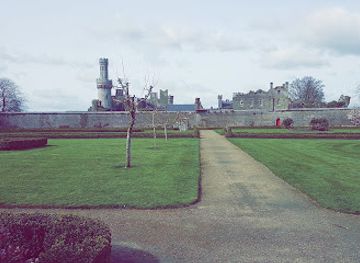
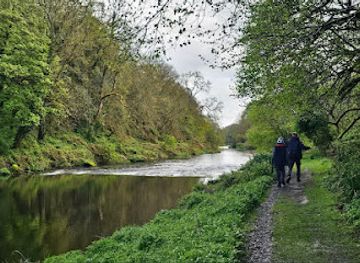
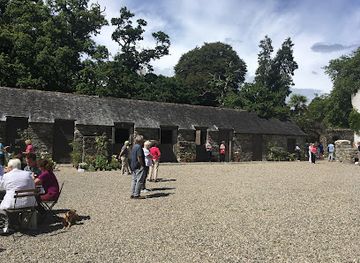
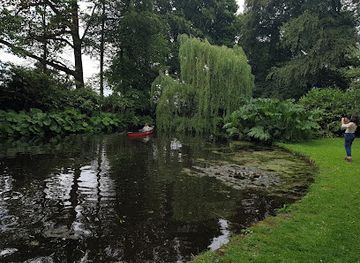
Explore Clonmore Castle on the Map
A handpicked selection of must-see spots near Clonmore Castle, mapped for you.
Getting There
-
Driving
From Hacketstown, drive towards Clonmore on the L2005. The castle will be visible on your left after approximately 6km. Limited parking is available near the castle tower.
-
Public Transport
Take the Bus Éireann service 874 from Carlow to Hacketstown. From Hacketstown, Clonmore Castle is approximately a 3km walk. Follow the R724 road to the left, and the castle will be on your left. Bus fare from Carlow to Hacketstown is approximately €8-€12.
-
Taxi
Taxis are available from Hacketstown to Clonmore Castle. The estimated fare is €15-€25. Taxi fares in Ireland include an initial charge, plus a distance/time charge. Extra charges may apply for additional passengers or booking fees.
Discover more about Clonmore Castle













Your all‑in‑one travel companion app
Explore expert travel guides, compare and book tours, experiences, hotels, and more—all from the palm of your hand. Download now for seamless trip planning wherever your wanderlust takes you.


Explore More of County Carlow
Looking beyond Clonmore Castle? Discover County Carlow for broader travel guides, local hot-spots, and regional highlights.
Explore County Carlow