

County Carlow, Ireland Travel Guide
Discover County Carlow, Ireland's hidden gem, where rich history, stunning landscapes, and vibrant local culture come together to create an unforgettable experience.
Nestled in the heart of Ireland, County Carlow is a destination brimming with history, culture, and natural beauty. This charming county offers a perfect blend of scenic landscapes, ancient ruins, and vibrant local culture that will captivate any traveler. Known for its rolling hills and lush green countryside, Carlow provides countless opportunities for outdoor enthusiasts to explore its mesmerizing trails and tranquil rivers. History buffs will be delighted by the rich heritage of County Carlow. Visit the impressive Carlow Castle, a medieval fortress that stands as a testament to the county's storied past. The Brownshill Dolmen, one of the largest dolmens in Europe, offers a fascinating glimpse into prehistoric times. For a touch of spirituality, the historic St. Mullins Monastic Site features beautiful ruins and serene surroundings. County Carlow is also a haven for those who appreciate the arts and local crafts. The Carlow Arts Festival, held annually, showcases a vibrant array of performances, exhibitions, and workshops. Don't miss the opportunity to explore the county's charming towns and villages, where you can savor traditional Irish cuisine, browse local markets, and experience the warm hospitality of the Carlovian people.

Know before you go
Hi, I'm Eve. Here are a few practical things to know before exploring County Carlow.
- Visit in late spring or early summer for the best weather and to experience the Carlow Arts Festival.
- Don't miss the Brownshill Dolmen, especially at sunrise or sunset for the best photos.
- Try traditional Irish dishes at local pubs for an authentic taste of Carlow's culinary heritage.
- Wear comfortable walking shoes, as many of the historical sites and trails require some light hiking.
- Check out local markets for unique handmade crafts and souvenirs.
Top City Travel Guides in County Carlow
The cities of County Carlow, and the easiest places to base yourself.
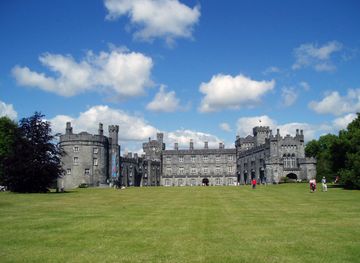
Explore County Carlow: Things to Do, Places to Eat, Hotels & More
Handpicked recommendations for top attractions, local dining, accommodations, and more

Top Attractions & Sightseeing in County Carlow
Top-rated picks
Best Attractions

Rathgall Hillfort
Explore Rathgall Hillfort in Co. Wicklow, an ancient monument offering stunning views and a glimpse into Ireland's rich history.

Altamont Gardens
Discover the enchanting blend of formal and natural beauty at Altamont Gardens, a historical gem in County Carlow, Ireland.

Barrow Way Trailhead
Discover the scenic beauty and historical charm of Ireland's Barrow Way, a tranquil riverside trail in St. Mullins, Co. Carlow.

Brownshill Portal Tomb (Dolmen)
Marvel at Europe's largest dolmen capstone, a relic of Neolithic Ireland near Carlow town. Free entry, easy access, and a journey back in time.

Best landmarks in County Carlow
Top-rated picks
Best Landmarks

Shankill Castle
Explore the exquisite Shankill Castle in County Kilkenny - a blend of history, art, and natural beauty awaits every visitor.

Altamont Gardens
Escape to Altamont Gardens in County Carlow: a romantic blend of formal and informal gardens, rich in history and natural beauty.

Brownshill Portal Tomb (Dolmen)
Discover the ancient mysteries of Brownshill Dolmen, a megalithic portal tomb with Europe's largest capstone, near Carlow town.

Delta Sensory Gardens
Discover tranquility in Carlow's award-winning Delta Sensory Gardens: a unique, accessible, and therapeutic experience for all the senses.

Best restaurants in County Carlow
Top-rated picks
Best Restaurants

Rachel's Garden Café at Arboretum Leighlinbridge, Carlow
Discover Rachel's Garden Café at Arboretum Leighlinbridge – where fresh flavors meet serene garden views.

Teach Dolmain
Discover the rich flavors of Irish cuisine at Teach Dolmain, Carlow's premier gastropub offering exceptional dishes in a warm atmosphere.

Mimosa Bar de Tapas
Experience exquisite tapas and fine wines at Mimosa Bar de Tapas in Carlow - a culinary gem with an enchanting outdoor beer garden.

Reddys of Carlow
Experience authentic Irish flavors at Reddys of Carlow – where great food meets warm hospitality in the heart of Ireland.

Best bars in County Carlow
Top-rated picks
Best Bars

Teach Dolmain
Experience the best of Irish cuisine at Teach Dolmain, a charming gastropub in Carlow offering a blend of traditional and contemporary dishes.

Mimosa Bar de Tapas
Experience the vibrant flavors of Spain at Mimosa Bar de Tapas in Carlow, where exquisite tapas and fine wines await.

Reddys of Carlow
Experience the heart of Irish cuisine at Reddys of Carlow, where delicious flavors and warm hospitality meet in a charming pub setting.
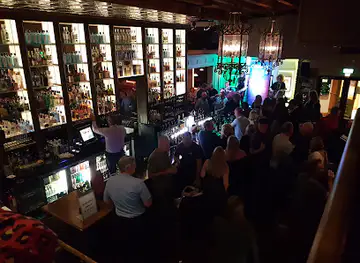
The Terrace
Discover the vibrant atmosphere of The Terrace, Carlow's premier beer garden offering local brews and delicious bites in a beautiful outdoor setting.

Best nightclubs in County Carlow
Top-rated picks
Best Nightclubs

The Barracks
Experience the dynamic nightlife of Carlow at The Barracks, a lively bar and live music venue offering delicious cocktails and unforgettable entertainment.

The Foundry Nightclub
Experience the vibrant nightlife at The Foundry Nightclub in Carlow, where music, dance, and fun come alive every weekend.

Club54 Carlow
Discover Carlow's vibrant nightlife at Club54, where music, dancing, and a lively crowd come together for an unforgettable evening.

Best shops in County Carlow
Top-rated picks
Best Shops

Fairgreen Shopping Centre
Discover a world of shopping and entertainment at Fairgreen Shopping Centre in Carlow, where every visit promises excitement and variety.

The Range, Carlow
Explore The Range in Carlow for an unparalleled shopping experience featuring home goods, art supplies, furniture, and more in a family-friendly environment.

Carlow Shopping Centre
Discover a vibrant shopping experience at Carlow Shopping Centre, where fashion meets flavor in the heart of Carlow, Ireland.

Penneys
Explore Penneys in Carlow for stylish and affordable fashion, perfect for every trendsetter and savvy shopper!

Explore County Carlow on the Map
A handpicked selection of must-see spots in County Carlow, mapped for you.
County Carlow Essentials
-
County Carlow is located in the southeast of Ireland. The nearest major airport is Dublin Airport, approximately 90 kilometers away. From Dublin, you can take a direct bus or train to Carlow, with the journey typically taking around 1.5 to 2 hours. Alternatively, you can rent a car and drive, which allows for flexibility and the opportunity to explore the scenic Irish countryside along the way.
-
Carlow town is compact, making it easy to explore on foot. For longer distances or to visit surrounding areas, local buses and taxis are readily available. Renting a car can be convenient for more extensive exploration, especially if you plan to visit rural parts of the county. Bicycle rentals are also an option for those who enjoy cycling.
-
The official currency in Ireland is the Euro (€). Credit and debit cards are widely accepted in hotels, restaurants, and shops. ATMs are available throughout County Carlow, but it's advisable to carry some cash for smaller establishments or rural areas where card payments may not be accepted.
-
County Carlow is generally a safe destination for tourists. However, as with any travel destination, it is wise to take standard precautions. Avoid walking alone at night in unfamiliar areas and keep your belongings secure in crowded places. There are no specific high-crime areas targeting tourists, but staying vigilant and aware of your surroundings is always a good practice.
-
In case of emergency, dial 112 or 999 for immediate assistance. Carlow has local police stations, medical facilities, and hospitals. It is recommended to have travel insurance that covers medical emergencies. Pharmacies are available in the town for minor health issues and over-the-counter medications.
-
Fashion: Do dress in layers as the weather can be unpredictable. Avoid wearing overly casual clothing in finer dining establishments. Religion: Do respect local customs, especially when visiting churches. Public Transport: Do be polite and considerate to fellow passengers. Don't eat or drink on public transport. Greetings: Do greet people warmly with a handshake or a friendly hello. Eating & Drinking: Do try local dishes and specialties. Don't refuse food or drink offerings, as it is considered impolite.
-
To experience County Carlow like a local, visit the Carlow Farmers Market on Saturdays for fresh produce and local crafts. Engage with locals, who are often friendly and happy to share stories about the area's history and culture. Don't miss visiting the Carlow County Museum and the Brownshill Dolmen. For a unique experience, take a stroll along the Barrow Way, a picturesque walking route along the River Barrow.
When is the best time to visit County Carlow?
Useful Local Phrases for County Carlow
You don't need to speak the language perfectly. Even learning a few simple words can make conversations warmer—and locals usually appreciate the effort.
— Eve

Here are the phrases I use most often in County Carlow. Try a few—you'll be surprised how far they go! 😊
❤️
-
- HelloDia dhuit
[Dee-ah gwit] - GoodbyeSlán
[Slawn] - YesTá
[Taw] - NoNíl
[Neel] - Please/You’re welcomeLe do thoil
[Leh duh hull] - Thank youGo raibh maith agat
[Guh rev mah agat] - Excuse me/SorryGabh mo leithscéal
[Gav muh lesh-kayl] - How are you?Conas atá tú?
[Kuh-nas uh-taw too] - Fine. And you?Go breá. Agus tú?
[Guh brah. Ah-gus too] - Do you speak English?An labhraíonn tú Béarla?
[An law-ree-awn too Bayr-la] - I don't understandNí thuigim
[Nee hig-im]
- HelloDia dhuit
-
- I’d like to see the menu, pleaseBa mhaith liom an roghchlár a fheiceáil, le do thoil
[Bah wah lum on rath-lar a hyah-kil, leh duh hull] - I don’t eat meatNí ithim feoil
[Nee ih-im fail] - Cheers!Sláinte!
[Slawn-teh] - I would like to pay, pleaseBa mhaith liom íoc, le do thoil
[Bah wah lum eek, leh duh hull]
- I’d like to see the menu, pleaseBa mhaith liom an roghchlár a fheiceáil, le do thoil
-
- Help!Cabhraigh!
[Kow-ree] - Go away!Imigh uait!
[Im-ee oo-it] - Call the Police!Glaoigh ar na gardaí!
[Glee-hee air na gar-dee] - Call a doctor!Glaoigh ar dochtúir!
[Glee-hee air dock-teer] - I’m lostTáim ar strae
[Taw-im air straw] - I’m illTáim tinn
[Taw-im tin]
- Help!Cabhraigh!
-
- I’d like to buy...Ba mhaith liom a cheannach...
[Bah wah lum a khyan-ukh...] - I’m just lookingTáim ag breathnú
[Taw-im egg brath-noo] - How much is it?Cén praghas atá air?
[Kayn prah-gahs uh-taw air] - That’s too expensiveSin ró chasta
[Shin roh khasta] - Can you lower the price?An féidir leat an praghas a laghdú?
[An fay-dair lat on prah-gahs a lag-doo]
- I’d like to buy...Ba mhaith liom a cheannach...
-
- What time is it?Cén t-am é?
[Kayn tahm ay] - It’s one o'clockTá sé a haon
[Taw shay a hayn] - Half past (10)Leath i ndiaidh (10)
[Lah in yeed (10)] - MorningMaidin
[Mah-din] - AfternoonIarnóin
[Ear-noin] - EveningTráthnóna
[Trah-noh-na] - YesterdayInné
[In-yay] - TodayInniu
[In-yu] - TomorrowAmárach
[Ah-mah-rah] - 11
[1] - 22
[2] - 33
[3] - 44
[4] - 55
[5] - 66
[6] - 77
[7] - 88
[8] - 99
[9] - 1010
[10]
- What time is it?Cén t-am é?
-
- Where's a/the...?Cá bhfuil a/the...?
[Kaw wil a/the...?] - What's the address?Cad é an seoladh?
[Kad ay on shol-adh?] - Can you show me (on the map)?An féidir leat dom a thaispeáint (ar an mapa)?
[An fay-dair lat dum a hash-paynt (air on mah-pa)?] - When's the next (bus)?Cathain a bheidh an chéad (bus)?
[Kah-hin a vay an kayd (bus)?] - A ticket (to ....)Ticéad (go ....)
[Tik-id (guh ....)]
- Where's a/the...?Cá bhfuil a/the...?
History of County Carlow
-
County Carlow's medieval history is epitomized by Carlow Castle, constructed between 1207 and 1213 by William Marshal, the 1st Earl of Pembroke. This impressive fortress was built to guard the vital river crossing on the River Barrow. Though much of the castle was destroyed in the 19th century, its ruins still provide a remarkable glimpse into the Norman architecture and feudal society of the Middle Ages.
-
The Blackstairs Mountains, straddling the border between County Carlow and County Wexford, are home to a rich array of prehistoric monuments. One notable site is the Browne's Hill Dolmen, featuring the largest capstone in Europe, estimated to weigh over 100 tons. These ancient structures offer insight into the early settlers of the area, dating back to the Neolithic period around 3300 BC.
-
During the early Christian period, County Carlow became an important center for monastic life. St. Mullin's Monastery, founded by St. Moling in the 7th century, stands as a testament to this era. The site includes a round tower and a collection of high crosses, reflecting the area's significance as a religious and cultural hub during Ireland's golden age of monasticism.
-
County Carlow played a significant role in the Irish Rebellion of 1798, a major uprising against British rule. The Battle of Carlow, which took place on May 25, 1798, saw local rebels clashing with British forces in a bid for independence. The aftermath was tragic, with many rebels killed in the fighting or executed afterwards, but it remains a poignant chapter in the county's fight for freedom.
-
The 19th century brought industrial advancements to County Carlow, transforming its economic landscape. The Barrow Navigation, completed in 1836, enhanced trade by making the River Barrow navigable for larger vessels. The construction of the Carlow railway in 1846 further boosted commerce, connecting the county to Dublin and other major cities. These developments played a crucial role in shaping modern Carlow.
-
County Carlow's fertile lands have long been a cornerstone of its economy, earning it the nickname 'The Scallion Eaters' due to its prolific onion production. The Carlow Sugar Factory, established in 1926, became a key employer and symbol of agricultural innovation in the region. Although the factory closed in 2005, its legacy endures in the county's strong agricultural tradition.
-
Carlow's vibrant cultural scene is showcased in its annual festivals and traditions. The Carlow Arts Festival, held every June, celebrates contemporary arts, music, and theatre, drawing visitors from near and far. The Pan-Celtic Festival, which rotates between Celtic nations, frequently features Carlow as a host, highlighting the county's rich heritage and fostering a sense of cultural unity.
Neighbouring Regions of County Carlow
The closest regions to County Carlow, if you have time for more than one.



Your all‑in‑one travel companion app
Explore expert travel guides, compare and book tours, experiences, hotels, and more—all from the palm of your hand. Download now for seamless trip planning wherever your wanderlust takes you.


Explore More of Ireland
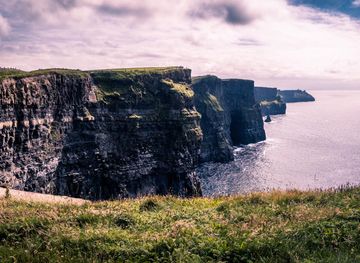
Looking beyond County Carlow? Discover Ireland for broader travel guides, local hot-spots, and regional highlights.
Explore IrelandCounty Carlow in Photos
Browse through our photo collection highlighting the charm and character of the destination.


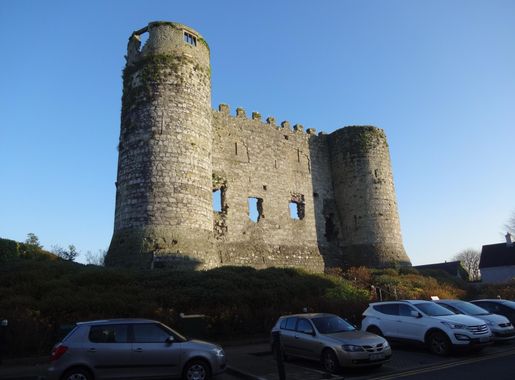


The Charm of County Carlow: Ireland's Hidden Gem
Nestled in the heart of Ireland, County Carlow is a destination brimming with history, culture, and natural beauty. This charming county offers a perfect blend of scenic landscapes, ancient ruins, and vibrant local culture that will captivate any traveler. Known for its rolling hills and lush green countryside, Carlow provides countless opportunities for outdoor enthusiasts to explore its mesmerizing trails and tranquil rivers. History buffs will be delighted by the rich heritage of County Carlow. Visit the impressive Carlow Castle, a medieval fortress that stands as a testament to the county's storied past. The Brownshill Dolmen, one of the largest dolmens in Europe, offers a fascinating glimpse into prehistoric times. For a touch of spirituality, the historic St. Mullins Monastic Site features beautiful ruins and serene surroundings. County Carlow is also a haven for those who appreciate the arts and local crafts. The Carlow Arts Festival, held annually, showcases a vibrant array of performances, exhibitions, and workshops. Don't miss the opportunity to explore the county's charming towns and villages, where you can savor traditional Irish cuisine, browse local markets, and experience the warm hospitality of the Carlovian people.