Background

Palestra Grande: Pompeii's Grand Gymnasium

4.7 (133)

Explore the Palestra Grande in Pompeii, an ancient gymnasium showcasing Roman athleticism, social life, and the impact of Mount Vesuvius.

The Palestra Grande, or Great Gymnasium, in Pompeii, dating back to the 1st century AD, was a central hub for athletic training and social interaction among Roman citizens. This large complex features an open courtyard framed by columns and was used for various sports and physical training.

A brief summary to Palestra Grande

  • Monday 9:15 am-6:15 pm
  • Tuesday 9:15 am-6:15 pm
  • Wednesday 9:15 am-6:15 pm
  • Thursday 9:15 am-6:15 pm
  • Friday 9:15 am-6:15 pm
  • Saturday 9:15 am-6:15 pm
  • Sunday 9:15 am-6:15 pm

Local tips

  • Wear comfortable shoes for walking on uneven terrain within the Palestra Grande and throughout the Pompeii archaeological site.
  • Bring water and sun protection, especially during the hot summer months, as there is limited shade.
  • Consider hiring a local guide to gain deeper insights into the history and significance of the Palestra Grande and its features.
  • Check for temporary exhibitions or events that may be hosted at the Palestra Grande, adding a unique dimension to your visit.
  • Allow ample time to explore the entire Pompeii site, including the Palestra Grande, as there is much to see and discover.
widget icon

Do you manage this location?

Take control to get all the benefits, like improved information, better appearance, and stronger visibility across AI-powered discovery. Learn more

Activate your presence

Unlock the Best of Palestra Grande

Buy tickets

    No tickets available

Book tours with entry

    No tours available

Book tours without entry

    No tours available

Getting There

  • Walking

    From the Pompeii Archaeological Park entrance, walk east on Viale Plinio towards Via Roma. Continue straight for about 600 meters until you reach the intersection with Via Roma. Turn left onto Via Roma and walk for about 200 meters. The Palestra Grande will be on your right, located at Via Roma, 44.

  • Public Transport

    From Naples, take the Circumvesuviana train to the Pompei Scavi station. Exit the station and follow signs towards the Archaeological Park. Walk straight down Via Villa dei Misteri for about 15 minutes until you reach the entrance of the park. Once inside, follow the walking directions to Palestra Grande. A single train ticket from Naples to Pompei costs approximately €3-4.

  • Taxi

    From the center of Pompei, a taxi to Palestra Grande, located within the archaeological site, is a short ride. Taxis are readily available, and the fare should be approximately €15-€20. Ensure the taxi is licensed and agree on the fare before starting your journey.

Discover more about Palestra Grande

The Palestra Grande, located in the eastern periphery of Pompeii near the Amphitheatre, stands as a testament to the Roman emphasis on physical fitness and community engagement. Constructed during the Augustan period in the 1st century BC, this gymnasium served as a vital space for young Pompeiians to train and develop, embodying the imperial ideology of the time. The structure itself is a vast rectangular space, measuring 141 by 107 meters, enclosed by a high perimeter wall with ten monumental entrance gateways. Inside, a portico of 118 stucco-covered brick columns lines three sides of the complex, providing shade and shelter. Originally, two rows of plane trees further shaded the grounds, their root impressions still visible today. The central courtyard was used for various athletic activities, including wrestling, running, and ball games. A significant feature of the Palestra Grande is the large swimming pool (natatio) located in the center, measuring 35 by 22 meters. This pool, with its inclined bottom ranging from one to 2.6 meters in depth, was part of a sophisticated hydraulic system that drew water from a nearby aqueduct. Besides its practical use for swimming exercises, the pool also served as a symbolic element, representing purification and integral to the formation of young Roman citizens. The Palestra Grande also included changing rooms and halls for various activities, adorned with frescoes and mosaics that reflect the aesthetic values of the time. The Palestra Grande was not only a place for physical training but also a center for social and cultural life. During the age of Augustus, the town's youth were organized into associations called 'collegia iuvenum,' promoting sports and adherence to the principles of the new political ideology. The gymnasium was heavily damaged in the earthquake of A.D. 62 and was still undergoing restoration when Mount Vesuvius erupted in A.D. 79. The remains of seventeen people were found inside, while eighteen others sought refuge (and met their end) in the latrine, some still adorned with jewelry, highlighting the sudden disruption of everyday life. Today, the Palestra Grande offers visitors a unique glimpse into the daily lives and customs of ancient Romans, showcasing the importance of athleticism and community in Pompeii.
Mobile App

Your all‑in‑one travel companion app

Explore expert travel guides, compare and book tours, experiences, hotels, and more—all from the palm of your hand. Download now for seamless trip planning wherever your wanderlust takes you.


More about Naples

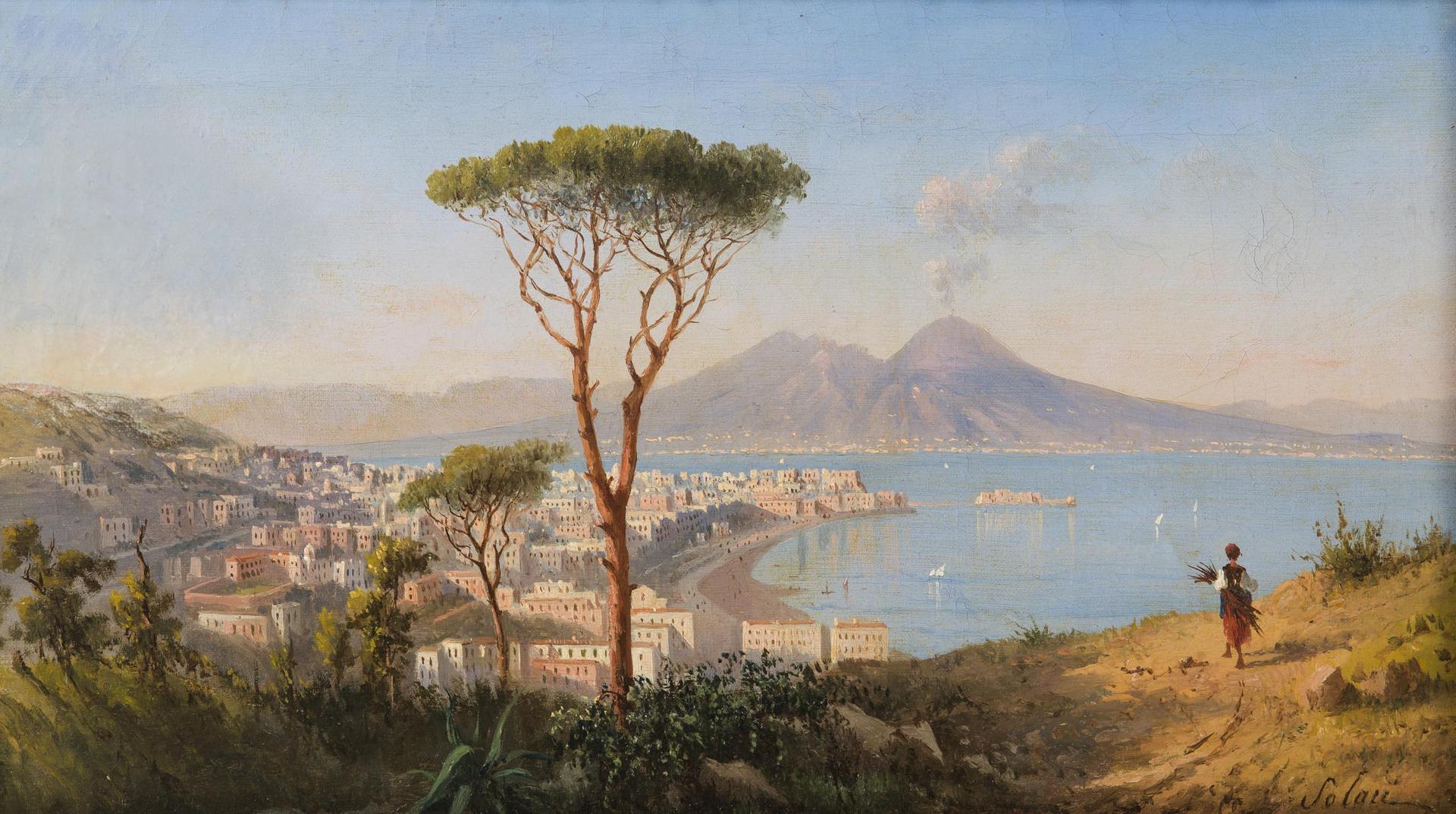
File:A View of Naples and Vesuvius.jpg - Wikimedia Commons

Discover Naples, a city where history, culture, and culinary delights converge along the stunning Tyrrhenian coastline. Experience the true essence of Southern Italy.

Tell me more about Naples

Select Currency
