Greenwood Great House: A Window into Jamaica's Past
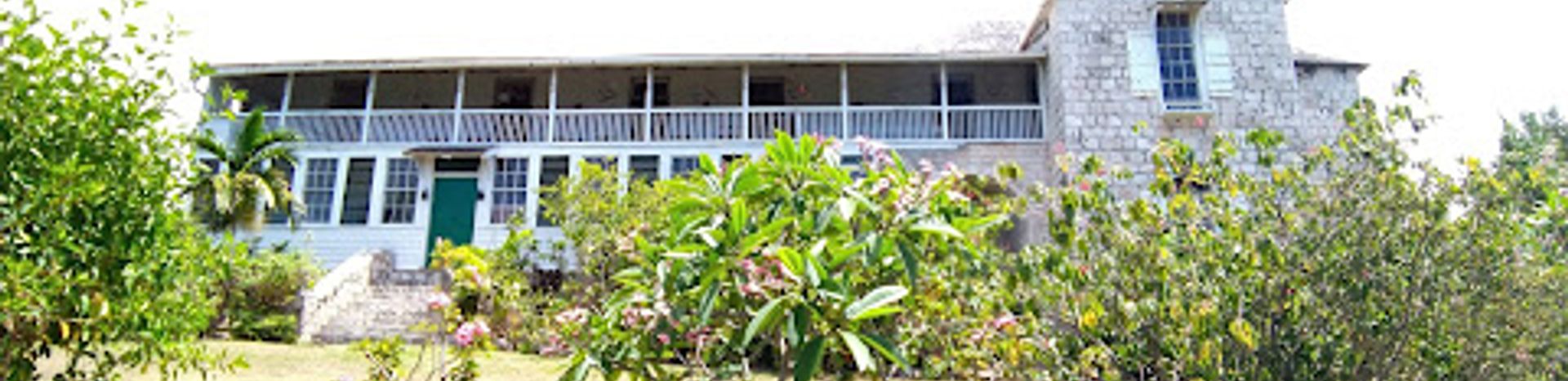
Step back in time at Greenwood Great House, a perfectly preserved 18th-century plantation home with stunning views and antique treasures.
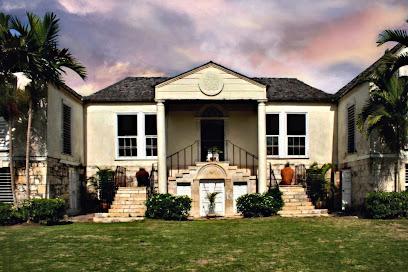
Perched high on a hill, Greenwood Great House offers a captivating glimpse into 19th-century Jamaican plantation life. Unlike many great houses, Greenwood survived the slave rebellion of 1831 unscathed and boasts an impressive collection of original furniture, rare musical instruments, and a vast library.
A brief summary to Greenwood Great House
- 435 Belgrade Avenue, Greenwood Avenue, JM
- +1876-631-3456
- Visit website
Local tips
- Wear comfortable shoes for walking on uneven surfaces and exploring the grounds.
- Bring a camera to capture the stunning views of the Caribbean Sea and the antique collections.
- Check the weather forecast and dress accordingly, as the house is not air-conditioned.
- Combine your visit with a trip to nearby Falmouth or other attractions along the north coast.

Getting There
-
Taxi/Ride-Share
From Falmouth, a taxi or ride-share is the most convenient way to reach Greenwood Great House. The journey is approximately 15-20 minutes. Negotiate the fare before starting your trip, but expect to pay around JMD 2,000 - JMD 3,000 (USD 13-20) for a one-way trip. Be aware that prices may be higher for tourists, so confirm the rate beforehand.
-
Driving
If driving from Montego Bay, take the A1 coastal highway east towards Falmouth. After approximately 15 miles (24 km), turn right at the sign for Greenwood. The road to the house is a bit bumpy, typical of Jamaican secondary roads, but well worth the drive. Parking is available on-site near the entrance. There are no tolls on this route.
Discover more about Greenwood Great House
Iconic landmarks you can’t miss

The Village Rose Hall
5.9 km
Experience tranquility and Jamaican charm at The Village Rose Hall in Montego Bay, your gateway to local culture and historical adventures.
The Aqueduct
8.2 km
Explore a historic aqueduct in Montego Bay, a picturesque relic of Jamaica's colonial past and sugar plantation era.
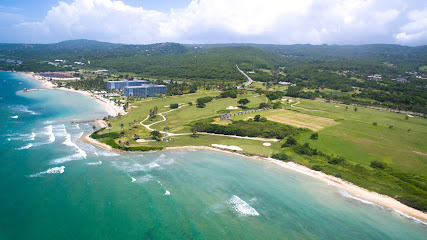
Rose Hall Gate
8.3 km
Discover the grand entrance to Rose Hall Estate, where Jamaican history and captivating legends come to life.
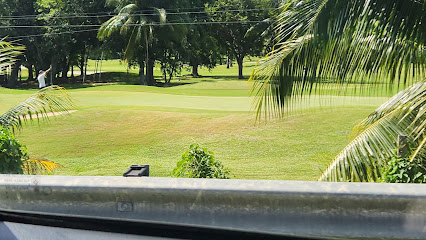
Rose Hall de Luxe
8.3 km
Discover the serene comfort of Rose Hall de Luxe, a tranquil lodging in Montego Bay offering easy access to local attractions and stunning beaches.
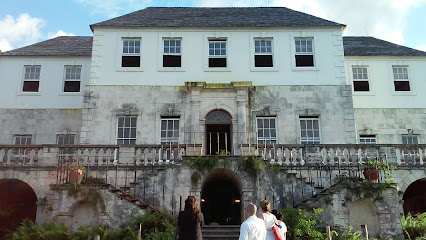
Main Street Rose Hall
8.4 km
Experience the heart of Jamaica at Main Street Rose Hall: shopping, dining, culture, and entertainment all in one convenient location.
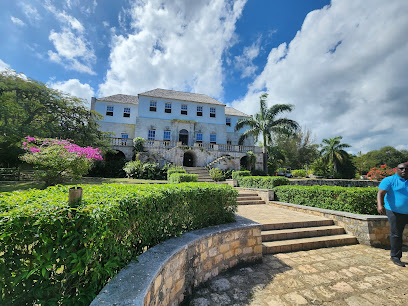
Jamaica Tourist Board
8.4 km
Discover the heart of Jamaica at the Jamaica Tourist Board in Montego Bay, your ultimate source for travel insights and local experiences.
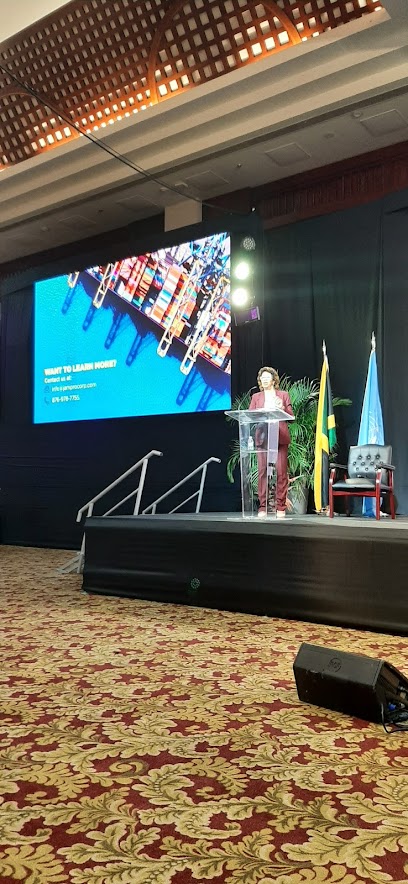
Rose Hall Beach Club
9.2 km
Experience Jamaica's coastal beauty at Rose Hall Beach Club: pristine sands, clear waters, and vibrant island vibes await!
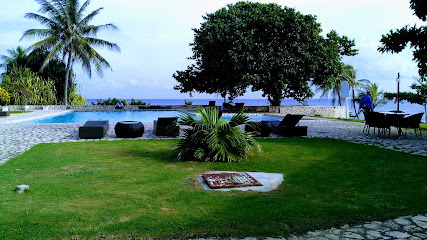
Rose Hall Weddings & Events
9.2 km
Elegant Jamaican venue offering unforgettable wedding and event experiences amidst lush tropical beauty and historic charm in Montego Bay.
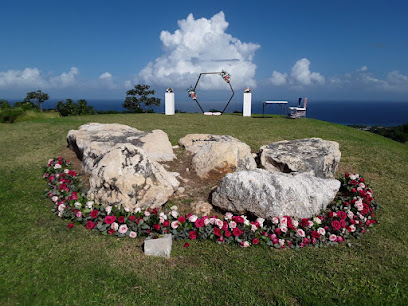
Hyatt Ziva Rose Hall
9.8 km
Discover a luxurious escape at Hyatt Ziva Rose Hall, Montego Bay—where stunning ocean views meet all-inclusive bliss in the heart of Jamaica.

Martha Brae Rafting Village
9.9 km
Discover the tranquil beauty of Martha Brae Rafting Village, where nature meets culture in a serene Jamaican adventure.
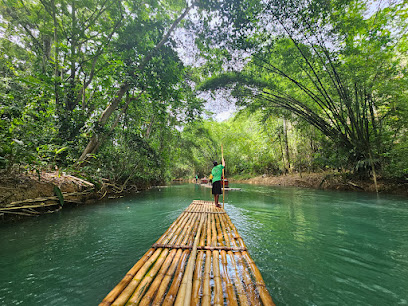
Martha Brae River
11.7 km
Experience the beauty of Martha Brae River, a quintessential Jamaican attraction known for its bamboo rafting and breathtaking natural landscapes.
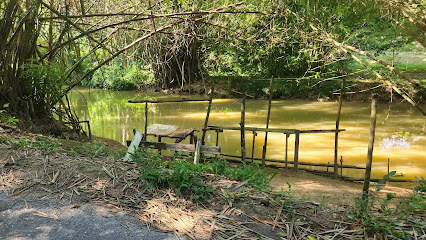
Good Hope - Jamaica
11.8 km
Discover Jamaica's rich history and natural beauty at Good Hope Estate, offering adventure and cultural experiences for the whole family.
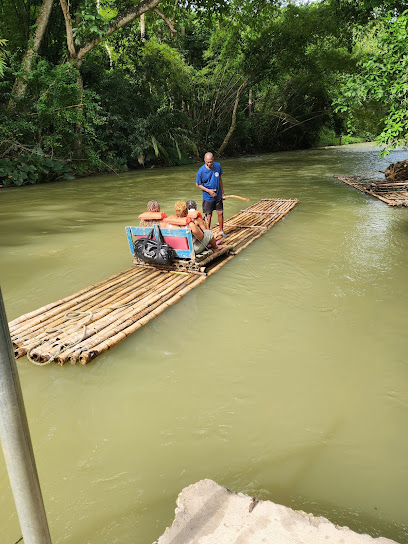
Martha Brae Rafting Launch
11.8 km
Discover the beauty of Jamaica at Martha Brae Rafting Launch, a serene escape into nature along the enchanting riverbanks.
Faithful Waters luminous lagoon
12.2 km
Explore the mesmerizing glow of Faithful Waters in Falmouth, Jamaica, a stunning luminous lagoon that offers an unforgettable natural experience.
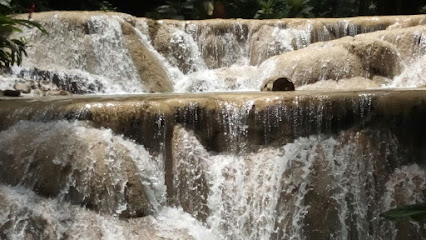
Martha Brae
13.2 km
Discover the enchanting beauty of Martha Brae River, where adventure meets tranquility in Jamaica's lush landscapes.
Unmissable attractions to see

Hampden Sugar Estate - Tour Parking
7.1 km
Explore Hampden Sugar Estate, where Jamaica's rum-making tradition comes to life amidst stunning scenery and rich history.
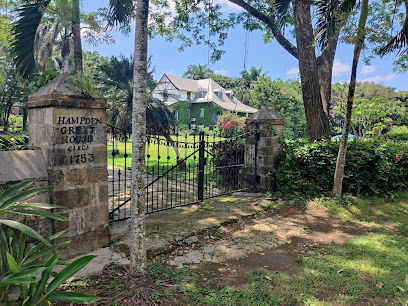
Hampden Sugar Estate
7.1 km
Explore Hampden Sugar Estate in Wakefield, Jamaica, where rich rum heritage and stunning landscapes come together for an unforgettable experience.
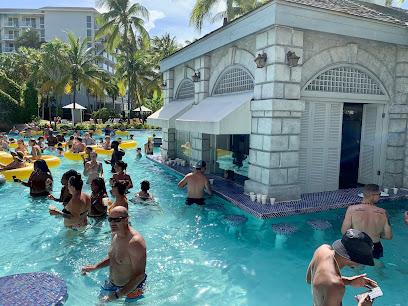
Sugar Mills Falls Swim up Bar
7.3 km
Experience the ultimate in tropical relaxation at Sugar Mills Falls Swim Up Bar, where refreshing cocktails meet stunning Caribbean views.
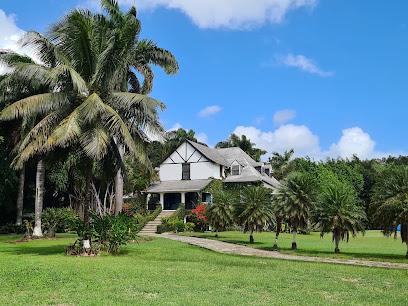
Cinnamon Hill Great House (Home of Johnny Cash)
7.5 km
Explore the enchanting Cinnamon Hill Great House, where history, stunning views, and the legacy of Johnny Cash come together in Jamaica's picturesque landscape.
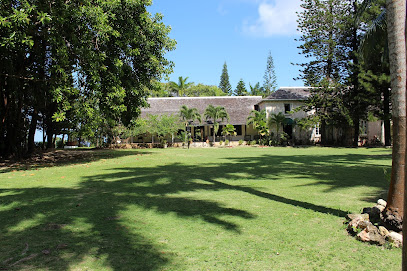
Cinnamon Hill Golf Course
7.6 km
Discover the breathtaking beauty of Cinnamon Hill Golf Course in Montego Bay, where world-class golfing meets stunning Caribbean views.

Jamaica Swamp Safari
7.8 km
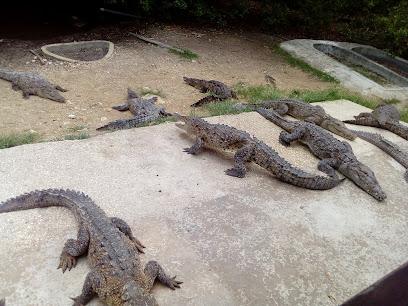
Discover the captivating wildlife and breathtaking beauty of Jamaica Swamp Safari, a unique adventure in Falmouth's lush landscapes.
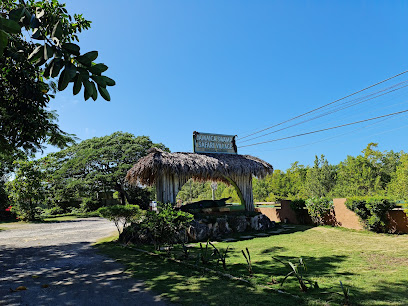
Falmouth Swamp Safari (Swabey‘s)
7.8 km
Discover the unique wildlife and natural beauty of Jamaica at Falmouth Swamp Safari, an animal park offering unforgettable adventures.
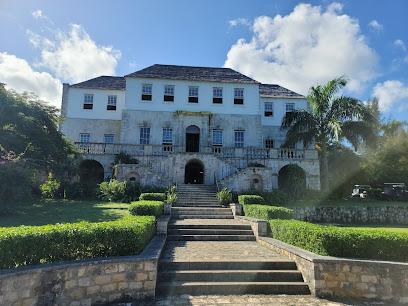
Rose Hall Great House
8.2 km
Explore the rich history and captivating legends of Rose Hall Great House, a stunning historical site in the heart of Montego Bay, Jamaica.
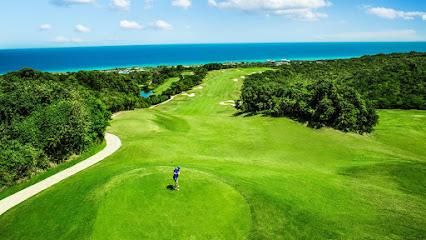
White Witch Golf Course
8.4 km
Experience world-class golf amidst breathtaking views at the White Witch Golf Course in Montego Bay, Jamaica.
Jamaican rings
9.2 km
Explore Jamaican Rings in Falmouth for a vibrant taste of Jamaica's culture, history, and stunning natural beauty.
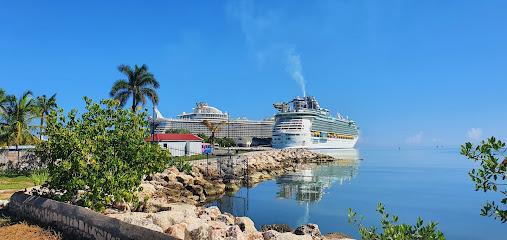
Falmouth Jamaica Cruise Ship Pier best day tour
9.9 km
Experience the vibrant culture, stunning beaches, and rich history at Falmouth's Cruise Ship Pier, your gateway to Jamaica's treasures.
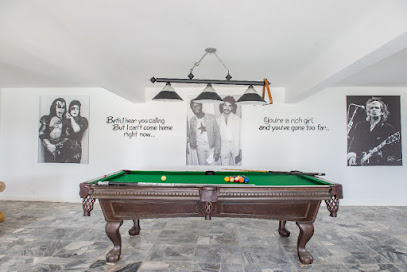
Music Mansion
11.8 km
Discover the vibrant heritage of Jamaican music at Music Mansion, a unique attraction in Montego Bay's enchanting Spring Farm Estates.
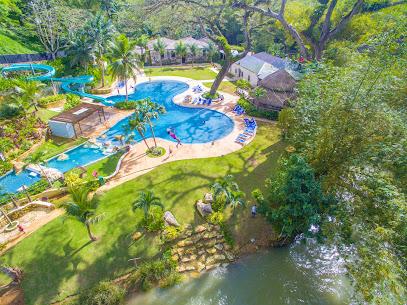
Wet'n'Wild
11.8 km
Experience the ultimate water adventure at Wet'n'Wild in Falmouth, Jamaica, with thrilling slides, family-friendly pools, and endless summer fun.
Chukka Eco-Adventure Outpost at Good Hope
12.1 km
Explore the thrilling adventures and rich history at Good Hope Estate, a premier eco-adventure destination in Falmouth, Jamaica.
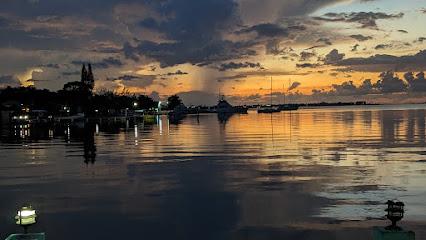
Luminous Lagoon Glistening Waters
12.2 km
Discover the enchanting Luminous Lagoon in Falmouth, Jamaica, where the waters glow with bioluminescence and create unforgettable nighttime experiences.
Essential places to dine

Chill Out Hut
1.1 km
Experience authentic Jamaican cuisine at Chill Out Hut in Montego Bay—where flavor meets relaxation in a vibrant atmosphere.
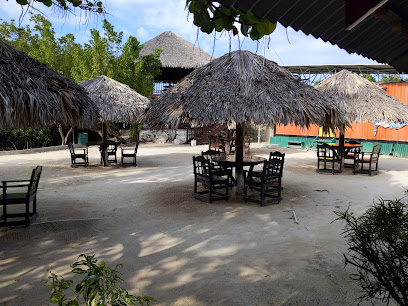
Father Bull Restaurant
1.2 km
Experience authentic Jamaican cuisine at Father Bull Restaurant - where every bite tells a story of flavor and tradition.
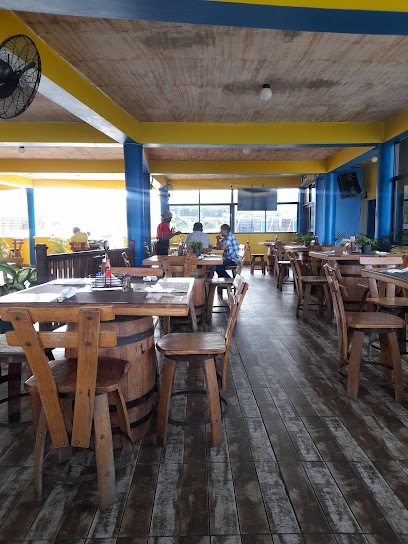
Far Out Fish Hut Ltd
1.2 km
Experience authentic Jamaican seafood at Far Out Fish Hut Ltd, where fresh flavors meet stunning views in Montego Bay.
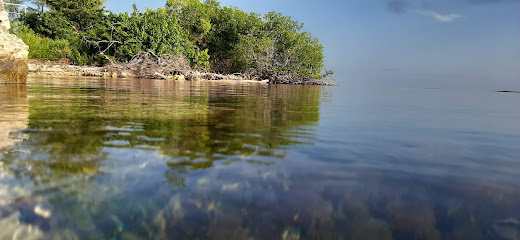
Kudos Cafe Restaurant
2.1 km
Experience authentic Jamaican cuisine at Kudos Cafe Restaurant in Falmouth - where every dish tells a story.
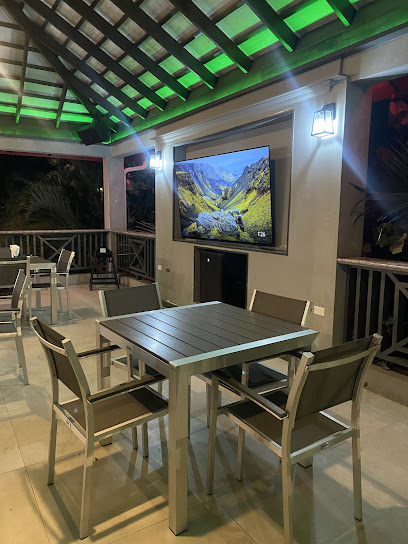
Cornwall
3.2 km
Savor Jamaica's rich culinary heritage at Cornwall Buffet Restaurant – where diverse flavors meet warm hospitality.
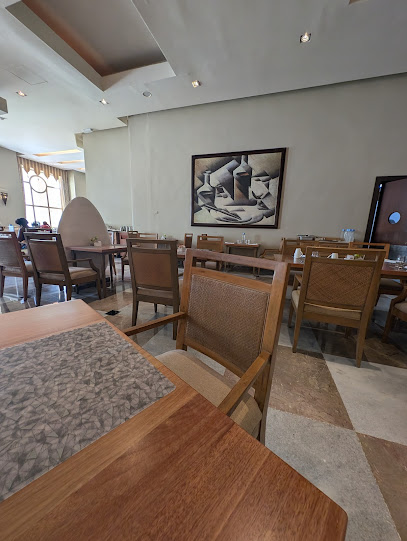
Lovay Restaurant
6.4 km
Experience authentic Jamaican cuisine at Lovay Restaurant in St. Bran's Burg - where every meal tells a story.
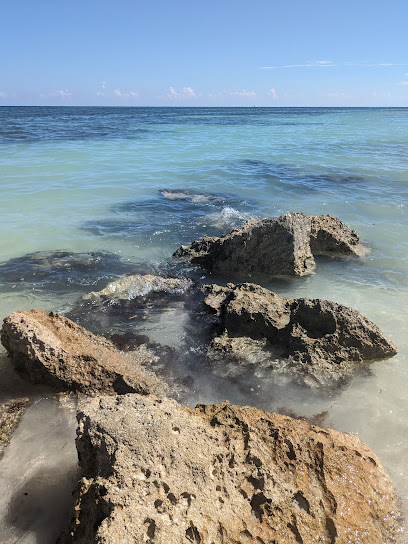
Kimbo Pot Cafe
9.4 km
Experience authentic Jamaican cuisine at Kimbo Pot Cafe in Falmouth—where every dish tells a story of rich flavors and cultural heritage.
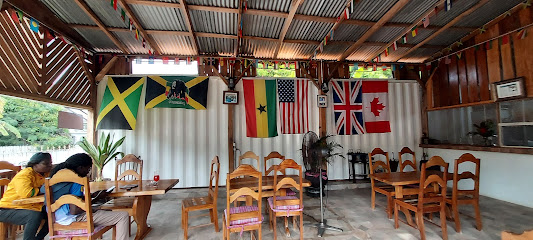
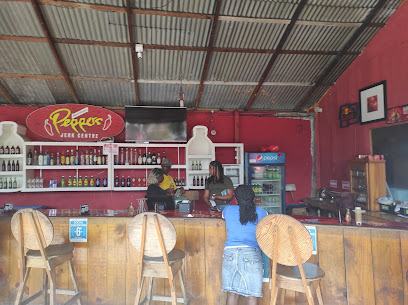
Pepper's Jerk Center
9.4 km
Experience authentic Jamaican cuisine at Pepper's Jerk Center in Falmouth - where every bite tells a story.
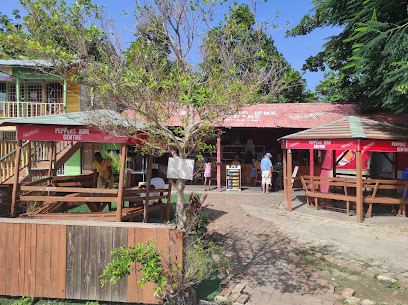
CrossRoad Dutchie
9.5 km
Experience authentic Jamaican cuisine at CrossRoad Dutchie in Martha Brae - a culinary gem showcasing traditional flavors and warm hospitality.
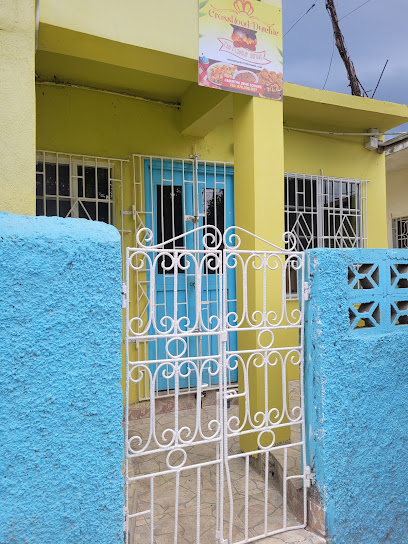
Flavaville Restaurant
9.7 km
Experience authentic Jamaican grill cuisine at Flavaville Restaurant in Falmouth - where flavor meets hospitality.
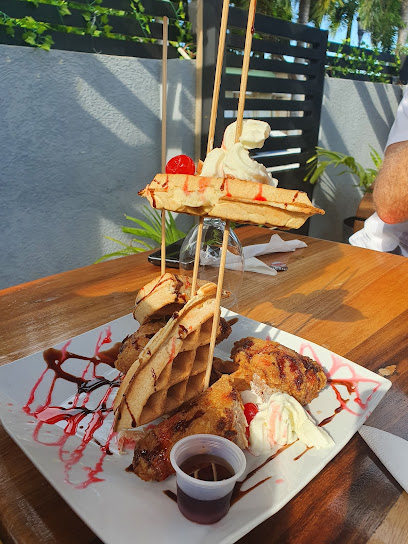
Martha's Dine & Wine
9.8 km
Experience authentic Jamaican flavors in a cozy atmosphere at Martha's Dine & Wine in beautiful Martha Brae.
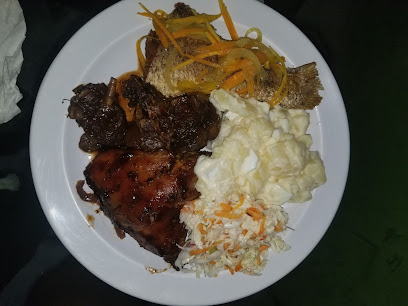
Miss Martha's Jerk Centre
9.9 km
Experience authentic Jamaican flavors at Miss Martha's Jerk Centre in Martha Brae – a culinary delight not to be missed!
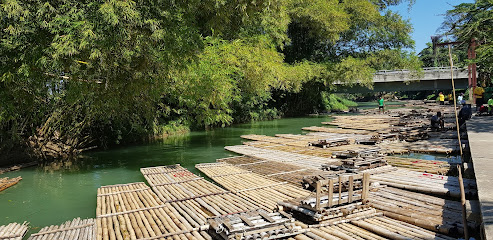
Sugar Mill Restaurant
10.1 km
Experience exquisite Caribbean dining at Sugar Mill Restaurant in Rose Hall, Montego Bay - where culinary tradition meets modern elegance.
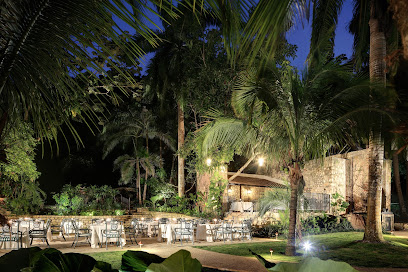
Mc's Fast Food Restaurant, Trelawny Jamaica
10.3 km
Experience authentic Jamaican fast food at Mc's in Trelawny - where every meal is a taste adventure.
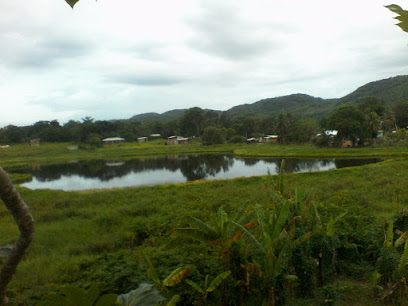
Delmare Restaurant
11.2 km
Experience the flavors of Jamaica at Delmare Restaurant in St. Bran's Burg - where every meal is a celebration of local cuisine.
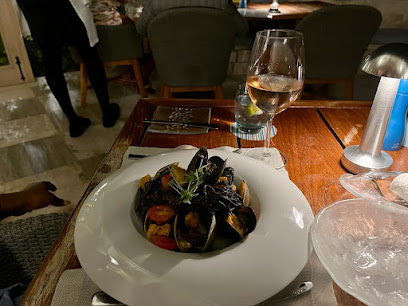
Markets, malls and hidden boutiques

Jewels In Paradise
8.4 km
Explore exquisite jewelry and unique luxury items at Jewels In Paradise, a premier shopping destination in Montego Bay's vibrant Rose Hall.
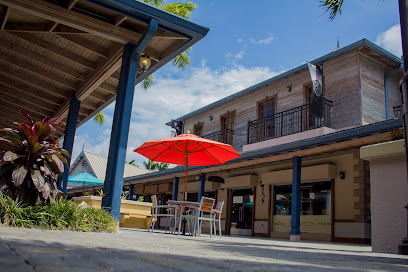
Tropicana Jewelers
8.4 km
Explore the exquisite collection of jewelry and fashion accessories at Tropicana Jewelers in Montego Bay, where Caribbean elegance shines.
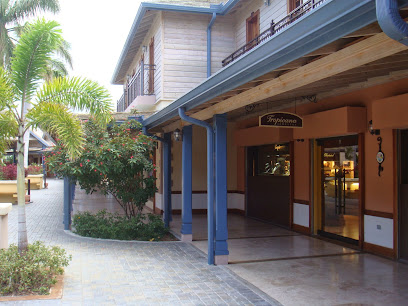
Allies Sweet Addictions
8.6 km
Discover the sweetness of life at Allies Sweet Addictions, Falmouth's premier spot for baked goods, gifts, and delightful treats.
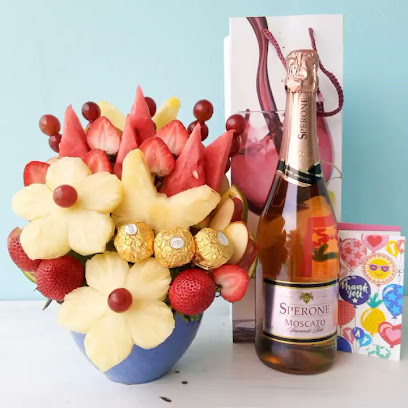
C&R Variety Store
9.5 km
Explore C&R Variety Store in Falmouth for a unique selection of local clothing and souvenirs that reflect the beauty of Jamaica.
All in Gifts and Souvenirs
9.5 km
Discover the essence of Jamaica at All in Gifts and Souvenirs, your go-to shop for unique local crafts and unforgettable mementos.
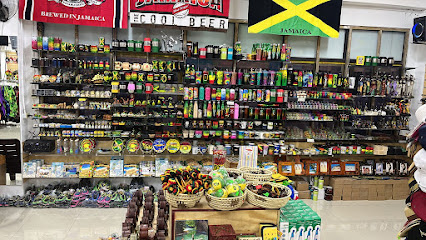
Albert George Shopping and Historical Center
9.6 km
Experience shopping and history intertwined at the Albert George Shopping and Historical Center in Falmouth, Jamaica.
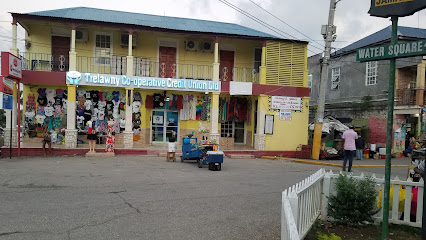
La Casa Del Habano
9.9 km
Explore La Casa Del Habano in Falmouth, Jamaica - a premier destination for authentic Cuban cigars and a true taste of cigar culture.
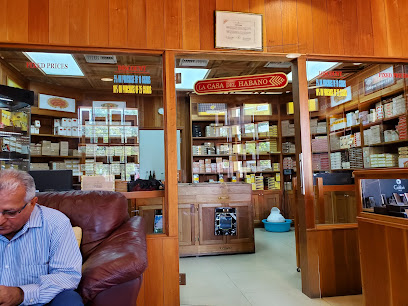
Diamonds International
10.0 km
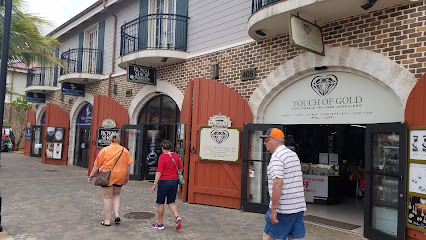
Discover the allure of Diamonds International in Falmouth, where exquisite jewelry meets duty-free shopping for an unforgettable Caribbean experience.
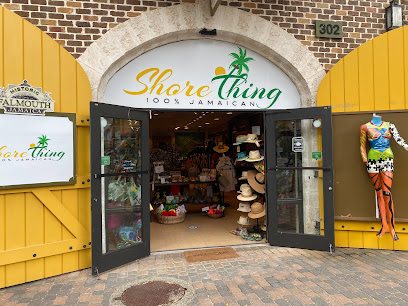
Shore Thing 100% Jamaican
10.0 km
Discover authentic Jamaican beachwear and unique souvenirs at Shore Thing 100% Jamaican in the heart of Port of Falmouth.
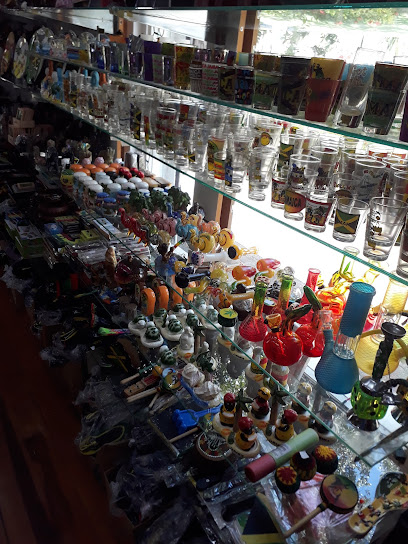
Bestbuy gift shop
10.4 km
Explore the best of Jamaican souvenirs, cigars, and unique gifts at Bestbuy Gift Shop in Montego Bay's Halfmoon Shopping Village.
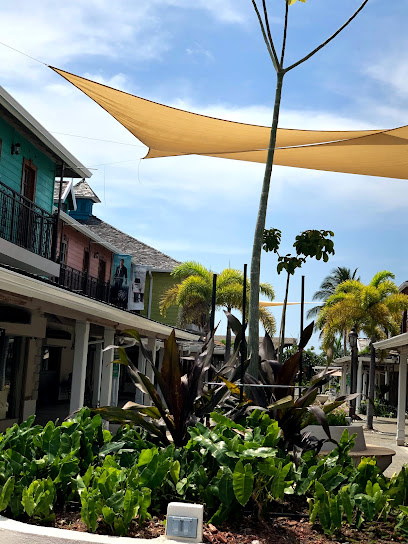
Half Moon Shopping Village
10.5 km
Experience the vibrant shopping and dining scene at Half Moon Shopping Village, where local culture meets tropical charm in Jamaica.
Gift Shop
11.4 km
Explore authentic Jamaican crafts and souvenirs at the Falmouth Gift Shop, where local artistry meets unforgettable shopping experiences.
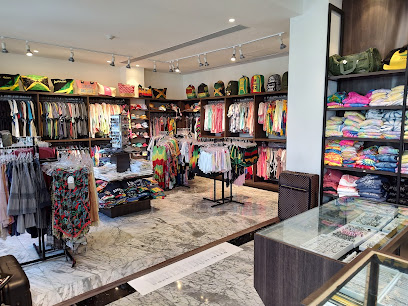
S&A Farm Store and Hardware
11.6 km
Explore S&A Farm Store and Hardware in Wakefield for local goods, building materials, and a taste of community charm.
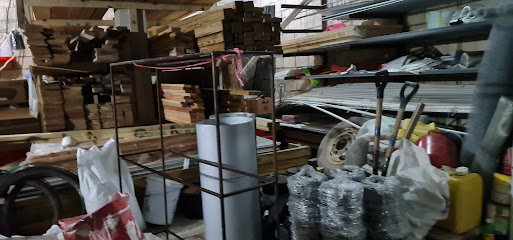
Sam Gift Shop
12.3 km
Explore the vibrant charm of Sam Gift Shop in Montego Bay, where unique Jamaican souvenirs await to capture your heart.
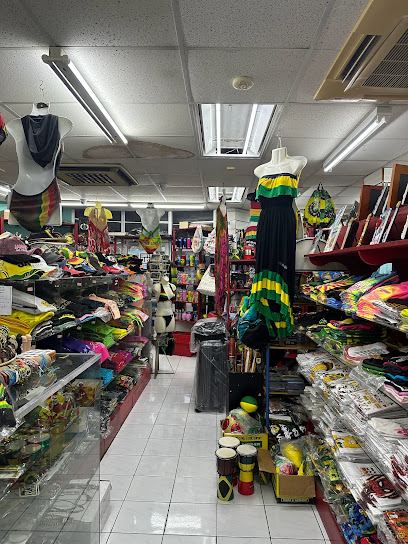
Craft Village
12.6 km
Discover the vibrant craft scene at Craft Village, Montego Bay – a treasure trove of handmade Jamaican artistry and cultural heritage.
Essential bars & hidden hideouts

Irie Flava Restaurant
0.9 km
Experience the rich flavors of Jamaican cuisine at Irie Flava Restaurant in Montego Bay, a must-visit for every traveler seeking authenticity and warmth.
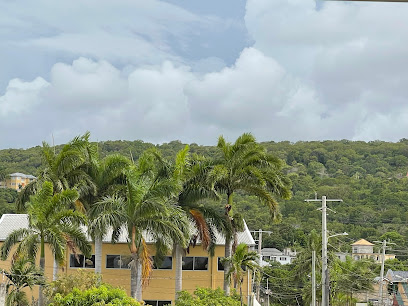
Fun City Bar & Pool
2.6 km
Experience the vibrant nightlife of St. Bran's Burg at Fun City Bar & Pool, where drinks, games, and great company await.
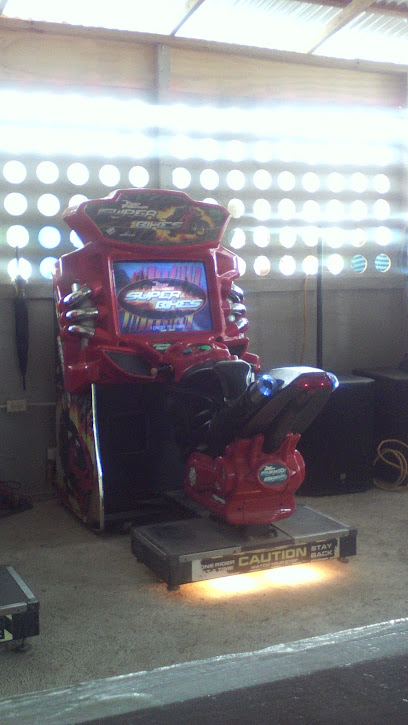
Redstep Seafood Bar & Grill
3.0 km
Experience the best of Caribbean cuisine at Redstep Seafood Bar & Grill in Montego Bay, where fresh seafood meets vibrant flavors.
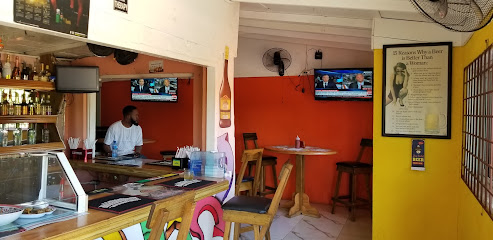
24/21Diamondlounge
3.0 km
Discover the flavors of Jamaica at Diamondlounge, a vibrant restaurant in Montego Bay offering a unique culinary experience.
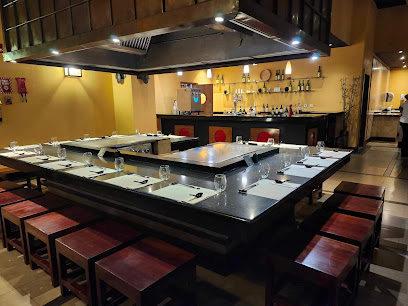
Donnas Family Bar
4.9 km
Experience the lively charm of Donnas Family Bar in Salt Marsh, where great drinks and friendly faces await in a tropical paradise.
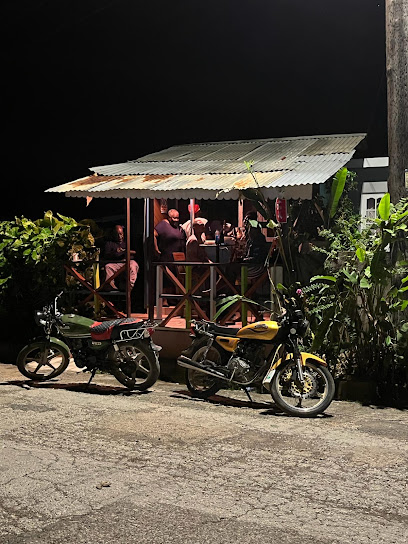
Nicki’s Bar
6.9 km
Discover the lively ambiance and local flavors at Nicki's Bar in Wakefield, a must-visit for an authentic night out.
Smoke House Blunt
6.9 km
Discover the lively Smoke House Blunt in Jamaica, where signature cocktails and a vibrant atmosphere await for an unforgettable night out.
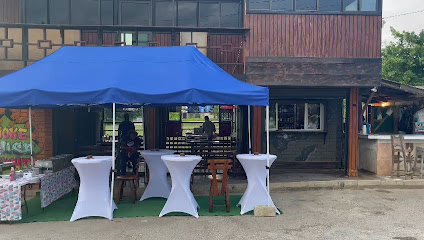
Seaside Bar and grille
7.4 km
Experience exquisite flavors and stunning ocean views at Seaside Bar and Grille, the perfect coastal dining destination.
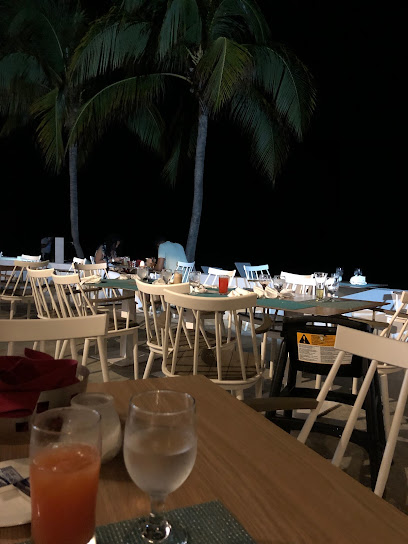
Hilton Rose Hall Cafe and coffee shop
7.5 km
Experience delicious meals and vibrant coffee at Hilton Rose Hall Cafe, a perfect retreat for tourists in St. Bran's Burg, Jamaica.
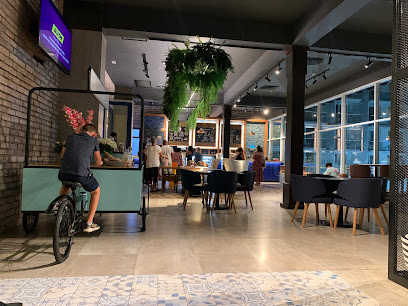
The Rum Yard
8.4 km
Experience the vibrant spirit of Jamaica at The Rum Yard, where local rums and unique crafts come together in the heart of Montego Bay.
Marzz Bar&Grill
9.2 km
Experience the vibrant flavors of the Caribbean at Marzz Bar&Grill, a culinary gem in Falmouth that delights with its authentic dishes and warm atmosphere.
Candy's Bar & Grill
9.2 km
Discover the heart of Jamaican cuisine at Candy's Bar & Grill, a vibrant spot in Falmouth offering delicious food and refreshing drinks.
Rita's Hot Spot
9.5 km
Discover Rita's Hot Spot: A vibrant bar in Martha Brae, Jamaica, where locals and tourists unite over refreshing drinks and unforgettable memories.
Rensie Roof Top Bar & Grill
9.6 km
Experience the vibrant atmosphere and breathtaking views at Rensie Roof Top Bar & Grill in Falmouth, Jamaica, where culinary delights await.
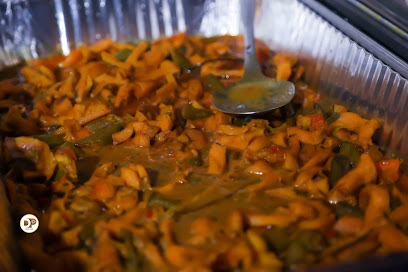
Winners Circle Bar & Lounge
9.7 km
Experience the vibrant nightlife at Winners Circle Bar & Lounge, where great drinks and local culture come together in Falmouth.
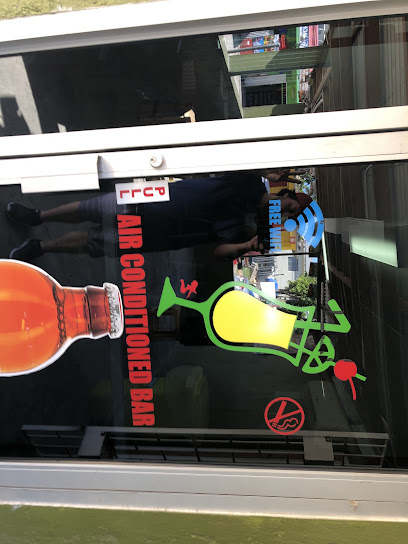
Nightclubs & after hour spots

SP Lounge
9.8 km
Discover the electrifying nightlife at SP Lounge in Falmouth, where music and fun collide for an unforgettable experience.
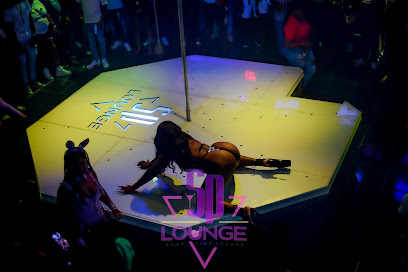
Moods Dreams and Fantasies
15.8 km
Dance the night away at Moods Dreams and Fantasies, the heartbeat of Montego Bay's vibrant nightlife, where music, culture, and fun collide.
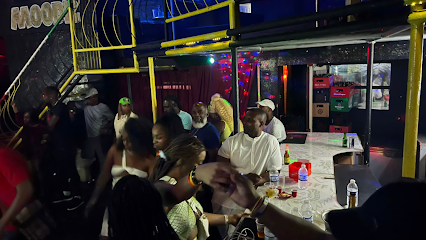
Brickhouse Nightclub
16.0 km
Discover the pulsating energy of Brickhouse Nightclub in Montego Bay, where vibrant beats and unforgettable nights await you.
Sir Winston's Reggae Club
16.2 km
Discover the heart of Jamaican nightlife at Sir Winston's Reggae Club, where vibrant music and culture come alive in Montego Bay.
Deeble’s Internet Cafe, Bar & Club
17.5 km
Discover the perfect blend of relaxation and nightlife at Deeble’s Internet Cafe, Bar & Club in Montego Bay.
PARTYKING Top Class Day & Night Club
18.8 km
Dive into the vibrant nightlife of Montego Bay at PARTYKING Top Class Day & Night Club, where every night is a celebration of music and dance.

Glitz Ultra Lounge ja.
19.4 km
Discover the vibrant nightlife at Glitz Ultra Lounge in Montego Bay, where cocktails, games, and an exciting atmosphere await.
Taboo Montego Bay
19.8 km
Discover the energetic nightlife at Taboo Montego Bay, the ultimate destination for dancing and entertainment in Jamaica.
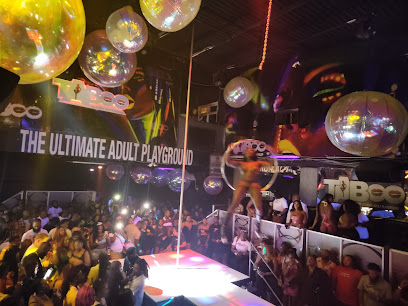
Moods Night Club
19.8 km
Experience the ultimate nightlife at Moods Night Club in Montego Bay, where the rhythm of the Caribbean meets electric energy.
Hip Strip Montego Bay
19.8 km
Discover the electrifying nightlife at Hip Strip Montego Bay - a vibrant hub of culture, music, and unforgettable experiences in Jamaica.
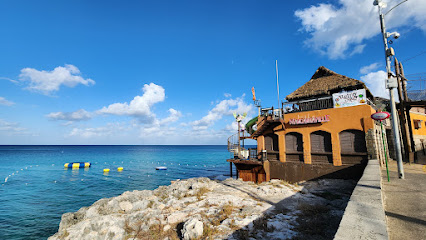
Haze Lounge
19.9 km
Discover the vibrant nightlife at Haze Lounge in Montego Bay, where reggae rhythms and modern beats create an unforgettable party atmosphere.
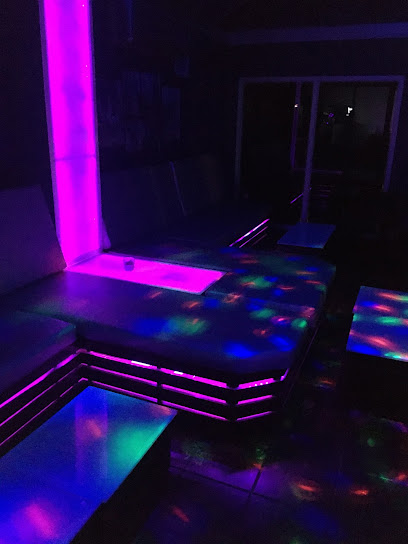
Elevate Lounge
23.5 km
Experience the vibrant atmosphere and exquisite cocktails at Elevate Lounge, Reading's premier destination for relaxation and entertainment.
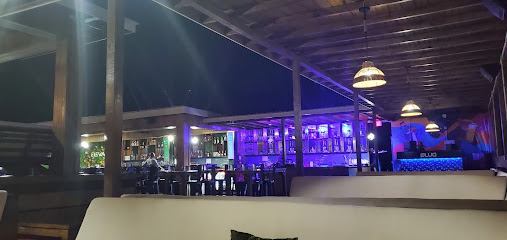
Level Up Sports Bar & Night Club
29.0 km
Level Up Sports Bar & Night Club offers a vibrant nightlife experience in Spring Garden, Jamaica, perfect for tourists seeking fun and entertainment.
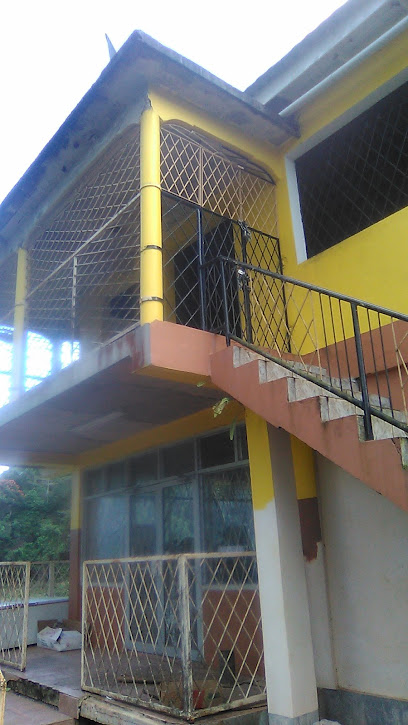
De Spot Exotic Lounge
33.3 km
Discover the vibrant nightlife of Stewart Town at De Spot Exotic Lounge, where music, dance, and exotic drinks create unforgettable memories.

Sailors Night Club
35.4 km
Experience the vibrant nightlife of Jamaica at Sailors Night Club, where electrifying music meets refreshing drinks and unforgettable memories.