

Free Montego Bay Travel Guide & Mobile App
Plan your Montego Bay trip with Evendo. Get free guides to top attractions, restaurants, hotels, and bars. Web access or download the mobile app.


Montego Bay, Jamaica, combines Caribbean beaches, Georgian heritage, reggae culture, coral reefs and access to historic estates and western adventures.
Coastline and Character
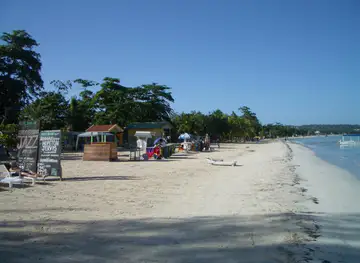
Montego Bay spreads around a broad bay on Jamaica’s north-west coast, where clear Caribbean water meets a busy port, resort beaches and hills covered with tropical vegetation. Known locally as MoBay, the city is both a major international arrival point and a place with a distinct history of its own. Doctor’s Cave Beach, the waterfront along Gloucester Avenue and the views from the surrounding hills give visitors an immediate sense of its geography, while Sam Sharpe Square and the old parish church reveal a deeper civic and colonial past.Read more about Montego Bay
History in the Streets
Life Around MoBay
When is the best time to visit Montego Bay?
Best: March–May · 29–30°C| Month | High (°C) | Rainfall (mm) |
|---|---|---|
| January | 29 | 50 |
| February | 29 | 40 |
| March (best) | 29 | 30 |
| April (best) | 30 | 25 |
| May (best) | 30 | 20 |
| June | 31 | 15 |
| July | 31 | 15 |
| August | 31 | 15 |
| September | 31 | 20 |
| October | 30 | 30 |
| November | 29 | 40 |
| December | 29 | 50 |
Getting to and around Montego Bay
How to get there
Transportation
Best attractions in Montego Bay
Montego Bay’s principal attractions combine coastline, civic history and access to the wider St James landscape. Doctor’s Cave Beach is known for its clear, calm-looking waters and long association with the city’s seaside identity, while Gloucester Avenue, often called the Hip Strip, provides a concentrated promenade of restaurants, shops and entertainment. In the central district, Sam Sharpe Square introduces visitors to the history of emancipation through monuments and public buildings. The Montego Bay Marine Park supports snorkelling and other water-based activities in protected coastal environments, subject to local conditions and guidance. Fort Montego, near the waterfront, offers a concise reminder of the bay’s defensive and colonial past. Beyond the urban area, Rose Hall Great House and other historic estates make accessible excursions into plantation history, while the Martha Brae River and inland attractions broaden the experience beyond beaches.
-
Harmony Beach Park
Experience the beauty and tranquility of Harmony Beach Park in Montego Bay, a perfect destination for relaxation and recreation in paradise.
-
Live Music
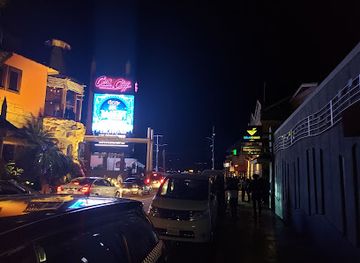
Coral Cliff
Experience the essence of Montego Bay at Coral Cliff, where live music meets delicious dining and thrilling casino fun for an unforgettable night.
6 min drive · 1.8 km from city centre
-
 Resort hotel
Sunset Beach Resort, Spa & Waterpark
Discover a luxurious escape at Sunset Beach Resort, Spa & Waterpark in Montego Bay, where relaxation meets adventure in a stunning Caribbean setting.
9 min drive · 3.0 km from city centre
-
Beach
Doctor's Cave Beach
Experience the stunning beauty and lively atmosphere of Doctor's Cave Beach in Montego Bay, where relaxation meets adventure in paradise.
6 min drive · 2.1 km from city centre


Best landmarks in Montego Bay
Montego Bay’s landmarks trace the city’s colonial foundations, civic history and struggle against slavery. Sam Sharpe Square is the central historical symbol, with monuments commemorating the Baptist deacon and national hero whose role in the 1831 Christmas Rebellion is closely tied to the city. St James Parish Church, an Anglican church in the historic urban area, reflects the religious and architectural institutions established during British colonial rule. Fort Montego, near the harbour, represents the defensive importance of the bay and the strategic concerns of the colonial port. The Old Hospital, also known as the Old Hospital Park area, recalls the civic infrastructure of the historic town, while the former courthouse and surrounding central buildings express Montego Bay’s administrative past. Nearby great houses, including Rose Hall, belong to the wider St James landscape rather than the city centre but provide additional context for plantation-era architecture and society.
-
Restaurant
Pier One
Experience Montego Bay's vibrant culture at Pier One: waterfront dining, lively nightlife, and unforgettable Caribbean views.
10 min walk · 0.8 km from city centre
-
Restaurant
Margaritaville Montego Bay
Experience the ultimate island escape at Margaritaville Montego Bay, where fun, food, and nightlife meet on Montego Bay's famous Hip Strip.
6 min drive · 1.9 km from city centre
-
Shopping mall
Whitter Village
Experience the best of Montego Bay at Whitter Village: shopping, dining, entertainment, and Jamaican culture all in one vibrant destination.
19 min drive · 6.3 km from city centre
-
Park
Harmony Beach Park
Discover Harmony Beach Park in Montego Bay: A free public oasis with pristine sands, modern amenities, and vibrant cultural experiences.
11 min walk · 0.9 km from city centre


Explore Montego Bay on the map
Plan your Montego Bay trip on one map. See where the top attractions, landmarks, restaurants, bars and hotels are, find what's near where you're staying, and book hotels and experiences in a few clicks.
Neighbourhoods in Montego Bay
-

-

-


Swipe for more neighbourhoods
Best hotels in Montego Bay
Best restaurants in Montego Bay
Montego Bay’s dining scene draws on Jamaica’s strongly flavoured culinary traditions, with jerk chicken and pork, curried goat, oxtail, rice and peas, festival dumplings, escovitch fish and patties appearing in settings ranging from roadside grills to polished hotel restaurants. Fresh seafood reflects the coastal location, while tropical fruit, callaloo, plantain and yam connect meals with Jamaican farming and household cooking. The Hip Strip and waterfront contain visitor-oriented restaurants and bars, whereas the city centre and nearby communities offer more informal eateries, bakeries and takeaway counters. Food markets and small cook shops are useful places to encounter everyday dishes, though menus and opening patterns vary. Jamaican rum, sorrel and Blue Mountain coffee also feature in the local food culture, alongside contemporary restaurants that reinterpret island ingredients without abandoning their African, European and wider Caribbean influences.
-
Restaurant
Pier One
Experience the perfect blend of Jamaican cuisine and vibrant nightlife at Pier One in Montego Bay – where every meal is a celebration.
10 min walk · 0.8 km from city centre
-
Restaurant
Margaritaville Montego Bay
Discover the vibrant flavors and lively atmosphere at Margaritaville Montego Bay - where Caribbean spirit meets culinary delight.
6 min drive · 1.9 km from city centre
-
Family-friendly
The Pelican Grill
Experience authentic Jamaican flavors at The Pelican Grill - where family-friendly dining meets stunning ocean views in Montego Bay.
5 min drive · 1.7 km from city centre
-
Grill
Peppa's Cool Spot
Experience the vibrant flavors of Jamaica at Peppa's Cool Spot in Montego Bay – where every meal is a celebration.
6 min drive · 1.9 km from city centre


Best bars in Montego Bay
After dark, Montego Bay’s evening life is concentrated around Gloucester Avenue and the Hip Strip, where bars, casual lounges, restaurants and entertainment venues serve visitors and local residents. Jamaican reggae and dancehall shape the soundscape, with live performances, DJs and sound-system culture appearing in different settings rather than in one single nightlife district. Hotel lounges and waterfront venues tend to offer a more relaxed evening, while clubs and late-night bars provide livelier entertainment when events are scheduled. The city also has opportunities to hear acoustic music, watch cultural performances or enjoy an unhurried drink overlooking the bay. Nightlife can change with the season and venue programme, so transport arrangements, awareness of surroundings and respect for local community spaces remain important.
-
Grill
Peppa's Cool Spot
Experience the vibrant flavors of Jamaica at Peppa's Cool Spot, Montego Bay's favorite grill restaurant with a lively atmosphere and delicious dishes.
6 min drive · 1.9 km from city centre
-
Bar
Lounge 2727
Discover the energetic nightlife at Lounge 2727 in Montego Bay - a vibrant bar with live music, delicious cocktails, and a welcoming atmosphere.
6 min drive · 1.9 km from city centre
-
Restaurant
smokeez by the sea
Discover the vibrant flavors of Jamaica at Smokeez by the Sea, a premier restaurant in Montego Bay known for its fresh seafood and stunning ocean views.
23 min drive · 7.7 km from city centre
-
Sports bar
Rehab Sports Bar & Grill
Discover the lively spirit of Rehab Sports Bar & Grill in Montego Bay, a perfect blend of sports, food, and fun!
5 min drive · 1.6 km from city centre


Best nightclubs in Montego Bay
After dark, Montego Bay’s evening life is concentrated around Gloucester Avenue and the Hip Strip, where bars, casual lounges, restaurants and entertainment venues serve visitors and local residents. Jamaican reggae and dancehall shape the soundscape, with live performances, DJs and sound-system culture appearing in different settings rather than in one single nightlife district. Hotel lounges and waterfront venues tend to offer a more relaxed evening, while clubs and late-night bars provide livelier entertainment when events are scheduled. The city also has opportunities to hear acoustic music, watch cultural performances or enjoy an unhurried drink overlooking the bay. Nightlife can change with the season and venue programme, so transport arrangements, awareness of surroundings and respect for local community spaces remain important.
-
Lounge
Pure Ultra Lounge
Discover the vibrant nightlife at Pure Ultra Lounge in Montego Bay, where exquisite dining meets electrifying entertainment in a stylish setting.
22 min drive · 7.5 km from city centre
-
Grill
Blue Beat Ultra Lounge
Discover the vibrant nightlife and delicious grill cuisine at Blue Beat Ultra Lounge in Montego Bay, an essential stop for every tourist.
6 min drive · 1.9 km from city centre
-
Night club
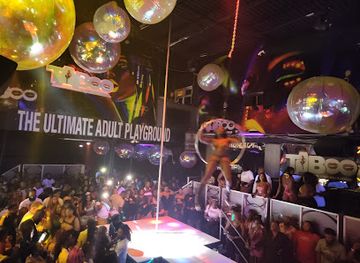
Taboo Montego Bay
Discover the vibrant nightlife at Taboo Montego Bay, where electrifying music and dazzling lights create an unforgettable party experience.
6 min drive · 2.0 km from city centre
-
Bar
Ninfa's Chill Out Bar
Experience the vibrant spirit of Montego Bay at Ninfa's Chill Out Bar, where refreshing cocktails and a lively atmosphere await.
8 min walk · 0.6 km from city centre


Best shops in Montego Bay
Shopping in Montego Bay ranges from visitor-oriented retail on Gloucester Avenue to markets, craft stalls and everyday businesses in and around the central city. Artisans sell carved wood, woven goods, paintings, jewellery and Jamaican-themed souvenirs, while specialist shops offer coffee, rum, spices, sauces and packaged foods that travel more easily than fresh produce. The Hip Strip is convenient for browsing gifts alongside restaurants and beach facilities, whereas central markets provide a more local commercial atmosphere and require normal care with belongings and bargaining. Larger hotels and shopping centres may carry branded goods, but the most distinctive purchases often reflect Jamaica’s music, food and craft traditions rather than international fashion. Prices, stock and payment methods vary, so compare items and confirm costs before buying, particularly at informal stalls.
-
Shopping mall
Whitter Village
Explore Whitter Village in Montego Bay for a vibrant shopping experience filled with local culture, dining, and entertainment.
19 min drive · 6.3 km from city centre
-
Shopping mall
Fairview shopping center
Discover Fairview Shopping Center in Montego Bay, where shopping meets local culture, dining, and vibrant community events for an unforgettable experience.
6 min drive · 1.9 km from city centre
-
Shopping mall
Blue Diamond Shopping Mall
Explore the Blue Diamond Shopping Mall: A premier shopping destination in Montego Bay showcasing local crafts, fashion, and delicious dining options.
18 min drive · 6.1 km from city centre
-
Clothing store
POP FASHION
Discover unique fashion pieces at POP FASHION in Montego Bay, where style meets affordability in a vibrant shopping environment.
3 min walk · 0.2 km from city centre


Get your free copy of our complete guide to Montego Bay, delivered straight to you.
Everything on this page, from attractions and restaurants to essentials and local phrases, in one PDF you can read offline, print or share.
Already have an account? Sign in
Your Montego Bay guide is ready.
We'll send it to · Not you? Sign out

Getting your guide ready…
We are putting together a fresh copy of the Montego Bay guide. This can take up to a minute.
This can take a few moments. If your browser asks, choose Allow so the download can start. You'll find the guide in your Downloads folder.
Nothing happened? Download it again
Sorry, the guide is taking longer than usual. Please try again in a minute, or get it by email instead.
Montego Bay essentials
Currency and Payment
Safety
Emergency Situations
Do's and Don'ts
Local Tips
From Eve
Local phrases worth knowing
You don't need to get them perfect. A few words go a long way, and locals appreciate the effort.
Basics
| English | Local | Say it |
|---|---|---|
| Hello | Wa gwaan | [Wa gwaan] |
| Goodbye | Lata | [Lata] |
| Yes | Yah man | [Yah man] |
| No | Nuh | [Nuh] |
| Please/You're welcome | Mek a bly | [Mek a bly] |
| Thank you | Tank yuh | [Tank yuh] |
| Excuse me/Sorry | Sarry | [Sarry] |
| How are you? | How yuh deh? | [How yuh deh?] |
| Fine. And you? | Mi deh yah. An yuh? | [Mi deh yah. An yuh?] |
| Do you speak English? | Yuh chat Ingglish? | [Yuh chat Ingglish?] |
| I don't understand | Mi nuh ondastan | [Mi nuh ondastan] |
Eating & Drinking
| English | Local | Say it |
|---|---|---|
| I'd like to see the menu, please | Mi wuda like si di menu, plz | [Mi wuda like si di menu, plz] |
| I don't eat meat | Mi nuh nyam meat | [Mi nuh nyam meat] |
| Cheers! | Big up! | [Big up!] |
| I would like to pay, please | Mi wuda like pay, plz | [Mi wuda like pay, plz] |
Emergencies
| English | Local | Say it |
|---|---|---|
| Help! | Help! | [Help!] |
| Go away! | Gweh! | [Gweh!] |
| Call the Police! | Call di Police! | [Call di Police!] |
| Call a doctor! | Call a dokta! | [Call a dokta!] |
| I'm lost | Mi lost | [Mi lost] |
| I'm ill | Mi sick | [Mi sick] |
Shopping
| English | Local | Say it |
|---|---|---|
| I'd like to buy... | Mi wuda buy... | [Mi wuda buy...] |
| I'm just looking | Mi jus a luk | [Mi jus a luk] |
| How much is it? | A wah di price? | [A wah di price?] |
| That's too expensive | Dat too much | [Dat too much] |
| Can you lower the price? | Yuh cyaan drop di price? | [Yuh cyaan drop di price?] |
Time & Numbers
| English | Local | Say it |
|---|---|---|
| What time is it? | A wah time it? | [A wah time it?] |
| It's one o'clock | A one o'clock | [A one o'clock] |
| Half past (10) | Half ten | [Half ten] |
| Morning | Mawnin | [Mawnin] |
| Afternoon | Aftanuun | [Aftanuun] |
| Evening | Evenin | [Evenin] |
| Yesterday | Yestadeh | [Yestadeh] |
| Today | Today | [Today] |
| Tomorrow | Tomara | [Tomara] |
| 1 | One | [One] |
| 2 | Tu | [Tu] |
| 3 | Tree | [Tree] |
| 4 | Fo | [Fo] |
| 5 | Fiv | [Fiv] |
| 6 | Six | [Six] |
| 7 | Seven | [Seven] |
| 8 | Eight | [Eight] |
| 9 | Nine | [Nine] |
| 10 | Ten | [Ten] |
Transport & Directions
| English | Local | Say it |
|---|---|---|
| Where's a/the...? | Weh di... | [Weh di...] |
| What's the address? | A wah di address deh? | [A wah di address deh?] |
| Can you show me (on the map)? | Yuh cyaan show mi? | [Yuh cyaan show mi?] |
| When's the next (bus)? | When di nex (bus)? | [When di nex (bus)?] |
| A ticket (to ....) | A tikit (to ....) | [A tikit (to ....)] |
History of Montego Bay
Taíno Settlement and Spanish Arrival
Before European colonisation, the area around Montego Bay was inhabited by Taíno communities who used the coast, rivers and fertile interior for fishing, farming and trade. Christopher Columbus reached Jamaica in 1494, and Spanish settlement followed during the sixteenth century. The name Montego is generally associated with the Spanish term manteca, referring to the pork and animal products traded in the area, although the exact evolution of the name is discussed by historians. Spanish occupation transformed landholding, settlement and labour systems, while Indigenous communities suffered severely from violence, disease and displacement. The bay’s sheltered position later helped make it valuable to successive colonial powers and to the commercial development of Jamaica’s north-western coast.
British Rule and Port Development
England captured Jamaica from Spain in 1655, beginning a new colonial era for Montego Bay and the island. Under British rule, sugar estates expanded across the surrounding countryside and relied on the forced labour of enslaved Africans. Montego Bay developed as a port and administrative centre, exporting agricultural produce and importing goods for the plantation economy. The town’s churches, civic buildings and commercial connections reflected the growth of British colonial society, while enslaved people created families, religious practices and cultural traditions under extraordinarily restrictive conditions. The landscape around the bay was consequently shaped by both plantation wealth and the labour and resistance of the African majority.
The Christmas Rebellion of 1831
In December 1831, an uprising began on plantations in western Jamaica after enslaved people, influenced by Baptist preaching and rumours about emancipation, demanded freedom and better treatment. Samuel Sharpe, a Baptist deacon from the Montego Bay area, became one of the movement’s principal figures. The rebellion, often called the Christmas Rebellion or the Baptist War, was suppressed by the colonial authorities, and Sharpe was executed in Montego Bay in 1832. Although the uprising did not immediately end slavery, the violence and evidence of plantation conditions intensified pressure in Britain for reform. Sam Sharpe’s memory is now commemorated in the city and across Jamaica as part of the long struggle for freedom.
Emancipation and a Changing Society
The British Emancipation Act began a process of ending slavery in Jamaica in 1834, with full freedom for formerly enslaved people following the apprenticeship system in 1838. Emancipation altered the labour market and weakened the plantation order, although economic inequality and coercive working conditions persisted. Montego Bay remained an important commercial centre serving agriculture, shipping and the nearby estates. Churches, schools and independent communities became increasingly significant in the social life of the region. The post-emancipation period also strengthened traditions of Afro-Jamaican religion, music, food and communal organisation that would later become central to Jamaica’s national cultural identity.
Twentieth-Century Modernisation
During the twentieth century, Montego Bay expanded beyond its older commercial core as roads, public services and aviation connected it more closely with the rest of Jamaica and overseas markets. Tourism grew on the north coast, encouraged by the city’s beaches, warm climate and proximity to historic estates and natural attractions. The opening of the area’s international airport, now Sangster International Airport, strengthened Montego Bay’s role as a principal gateway for visitors. This development produced employment and investment but also changed the coastline, land use and relationship between visitor districts and established communities. The city’s modern identity emerged from this meeting of commerce, migration, tourism and longstanding local life.
Montego Bay in Contemporary Jamaica
Today Montego Bay is the capital of St James Parish and one of Jamaica’s leading centres for tourism, commerce and transport. Its hotels, cruise facilities, beaches and entertainment areas coexist with government offices, schools, churches, markets and residential districts. The city’s public memory continues to be shaped by Sam Sharpe and by the history of slavery and emancipation, while reggae, dancehall, Jamaican cooking and religious traditions express the island’s modern cultural confidence. Montego Bay also serves as a base for exploring western Jamaica, including historic great houses, marine environments and inland landscapes. Its development therefore remains tied to both international travel and the wider social history of the island.
Montego Bay in Photos
Browse through our photo collection highlighting the charm and character of the destination.
Cities near Montego Bay
The closest cities to Montego Bay, if you have time for more than one stop.
-

-
-

-

-


Swipe for more cities
Explore more
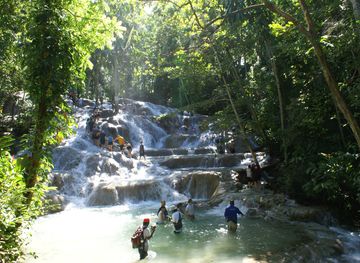
Explore more of Jamaica
Discover Jamaica: A Caribbean paradise with stunning beaches, rich culture, and thrilling adventures. Experience the island's vibrant music, delicious cuisine, and warm hospitality.
Explore Jamaica