Seville Great House: A Journey Through Jamaican History
Explore Jamaica's first Spanish capital, from Taino village to sugar plantation, at this immersive heritage park and museum.
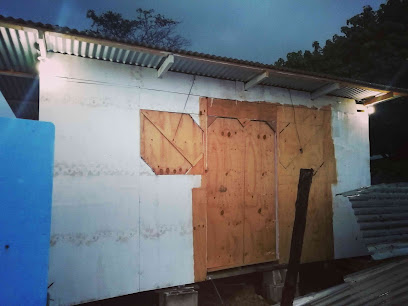
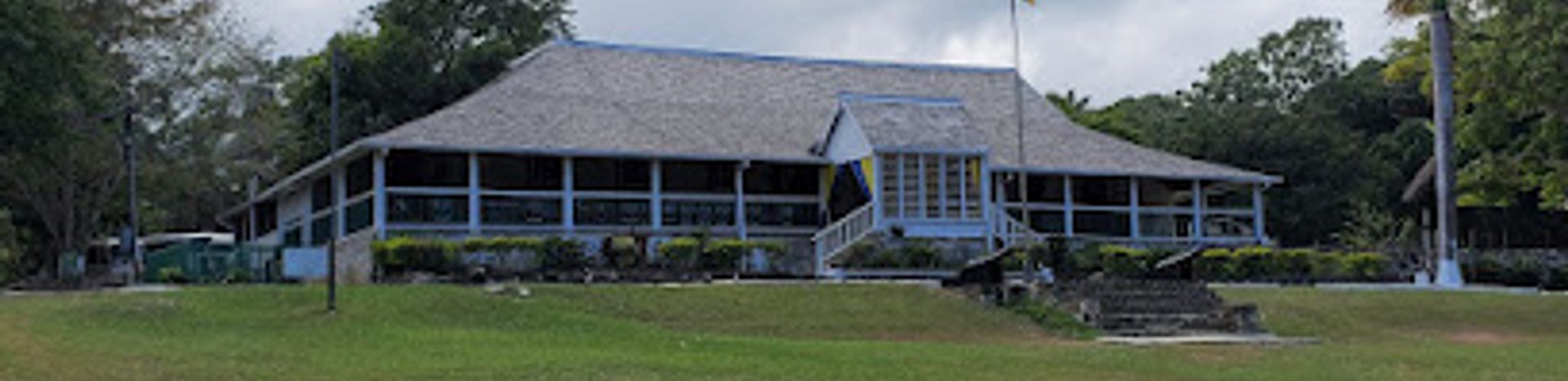
Seville Great House and Heritage Park, located near St. Ann's Bay, Jamaica, offers a captivating glimpse into the island's multifaceted history. From its origins as a Taino settlement to its role as the first Spanish capital and later a British sugar plantation, Seville is a microcosm of Jamaica's cultural evolution.
A brief summary to Seville Great House
- CQPM+7RC, Priory, JM
- +1876-972-2191
- Visit website
Local tips
- Wear comfortable shoes, as the park covers a large area with varying terrain.
- Mornings are ideal for visiting, especially to explore the outdoor areas in cooler temperatures.
- Check the park's website for special events or workshops that may be taking place during your visit.

Getting There
-
Driving
From St. Ann's Bay, head west towards Priory. Seville Great House is located approximately 1.25 miles west of the town center. Look for signs indicating the turnoff to Seville Heritage Park. Parking is available on the grounds.
-
Taxi
Taxis are readily available in St. Ann's Bay. A taxi to Seville Great House will cost approximately $15-20 USD. Negotiate the fare before starting your journey.
Discover more about Seville Great House
Iconic landmarks you can’t miss

Christopher Columbus Statue
0.8 km
Visit the Christopher Columbus Statue in St. Ann's Bay, Jamaica, a landmark commemorating exploration and the island's complex history.
Birthplace of Marcus Garvey
1.5 km
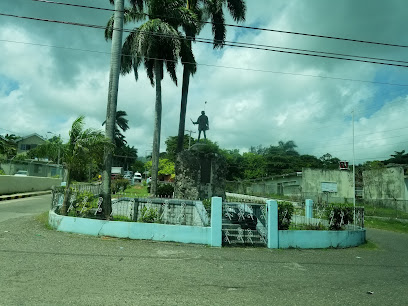
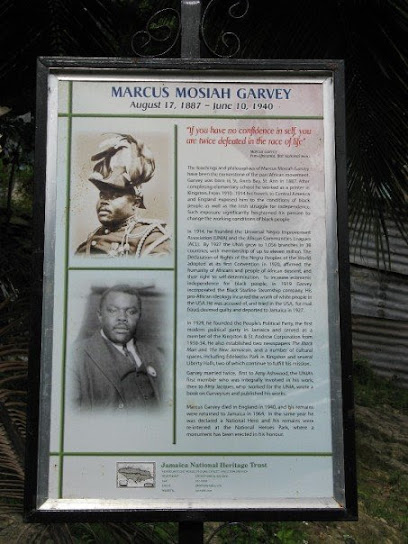
Visit the Birthplace of Marcus Garvey in St Ann's Bay, a profound historical landmark celebrating the legacy of a key figure in the Pan-African movement.
Archers' Monuments Company
1.6 km
Explore the exquisite craftsmanship of Archers' Monuments Company in St Ann's Bay, Jamaica, where artistry meets cultural heritage.
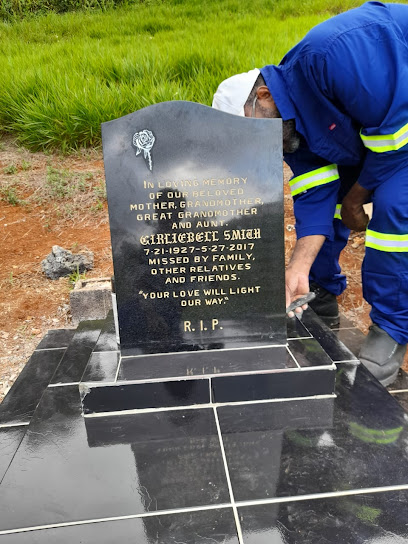
Liberty Hill
2.7 km
Discover Jamaica's past at Liberty Hill: a historic great house with stunning views, lush gardens, and a tranquil escape near St. Ann's Bay.

Kaya Herb House
4.5 km
Experience Jamaica's cannabis culture at Kaya Herb House: cafe, farm tours, and wellness in Drax Hall.
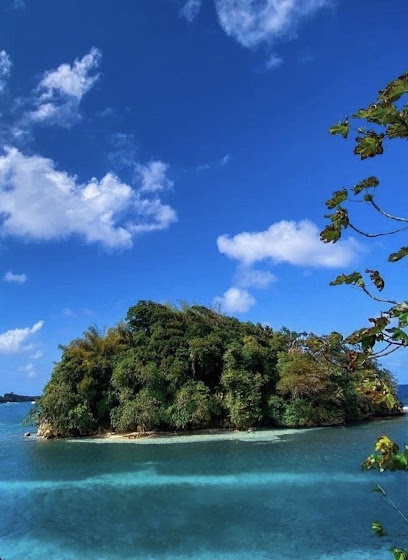
Kool Jamaica Tours
5.9 km
Experience the beauty of Jamaica with Kool Jamaica Tours, your trusted transportation partner in Ocho Rios for unforgettable adventures.
King Hill
8.5 km
Discover breathtaking panoramic views and immerse yourself in Jamaica's natural beauty atop King Hill, a haven for hikers and nature lovers.
Salem, Runaway Bay, Square
9.7 km
Explore Salem, a historic jewel in Runaway Bay, where Jamaica's rich culture and beautiful landscapes come together for an unforgettable travel experience.
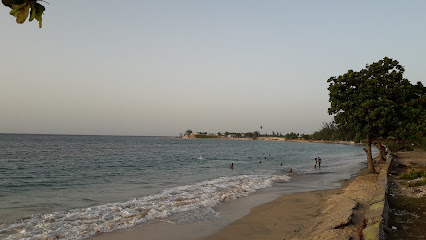
Decameron Club Caribbean Runaway Bay, Ramada All Inclusive
10.1 km
Experience an all-inclusive Jamaican escape at Decameron Club Caribbean in beautiful Runaway Bay, offering relaxation and adventure.
Piper's Cove Resort
11.3 km
Experience a relaxing Jamaican getaway at Piper's Cove Resort in Runaway Bay, with beachfront views, lush gardens, and warm hospitality.
The Runaway
11.4 km
Experience comfort and convenience at The Runaway hotel, your gateway to the beautiful beaches and attractions of Runaway Bay, Jamaica.
Phil Lafayette Tours
11.5 km
Explore Ocho Rios with Phil Lafayette Tours - Experience the beauty, culture, and adventure of Jamaica like never before.
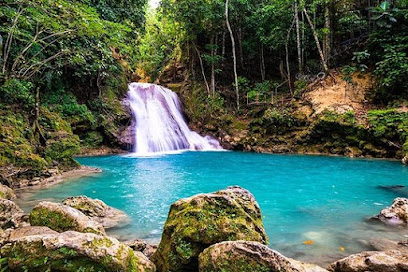
Inn at Shaw Park Gardens & Waterfalls
11.5 km
Escape to a hillside paradise: Discover lush gardens, cascading waterfalls, and breathtaking views at the Inn at Shaw Park Gardens in Ocho Rios.
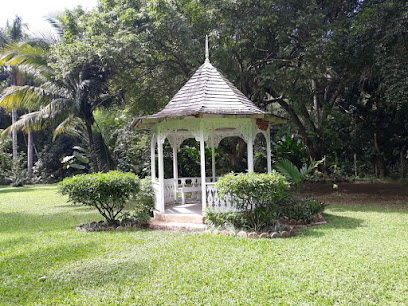
Jaital Tours
11.5 km
Discover the beauty of Jamaica with Jaital Tours – your trusted partner for unforgettable adventures in Ocho Rios.
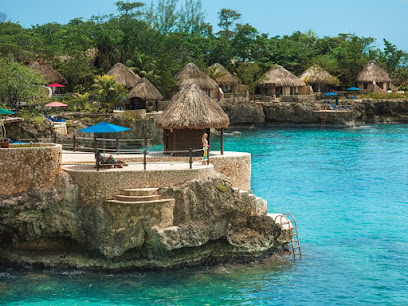
Explorer Jamaica
11.5 km
Discover the beauty of Jamaica with Explorer Jamaica – your expert tour operator for personalized adventures and cultural experiences.
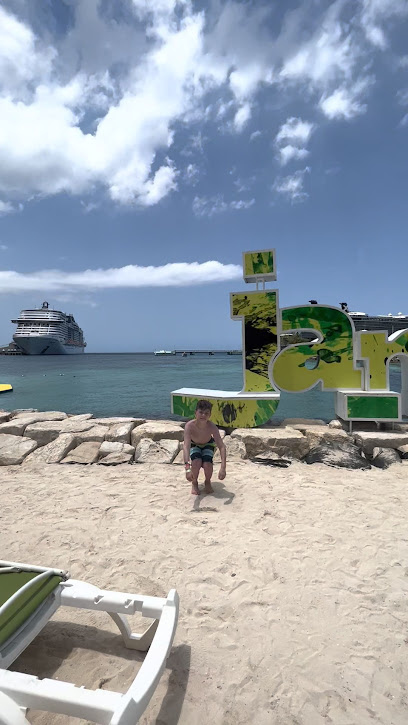
Unmissable attractions to see

Chukka Ocean Outpost at Seville, Priory St. Ann
0.7 km
Discover the adventure of a lifetime at Chukka Ocean Outpost in Jamaica, where thrilling activities meet breathtaking Caribbean views.
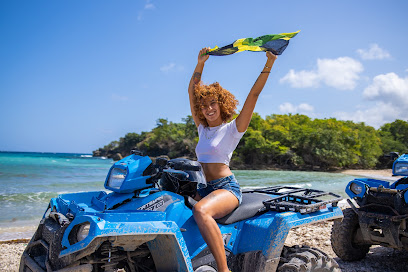
Suzette Tours Jamaica
1.6 km
Explore the vibrant beauty of Jamaica with personalized tours from Suzette Tours, your trusted local expert in St Anns Bay.
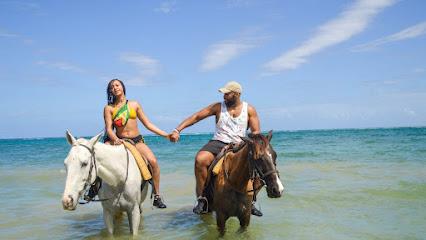
Marcus Garvey Statue
1.9 km
Explore the Marcus Garvey Statue in St Ann's Bay, a powerful symbol of Jamaica's cultural heritage and the legacy of a great leader.
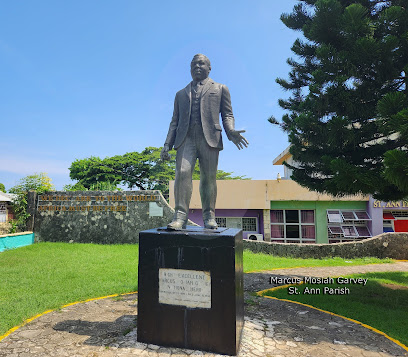
Cannabis Farm Tour Jamaica
2.3 km
Explore the fascinating world of cannabis cultivation in Jamaica, amidst breathtaking landscapes and rich cultural experiences.
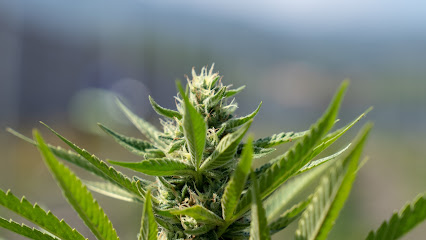
Natural herb tour
3.3 km
Immerse yourself in Jamaica's rich botanical heritage with the Natural Herb Tour in Runaway Bay, a unique exploration of local herbs and culture.
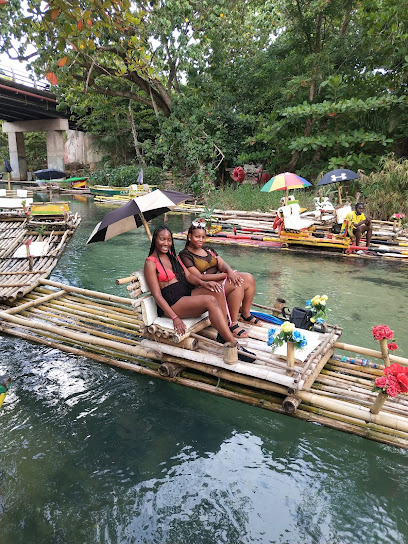
Columbus Cove
3.7 km
Discover the stunning beauty of Columbus Cove in Drax Hall, a tropical paradise perfect for relaxation and adventure on Jamaica's coastline.
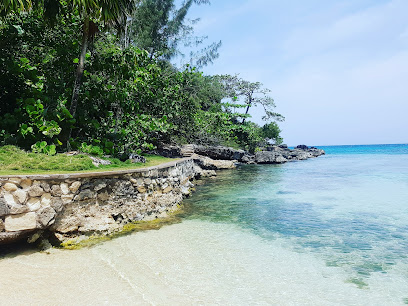
Chukka Cove & Cliffs at Llandovery
3.9 km
Explore the thrill of adventure at Chukka Cove & Cliffs in Ocho Rios, where nature meets excitement for an unforgettable experience.
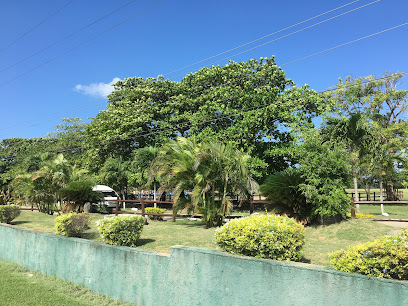
Big River Lime Hall
4.1 km
Experience the vibrant culture and authentic flavors of Jamaica at Big River Lime Hall in Higgin Town, a must-visit tourist attraction for every traveler.
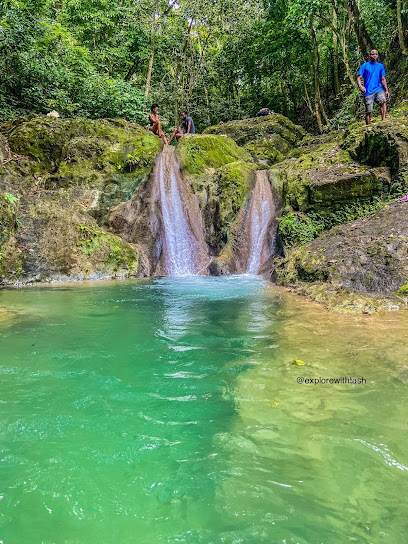
Explorer Beach
5.0 km
Explore the serene beauty and vibrant atmosphere of Explorer Beach, a hidden gem in Plantation Village, Jamaica, perfect for relaxation and adventure.
Stush In The Bush
5.6 km
Discover the vibrant flavors of Jamaica at Stush In The Bush, a vegan restaurant offering organic dishes in a stunning natural setting.
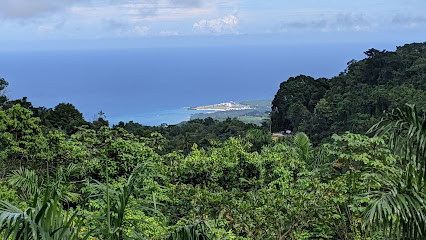
Cranbrook Flower Forest
5.8 km
Explore the enchanting Cranbrook Flower Forest in Llandovery—where vibrant flora meets serene landscapes and eco-tourism thrives.
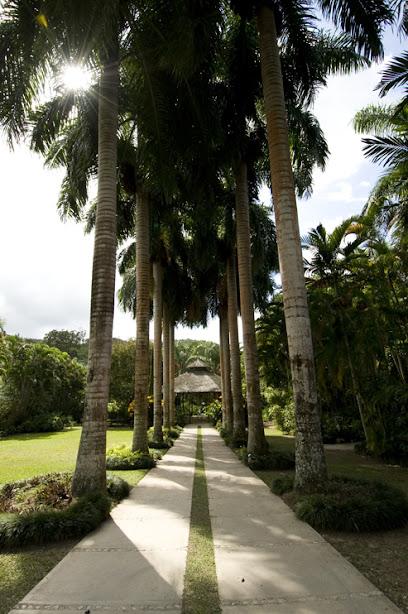
Vybz River
6.4 km
Discover the enchanting Vybz River in Plantation Village, where crystal-clear waters and lush landscapes create the perfect getaway for relaxation and adventure.
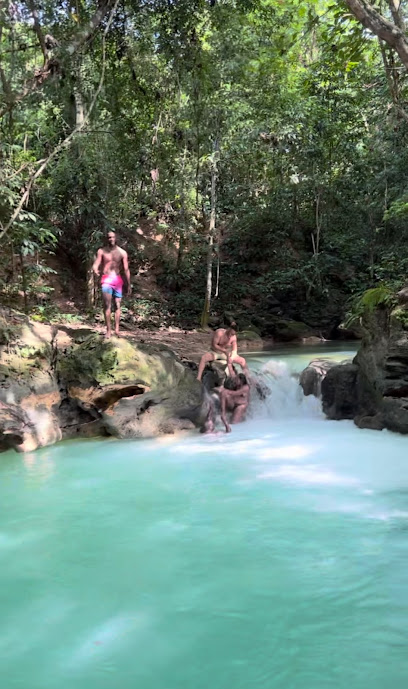
Laughing Waters Beach
7.0 km
Experience the tranquil beauty of Laughing Waters Beach in Steer Town, Jamaica – a perfect paradise for relaxation and adventure.
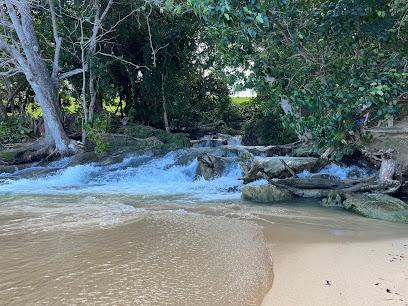
Roaring River Great House
7.1 km
Explore the historic Roaring River Great House in Steer Town, a captivating glimpse into Jamaica's colonial past amidst stunning natural beauty.
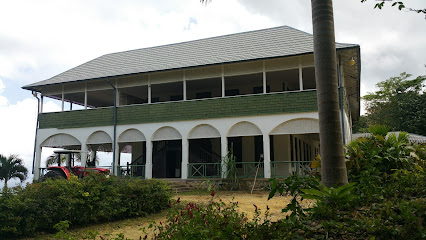
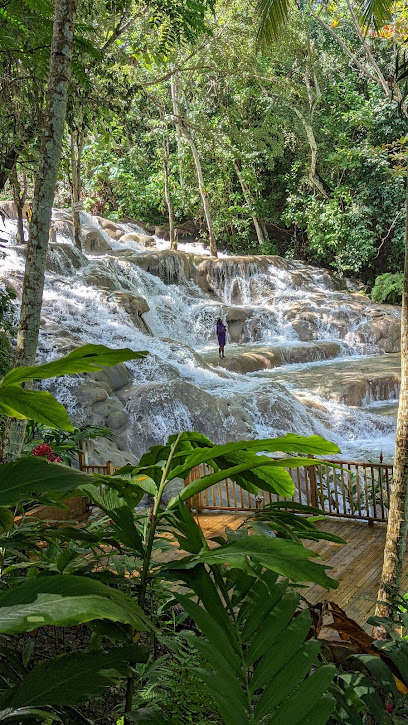
The World Famous Dunn's River Falls & Park
8.8 km
Experience the breathtaking beauty and adventure of Dunn's River Falls & Park in Ocho Rios, Jamaica, where nature and thrill meet.
Essential places to dine

Seaside Dutchie
1.2 km
Discover authentic Jamaican flavors at Seaside Dutchie - where delicious cuisine meets breathtaking ocean views in Priory.
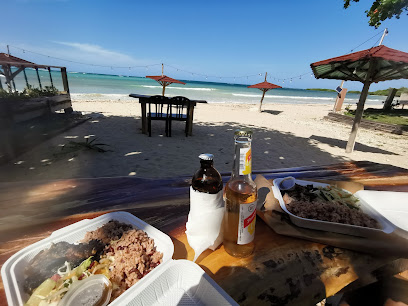
South Beach - Sports Bar and Grill
1.2 km
Experience vibrant Caribbean flavors at South Beach - Sports Bar and Grill in Priory; your perfect stop for delicious meals and refreshing drinks.
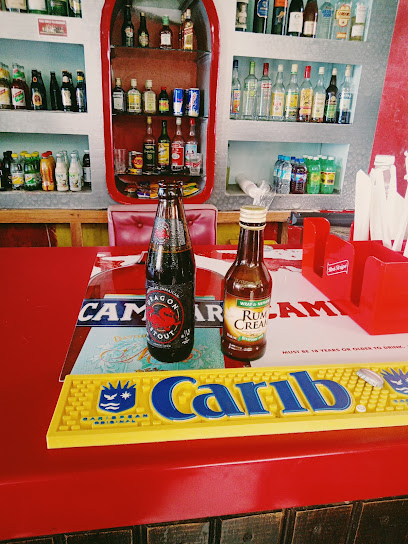
Plantation Smokehouse
2.9 km
Experience authentic Caribbean barbecue at Plantation Smokehouse in Priory Saint Anns Bay - where flavor meets tradition.
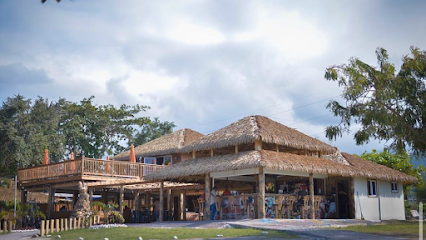
Bettino's Al Mare
2.9 km
Experience a delightful fusion of Italian and Jamaican cuisines at Bettino's Al Mare in Drax Hall Estate.
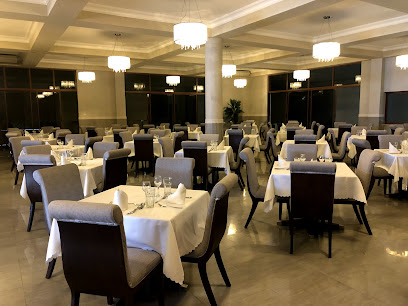
Bamboo Blu
5.1 km
Discover authentic Jamaican flavors at Bamboo Blu, where stunning ocean views meet delicious cuisine in an unforgettable dining experience.
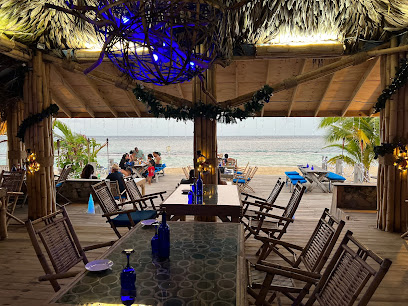
B&S Peak View Restaurant
8.1 km
Discover Jamaica's rich flavors at B&S Peak View Restaurant, where stunning vistas meet authentic local cuisine in Steer Town.
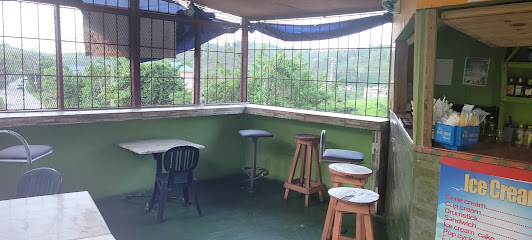
Shells on the Beach
9.4 km
Experience exquisite seafood dining with breathtaking ocean views at Shells on the Beach in Salem, Jamaica.
Sharkies Seafood Restaurant
9.6 km
Experience authentic Jamaican seafood at Sharkies Restaurant in Runaway Bay – where every meal is a celebration of flavor and culture.
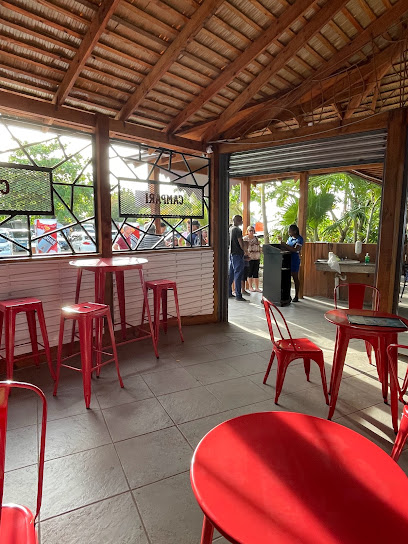
Milestone Restaurant Sports Bar & Grill
9.8 km
Experience authentic Jamaican flavors at Milestone Restaurant Sports Bar & Grill in Runaway Bay - where culinary excellence meets vibrant sports culture.
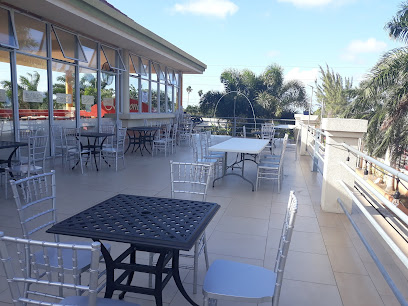
M&K Restaurant
9.8 km
Experience authentic Jamaican cuisine at M&K Restaurant in Salem - where flavor meets hospitality.
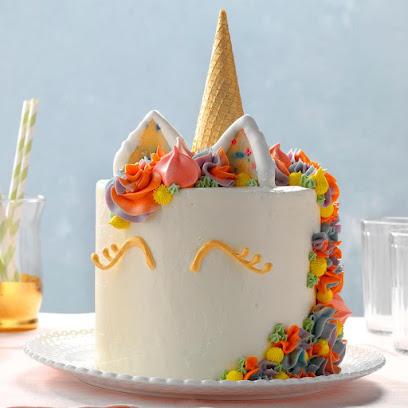
Morris Pizza
10.0 km
Discover Morris Pizza: A delightful pizza haven in Salem offering mouthwatering pies and a cozy atmosphere for every visitor.
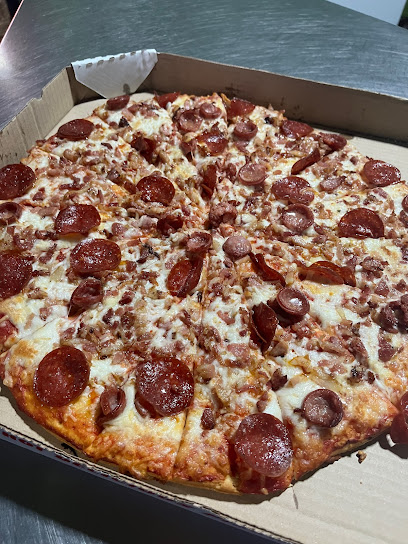
Rooftop Bar & Grill Restaurant
10.1 km
Discover culinary delights and breathtaking views at Rooftop Bar & Grill in Runaway Bay - your tropical escape awaits!
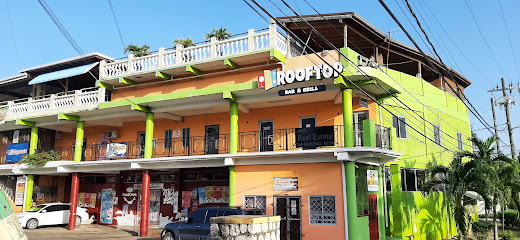
Darcia & Barry Restaurant
10.1 km
Discover authentic Jamaican cuisine at Darcia & Barry Restaurant in Salem - where every dish tells a story of flavor and tradition.

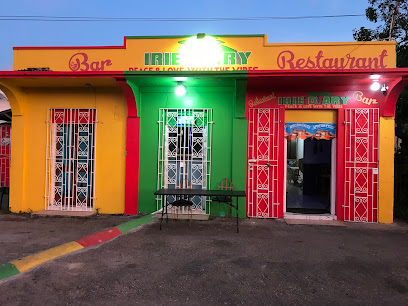
Irie Diary
10.1 km
Experience authentic Jamaican flavors and vibrant nightlife at Irie Diary - where good food meets great vibes in Runaway Bay.
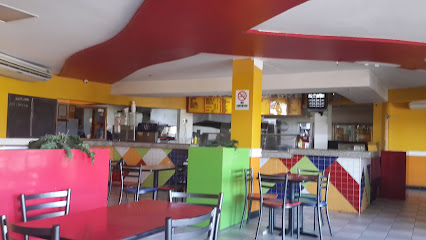
Jerky's Northern Restaurant
10.2 km
Experience authentic Jamaican flavors at Jerky's Northern Restaurant in Runaway Bay—where fast food meets island culinary tradition.
Markets, malls and hidden boutiques

Uniquefindzja
1.3 km
Explore Uniquefindzja, a vibrant gift shop in St Ann's Bay offering custom apparel, DIY crafts, and unique local treasures for every tourist.
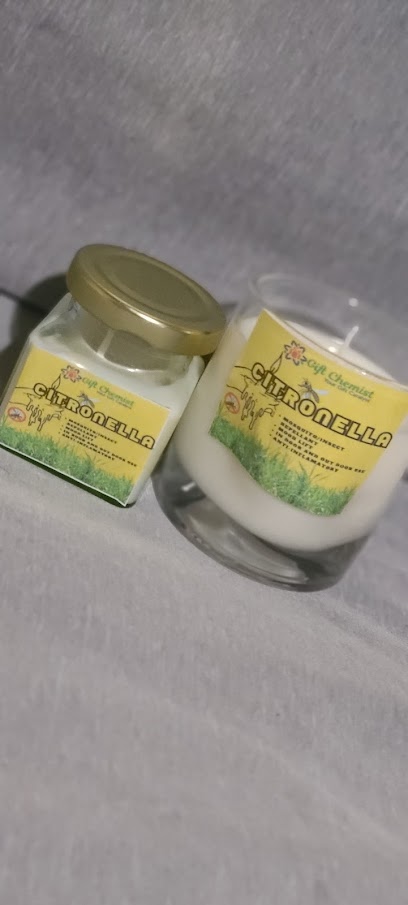
Gift Chemist
1.5 km
Explore Gift Chemist in St Ann's Bay for authentic Jamaican souvenirs and gifts that capture the island's vibrant culture.
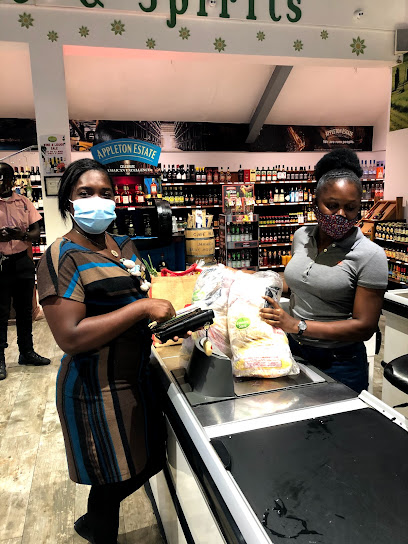
LFA Country Store Supermarket & Restaurant
3.2 km
Experience the best of Jamaican cuisine and grocery shopping at LFA Country Store, a local treasure in Richmond Llandovery.
Sandals Dunn's River
5.4 km
Experience the ultimate Caribbean escape at Sandals Dunn's River, where luxury meets adventure in beautiful Ocho Rios, Jamaica.
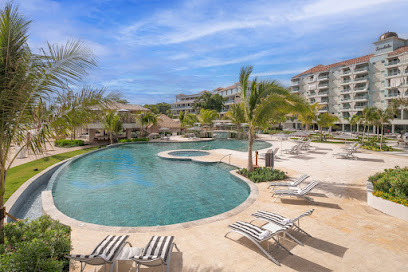
Namaria's Glamour Boutique
9.7 km
Explore Namaria's Glamour Boutique in Runaway Bay for an exquisite selection of beauty products that capture the essence of Caribbean glamour.

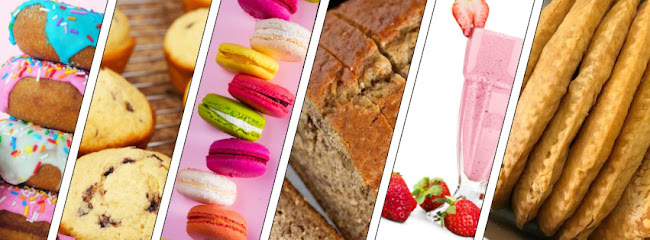
Sweet Treats Pastry Shop
9.8 km
Discover the heavenly delights of Sweet Treats Pastry Shop in Runaway Bay, where every bite is a slice of paradise.
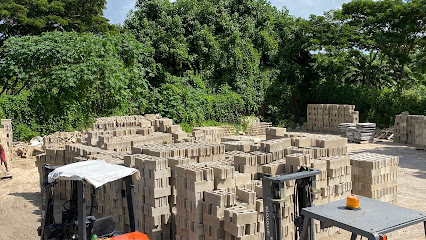
JAMAICA BLOCKS & HARDWARE DISTRIBUTION
10.5 km
Discover quality craftsmanship and vibrant local culture at Jamaica Blocks & Hardware Distribution in Runaway Bay, a must-visit for DIY enthusiasts and curious travelers.
Ricky's plaza
10.8 km
Discover the vibrant shopping experience at Ricky's Plaza, your one-stop supermarket in Runaway Bay for local goods and Jamaican flavors.
Rod Chen Wholesale
11.0 km
Explore the vibrant offerings of Rod Chen Wholesale in Runaway Bay, your essential stop for snacks, drinks, and travel essentials.

Elevated Gowns and Decor
11.2 km
Discover exquisite wedding gowns and personalized service at Elevated Gowns and Decor, the top bridal shop in Runaway Bay, Jamaica.

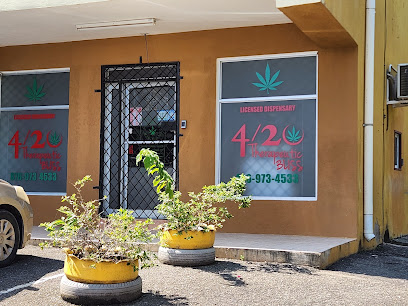
420 Therapeutic Bliss
11.2 km
Explore holistic wellness at 420 Therapeutic Bliss in Runaway Bay, where high-quality cannabis and herb products await your discovery.
Cecille's Garden & Wedding Centre Ltd
11.4 km
Discover the romantic charm of Cecille's Garden & Wedding Centre, a picturesque venue set in the heart of Jamaica's lush landscapes, perfect for weddings and celebrations.
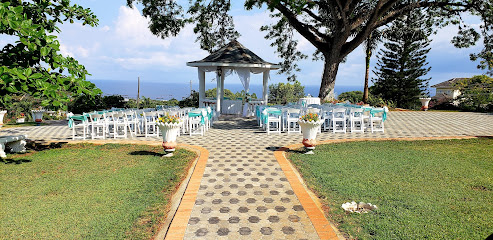
Blue mountain coffee retail and wholesale
11.5 km
Discover the rich flavors and heritage of Jamaica's famous Blue Mountain Coffee in the heart of Ocho Rios.
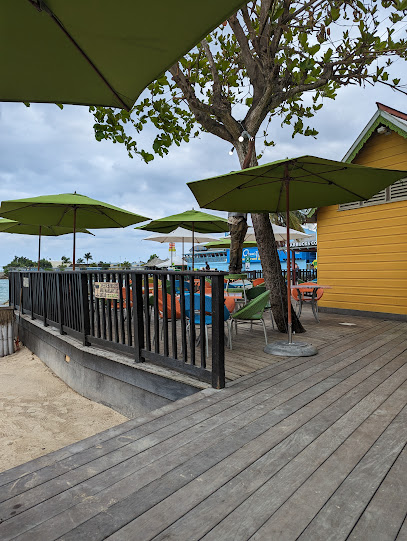
Island Village Jamaica
11.5 km
Explore Island Village Jamaica for an unforgettable shopping experience filled with local crafts, delicious food, and vibrant culture in Ocho Rios.
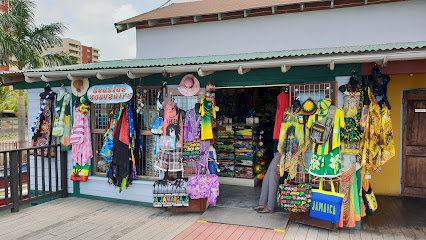
The Itinerary Shop Ocho Rios
11.5 km
Discover authentic Jamaican souvenirs at The Itinerary Shop in Ocho Rios, where local craftsmanship meets vibrant culture.
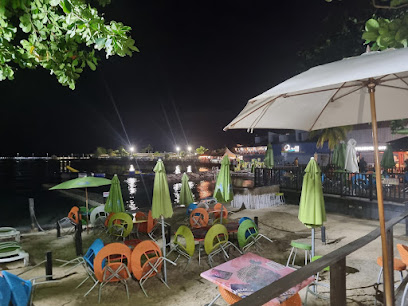
Essential bars & hidden hideouts

Keylargho Beach Restaurant and Bar
1.3 km
Experience the best of Jamaican cuisine with stunning ocean views at Keylargho Beach Restaurant and Bar in St Ann's Bay.
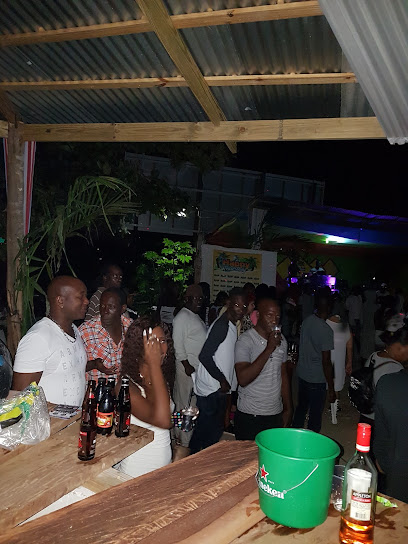
Lighthouse Bar & Grill
9.5 km
Discover the lively nightlife at Lighthouse Bar & Grill, where delicious food meets vibrant entertainment in Runaway Bay.

Tempo bar and grill
9.6 km
Discover the serene ambiance of Tempo Bar and Grill in Salem, where delicious food meets a relaxing atmosphere for an unforgettable dining experience.
Royal Club Sport's Bar & Games
10.1 km
Dive into the vibrant nightlife at Royal Club Sport's Bar & Games in Salem, where cold drinks and exciting games await visitors.
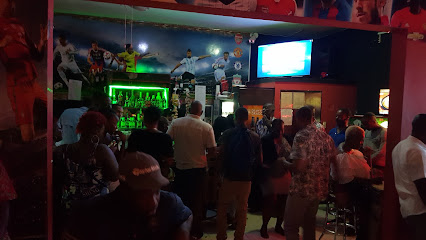
Jerky's Sports Bar
10.2 km
Immerse yourself in Jamaican culture at Jerky's Sports Bar, where vibrant atmosphere meets delicious local cuisine and refreshing drinks.
BEER VYBES SPORTS BAR
10.7 km
Discover the lively atmosphere and local flavors at Beer Vybz Sports Bar in Runaway Bay, where great drinks and music come together for an unforgettable experience.

Tonyas Bar
11.5 km
Discover the vibrant atmosphere and local flavors at Tonyas Bar in Runaway Bay, a perfect spot for relaxation and socializing.

KK Tavern & Lounge
11.5 km
Discover the flavors of Jamaica at KK Tavern & Lounge in Ocho Rios, offering a vibrant atmosphere and delicious Caribbean cuisine.
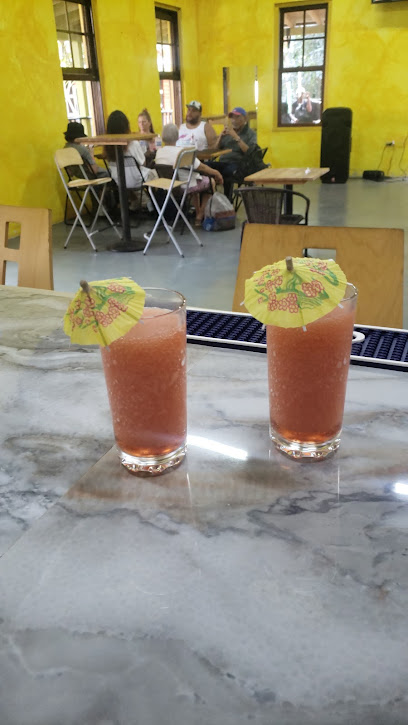
B'cloud 9 Hookah Bar
11.5 km
Discover relaxation at B'cloud 9 Hookah Bar in Ocho Rios, where vibrant flavors and friendly vibes await every visitor.
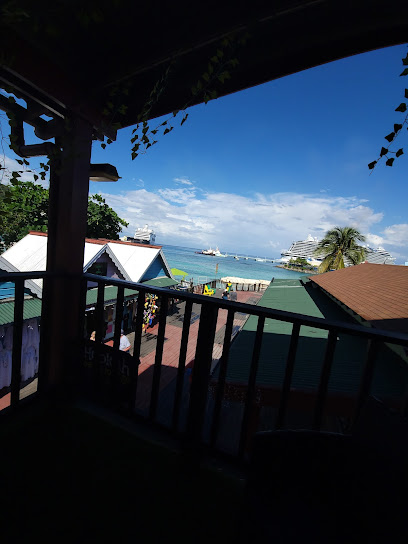
The Beach Bar & Restaurant
11.9 km
Experience the vibrant atmosphere and breathtaking views at The Beach Bar & Restaurant in Ocho Rios, Jamaica - a must-visit for food and beach lovers.
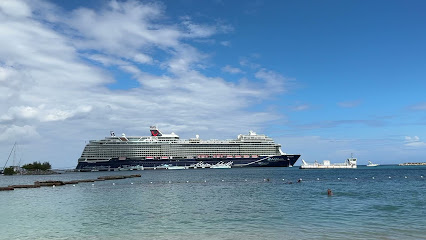
CLUB Q'S
11.9 km
Discover the lively spirit of Jamaican nightlife at CLUB Q'S, a must-visit bar in Ocho Rios for unforgettable drinks and music.
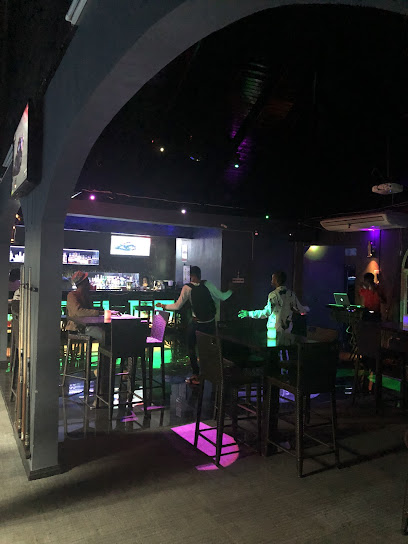
Dodd's Lounge
11.9 km
Experience the vibrant culture and delicious flavors at Dodd's Lounge, Ocho Rios' top pub for locals and tourists alike.
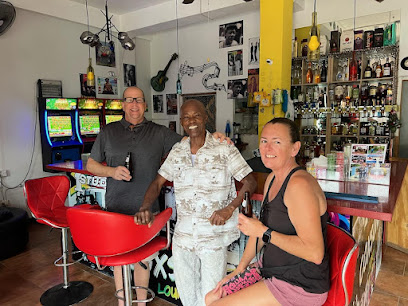
John Crow's Tavern
11.9 km
Experience the vibrant spirit of Ocho Rios at John Crow's Tavern, where delicious food and lively entertainment meet Caribbean charm.
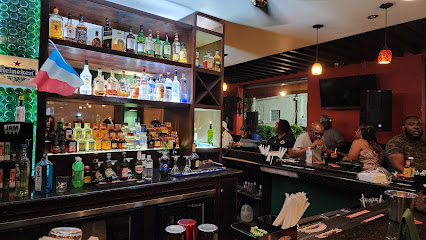
Heart
12.0 km
Experience the vibrant Caribbean nightlife at Heart in Runaway Bay, where great drinks and a friendly atmosphere await every visitor.
OTMbarandgrill
12.0 km
Experience authentic Jamaican cuisine at OTM Bar and Grill in Runaway Bay, where vibrant flavors meet a lively atmosphere.
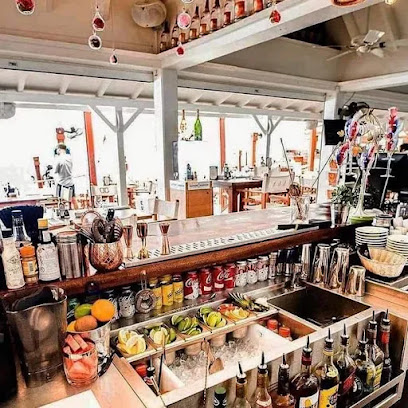
Nightclubs & after hour spots

The Executives Club
11.5 km
Discover the vibrant nightlife at The Executives Club in Runaway Bay, where lively entertainment meets a welcoming atmosphere for unforgettable experiences.
Celebrity Premium Lounge
11.9 km
Dive into the lively nightlife at Celebrity Premium Lounge, Ocho Rios' premier destination for music, dancing, and signature cocktails.
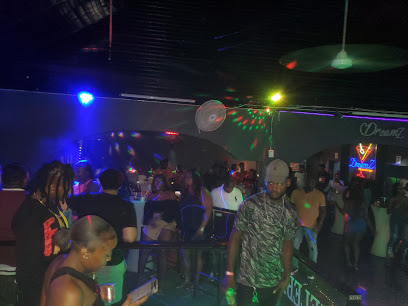
VIP Palace Premium Lounge
12.1 km
Discover the ultimate nightlife experience at VIP Palace Premium Lounge in Ocho Rios, featuring live music, karaoke, and a delectable menu.
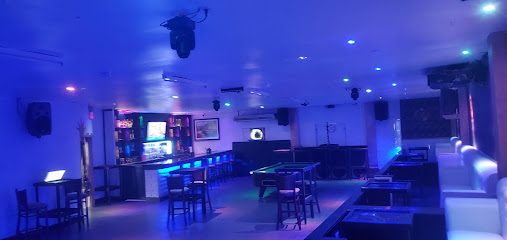
Sandals
12.3 km
Discover the electrifying nightlife at Sandals, Ocho Rios' top nightclub, where vibrant rhythms and tropical cocktails create unforgettable evenings.
Taboo Ocho Rios
13.3 km
Unleash your night at Taboo Ocho Rios, where vibrant music and dancing create an unforgettable nightlife experience in Jamaica.
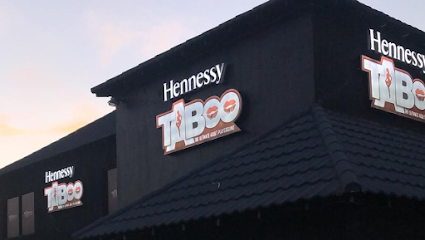
Shades Night Club
14.5 km
Discover the vibrant nightlife of Ocho Rios at Shades Night Club, where electrifying performances and a lively atmosphere await you.
New Capp Night Club
19.2 km
Discover the heartbeat of Jamaican nightlife at New Capp Night Club in Discovery Bay, where music, dance, and fun blend seamlessly.
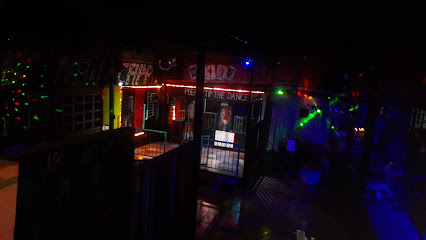
Sailors Night Club
20.7 km
Experience the vibrant nightlife of Jamaica at Sailors Night Club, where electrifying music meets refreshing drinks and unforgettable memories.
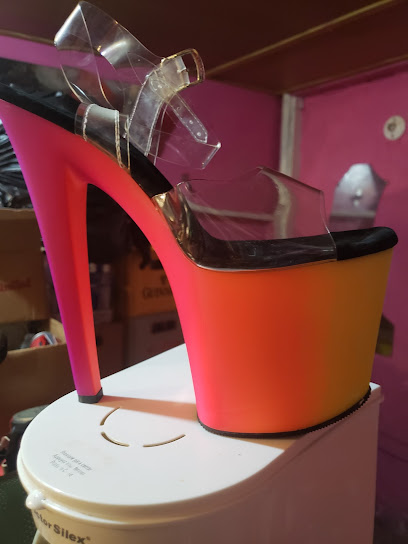
De Spot Exotic Lounge
25.1 km
Discover the vibrant nightlife of Stewart Town at De Spot Exotic Lounge, where music, dance, and exotic drinks create unforgettable memories.

TJ'S Players Nite Club
33.0 km
Dive into the vibrant nightlife at TJ'S Players Nite Club, where reggae beats and electric energy create an unforgettable Jamaican experience.
Port Maria Civic Centre
34.6 km
Explore the vibrant cultural scene at the Port Maria Civic Centre, a hub of community events and local celebrations in Jamaica.
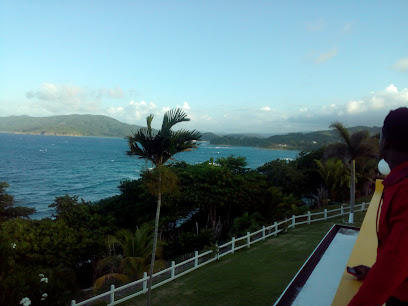
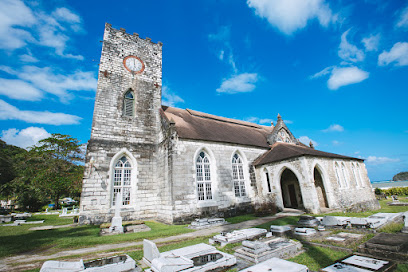
St. Mary Parish Church
34.7 km
Experience the serene beauty and rich history of St. Mary Parish Church in Port Maria, a must-visit for spiritual seekers and architecture lovers alike.
Saint Mary Seafood & Lounge
34.9 km
Discover the taste of Jamaica at Saint Mary Seafood & Lounge, where fresh seafood meets a vibrant lounge atmosphere in Port Maria.
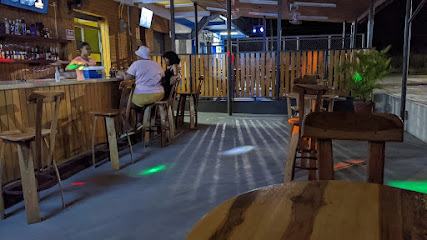
Levelup Lounge & Cafe
35.3 km
Discover the lively ambiance and delightful drinks at Levelup Lounge & Cafe in Port Maria, Jamaica – a must-visit spot for tourists seeking fun and relaxation.
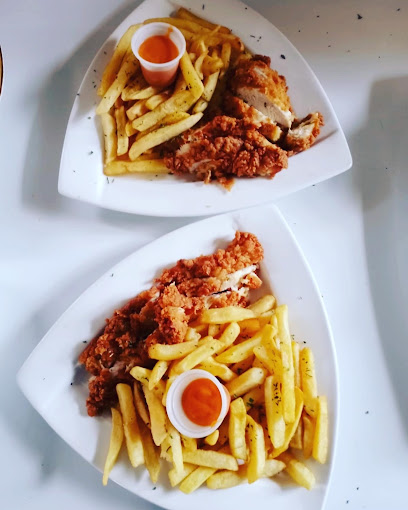
Cabarita Pop-up Shop & Lounge
35.6 km
Experience the vibrant Cabarita Pop-up Shop & Lounge on Paggee Beach, where local flavors and beachside relaxation meet.