
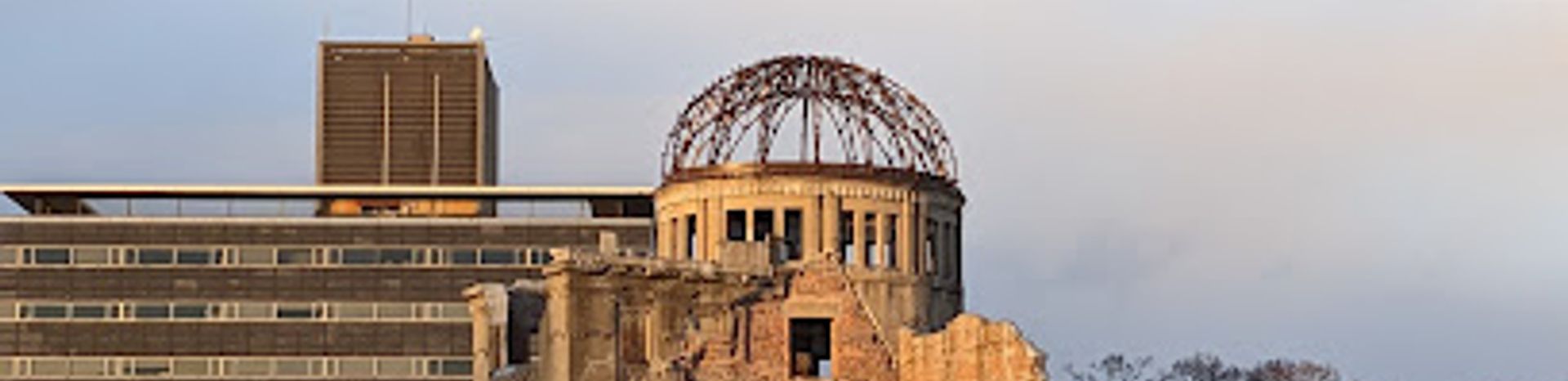
Atomic Bomb Dome: A Testament to Peace
A haunting reminder of Hiroshima's past, the Atomic Bomb Dome stands as a symbol of peace and a call for a world without nuclear weapons.
The Atomic Bomb Dome in Hiroshima stands as a haunting reminder of the atomic bombing in 1945 and a symbol of peace. Preserved as it was after the blast, it serves as a stark reminder of the past and a beacon of hope for the future.
A brief summary to Atomic Bomb Dome
- 1-10 Otemachi, Hiroshima, 1 Chome Otemachi, Naka Ward, Hiroshima, 730-0051, JP
- +8182-242-7831
- Visit website
Local tips
- Allow ample time to explore the Hiroshima Peace Memorial Park, which surrounds the Atomic Bomb Dome, to fully understand the historical context.
- Visit the Hiroshima Peace Memorial Museum to learn more about the events of the atomic bombing and its aftermath.
- Consider visiting the Dome at night when it is illuminated for a particularly striking and reflective experience.
- Take a moment to reflect on the significance of the site and its message of peace.

Getting There
-
Public Transport
From JR Hiroshima Station, take the Hiroshima Electric Railway (Hiroden) streetcar (No. 2 or 6) to the 'Genbaku Dome-mae' stop. The ride takes approximately 15 minutes and costs ¥240. From the streetcar stop, it is a short walk to the Atomic Bomb Dome.
-
Bus
The Hiroshima Sightseeing Loop Bus (Meipuru-pu) also stops at the Peace Memorial Park. Get off at the Atomic Bomb Dome stop. The fare is ¥200-220.
-
Walking
The Atomic Bomb Dome is approximately 2 kilometers from Hiroshima Station. Walking will take approximately 30 minutes.


