Myth of Tomorrow: A Symbol of Hope
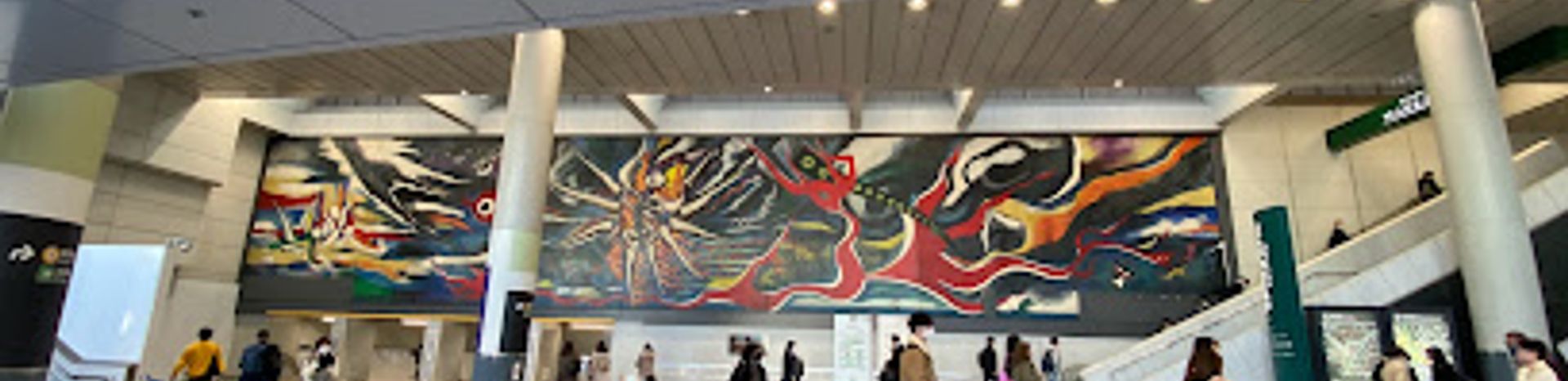
A monumental mural in Shibuya Station, the Myth of Tomorrow is a powerful symbol of hope and resilience after the atomic bomb.
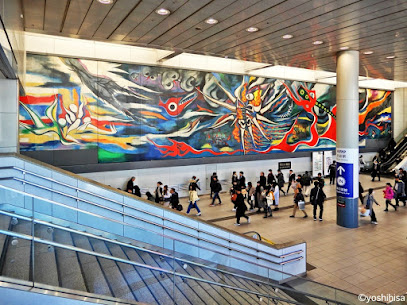
The Myth of Tomorrow is a massive mural by Japanese artist Tarō Okamoto, depicting the moment of an atomic bomb explosion, not as a symbol of despair, but as a testament to humanity's ability to overcome tragedy and create a brighter future. Housed in Shibuya Station, it serves as a powerful public art piece and a reminder of peace.
A brief summary to Myth of Tomorrow
- Dogenzaka, 1 Chome−12−1 2階連絡通路 渋谷マークシティ, Shibuya City, 1 Chome Dogenzaka, Tokyo, 150-0043, JP
- +813-3780-6503
- Visit website
Local tips
- Visit during off-peak hours to avoid crowds and have a more intimate experience with the mural.
- Take a moment to reflect on the mural's message of peace and resilience.
- The mural is located in a public area and can be viewed without needing to pass through the ticket gates.

Getting There
-
Walking
The Myth of Tomorrow is located in the walkway connecting the JR Shibuya Station with Shibuya Mark City. From the Hachiko Exit of Shibuya Station, walk towards Shibuya Mark City. The mural is located on the 2nd floor connecting passageway. It is visible from the south side of the Shibuya Scramble Crossing.
-
Public Transport
From Shinjuku Station, take the JR Yamanote Line (green line) directly to Shibuya Station. The journey takes approximately 7 minutes. Upon arriving at Shibuya Station, follow the signs towards the Hachiko Exit and then proceed towards Shibuya Mark City. The Myth of Tomorrow is situated on the 2nd floor of Shibuya Mark City, within the connecting passageway. A single fare on the JR Yamanote Line from Shinjuku to Shibuya costs around ¥200.
-
Taxi
Taxis are readily available in Tokyo. A taxi ride from central Tokyo (e.g., Tokyo Station) to Shibuya Mark City will typically take around 30 minutes and cost between ¥1,500 to ¥2,500, depending on traffic conditions. Upon arrival, the Myth of Tomorrow is located on the 2nd floor in the connecting passageway of Shibuya Mark City.
-
Parking
If driving, parking is available at Shibuya Mark City. Follow the blue arrows on the map to reach the parking area. The parking fee is ¥400 for every 30 minutes. Customers who spend over ¥3,000 at Shibuya Mark City can receive a 1-hour parking service ticket. Alternative parking options include Shibuya Flag Parking, with rates of ¥400 for each 30 minutes, or ¥1,800 for 24 hours.
Discover more about Myth of Tomorrow
Iconic landmarks you can’t miss

Myth of Tomorrow
0.0 km
Discover the inspiring 'Myth of Tomorrow' in Shibuya, a cultural landmark by Taro Okamoto that embodies resilience and artistic expression.
Hachiko Square
0.1 km
Discover the iconic Hachiko Square in Shibuya, Tokyo, a vibrant cultural hub steeped in history and bustling with life.
Moyai Statue
0.1 km
Discover the Moyai Statue in Shibuya, a striking stone carving that embodies the spirit of the city and serves as a vibrant meeting point for locals and tourists.
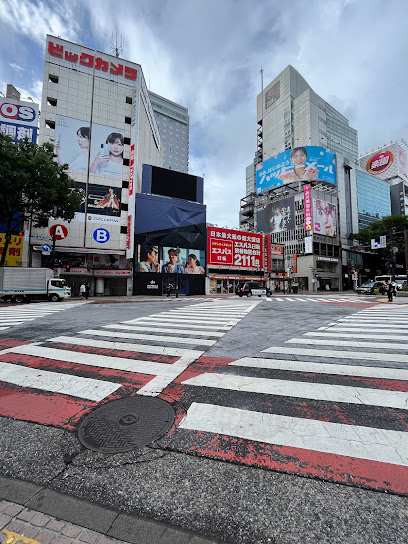
Shibuya Station
0.1 km
Experience the vibrant heart of Tokyo at Shibuya Station, a bustling hub connecting you to the city's iconic attractions and beyond.
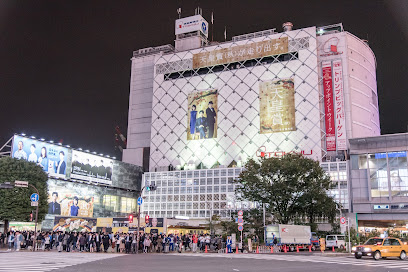
Shibuya Nonbei Yokocho
0.2 km
Discover Shibuya Nonbei Yokocho, a vibrant alleyway filled with traditional izakayas and bars, offering an authentic taste of Tokyo's nightlife.
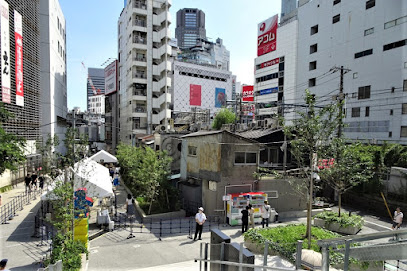
BINGO Shibuya MODI Store
0.3 km
Discover unique and affordable vintage fashion at BINGO Shibuya MODI, a trendy thrift shop in the heart of Tokyo's Shibuya district.
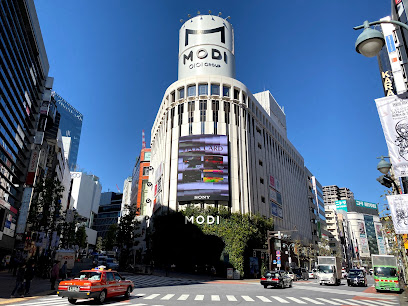
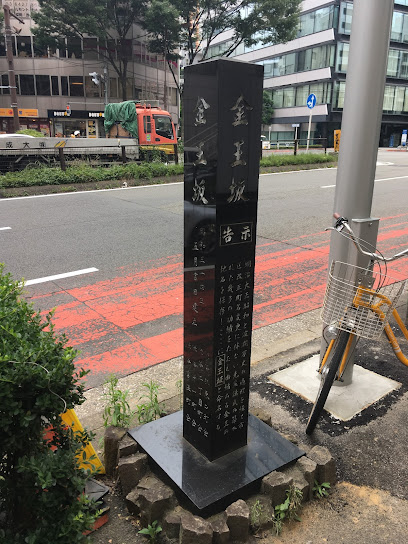
Konnō-zaka Slope
0.4 km
Explore Konnō-zaka Slope, a charming historical landmark in Shibuya offering scenic views, cultural insights, and a peaceful retreat amidst Tokyo's vibrant energy.
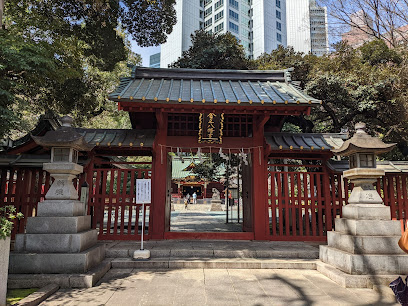
Konno Hachimangu Shrine
0.6 km
Discover the serene beauty of Konno Hachimangu Shrine, a historic Shinto shrine in the heart of Tokyo's bustling Shibuya district.
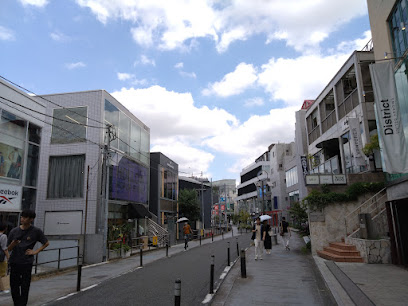
Harajuku
1.1 km
Discover the vibrant youth culture of Harajuku in Tokyo, where fashion, art, and culinary delights come together in a colorful urban experience.
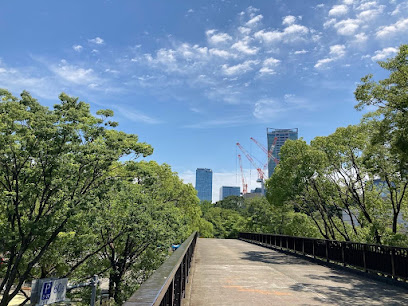
Shibuya Gate Observation Deck
1.2 km
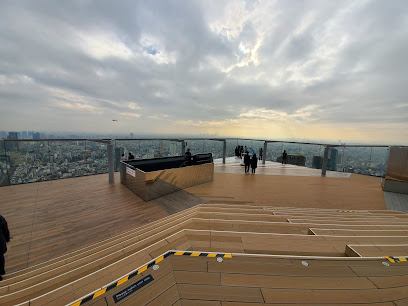
Discover breathtaking views and vibrant cityscapes at the Shibuya Gate Observation Deck in Tokyo, a must-visit for every traveler.
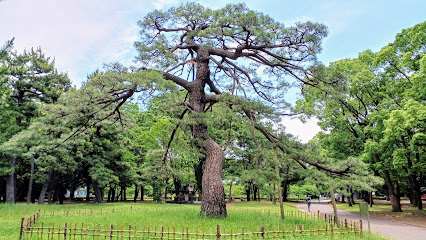
Pine Tree of Imperial Troop Review
1.3 km
Discover a silent witness to Japanese history: The Pine Tree of Imperial Troop Review in Yoyogi Park, Shibuya.
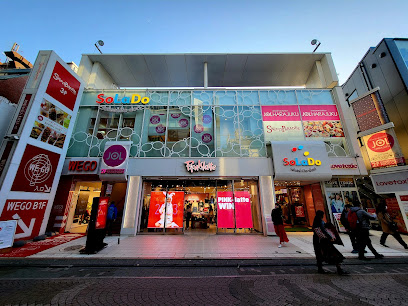
SoLaDo Takeshita-dori
1.4 km
Experience the vibrant shopping scene at SoLaDo Takeshita-dori, where Tokyo's fashion-forward culture meets unique shops and delightful cafes.
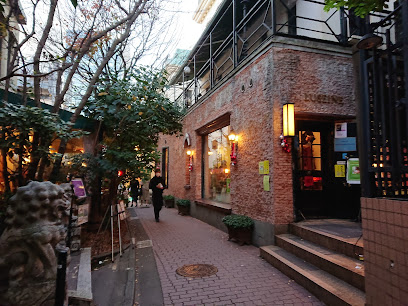
Brahms Path
1.4 km
Experience the tranquility of Brahms Path in Shibuya, a scenic escape filled with nature, art, and cultural charm in the heart of Tokyo.
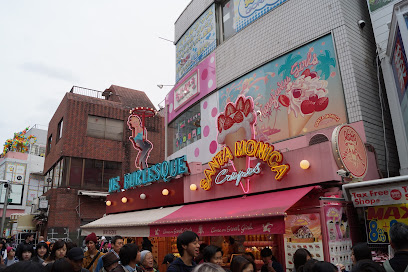
Takeshita Street Square
1.4 km
Experience the vibrant culture of Takeshita Street Square in Shibuya, Tokyo, where fashion meets delicious street food and youthful energy.
Takeshita Street
1.4 km
Discover the vibrant culture and unique fashion of Takeshita Street, Tokyo's ultimate destination for youth culture and eclectic shopping.
Unmissable attractions to see

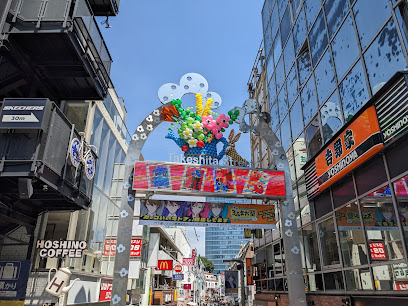
Shibuya Scramble Crossing
0.1 km
Experience the organized chaos of Shibuya Scramble Crossing, Tokyo's iconic and thrilling pedestrian intersection, a symbol of the city's vibrant energy.
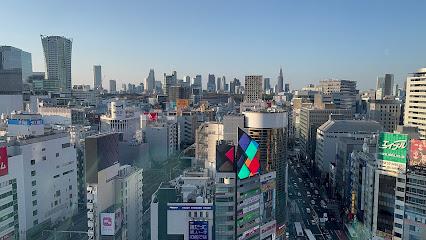
Tokyo Comedy Bar (TCB)
0.1 km
Tokyo's only dedicated stand-up comedy club, offering nightly shows in English and Japanese, just steps from Shibuya Station.
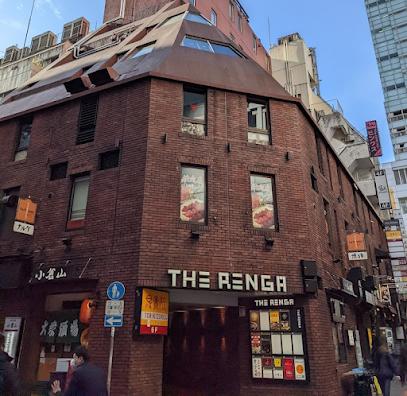
Shibuya Center-Gai
0.2 km
Experience Tokyo's vibrant youth culture in Shibuya Center-Gai, a bustling hub of fashion, food, music, and entertainment.
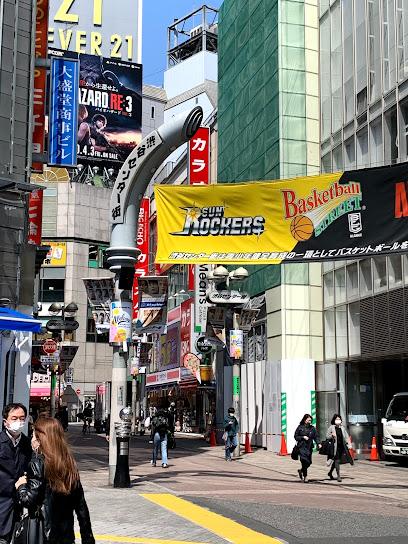
Shibuya Sky
0.2 km
Experience breathtaking views of Tokyo at Shibuya Sky, an iconic observation deck that showcases the city's vibrant skyline and cultural landmarks.
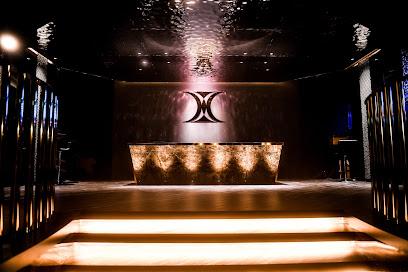
TK NIGHTCLUB
0.3 km
Discover the vibrant nightlife of Shibuya at TK Nightclub, a must-visit destination for party enthusiasts in Tokyo.
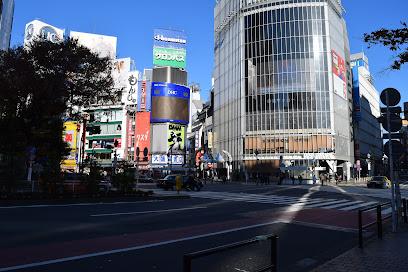
2 Chome Dogenzaka
0.3 km
Explore Dogenzaka, Shibuya: a vibrant mix of nightlife, dining, and unique culture just steps from Shibuya Crossing.
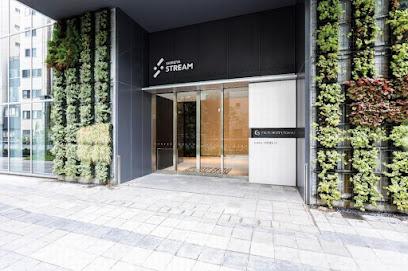
Shibuya Stream Hotel
0.3 km
Experience modern comfort and unparalleled convenience at Shibuya Stream Hotel, your gateway to Tokyo's vibrant Shibuya district.
VAPE Studio
0.3 km
Discover VAPE Studio in Shibuya, where quality vaporizers meet a vibrant vaping culture in the heart of Tokyo.

Chiku Chiku Cafe
0.3 km
Discover the joy of hedgehogs and great coffee at Chiku Chiku Cafe in Shibuya, the ultimate animal cafe experience in Tokyo.
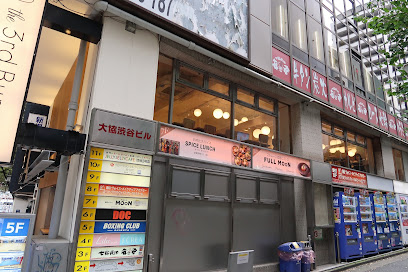
Tower Records Shibuya
0.4 km
Explore Tower Records Shibuya: A vibrant music haven in Tokyo, blending shopping, culture, and unforgettable experiences in the heart of Shibuya.
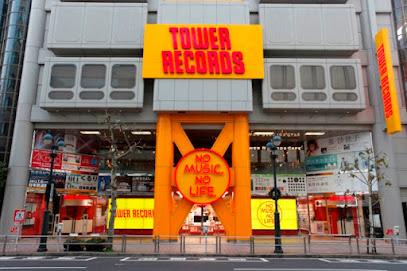
Miyashita Park
0.4 km
Experience Shibuya's unique blend of recreation and retail at Miyashita Park, a rooftop oasis in the heart of Tokyo.
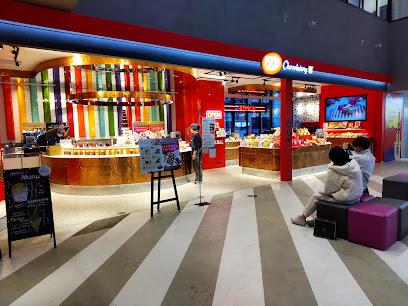
Sora(space) Sakura
0.4 km
Experience the serene beauty of Sora(space) Sakura, a peaceful retreat in Shibuya perfect for relaxation and enjoying nature amidst the city.
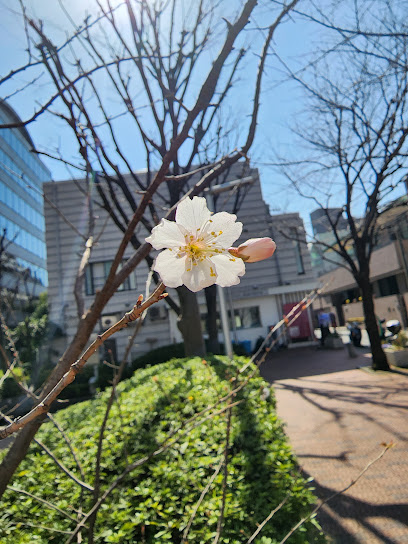
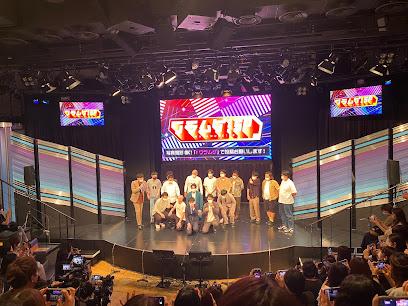
Yoshimoto ∞ hall
0.4 km
Experience Tokyo's vibrant comedy scene at Yoshimoto ∞ Hall in Shibuya, home to Yoshimoto Kogyo's hilarious owarai shows.
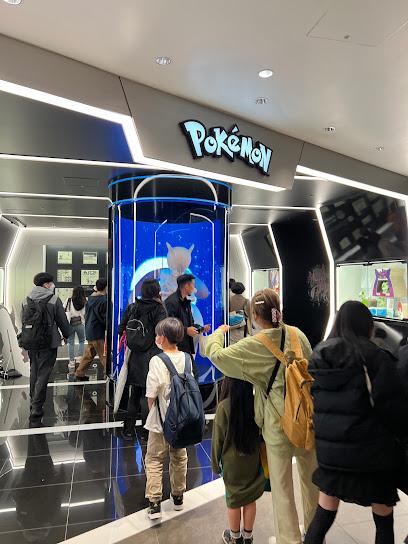
Pokemon Store Shibuya
0.4 km
Discover exclusive merchandise and a unique atmosphere at Tokyo's stylish Pokémon Center, located in the heart of Shibuya PARCO.
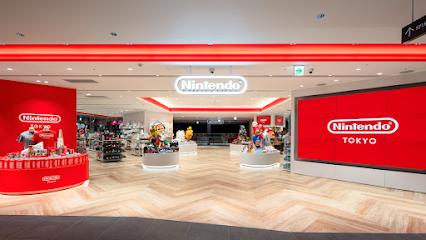
Nintendo Tokyo
0.4 km
Experience the magic of gaming at Nintendo Tokyo, a vibrant hub for fans with exclusive merchandise and immersive interactive displays in Shibuya.
Essential places to dine

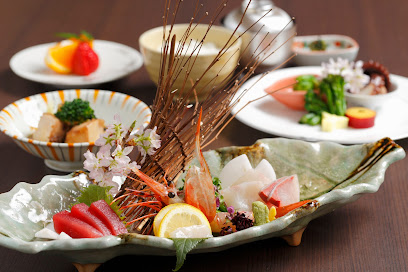
Shunsai
0.1 km
Experience authentic Japanese kaiseki cuisine with breathtaking views at Shunsai in Shibuya – a must-visit for food lovers.
Mawashizushi Katsu Seibu Shibuya Store
0.2 km
Experience the thrill of conveyor belt sushi at Mawashizushi Katsu in Shibuya—fresh flavors and vibrant atmosphere await!
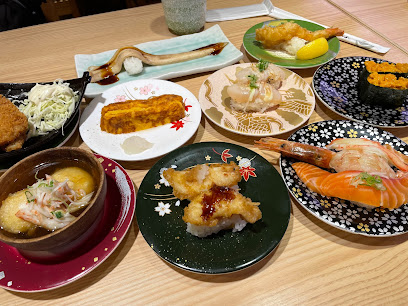
ocha room ashita ITOEN
0.2 km
Discover authentic Japanese tea culture at Ocha Room Ashita ITOEN in Shibuya - where tradition meets tranquility.
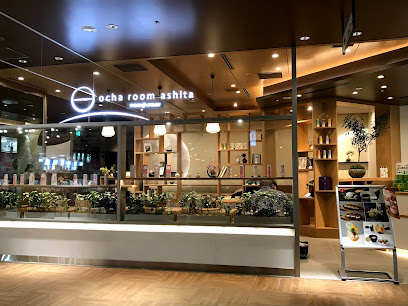
UobeiGoulabe
0.2 km
Discover the innovative world of sushi at Uobei Goulabe in Shibuya—where freshness meets technology in every bite.
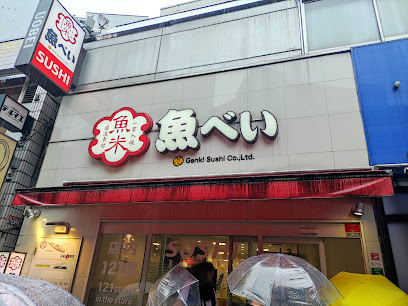
Tsukiji Totodon Shibuya
0.3 km
Experience authentic Japanese seafood at Tsukiji Totodon Shibuya – a culinary gem in Tokyo’s vibrant Shibuya district.
Hakushū Teppanyaki
0.3 km
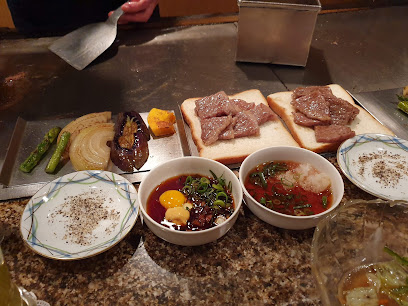
Discover exquisite teppanyaki at Hakushū Teppanyaki in Shibuya – where flavors meet artistry for an unforgettable dining experience.
Sushi Tokyo Ten
0.3 km
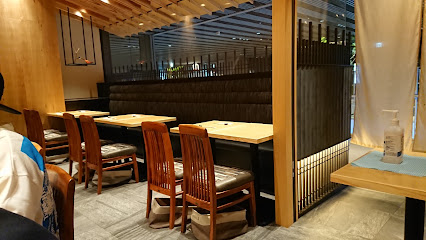
Discover authentic sushi at Sushi Tokyo Ten in Shibuya, where tradition meets freshness in every bite.
KEBAB CAFE (Turkish Halal Restaurant of Shibuya)
0.3 km
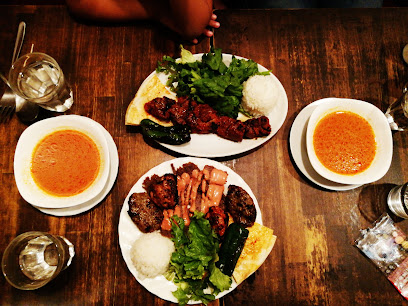
Experience authentic Turkish flavors at Kebab Cafe, an inexpensive halal restaurant in Shibuya that brings Turkey's culinary heritage to Tokyo.
Ramen Tajima
0.3 km
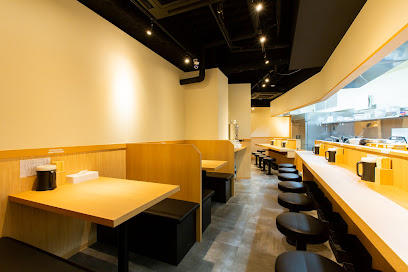
Experience authentic Japanese ramen at Ramen Tajima in Shibuya—where flavor meets tradition in every bowl.
THE LEGIAN TOKYO
0.4 km
Discover exquisite French cuisine at The Legian Tokyo in Shibuya—where elegance meets flavor in every dish.
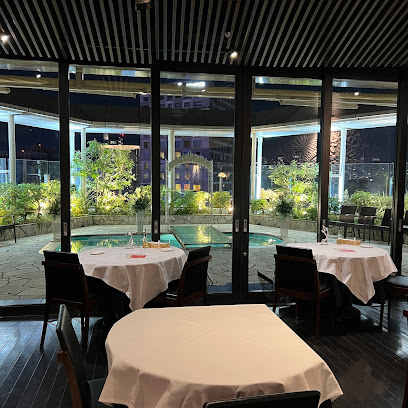
Gonpachi Shibuya
0.5 km
Experience authentic Japanese cuisine at Gonpachi Shibuya, where tradition meets modern dining in a vibrant atmosphere.
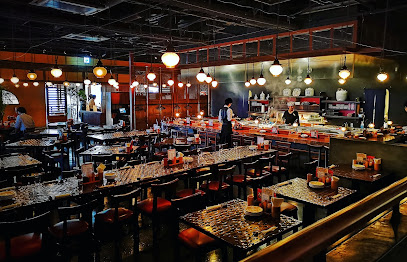
ROOF TOP RESTAURANT & MUSIC BAR SOAK
0.5 km
Experience exquisite dining and breathtaking views at Tokyo's premier rooftop restaurant and music bar.
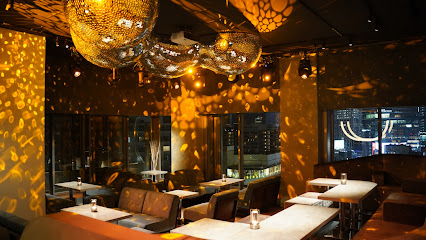
Katsuo Shokudo
0.5 km
Experience authentic Japanese teishoku at Katsuo Shokudo in the heart of Tokyo's vibrant Shibuya district.
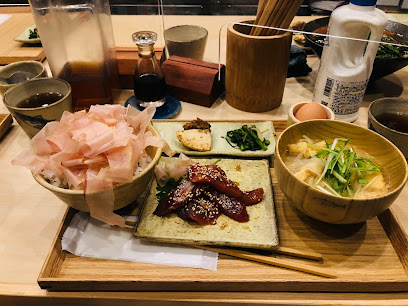
Setouchi Bistro Bingo
0.5 km
Experience the essence of Japanese cuisine at Setouchi Bistro Bingo in Shibuya – where tradition meets modern culinary art.
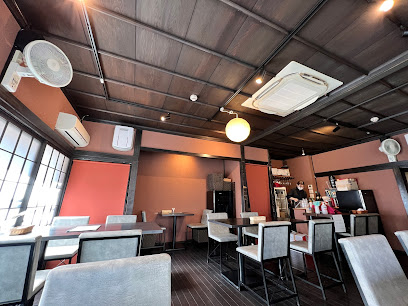
jinen.
0.6 km
Experience exquisite French cuisine at Jinen in Shibuya - where culinary artistry meets modern elegance.

Markets, malls and hidden boutiques

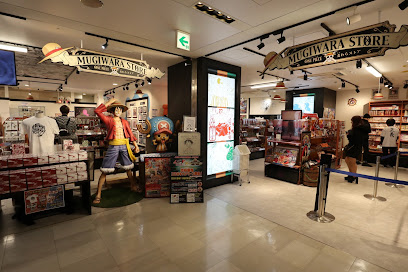
ONE PIECE Store Hat Store - Shibuya Main Store
0.1 km
Explore the vibrant world of ONE PIECE at the Shibuya Main Store, where fans can find exclusive merchandise and unforgettable experiences.
Shibuya 109
0.2 km
Discover the heart of Tokyo's fashion scene at Shibuya 109, where style meets culture in a vibrant shopping experience.
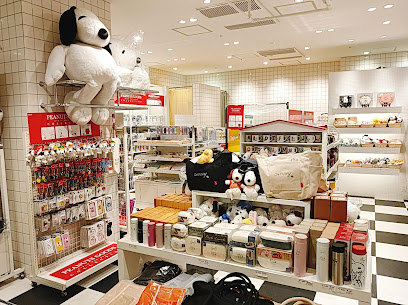
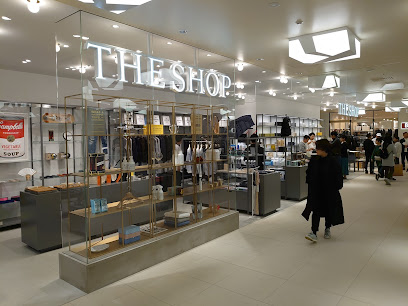
THE SHOP SHIBUYA
0.2 km
Discover the essence of Japanese culture at THE SHOP SHIBUYA, a general store offering unique items that celebrate Tokyo's vibrant spirit.
b8ta Tokyo - Shibuya
0.3 km
Discover the future of retail at b8ta Tokyo - Shibuya, where hands-on tech experiences await in the heart of Japan's vibrant shopping district.
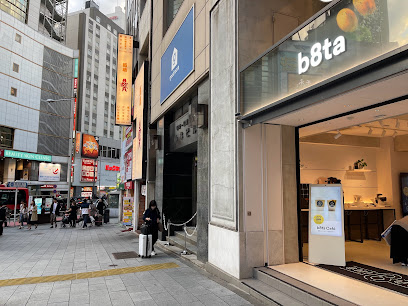
cosicosi shibuya souvenir shop
0.3 km
Explore Cosi Cosi in Shibuya for unique souvenirs and stylish clothing, capturing the essence of Tokyo's vibrant culture.
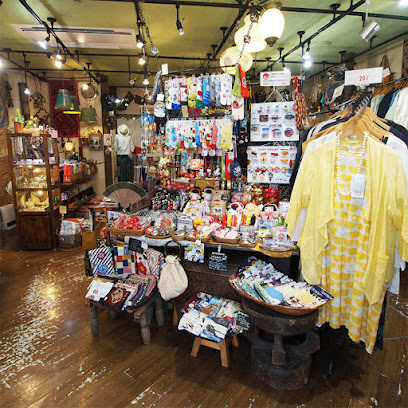
THE SHIBUYA SOUVENIR STORE
0.3 km
Explore The Shibuya Souvenir Store in Tokyo for unique keepsakes and traditional crafts that capture the spirit of Japan.
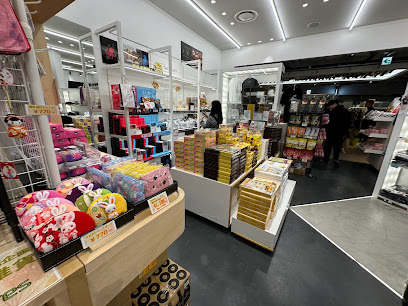
MEGA Don Quijote
0.3 km
Discover unique treasures and everyday essentials at MEGA Don Quijote in Shibuya, Tokyo's ultimate discount store experience.
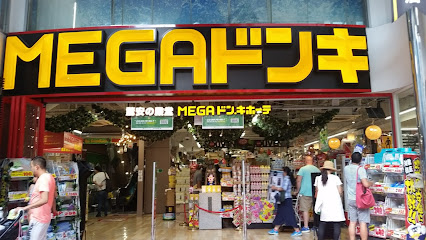
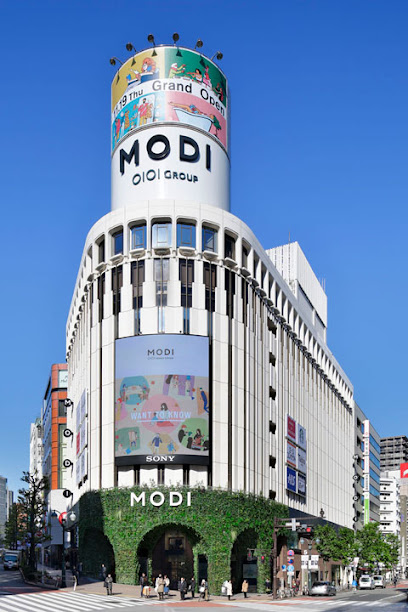
Shibuya MODI
0.3 km
Discover the essence of Tokyo shopping at Shibuya MODI, where fashion meets dining in a vibrant urban setting.
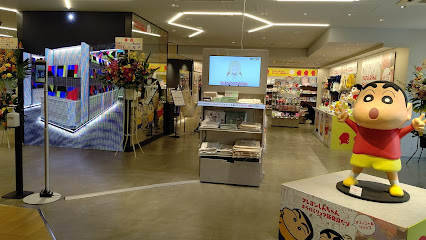
Tokyo Anime Center in DNP PLAZA SHIBUYA
0.3 km
Experience the vibrant world of anime, collectibles, and interactive fun at the Tokyo Anime Center in Shibuya, a must-visit for pop culture fans.
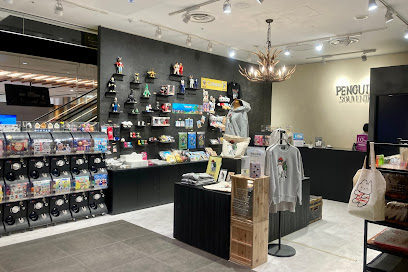
PENGUIN SOUVENIR
0.4 km
Discover unique penguin-themed souvenirs and more at Penguin Souvenir, a charming general and hobby store in the heart of Shibuya, Tokyo.
Shibuya Parco
0.4 km
Discover the essence of Tokyo's fashion and culture at Shibuya Parco, a shopping mall that blends style, dining, and entertainment seamlessly.

Hands
0.4 km
Explore a vibrant gift shop in Shibuya, Tokyo, featuring unique stationery, quality cosmetics, and eclectic home goods for every taste.
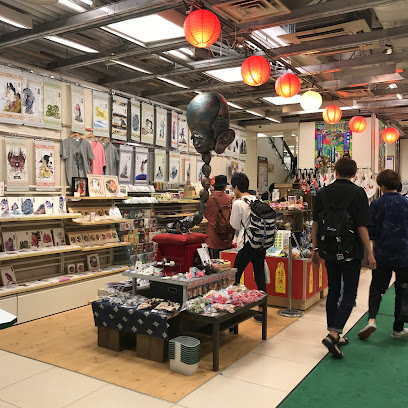
Archive Store
0.4 km
Discover the perfect blend of art and fashion at Archive Store, Shibuya's unique gallery and clothing destination.
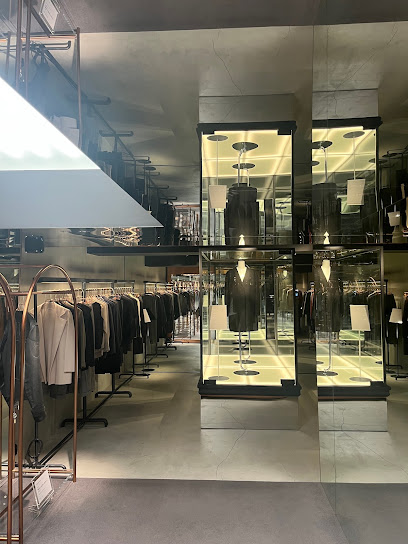
RAGTAG Shibuya Store
0.5 km
Explore RAGTAG Shibuya Store for sustainable fashion treasures, featuring curated second-hand clothing and accessories in the heart of Tokyo.
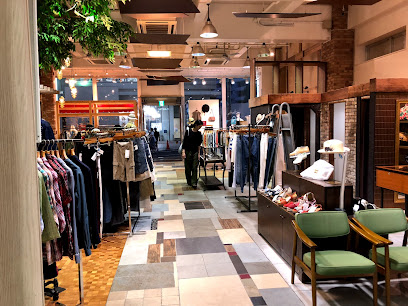
KESHIKI
0.6 km
Discover unique vintage clothing and accessories at KESHIKI, a charming store in the heart of Shibuya, Tokyo, perfect for fashion lovers and treasure hunters.
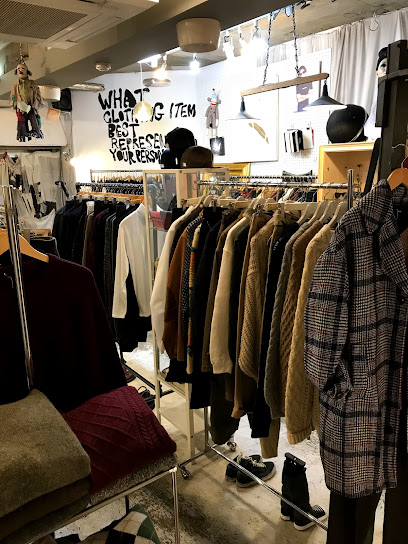
Essential bars & hidden hideouts

BAR・SevenEight
0.1 km
Experience the vibrant nightlife of Shibuya at BAR・SevenEight, a stylish bar offering a cozy atmosphere and expertly crafted cocktails.
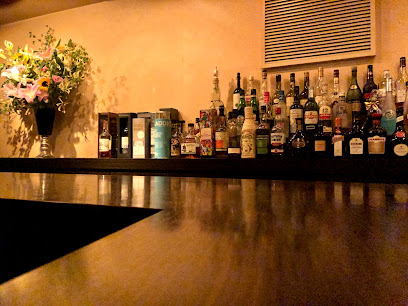
Zu-Bar
0.1 km
Discover the eclectic nightlife of Tokyo at Zu-Bar, a bustling bar and night club in the heart of Shibuya, perfect for evening relaxation and fun.
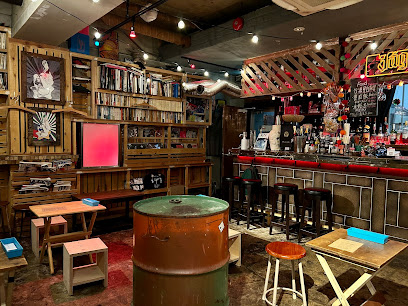
DJ BAR Bridge
0.1 km
Experience the vibrant nightlife of Shibuya at DJ BAR Bridge, where electrifying beats and great drinks create unforgettable memories.
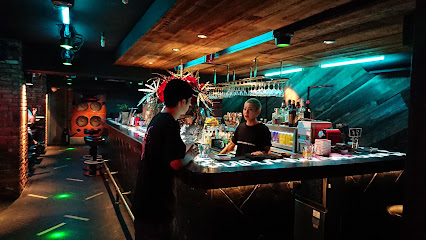
SUMADORI-BAR SHIBUYA
0.2 km
Discover the lively ambiance and exquisite drinks at SUMADORI-BAR SHIBUYA, your ideal retreat in the heart of Tokyo's vibrant nightlife.
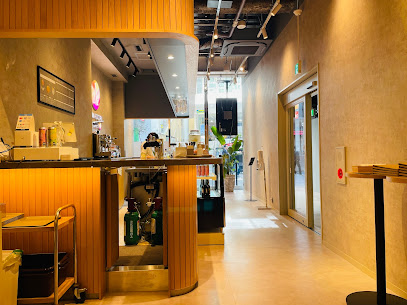
THE VIBE BAR WILD ONE
0.2 km
Discover the lively atmosphere and unique cocktails at THE VIBE BAR WILD ONE in the heart of Shibuya, Tokyo's nightlife hub.
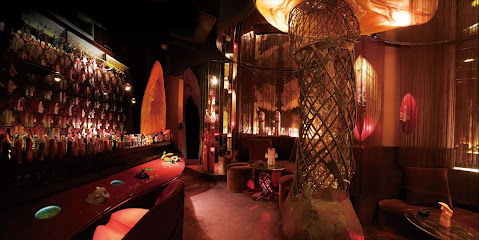
Rock Bar
0.2 km
Discover the vibrant nightlife at Rock Bar in Shibuya, where great music meets a welcoming atmosphere for an unforgettable Tokyo experience.
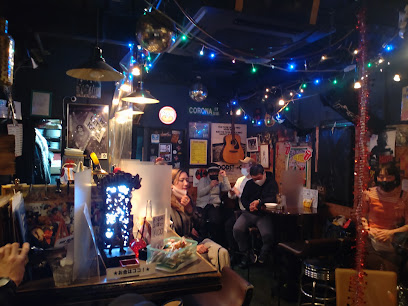
BAR MOONSHINER
0.2 km
Discover Bar Moonshiner, a cozy Shibuya bar offering exquisite cocktails and a lively atmosphere, perfect for an unforgettable night out in Tokyo.
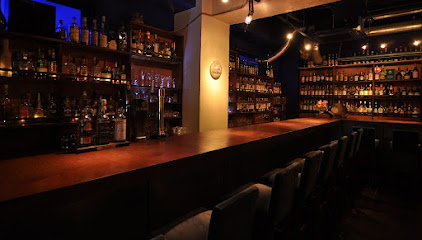
moon walk Shibuya Center-Gai
0.2 km
Discover the heart of Tokyo's nightlife with delicious izakaya dishes and vibrant atmosphere at Moon Walk Shibuya Center-Gai.
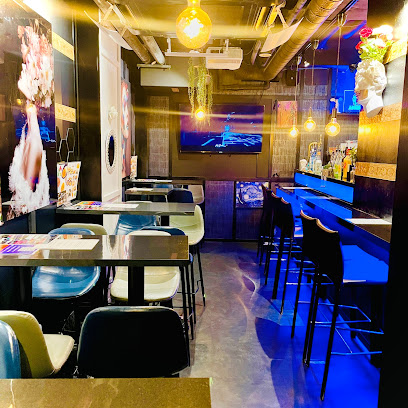
Shibuya Bar The Legless Arms
0.3 km
Discover Shibuya's nightlife at The Legless Arms, where creative cocktails and a vibrant atmosphere await every night.
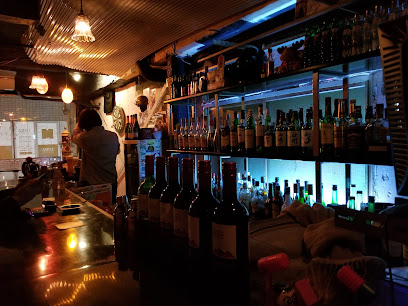
Hachigatsu no Kujira
0.3 km
Discover Hachigatsu no Kujira: A whisky lover's paradise in the vibrant heart of Shibuya, Tokyo, offering an extensive drink selection and lively atmosphere.
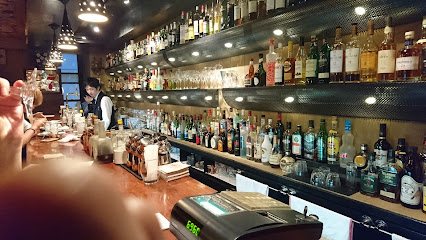
Bar Mon
0.3 km
Discover Bar Mon, a cozy bar in Shibuya, offering innovative cocktails and a vibrant nightlife experience in the heart of Tokyo.
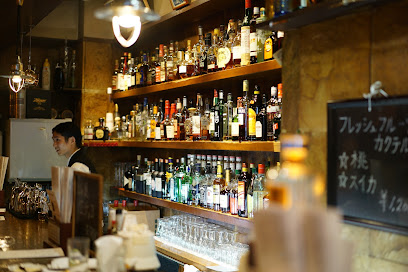
渋谷Tangle -Music Bar & Floor
0.3 km
Experience the vibrant nightlife and live music scene at 渋谷Tangle, a must-visit bar in the heart of Shibuya, Tokyo.
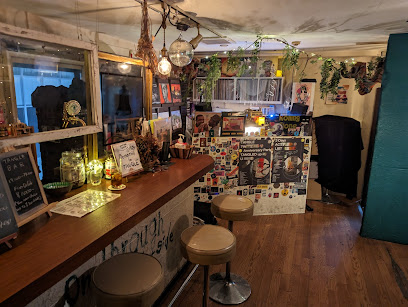
Bar Ginza Panorama Shibuya
0.3 km
Discover modern izakaya dining and innovative cocktails at Bar Ginza Panorama Shibuya, a vibrant spot in Tokyo's nightlife.
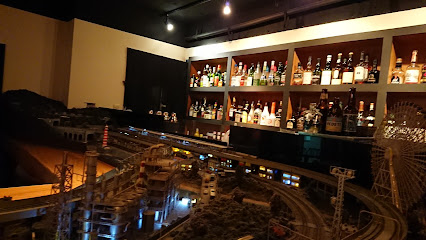
LITTS BAR
0.4 km
Discover the lively blend of Italian cuisine and nightlife at LITTS BAR in Shibuya City, Tokyo, a perfect spot for food and fun.
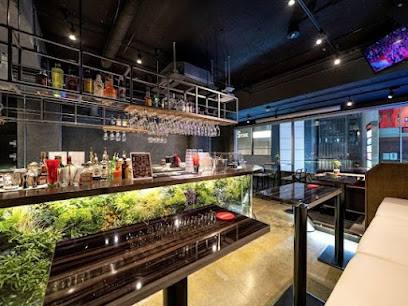
BAR Legacy
0.4 km
Delve into the vibrant nightlife of Tokyo at BAR Legacy, a stylish bar in Shibuya known for its exquisite cocktails and lively ambiance.
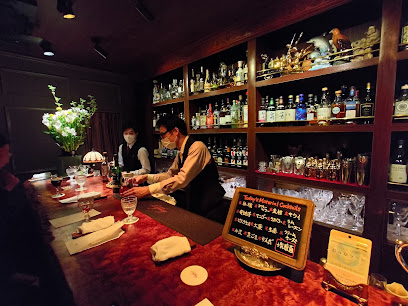
Nightclubs & after hour spots

DJ Bar & Lounge WREP
0.2 km
Experience the vibrant nightlife of Shibuya at DJ Bar & Lounge WREP, where music and fun collide in a lively atmosphere.
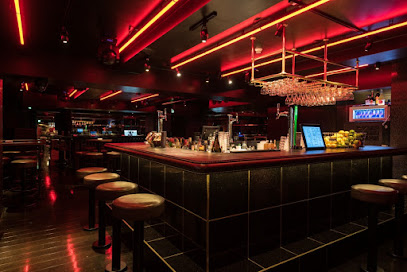
Nostyle
0.2 km
Experience Tokyo's nightlife at Nostyle, a vibrant night club in Shibuya offering electrifying music, drinks, and an unforgettable cultural experience.
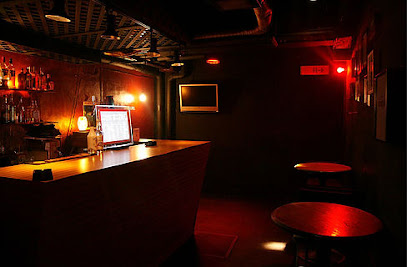
BAIA
0.3 km
Experience the electrifying atmosphere of BAIA, a premier night club in Shibuya City that captures the essence of Tokyo's vibrant nightlife.

CLUB VIZEL
0.4 km
Dive into the heart of Tokyo's nightlife at CLUB VIZEL, where electrifying rock beats and vibrant crowds create an unforgettable experience.
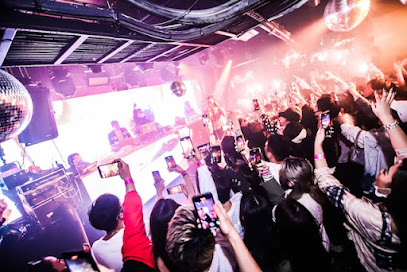
Atom Tokyo
0.4 km
Dive into the energetic nightlife of Tokyo at Atom Tokyo, a premier night club in Shibuya offering unforgettable music and vibrant atmosphere.
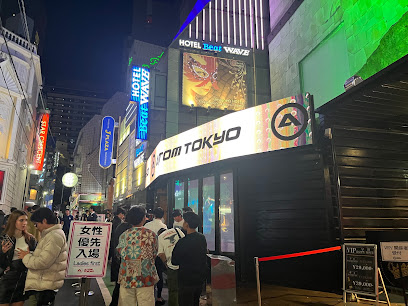
club asia
0.5 km
Dive into Tokyo's vibrant nightlife at Club Asia, the ultimate rock music venue in Shibuya, where unforgettable performances await.
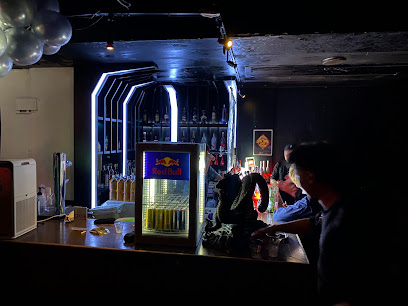
R Lounge
0.5 km
Experience the vibrant nightlife at R Lounge, a stylish nightclub in Shibuya, where eclectic music and a lively atmosphere come together for an unforgettable night.
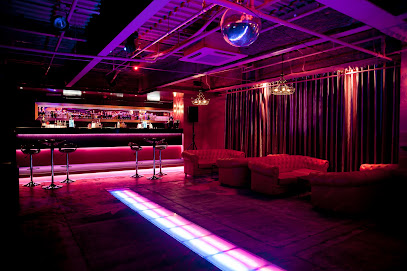
FAMILY
0.5 km
Discover the lively atmosphere and thrilling beats at FAMILY Night Club, a top nightlife destination in the heart of Shibuya, Tokyo.
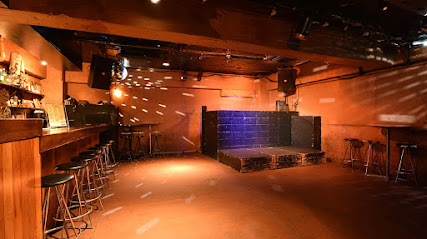
WOMB
0.5 km
Experience the electrifying vibe of WOMB in Shibuya, Tokyo, where music, art, and nightlife collide for an unforgettable night out.