

Free Kanto Travel Guide & Mobile App
Explore Kanto with free travel guides. Discover regional history, expert tips, proposed trips, and audio guides on web or mobile app.


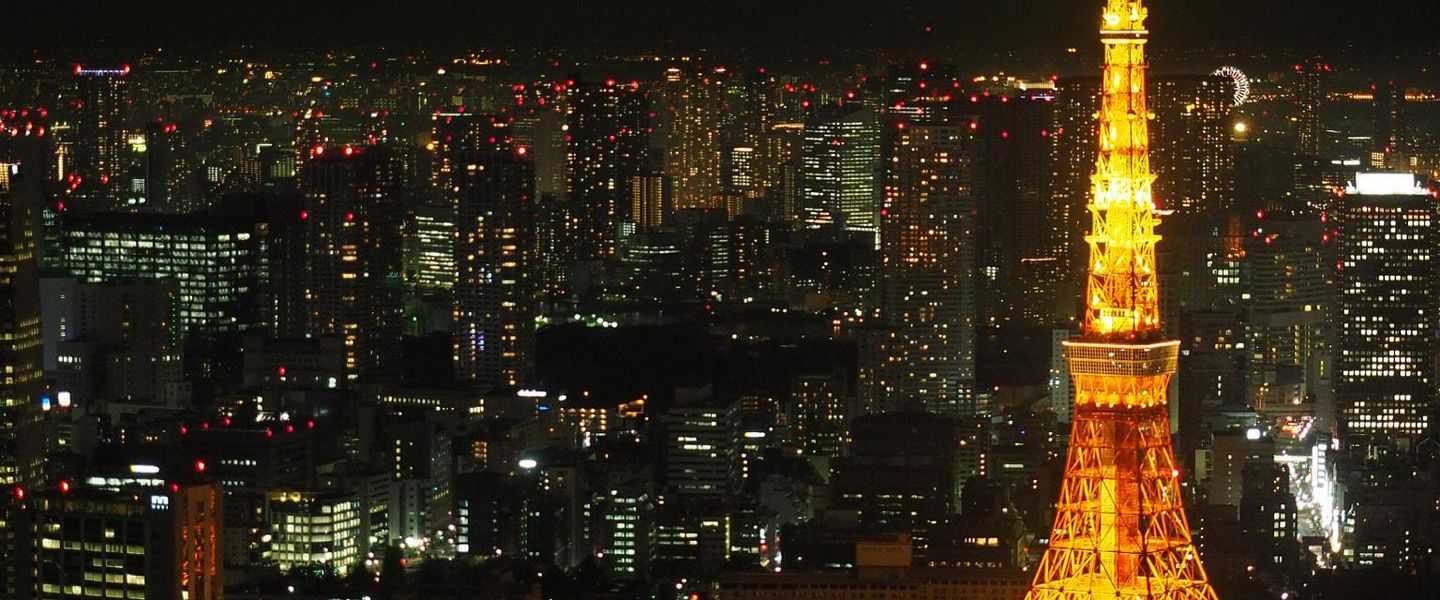


Explore Kanto, from Tokyo’s neighbourhoods and Yokohama’s harbour to Kamakura temples, Nikko heritage, mountain hot springs and Pacific coastlines.
Read more about Kanto
When is the best time to visit Kanto?
Best: May–June, October · 22–27°C| Month | High (°C) | Rainfall (mm) |
|---|---|---|
| January | 8 | 50 |
| February | 9 | 60 |
| March | 13 | 80 |
| April | 19 | 100 |
| May (best) | 23 | 120 |
| June (best) | 27 | 140 |
| July | 30 | 160 |
| August | 31 | 170 |
| September | 27 | 150 |
| October (best) | 22 | 130 |
| November | 16 | 110 |
| December | 10 | 70 |
Getting to and around Kanto
How to get there
Transportation
Top city travel guides in Kanto
The cities of Kanto, and the easiest places to base yourself.

Swipe for more cities
Destinations in Kanto
Resorts, valleys and scenic spots worth a trip of their own.
-

-

-

-


Swipe for more destinations
Best attractions in Kanto
Kanto’s attractions range from Tokyo’s extraordinary concentration of museums, galleries, gardens, theatres and historic neighbourhoods to broad landscapes beyond the metropolitan core. In Tokyo, the Tokyo National Museum, Meiji Jingu, Asakusa and the Imperial Palace area reveal different aspects of national and urban history, while contemporary art and architecture are prominent across several districts. Yokohama adds waterfront promenades, museums and port heritage, and Kamakura offers temple-lined hills, beach scenery and the Great Buddha. Nikko combines sacred architecture with cedar forests and mountain excursions, while Tochigi’s uplands and Gunma’s hot-spring towns provide walking, bathing and seasonal scenery. Chiba offers Pacific beaches, coastal villages and the rural Boso Peninsula; Ibaraki is associated with gardens, lakes, coast and agricultural landscapes; and Saitama contains river valleys, historic settlements and accessible countryside. Outdoor possibilities include hiking, cycling, temple visits, wildlife observation and winter sports in higher mountain areas. The attraction landscape is defined by contrast: densely populated urban culture lies within practical reach of volcanoes, forests, farmland and the sea, but each area requires its own transport and seasonal planning.
-
Plant nursery
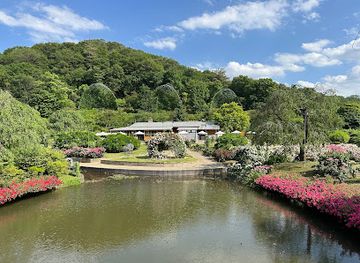
Ashikaga Flower Park
Explore the breathtaking Ashikaga Flower Park, a floral paradise filled with stunning seasonal blooms and serene pathways perfect for relaxation.
-
Tourist attraction
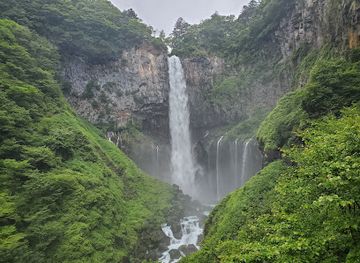
Kegon Waterfalls
Experience the breathtaking beauty of Kegon Waterfalls, a must-visit natural attraction in Nikko, Tochigi, showcasing stunning landscapes and seasonal charm.
-
Tourist attraction
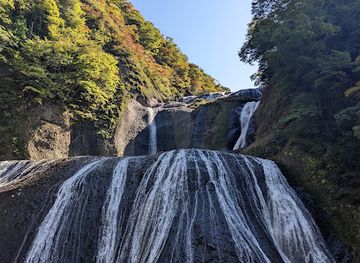
Fukuroda Falls
Fukuroda Falls: Experience Japan's breathtaking natural beauty and tranquility at one of its most iconic waterfalls, perfect for all nature enthusiasts.
-
Business park
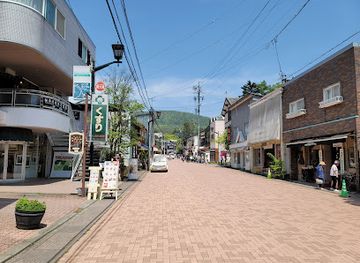
Old Karuizawa Ginza Street
Discover the enchanting Old Karuizawa Ginza Street, a blend of traditional charm and modern delights in the heart of Japan’s scenic countryside.
Best landmarks in Kanto
Kanto’s most recognisable landmarks include Tokyo’s Imperial Palace precinct, whose moats, gates and gardens occupy the historic centre of the capital, and the Meiji Jingu shrine complex, set within a substantial urban woodland. Senso-ji in Asakusa, with its Kaminarimon gate and approach street, is one of Tokyo’s defining religious and architectural ensembles. Yokohama’s historic waterfront and preserved Western-style buildings reflect the city’s development as an international port. Kamakura’s Great Buddha is a powerful surviving image of medieval religious Japan, while Tsurugaoka Hachimangu anchors the city’s historic axis. Farther north, the shrines and temples of Nikko display the ceremonial architecture of the Tokugawa period amid cedar-covered mountains. Other significant regional landmarks include the ancient burial mounds of Sakitama in Saitama, the dramatic limestone landscape of Mount Nokogiri in Chiba and the volcanic mountain scenery of Gunma. Together, these places show Kanto as more than a capital region: its visual identity combines imperial and shogunal history, port development, sacred landscapes, archaeological remains and powerful natural forms.
-
Theme park
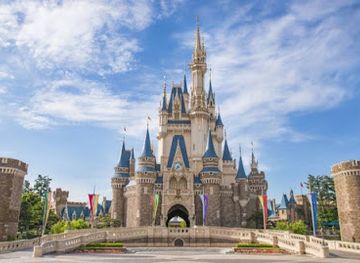
Tokyo Disneyland
Experience the magic of Disney in Japan at Tokyo Disneyland, offering classic attractions and unique experiences for an unforgettable adventure.
-
Observation deck
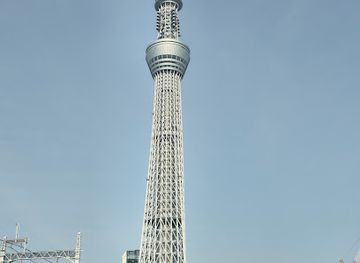
Tokyo Skytree
Experience breathtaking panoramic views of Tokyo from Japan's tallest structure, a modern landmark blending technology and tradition.
-
Observation deck
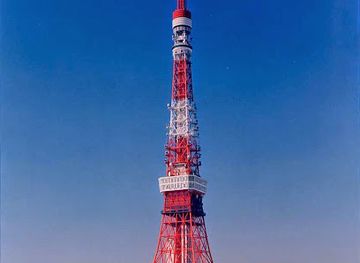
Tokyo Tower
Iconic Tokyo landmark offering panoramic city views, entertainment, and a glimpse into Japan's post-war resurgence.
-
 Buddhist temple
Sensō-ji
Explore Tokyo's oldest temple, Sensō-ji, in Asakusa: a journey through history, culture, and spiritual tradition. Discover iconic gates and vibrant markets.
Explore Kanto on the map
Plan your trip on one map. See where the top cities, national parks and sights are, and book hotels and experiences in a few clicks.
Best hotels in Kanto
Best restaurants in Kanto
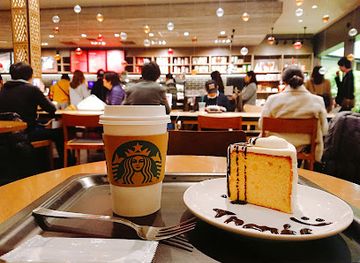
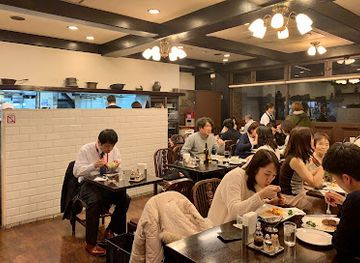
Kanto contains Japan’s broadest dining spectrum, from tiny Tokyo counters specialising in sushi, soba, tempura or yakitori to sophisticated restaurants, neighbourhood cafés and long-established traditional establishments. Tokyo’s food culture is international as well as regional, while Yokohama is particularly associated with its historic Chinatown and port-influenced culinary scene. Outside the capital, local specialities provide a stronger sense of place: Tochigi is known for gyoza in Utsunomiya and agricultural produce; Gunma has a notable wheat-based food tradition, including udon and other hearty dishes; Chiba supplies peanuts, vegetables, fruit and seafood; and Ibaraki is an important agricultural region with seasonal produce. Coastal towns offer fish and shellfish, while mountain areas add river fish, pickles and hot-spring inn cuisine. Department-store food halls, farmers’ markets, station shops and convenience stores can all be useful for sampling regional products. In traditional restaurants, menus may be seasonal and unfamiliar ingredients are often presented with careful attention to texture and appearance.
-
Restaurant
Tokyo Solamachi
Explore the perfect blend of shopping and dining at Tokyo Solamachi near the iconic Skytree.
-
Japanized western restaurant
Taimeiken
Experience the unique fusion of Japanese and Western flavors at Taimeiken in Tokyo—home of the legendary omelette rice.
-
Ramen
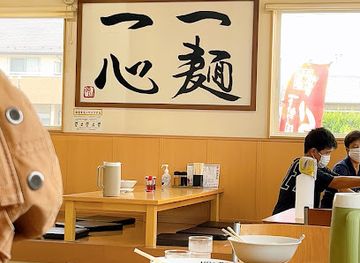
Sano bamboo handmade ramen Oshiyama
Discover Sano Bamboo Handmade Ramen Oshiyama: A haven for ramen lovers offering authentic handmade noodles and traditional Japanese flavors.
-
Restaurant
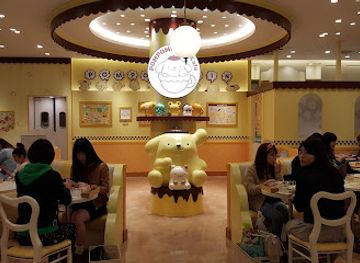
Pompompurin Cafe
Discover the enchanting world of Pompompurin at this whimsical cafe in Harajuku, where cuteness meets culinary creativity.
Best bars in Kanto
Nightlife in Kanto is highly varied and largely concentrated in Tokyo, Yokohama and the larger regional cities. Tokyo’s Shinjuku, Shibuya, Ginza, Ueno and Ikebukuro districts contain everything from standing bars, izakaya and specialist whisky venues to live-music rooms, cocktail bars and large clubs, though each area has a different atmosphere and visitors should check prices before entering unfamiliar establishments. Yokohama offers waterfront and neighbourhood drinking areas with a port-city character, while cities such as Omiya, Chiba, Mito and Utsunomiya have their own restaurant and bar scenes. In rural Gunma, Tochigi, Ibaraki and the Boso Peninsula, evenings are more likely to centre on local izakaya, traditional pubs, hotel dining rooms, breweries or onsen-town restaurants than on an extensive club scene. Karaoke is widespread, and seasonal festivals may provide evening entertainment, but schedules and venues change, so current local information is preferable to relying on old listings.
-
Bar
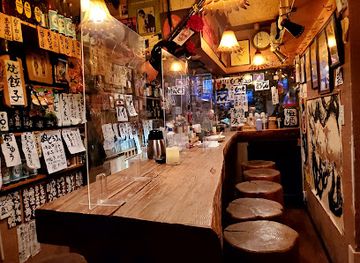
Shinjuku Golden-Gai
Discover the vibrant nightlife of Shinjuku Golden-Gai, where unique bars and unforgettable experiences await in Tokyo's heart.
-
Bar
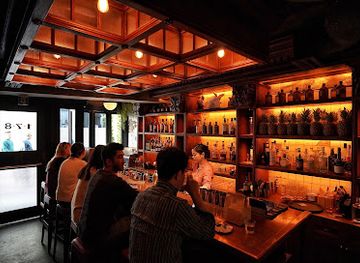
The SG Club
Experience the art of mixology at The SG Club, a top cocktail bar in Shibuya, Tokyo, offering innovative drinks in a chic setting.
-
Bar
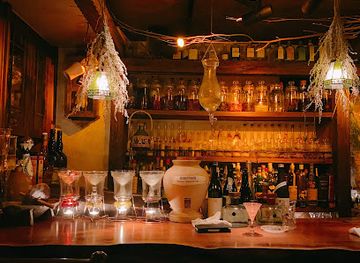
Bar Benfiddich
Experience the artistry of cocktails at Bar Benfiddich, a premier bar in Tokyo's Nishishinjuku offering innovative drinks and a cozy atmosphere.
-
Cocktail bar
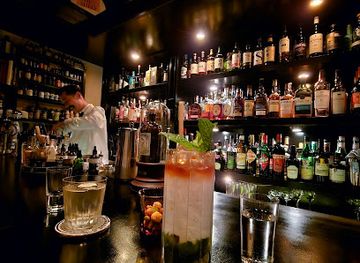
Bar TRENCH
Discover the exquisite flavors of expertly crafted cocktails at Bar TRENCH in Shibuya, Tokyo's premier cocktail bar.
Best nightclubs in Kanto
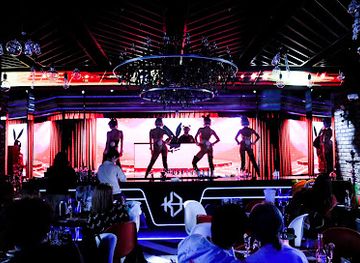
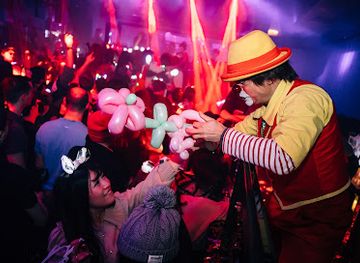
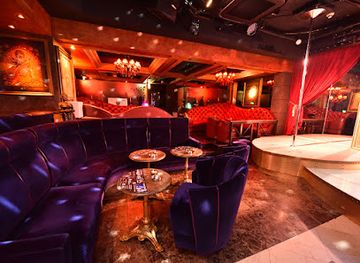
Nightlife in Kanto is highly varied and largely concentrated in Tokyo, Yokohama and the larger regional cities. Tokyo’s Shinjuku, Shibuya, Ginza, Ueno and Ikebukuro districts contain everything from standing bars, izakaya and specialist whisky venues to live-music rooms, cocktail bars and large clubs, though each area has a different atmosphere and visitors should check prices before entering unfamiliar establishments. Yokohama offers waterfront and neighbourhood drinking areas with a port-city character, while cities such as Omiya, Chiba, Mito and Utsunomiya have their own restaurant and bar scenes. In rural Gunma, Tochigi, Ibaraki and the Boso Peninsula, evenings are more likely to centre on local izakaya, traditional pubs, hotel dining rooms, breweries or onsen-town restaurants than on an extensive club scene. Karaoke is widespread, and seasonal festivals may provide evening entertainment, but schedules and venues change, so current local information is preferable to relying on old listings.
-
Night club
TK
Explore the electrifying nightlife of Tokyo at TK Nightclub, where great music and vibrant energy create unforgettable nights.
-
Night club
Kujira Entertainment
Explore the electrifying nightlife of Shinjuku at Kujira Entertainment, where exquisite cocktails and lively entertainment meet delicious dining.
-
Night club
V2 TOKYO
Discover the electrifying nightlife of Tokyo at V2 TOKYO, a premier night club in Roppongi offering top DJs and an unforgettable atmosphere.
-
Night club
TANTRA TOKYO
Immerse yourself in the vibrant nightlife of Tokyo at TANTRA TOKYO, where captivating performances meet an electrifying atmosphere.

Best shops in Kanto
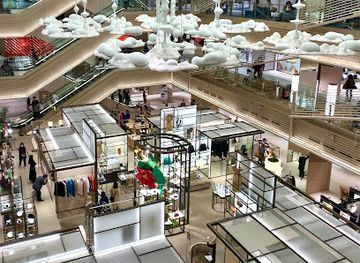
Shopping in Kanto ranges from Tokyo’s department stores, design districts and specialist streets to the market-town centres and produce stalls of the wider region. Ginza is associated with established department stores and luxury retail, while Shibuya, Shinjuku, Harajuku and Tokyo Station offer fashion, books, character goods, crafts and contemporary design in very different settings. Asakusa is a practical place to look for traditional-style souvenirs, confectionery and small craft items, though visitors should distinguish handmade goods from mass-produced products. Yokohama adds Chinatown food products, port-themed gifts and independent shops in historic waterfront areas. Outside the capital, markets and farm shops are useful for Chiba peanuts, seasonal fruit, vegetables, regional sweets and locally made foods from Ibaraki, Tochigi and Gunma. Ceramics, textiles, woodwork and food products can often be found through local craft centres or department-store regional fairs. Rural shopping is usually dispersed and daytime-oriented, so a car or careful bus planning may be necessary when visiting producers beyond the main towns.
-
Shopping mall
GINZA SIX
Explore Ginza Six, Tokyo's premier shopping destination, blending luxury retail, art, and a rooftop garden for an unforgettable experience.
-
Shopping mall
LaLaport TOKYO-BAY
Explore LaLaport TOKYO-BAY: A Shopping Wonderland in Funabashi with Unique Stores, Delicious Dining, and Exciting Entertainment!
-
Outlet mall
Mitsui Outlet Park Kisarazu
Explore the ultimate shopping experience at Mitsui Outlet Park Kisarazu, a vibrant outlet mall in Chiba with unbeatable deals and diverse dining options.
-
Shopping mall
Ikspiari
Explore Ikspiari: A shopping mall in Chiba offering diverse dining and entertainment options for an unforgettable experience.
Get your free copy of our complete guide to Kanto, delivered straight to you.
Everything on this page, from attractions and restaurants to essentials and local phrases, in one PDF you can read offline, print or share.
Already have an account? Sign in
Your Kanto guide is ready.
We'll send it to · Not you? Sign out

Getting your guide ready…
We are putting together a fresh copy of the Kanto guide. This can take up to a minute.
This can take a few moments. If your browser asks, choose Allow so the download can start. You'll find the guide in your Downloads folder.
Nothing happened? Download it again
Sorry, the guide is taking longer than usual. Please try again in a minute, or get it by email instead.
Kanto essentials
Currency and Payment
Safety
Emergency Situations
Do's and Don'ts
Local Tips
From Eve
Local phrases worth knowing
You don't need to get them perfect. A few words go a long way, and locals appreciate the effort.
Basics
| English | Local | Say it |
|---|---|---|
| Hello | こんにちは | [Konnichiwa] |
| Goodbye | さようなら | [Sayōnara] |
| Yes | はい | [Hai] |
| No | いいえ | [Iie] |
| Please/You're welcome | どうぞ | [Dōzo] |
| Thank you | ありがとう | [Arigatou] |
| Excuse me/Sorry | すみません | [Sumimasen] |
| How are you? | お元気ですか? | [Ogenki desu ka?] |
| Fine. And you? | 元気です。あなたは? | [Genki desu. Anata wa?] |
| Do you speak English? | 英語を話せますか? | [Eigo o hanasemasu ka?] |
| I don't understand | わかりません | [Wakarimasen] |
Eating & Drinking
| English | Local | Say it |
|---|---|---|
| I'd like to see the menu, please | メニューを見せてください | [Menyū o misete kudasai] |
| I don't eat meat | 肉は食べません | [Niku wa tabemasen] |
| Cheers! | 乾杯! | [Kanpai!] |
| I would like to pay, please | お会計をお願いします | [Okaikei o onegaishimasu] |
Emergencies
| English | Local | Say it |
|---|---|---|
| Help! | 助けて! | [Tasukete!] |
| Go away! | どこか行って! | [Doko ka itte!] |
| Call the Police! | 警察を呼んで! | [Keisatsu o yonde!] |
| Call a doctor! | 医者を呼んで! | [Isha o yonde!] |
| I'm lost | 道に迷いました | [Michi ni mayoimashita] |
| I'm ill | 具合が悪いです | [Guai ga warui desu] |
Shopping
| English | Local | Say it |
|---|---|---|
| I'd like to buy... | これを買いたいです | [Kore o kaitai desu] |
| I'm just looking | 見ているだけです | [Mite iru dake desu] |
| How much is it? | これはいくらですか? | [Kore wa ikura desu ka?] |
| That's too expensive | それは高すぎます | [Sore wa takasugimasu] |
| Can you lower the price? | 値段を下げてもらえますか? | [Nedan o sagete moraemasu ka?] |
Time & Numbers
| English | Local | Say it |
|---|---|---|
| What time is it? | 今何時ですか? | [Ima nanji desu ka?] |
| It's one o'clock | 1時です | [Ichi-ji desu] |
| Half past (10) | 10時半です | [Jū-ji han desu] |
| Morning | 朝 | [Asa] |
| Afternoon | 午後 | [Gogo] |
| Evening | 夕方 | [Yūgata] |
| Yesterday | 昨日 | [Kinō] |
| Today | 今日 | [Kyō] |
| Tomorrow | 明日 | [Ashita] |
| 1 | 1 | [Ichi] |
| 2 | 2 | [Ni] |
| 3 | 3 | [San] |
| 4 | 4 | [Shi] |
| 5 | 5 | [Go] |
| 6 | 6 | [Roku] |
| 7 | 7 | [Nana] |
| 8 | 8 | [Hachi] |
| 9 | 9 | [Kyū] |
| 10 | 10 | [Jū] |
Transport & Directions
| English | Local | Say it |
|---|---|---|
| Where's a/the...? | どこに...がありますか? | [Doko ni... ga arimasu ka?] |
| What's the address? | 住所は何ですか? | [Jūsho wa nan desu ka?] |
| Can you show me (on the map)? | 地図で見せてもらえますか? | [Chizu de misete moraemasu ka?] |
| When's the next (bus)? | 次の(バス)はいつですか? | [Tsugi no (basu) wa itsu desu ka?] |
| A ticket (to ....) | (...)までの切符 | [(...) made no kippu] |
History of Kanto
Jomon Communities and Early Kanto Settlement
Kanto has been inhabited since prehistoric times, and archaeological sites across the plain preserve evidence of Jomon communities who lived by fishing, hunting, gathering and small-scale cultivation. The region’s rivers, wetlands and coastal environments supported substantial settlements, while shell middens and ceramic traditions reveal changing relationships with the landscape. Later agricultural societies expanded rice cultivation across the fertile plain and developed stronger political structures. Although much of modern Kanto is heavily urbanised, archaeological museums and excavated sites in places such as Chiba, Saitama and Ibaraki help explain the long human history beneath the contemporary cityscape.
Romanised? No: The Kofun and Nara-Era Political Landscape
From the third to seventh centuries, powerful communities in the Kanto Plain participated in the formation of the early Japanese state. Large kofun burial mounds, including important examples in Saitama and Gunma, reflect the authority of regional elites and their links with the imperial court. Administrative reforms during the Nara period integrated Kanto more closely into the central government’s provincial system. Roads, religious institutions and tax arrangements connected the eastern provinces with political centres farther west, establishing patterns of communication and governance that shaped the region’s later importance.
Kamakura and the First Warrior Government
In 1185, Minamoto no Yoritomo established a military government at Kamakura, and the city became the seat of the Kamakura shogunate in 1192. Its protected position between wooded hills and the sea suited a warrior polity, while temples and shrines gave the city a lasting religious and cultural legacy. The period saw the consolidation of samurai rule and significant developments in Japanese Buddhism, including traditions associated with Zen and the later spread of the Jodo and Nichiren schools. Kamakura’s surviving temple precincts, roads and monumental Great Buddha remain among Kanto’s clearest links with medieval Japan.
The Tokugawa Settlement and Edo
Tokugawa Ieyasu established his government at Edo, now Tokyo, after the Battle of Sekigahara in 1600; the Tokugawa shogunate formally began in 1603. Edo expanded around its castle and became the centre of a highly organised political system in which regional lords were required to maintain residences and spend time in the capital. Roads such as the Tokaido and Nakasendo connected Edo to other parts of Japan, while canals and the Sumida River supported trade. The city’s growth created distinctive urban cultures in theatre, publishing, cuisine and craft, many of whose forms remain visible in Tokyo today.
Meiji Modernisation and the Rise of Tokyo
The Meiji Restoration of 1868 transformed Edo into Tokyo, the imperial capital, and accelerated Kanto’s modernisation. Government ministries, schools, factories, railways and new civic institutions reshaped the city and its surrounding settlements. Yokohama developed as a major international port after Japan opened to wider foreign trade, bringing new buildings, communities and commercial connections. Railways linked towns across the plain and encouraged industrial growth, while the region became increasingly centralised around the capital. Western architectural influences appeared alongside Japanese traditions, creating the layered urban character familiar in present-day Kanto.
The 1923 Great Kanto Earthquake
On 1 September 1923, a powerful earthquake devastated Tokyo and Yokohama, with widespread fires causing further destruction across the densely built plain. Large numbers of people died, homes and historic buildings were lost, and the disaster prompted major debates about urban planning, infrastructure and public health. Reconstruction introduced wider roads, new parks and stronger building approaches, although redevelopment unfolded unevenly. The earthquake remains an important reference point in Kanto’s history, not only because of the scale of the destruction but also because it influenced the modern form of the capital and continuing Japanese attention to earthquake preparedness.
War, Reconstruction and Metropolitan Expansion
The Second World War brought severe aerial bombardment to Tokyo, Yokohama and other industrial areas of Kanto, followed by occupation and rapid post-war reconstruction. From the 1950s, manufacturing, housing development and expanding rail networks drew workers into the metropolitan area. The 1964 Tokyo Olympics symbolised Japan’s international return and encouraged major infrastructure improvements, including the shinkansen connection to western Japan. Subsequent decades produced an immense metropolitan region extending across several prefectures, while older townscapes, temple districts, farming areas and port neighbourhoods remained interwoven with new commercial and residential development.
Kanto in Photos
Browse through our photo collection highlighting the charm and character of the destination.
Neighbouring regions of Kanto
The closest regions to Kanto, if you have time for more than one.
-

-

-

-

-


Swipe for more regions
Explore more

Explore more of Japan
Discover the harmony of tradition and modernity in Japan, where ancient temples and cutting-edge technology coexist in perfect balance.
Explore Japan