

From Eve
Know before you go
Hi, I'm Eve. Here are a few practical things to know before exploring Nisonin Temple.
Local know-how to help you travel smarter and make the most of every moment.


Discover Kyoto's Nisonin Temple: A serene escape into history and nature, famed for its vibrant maple-lined path and revered Buddhist statues.
Nisonin Temple, nestled in Kyoto's Arashiyama district, is a serene Tendai Buddhist temple founded in the 9th century. Known for its stunning maple-lined pathway, the temple offers a tranquil escape with historical significance and natural beauty that attracts visitors year-round.
Opening times, essentials, and a few local tips gathered into one calmer, easier-to-scan planning section.
Hi, I'm Eve. Here are a few practical things to know before exploring Nisonin Temple.
Local know-how to help you travel smarter and make the most of every moment.
Walking
From JR Saga-Arashiyama Station, exit and walk north for about 10 minutes. Follow the main road, passing through a residential area, until you reach the temple entrance. The path is well-marked with signs in English and Japanese. Alternatively, from Arashiyama Station on the Keifuku Line, walk north for approximately 15 minutes. Head towards Tenryuji Temple and continue north, following the signs to Nisonin Temple. Walking from either station is free, allowing you to enjoy the scenic streets of Arashiyama.
Public Transport
From Kyoto Station, take the JR Sagano Line to Saga-Arashiyama Station (approx. 20 minutes, ¥240). From there, follow the walking directions. Alternatively, take Kyoto City Bus #11 from Shijo Kawaramachi Station for about 50 minutes and get off at Saga Elementary School. From there, it is about 7 minutes on foot. A single bus fare is ¥230. Another option is to take the Kyoto City Bus #91 from Shijo Omiya for 30 minutes and get off at the Saga Shakadomae stop and walk 15 minutes. A single bus fare is ¥230.
Taxi
From JR Saga-Arashiyama Station, a taxi ride to Nisonin Temple takes about 5 minutes and costs approximately ¥700-¥900. Taxis are readily available at the station. From central Arashiyama, such as near the Togetsukyo Bridge, a taxi ride is also around 5 minutes and costs roughly the same. Note that traffic can be heavy during peak seasons, potentially increasing travel time and cost.
Use Tower Bridge as your starting point for nearby food, family ideas, nightlife, and more local discoveries.

Explore expert travel guides, compare and book tours, experiences, hotels, and more—all from the palm of your hand. Download now for seamless trip planning wherever your wanderlust takes you.
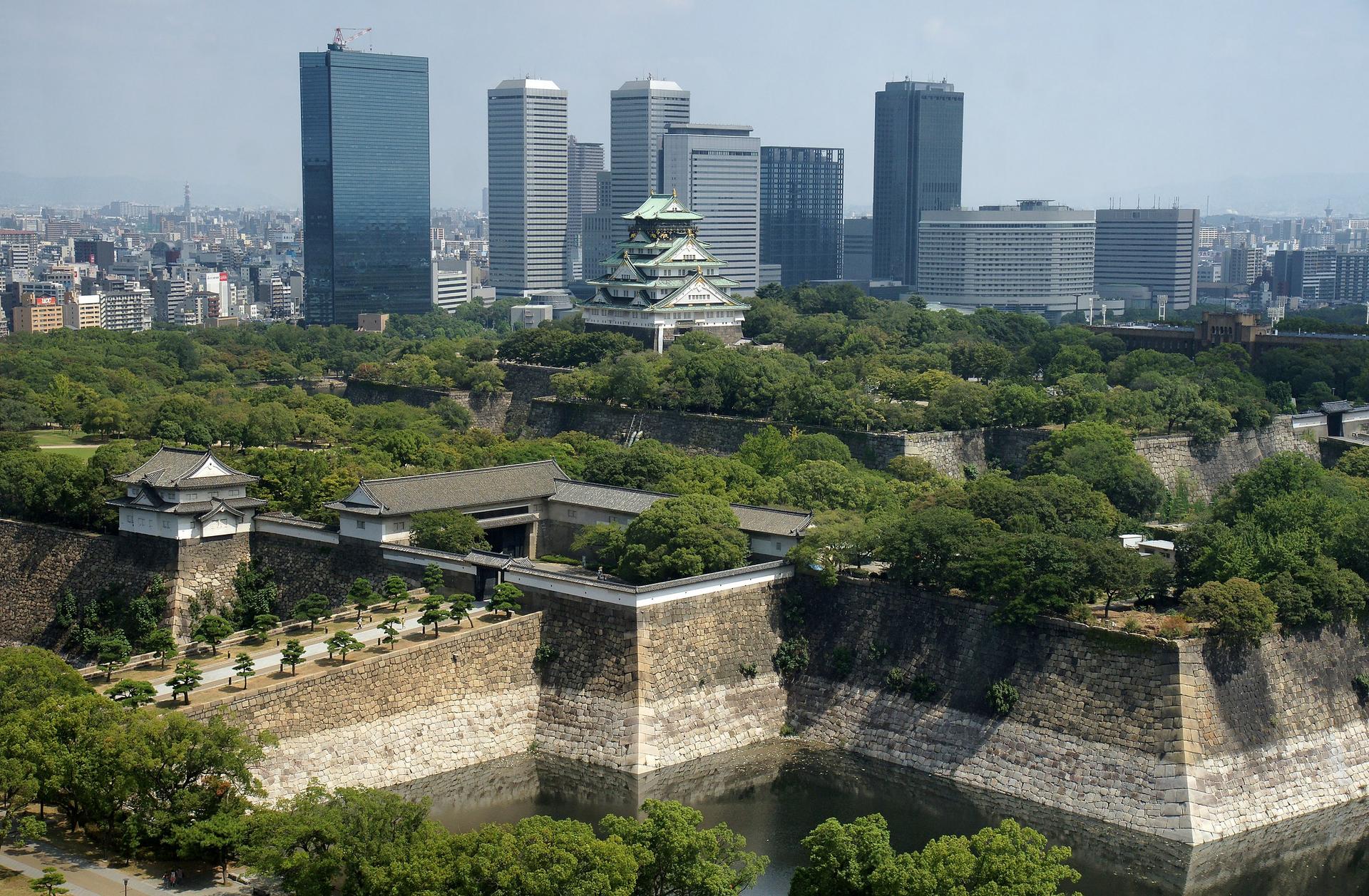
Discover Osaka, Japan’s lively metropolis where tradition meets modernity, renowned for its culinary delights, historic landmarks, and vibrant nightlife.
Tell me more about Osaka


