

Tokugawa Park Travel Guide
Free Guide: Experience tranquility and history at Nagoya's Tokugawa Garden, a meticulously restored Edo-period landscape showcasing Japanese garden design.


A brief summary of Tokugawa Park
Experience tranquility and history at Nagoya's Tokugawa Garden, a meticulously restored Edo-period landscape showcasing Japanese garden design.
Escape the bustle of Nagoya at Tokugawa Garden, a meticulously designed Japanese garden that once served as a private retreat for the powerful Tokugawa clan. Wander through serene landscapes featuring a central pond, waterfalls, and seasonal flora, offering a glimpse into the aesthetic sensibilities of feudal Japan.
Opening hours
- MonClosed
- Tue9:30 am–5:30 pm
- Wed9:30 am–5:30 pm
- Thu9:30 am–5:30 pm
- Fri9:30 am–5:30 pm
- Sat9:30 am–5:30 pm
- Sun9:30 am–5:30 pm
Opening hours as listed on the venue’s Google Business Profile. Hours can change for services and special events, so check with the venue before you go.
- Address
- 1001 Tokugawacho, Higashi Ward, Nagoya, Aichi 461-0023
- Phone
- Website
Getting there
Public Transport
Bus
Taxi
Car
Discover more about Tokugawa Park
Overview
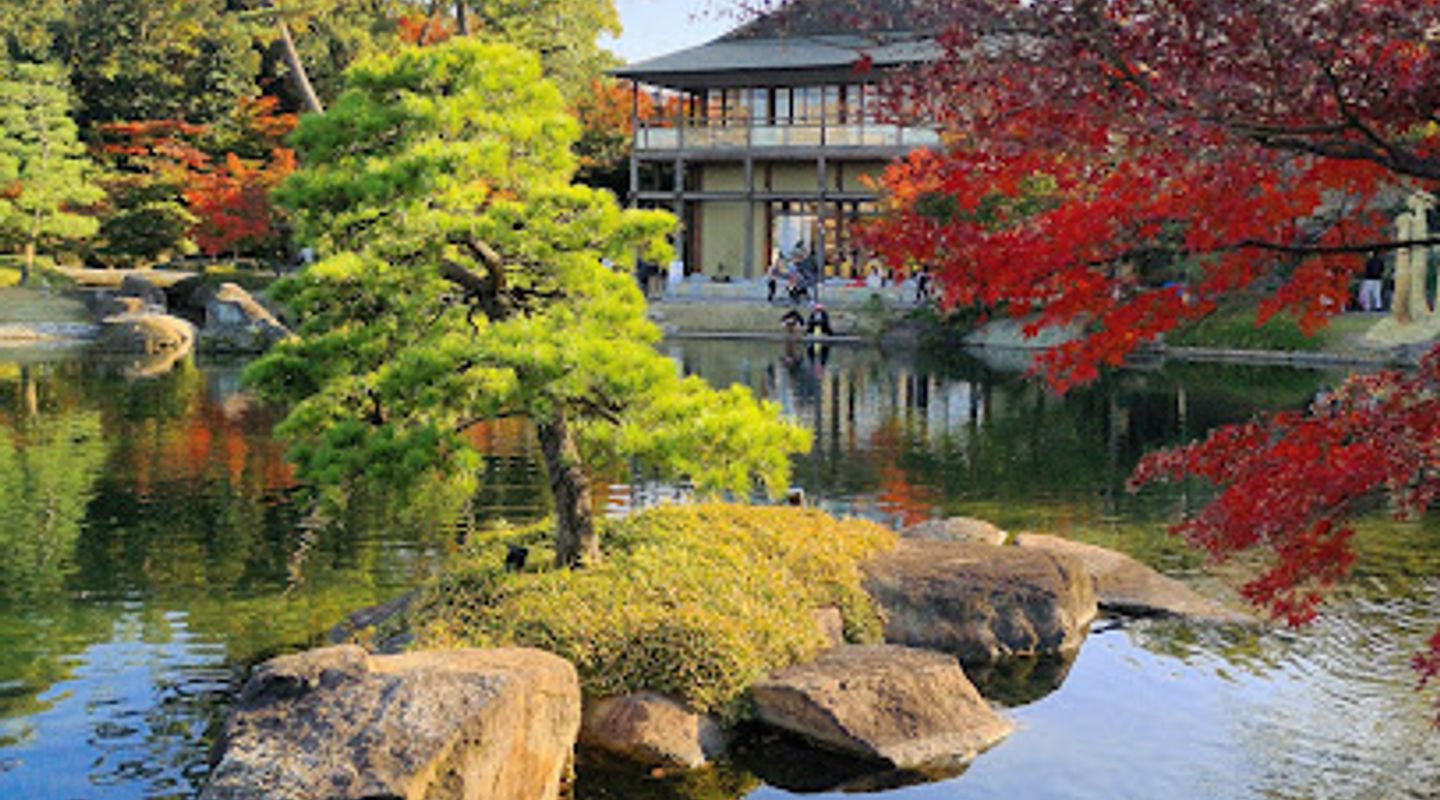
Tokugawa Garden, or Tokugawaen, is a traditional Japanese landscape garden adjacent to the Tokugawa Art Museum in Nagoya. This exquisite garden blends natural beauty, historical significance, and cultural heritage, reflecting the aesthetics and philosophies of the Edo period.Originally established in 1695 by Tokugawa Mitsutomo, the second lord of the Owari branch of the Tokugawa clan, the garden initially spanned 44 hectares and served as a retreat for the clan. The garden was largely destroyed by bombing during World War II. However, it was meticulously restored and reopened in 2004, preserving its historical charm.Visitors are greeted by the iconic Kuro-mon (Black Gate), which survived the wartime destruction and now serves as the main entrance. The garden features a central pond, Ryusenko Lake, with vibrant koi, scenic waterfalls like the Ryumon No Taki Waterfall, and lush greenery. Pathways invite exploration, leading to the elegant Zuiryutei Teahouse, where traditional tea ceremonies are held. The garden's design reflects Japan's diverse landscapes, from cascading waterfalls to tranquil lakes.Throughout the year, the garden showcases seasonal beauty with Japanese apricot trees in late winter, cherry blossoms in spring, peonies and irises in summer, and vibrant maple trees in autumn. Tokugawa Garden exemplifies key principles of Japanese garden design, including borrowed scenery, miniature landscapes, and the importance of seasonal change.
Evendo Review Centre
 Google
Guest reviews
Explore Tokugawa Park on the map
A handpicked selection of must-see spots near Tokugawa Park, mapped for you.
Get your free copy of our complete guide to Tokugawa Park, delivered straight to you.
Everything on this page, from opening hours and how to get there to Eve’s tips and the best time to go, in one PDF you can read offline, print or share.
Already have an account? Sign in
Your Tokugawa Park guide is ready.
We'll send it to · Not you? Sign out

Getting your guide ready…
We are putting together a fresh copy of the Tokugawa Park guide. This can take up to a minute.
This can take a few moments. If your browser asks, choose Allow so the download can start. You'll find the guide in your Downloads folder.
Nothing happened? Download it again
Sorry, the guide is taking longer than usual. Please try again in a minute, or get it by email instead.
Unlock the best of Tokugawa Park
Skip-the-line tickets, guided tours with entry, and walking tours of the area, booked in a few clicks.
 Tour with entry
Nagoya: Tokugawa Garden and Nagoya Castle Samurai Heritage Tour
from $87.19 Tour with entry
Guided Garden Walk: Nagoya Castle, Gardens & Historic Estate
from $126.27 Tour with entry
Guided Tour of Nagoya by Car
from $307.80 Tour with entry
Nagoya Customized Private Tour by Car with Licensed Guide
from $669.60


Other nearby places you may find interesting
The closest places of the same kind, if this one is not quite what you had in mind.
-
-
-
-
-


Swipe for more places
More to explore near Tokugawa Park

 Best experiences near Tokugawa Park
 Best hotels near Tokugawa Park
 Best landmarks near Tokugawa Park
 Best attractions near Tokugawa Park
 Best shops near Tokugawa Park
 Best restaurants near Tokugawa Park
 Best bars near Tokugawa Park
Do you manage this location?
Take control to get all the benefits, like improved information, better appearance, and stronger visibility across AI-powered discovery.
Explore more

Explore more of Owari
Discover Owari: A harmonious blend of ancient traditions and modern marvels in the heart of Japan.
Explore Owari
Explore more of Japan
Discover the harmony of tradition and modernity in Japan, where ancient temples and cutting-edge technology coexist in perfect balance.
Explore Japan
