

Free Owari Travel Guide & Mobile App
Explore Owari with free travel guides. Discover regional history, expert tips, proposed trips, and audio guides on web or mobile app.


Explore Owari in Aichi for Nagoya’s museums, Inuyama’s castle town, revered shrines, ceramic traditions and distinctive local cuisine.
Read more about Owari
When is the best time to visit Owari?
Best: April–May, October · 20–25°C| Month | High (°C) | Rainfall (mm) |
|---|---|---|
| January | 9 | 50 |
| February | 10 | 59 |
| March | 15 | 95 |
| April (best) | 20 | 103 |
| May (best) | 25 | 131 |
| June | 29 | 205 |
| July | 33 | 242 |
| August | 33 | 185 |
| September | 30 | 199 |
| October (best) | 23 | 122 |
| November | 16 | 81 |
| December | 11 | 53 |
Getting to and around Owari
How to get there
Transportation
Top city travel guides in Owari
The cities of Owari, and the easiest places to base yourself.

Swipe for more cities
Best attractions in Owari
Owari’s attractions range from major urban museums to intimate historic districts and working craft communities. Nagoya offers the Toyota Commemorative Museum of Industry and Technology, the SCMAGLEV and Railway Park, the Nagoya City Science Museum and the Tokugawa Art Museum, whose collections illuminate manufacturing, transport, science and samurai culture. Nagoya Castle and Atsuta-jingu provide the region’s most important historical and religious experiences. North of the city, Inuyama combines a preserved castle town with Inuyama Castle, Meiji Mura’s collection of relocated modern-era buildings and the open-air cultural displays of Little World. Kiyosu is associated with the political history of Oda Nobunaga, while Komaki has links to the campaigns of the late sixteenth century. Seto and Tokoname offer ceramic museums, studios, kiln sites and opportunities to understand pottery as a continuing industry rather than a purely historic craft. River plains, shrine grounds and suburban green spaces create scope for walking and cycling, although attractions are spread across the region and are best planned by area.
-
Tourist attraction
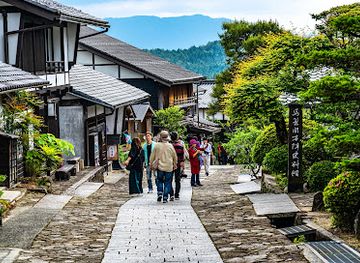
Magomejuku
Step back in time at Magomejuku, a beautifully preserved Edo-era post town on the historic Nakasendo Way in Gifu Prefecture, Japan.
-
Garden
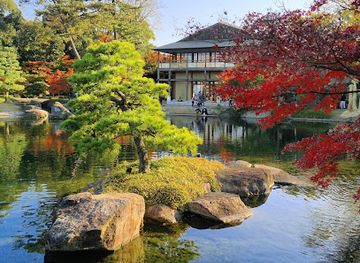
Tokugawa Park
Experience tranquility and history at Nagoya's Tokugawa Garden, a meticulously restored Edo-period landscape showcasing Japanese garden design.
-
Zoo
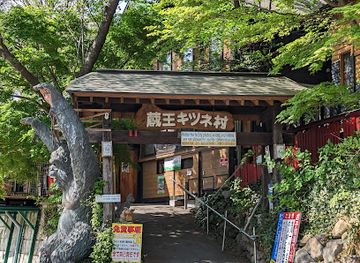
Zaō Fox Village
Meet over 100 free-roaming foxes at this unique village in the mountains of Miyagi. A must-see for animal lovers!
-
Park
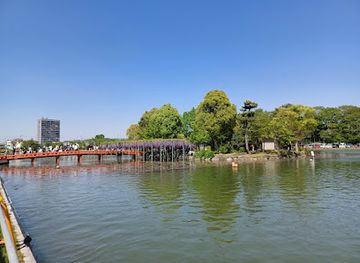
Tennogawa Park
Discover seasonal beauty at Tennogawa Park in Tsushima, Aichi: wisteria, cherry blossoms, and tranquil waters await in this historical oasis.
Best landmarks in Owari
Nagoya Castle is Owari’s most recognisable historic landmark, its broad moats, stone walls and golden roof ornaments reflecting the power of the Owari Tokugawa domain; the surviving stonework is particularly significant even where buildings have been reconstructed. Atsuta-jingu provides a contrasting landmark landscape of ancient-looking forest, shrine avenues and major Shinto associations within the southern city. Inuyama Castle occupies a dramatic position above the Kiso River and is one of Japan’s oldest surviving medieval castle keeps, making its compact timber structure especially important. The old streets below it retain the scale of a castle town, with merchant buildings and festival traditions. Kiyosu Castle, although a modern reconstruction, marks a site of major significance in Owari’s unification history. Seto’s ceramic heritage is expressed through kiln landscapes and specialist architecture, while Tokoname’s pottery promenade, old climbing kilns and enormous ceramic vessels give the Chita Peninsula a distinctive industrial and cultural silhouette.
-
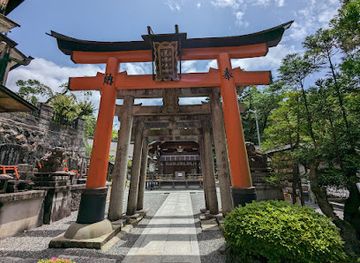
Shinto shrine
Fushimi Inari Taisha
Discover the spiritual heart of Kyoto at Fushimi Inari Taisha, famed for its stunning torii gates and serene hiking trails
-
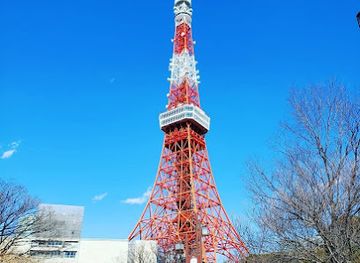
Observation deck
Tokyo Tower
Experience breathtaking views and cultural charm at Tokyo Tower, an iconic landmark representing Japan's modern heritage and artistic spirit.
-
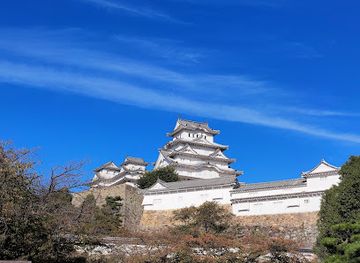
Castle
Himeji Castle
Discover the grandeur of Himeji Castle, a stunning UNESCO World Heritage site showcasing Japan's feudal history and architectural beauty.
-
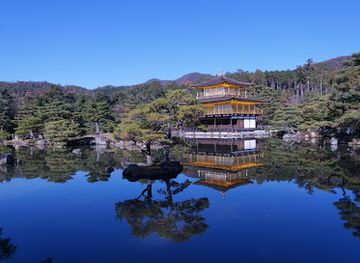
Buddhist temple
Kinkaku-ji
Discover the breathtaking beauty of Kinkaku-ji, Kyoto's Golden Pavilion, a UNESCO World Heritage site and a symbol of Japan's rich cultural heritage.
Explore Owari on the map
Plan your trip on one map. See where the top cities, national parks and sights are, and book hotels and experiences in a few clicks.
Best hotels in Owari
Best restaurants in Owari
Owari’s food identity is closely associated with Nagoya-meshi, the group of dishes developed or especially popular in the Nagoya area. Local menus commonly feature miso katsu, pork cutlet with a sweet-red miso sauce; tebasaki chicken wings; kishimen, broad flat noodles; and hitsumabushi, grilled eel served in stages with seasonings and broth. Miso-based cooking reflects the wider central Japanese taste for robust fermented flavours, while eel restaurants draw on the region’s long relationship with river and inland-water foodways. Cafés and kissaten offer a distinctly local breakfast culture, often with toast and a small accompaniment included with a morning drink. Inuyama’s old town has traditional sweets and compact eateries, while Seto and Tokoname combine cafés with pottery shopping. Department-store food halls, markets and specialist restaurants in Nagoya are useful places to compare regional products, including pickles, noodles, confectionery and locally made miso.
-
Restaurant
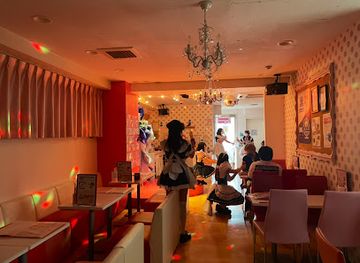
Maidcafe Maidreamin Akihabara idol-dori Store
Discover the enchanting world of Maidreamin Akihabara – where delicious cuisine meets captivating maid performances.
-
Restaurant
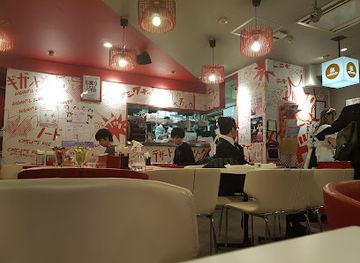
Maidreamin Akihabara Sotokanda 1-Chome Store
Discover Maidreamin Akihabara: A unique cosplay café where culinary delights meet playful entertainment in Tokyo's vibrant heart.
-
Soba noodle shop
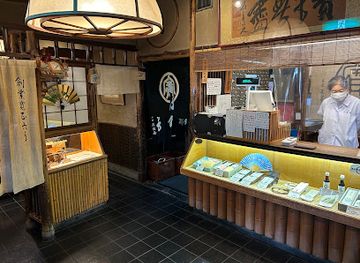
Honke Owariya Main Branch
Experience authentic Kyoto flavors at Honke Owariya Main Branch - renowned for its handcrafted soba noodles and traditional Japanese sweets.
-
Soba noodle shop
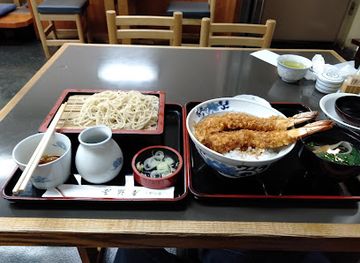
Owariya
Discover authentic soba noodles at Owariya in Asakusa - where tradition meets taste in every bowl.
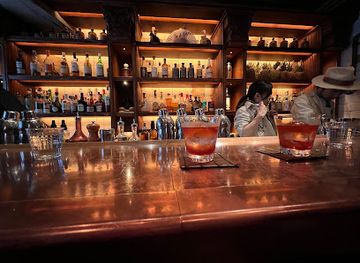
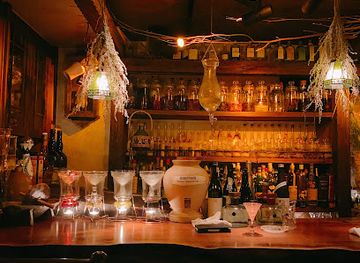
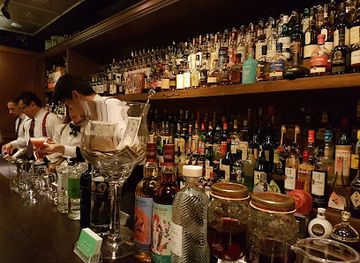
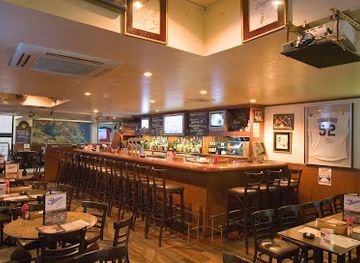
Best bars in Owari
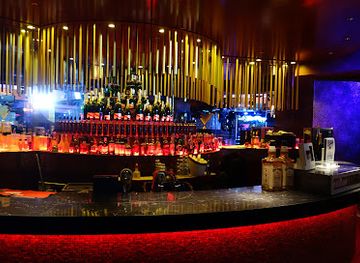
Nightlife in Owari is concentrated in central Nagoya, particularly around the Sakae, Fushimi and Nagoya Station areas, where visitors find izakaya, cocktail bars, live-music rooms, karaoke and late-opening restaurants. Sakae has the broadest choice of evening entertainment, while Fushimi combines bars and dining with a more office-district character. Nagoya’s established entertainment districts are urban rather than sprawling, and many venues occupy upper floors of buildings, so clear signage and a quick check of prices are sensible before entering. Outside the city, evening life is quieter and centres on local izakaya, dining rooms, breweries and traditional pubs rather than large clubs. Inuyama can be pleasant after the day-trippers leave, with a limited selection of restaurants and bars near the old town. Seto and Tokoname are primarily daytime craft destinations, although some cafés and restaurants remain open into the evening.
-
Bar
The SG Club
Discover the vibrant cocktail scene at The SG Club in Shibuya, where creativity meets cozy elegance for an unforgettable nightlife experience.
-
Bar
Bar Benfiddich
Discover the art of mixology at Bar Benfiddich in Shinjuku, Tokyo, where every cocktail is a masterpiece crafted with passion and creativity.
-
Bar
High Five
Experience the best of Tokyo nightlife at High Five, a premier bar in the stylish Ginza district, renowned for its exquisite cocktails and inviting ambiance.
-
Sports bar
Shooters
Discover the ultimate sports bar experience at Shooters in Nagoya, where delicious food and thrilling games come together in a vibrant setting.
Best nightclubs in Owari
Nightlife in Owari is concentrated in central Nagoya, particularly around the Sakae, Fushimi and Nagoya Station areas, where visitors find izakaya, cocktail bars, live-music rooms, karaoke and late-opening restaurants. Sakae has the broadest choice of evening entertainment, while Fushimi combines bars and dining with a more office-district character. Nagoya’s established entertainment districts are urban rather than sprawling, and many venues occupy upper floors of buildings, so clear signage and a quick check of prices are sensible before entering. Outside the city, evening life is quieter and centres on local izakaya, dining rooms, breweries and traditional pubs rather than large clubs. Inuyama can be pleasant after the day-trippers leave, with a limited selection of restaurants and bars near the old town. Seto and Tokoname are primarily daytime craft destinations, although some cafés and restaurants remain open into the evening.
-
Night club
TK
Discover the electrifying energy of TK Nightclub in Shibuya, Tokyo - where unforgettable nights unfold under dazzling lights and infectious rhythms.
-
Night club
V2 TOKYO
Experience the vibrant nightlife of Tokyo at V2, where electrifying music and an upscale atmosphere create unforgettable memories.
-
Night club
Club Camelot Night Club
Discover the exhilarating nightlife at Club Camelot in Shibuya, where electrifying music, stylish ambiance, and unforgettable experiences await.
-
Event venue
club asia
Experience the electric atmosphere of Club Asia, Tokyo’s premier rock music venue, where live performances ignite the night.



Best shops in Owari
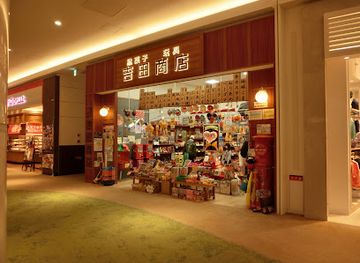
Shopping in Owari ranges from Nagoya’s extensive department stores and underground station arcades to the specialist craft streets of Seto and Tokoname. Central Nagoya is the place for fashion, cosmetics, books, household goods, regional foods and carefully packaged gifts, with major retail concentrated around Nagoya Station and Sakae. For a more local focus, Seto offers ceramic tableware, tea utensils and contemporary studio pieces connected to its long pottery tradition. Tokoname is known for reddish stoneware, teapots, tiles and distinctive ceramic objects, with workshops and galleries spread through its historic kiln district. Inuyama’s old town sells regional sweets, small crafts and souvenirs linked to the castle and local festivals rather than large-scale retail. Food halls and specialist shops are good places to buy miso, noodles, pickles, confectionery and tea, while visitors purchasing ceramics should check airline baggage rules and ask shops about safe packing for international travel.
-
Business park
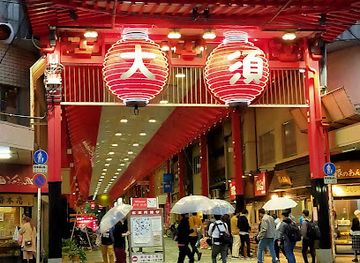
Osu Shōtengai Shopping Street
Discover the heart of Nagoya at Osu Shōtengai Shopping Street, a vibrant mix of shopping, dining, and cultural experiences waiting to be explored.
-
Tourist attraction
Oasis 21
Discover Oasis 21: Nagoya's iconic shopping and entertainment hub showcasing stunning architecture and diverse experiences for every traveler.
-
Shopping mall
mozo Wonder City
Explore mozo Wonder City, a vibrant shopping mall in Nagoya, filled with shops, dining, and entertainment options for all tastes.
-
Shopping mall
Midland Square
Explore Midland Square in Nagoya, a vibrant shopping mall with a range of shops and restaurants, perfect for an unforgettable tourist experience.
Get your free copy of our complete guide to Owari, delivered straight to you.
Everything on this page, from attractions and restaurants to essentials and local phrases, in one PDF you can read offline, print or share.
Already have an account? Sign in
Your Owari guide is ready.
We'll send it to · Not you? Sign out

Getting your guide ready…
We are putting together a fresh copy of the Owari guide. This can take up to a minute.
This can take a few moments. If your browser asks, choose Allow so the download can start. You'll find the guide in your Downloads folder.
Nothing happened? Download it again
Sorry, the guide is taking longer than usual. Please try again in a minute, or get it by email instead.
Owari essentials
Currency and Payment
Safety
Emergency Situations
Do's and Don'ts
Local Tips
From Eve
Local phrases worth knowing
You don't need to get them perfect. A few words go a long way, and locals appreciate the effort.
Basics
| English | Local | Say it |
|---|---|---|
| Hello | こんにちは | [Konnichiwa] |
| Goodbye | さようなら | [Sayōnara] |
| Yes | はい | [Hai] |
| No | いいえ | [Iie] |
| Please/You're welcome | どうぞ | [Dōzo] |
| Thank you | ありがとうございます | [Arigatou gozaimasu] |
| Excuse me/Sorry | ごめんなさい | [Gomen nasai] |
| How are you? | お元気ですか? | [Ogenki desu ka?] |
| Fine. And you? | 元気です。あなたは? | [Genki desu. Anata wa?] |
| Do you speak English? | 英語を話せますか? | [Eigo o hanasemasu ka?] |
| I don't understand | わかりません | [Wakarimasen] |
Eating & Drinking
| English | Local | Say it |
|---|---|---|
| I'd like to see the menu, please | メニューを見せてください | [Menyū o misete kudasai] |
| I don't eat meat | 肉は食べません | [Niku wa tabemasen] |
| Cheers! | 乾杯! | [Kanpai!] |
| I would like to pay, please | お会計をお願いします | [Okaikei o onegaishimasu] |
Emergencies
| English | Local | Say it |
|---|---|---|
| Help! | 助けて! | [Tasukete!] |
| Go away! | どこか行って! | [Doko ka itte!] |
| Call the Police! | 警察を呼んで! | [Keisatsu o yonde!] |
| Call a doctor! | 医者を呼んで! | [Isha o yonde!] |
| I'm lost | 迷いました | [Mayoimashita] |
| I'm ill | 具合が悪いです | [Guai ga warui desu] |
Shopping
| English | Local | Say it |
|---|---|---|
| I'd like to buy... | これを買いたいです... | [Kore o kaitai desu...] |
| I'm just looking | 見ているだけです | [Mite iru dake desu] |
| How much is it? | これはいくらですか? | [Kore wa ikura desu ka?] |
| That's too expensive | それは高すぎます | [Sore wa takasugimasu] |
| Can you lower the price? | 値下げしてもらえますか? | [Nesage shite moraemasu ka?] |
Time & Numbers
| English | Local | Say it |
|---|---|---|
| What time is it? | 今何時ですか? | [Ima nanji desu ka?] |
| It's one o'clock | 1時です | [Ichi ji desu] |
| Half past (10) | 10時半です | [Jū ji han desu] |
| Morning | 朝 | [Asa] |
| Afternoon | 午後 | [Gogo] |
| Evening | 夕方 | [Yūgata] |
| Yesterday | 昨日 | [Kinō] |
| Today | 今日 | [Kyō] |
| Tomorrow | 明日 | [Ashita] |
| 1 | 1 | [Ichi] |
| 2 | 2 | [Ni] |
| 3 | 3 | [San] |
| 4 | 4 | [Shi] |
| 5 | 5 | [Go] |
| 6 | 6 | [Roku] |
| 7 | 7 | [Nana] |
| 8 | 8 | [Hachi] |
| 9 | 9 | [Kyū] |
| 10 | 10 | [Jū] |
Transport & Directions
| English | Local | Say it |
|---|---|---|
| Where's a/the...? | どこに...がありますか? | [Doko ni... ga arimasu ka?] |
| What's the address? | 住所は何ですか? | [Jūsho wa nan desu ka?] |
| Can you show me (on the map)? | 地図で見せてくれますか? | [Chizu de misete kuremasu ka?] |
| When's the next (bus)? | 次の(バス)はいつですか? | [Tsugi no (basu) wa itsu desu ka?] |
| A ticket (to ....) | (...)までのチケット | [(...) made no chiketto] |
History of Owari
Jomon and Yayoi Settlement on the Nobi Plain
The fertile Nobi Plain, shared by Owari and neighbouring parts of Gifu and Mie, supported human settlement from prehistoric times. Archaeological sites record Jomon communities, followed by Yayoi agriculture, wet-rice cultivation and increasingly stratified societies. Rivers such as the Kiso and Shonai shaped settlement patterns but also brought flooding, making water management an enduring concern. Burial mounds and excavated remains around the wider Nagoya and Owari area demonstrate the region’s early connection to the political and cultural developments of central Japan.
Atsuta Shrine and Ancient Owari
Atsuta-jingu in southern Nagoya became one of Japan’s most important Shinto shrines and a major focus of pilgrimage. Its religious prestige was connected to the imperial regalia traditionally associated with the sacred sword Kusanagi-no-Tsurugi. Owari’s position on routes across central Japan reinforced the shrine’s importance, while surrounding settlements developed around agriculture, craft production and transport. Although many visible buildings have been renewed over time, the shrine’s wooded precincts preserve a long religious continuity within the modern city.
Medieval Trade, Warrior Powers and Castle Towns
During the medieval period, Owari’s plains, river routes and connections to the Tokaido and inland routes made it strategically valuable. Warrior families, religious institutions and commercial communities competed for influence, while fortified settlements and market centres grew around transport corridors. Inuyama Castle, established in the sixteenth century in its present historical form, commanded the Kiso River and its approaches. The region’s later castle towns developed from this combination of military geography, river commerce and agricultural wealth.
Oda Nobunaga and the Age of Unification
Owari was the birthplace and early power base of Oda Nobunaga, one of the leaders who transformed Japan during the sixteenth-century wars. The Battle of Okehazama, fought in 1560 just east of present-day Nagoya in what is now a neighbouring part of the city, saw Nobunaga defeat the larger force of Imagawa Yoshimoto and greatly increase his political standing. Kiyosu Castle subsequently became an important centre for Nobunaga and later for Toyotomi Hideyoshi’s political world. Their legacy remains central to Owari’s historical identity.
Tokugawa Rule and the Rise of Nagoya
After the establishment of the Tokugawa shogunate, Tokugawa Ieyasu placed his son Tokugawa Yoshinao in Owari, creating the powerful Owari branch of the Tokugawa family. Nagoya Castle, begun in the early seventeenth century, became the administrative and ceremonial centre of the Owari domain. The castle town expanded through planned streets, merchant districts, temples and waterways. This period also strengthened Owari’s connections with the Tokaido corridor and helped establish the commercial foundations of modern Nagoya.
Ceramics and Regional Craft Industries
Seto’s pottery industry developed over many centuries and became so influential that setomono, literally ‘Seto things’, entered Japanese usage as a broad term for ceramic wares. Tokoname, on the Chita Peninsula, developed its own important ceramic tradition, particularly large storage vessels, pipes and distinctive reddish stoneware. Access to clay, fuel, water transport and expanding urban markets supported these industries. Kilns and workshops adapted to changing technologies, allowing Owari’s ceramic towns to remain significant through the Edo period, industrialisation and the modern craft economy.
Industrialisation, Railways and Modern Nagoya
From the late nineteenth century, railways, port development and manufacturing transformed Owari. Nagoya became a major industrial centre, while engineering, textiles, ceramics and later automobile production reshaped employment and migration. Much of the urban area was heavily damaged during the Second World War, making post-war reconstruction a defining part of its appearance. Museums dedicated to manufacturing, transport and technology now explain this transformation. The region’s continued importance in Japanese industry sits alongside surviving shrines, castle towns and craft districts.
Owari in Photos
Browse through our photo collection highlighting the charm and character of the destination.
Neighbouring regions of Owari
The closest regions to Owari, if you have time for more than one.
-

-

-

-

-


Swipe for more regions
Explore more

Explore more of Japan
Discover the harmony of tradition and modernity in Japan, where ancient temples and cutting-edge technology coexist in perfect balance.
Explore Japan