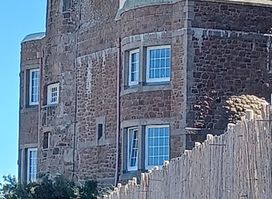
Fort William, Gorey Travel Guide
Explore a historic fortress in Jersey, blending 18th-century design with WWII fortifications. A testament to the island's strategic past.
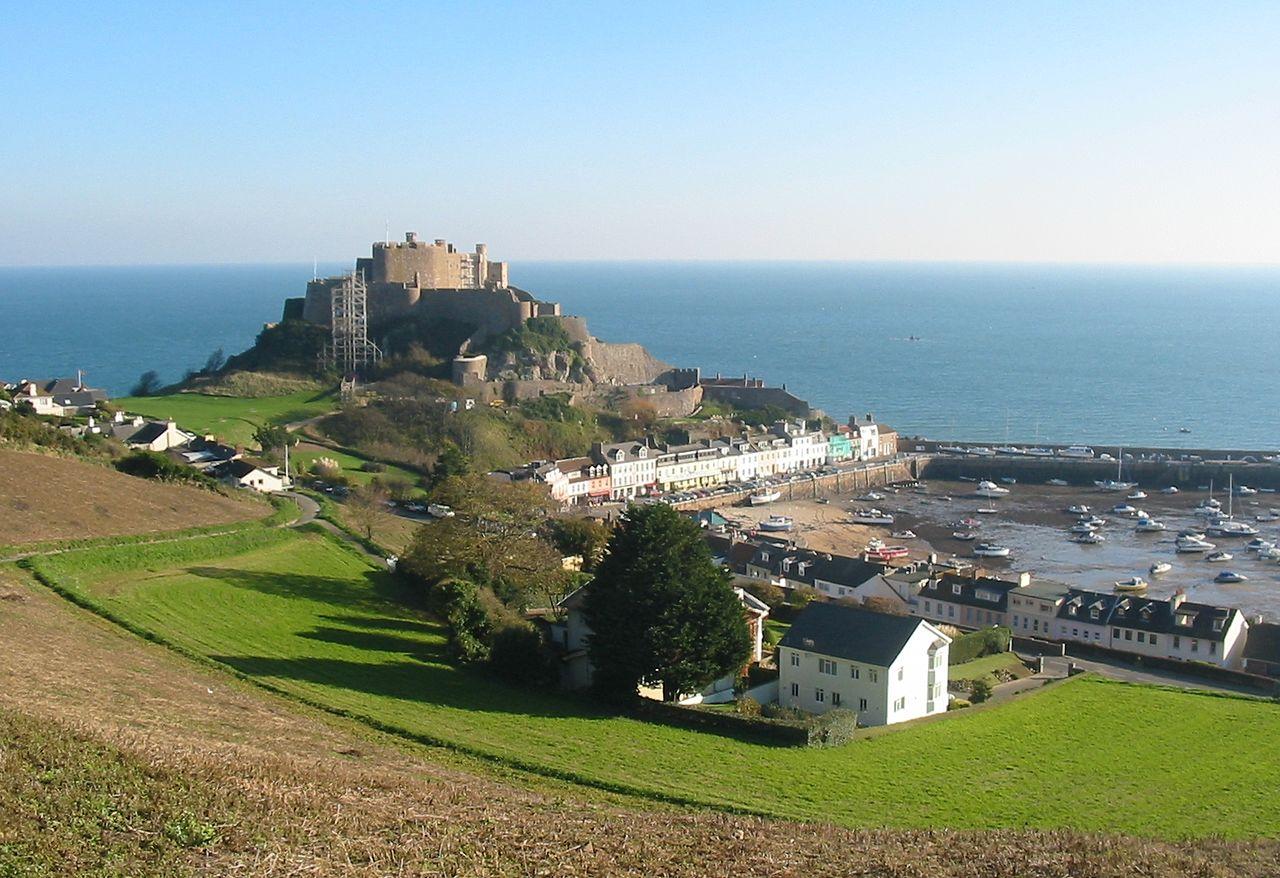
Fort William in Jersey is a historic redoubt dating back to the 1760s, forming part of the island's defensive network. It also incorporates German defensive structures from World War II, reflecting Jersey's strategic importance throughout history. Today, the interior houses a private villa.
A brief summary to Fort William
- Fort William, Union Rd, Jersey, JE

Know before you go
Hi, I'm Eve. Here are a few practical things to know before exploring Fort William.
- While the interior is private, take a walk around the perimeter to appreciate the fort's architecture and strategic location.
- Combine your visit with a trip to nearby Grouville Bay, known for its sandy beach and oyster production.
- Explore other historical sites in the area, such as Mont Orgueil Castle, to delve deeper into Jersey's past.
Do you manage this location?
Take control to get all the benefits, like improved information, better appearance, and stronger visibility across AI-powered discovery. Learn more about listing your business on Evendo
Activate your presenceOther nearby places you may find interesting
The closest places of the same kind, if this one is not quite what you had in mind.

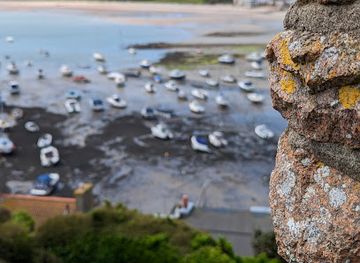
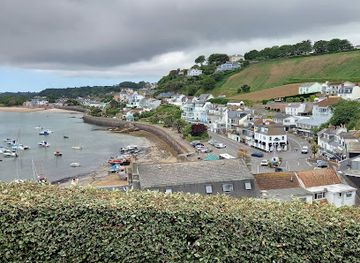

Explore Fort William on the Map
A handpicked selection of must-see spots near Fort William, mapped for you.
Getting There
-
Walking
From Union Road, Fort William is easily accessible on foot. Simply follow Union Road until you reach the fort. The walk offers scenic views of the surrounding area. No costs are associated with walking.
-
Public Transport
Buses operate along routes near Fort William. Check local bus schedules for the closest stop on Union Road. From the bus stop, it's a short walk to the fort. A single bus fare is approximately £2.50.
-
Taxi/Ride-share
Taxis and ride-sharing services are readily available in Jersey. A short taxi ride from Gorey or St. Helier to Fort William will cost approximately £10-£15, depending on traffic and the specific location.
Discover more about Fort William













Your all‑in‑one travel companion app
Explore expert travel guides, compare and book tours, experiences, hotels, and more—all from the palm of your hand. Download now for seamless trip planning wherever your wanderlust takes you.


Explore More of Gorey
Looking beyond Fort William? Discover Gorey for broader travel guides, local hot-spots, and regional highlights.
Explore Gorey