

White Drin Waterfall, Kosovo Travel Guide
Discover the serene beauty and captivating charm of the White Drin Waterfall in Kosovo, an ideal destination for nature lovers and adventurers.
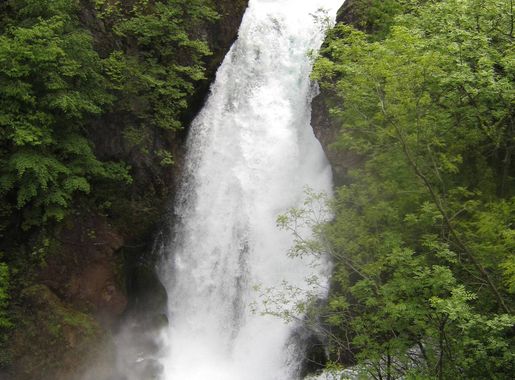
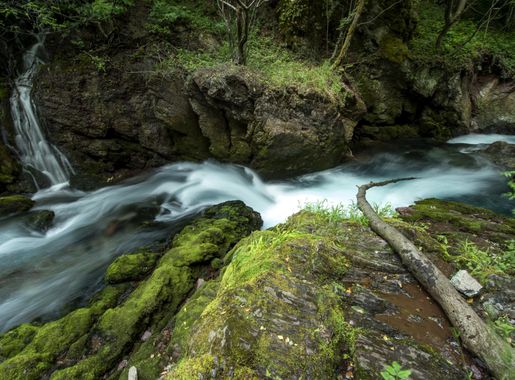
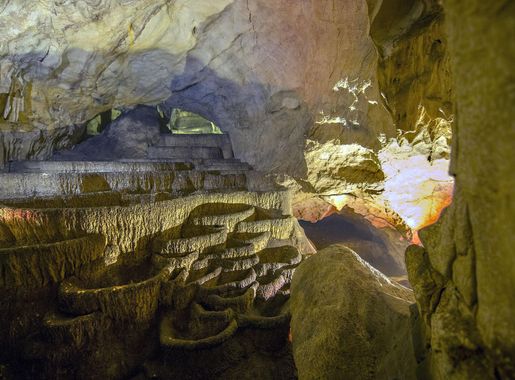
Nestled in the scenic landscapes of Kosovo, the White Drin Waterfall offers a serene escape into nature's splendor. Located near the town of Peja, this natural wonder is easily accessible and promises an unforgettable experience for nature enthusiasts and adventure seekers alike. The waterfall cascades from a height of 25 meters into a clear, tranquil pool, creating a picturesque scene that is both soothing and awe-inspiring. Visitors can enjoy a leisurely walk along well-maintained trails leading to the waterfall, surrounded by lush greenery and the soothing sounds of flowing water. The area is perfect for picnics, photography, and simply soaking in the beauty of the surroundings. The nearby caves and rock formations add an element of mystery and adventure, making it a great spot for exploration and discovery. Whether you're looking to relax and unwind or embark on a thrilling outdoor adventure, the White Drin Waterfall is a must-visit destination in Kosovo. Its natural beauty, combined with the peaceful ambiance, makes it a perfect getaway from the hustle and bustle of everyday life.

Know before you go
Hi, I'm Eve. Here are a few practical things to know before exploring White Drin Waterfall.
- Wear comfortable hiking shoes as the trails can be uneven and slippery, especially after rain.
- Bring a picnic basket to enjoy a meal surrounded by nature, but remember to carry out all your trash.
- Visit early in the morning or late in the afternoon to avoid crowds and enjoy a more peaceful experience.
- Don't forget your camera or smartphone; the waterfall and surrounding scenery offer plenty of photo opportunities.
- Check the weather forecast before your visit to ensure a pleasant experience, as the area can be less enjoyable during heavy rain.

Best restaurants in White Drin Waterfall
Top-rated picks
Best Restaurants

Trofta e Drinit
Experience exquisite dining surrounded by breathtaking waterfalls at Trofta e Drinit - where nature meets culinary excellence.

ANËS DRINIT
Experience authentic Kosovar cuisine at ANËS DRINIT in Peja – where tradition meets flavor in every dish.

Vala e Drinit
Discover delightful local flavors amidst breathtaking landscapes at Vala e Drinit - where nature meets culinary excellence.

n’Dri t’Bardhë
Discover the flavors of Kosovo at n’Dri t’Bardhë in Pejë - where tradition meets modern culinary art.

Best shops in White Drin Waterfall
Top-rated picks
Best Shops

White Drin Waterfall
Explore the breathtaking White Drin Waterfall, a stunning nature preserve in Kosovo, perfect for nature lovers and adventure seekers alike.

Radaci Cave
Explore the stunning Radaci Cave, a natural wonder with breathtaking formations and serene surroundings, perfect for adventurers and nature enthusiasts.

بقالة
Discover the local flavors and vibrant culture at Baqala, your essential supermarket stop in Radac, Kosovo.

Explore White Drin Waterfall on the Map
A handpicked selection of must-see spots in White Drin Waterfall, mapped for you.
White Drin Waterfall Essentials
-
White Drin Waterfall, also known as Drini i Bardhë, is located near the town of Peja in western Kosovo. The nearest airport is Pristina International Airport, approximately 85 kilometers away. From Pristina, you can take a bus or a taxi to Peja, which typically takes around 1.5 to 2 hours. Once in Peja, the waterfall is about a 20-minute drive away. You can hire a taxi or use local transportation to reach the site.
-
In Peja, you can use local buses, taxis, or car rentals to get around. Taxis are relatively inexpensive and can be found easily. For those who prefer public transportation, buses frequently run between major towns and cities. Renting a car offers the flexibility to explore the surrounding areas at your own pace, including the nearby Rugova Canyon and other natural attractions.
-
The official currency in Kosovo is the Euro (EUR). Credit and debit cards are widely accepted in hotels, restaurants, and larger shops in Peja. However, it is advisable to carry some cash, especially when visiting smaller establishments or rural areas. ATMs are available in Peja where you can withdraw Euros.
-
Peja and the area around White Drin Waterfall are generally safe for tourists. However, like any travel destination, it is important to take standard precautions. Avoid walking alone at night in unfamiliar areas and keep an eye on your belongings in crowded places. Petty theft can occur, so always be vigilant and aware of your surroundings.
-
In case of an emergency, dial 112 for immediate assistance. Peja has a local police station and medical facilities available. It is recommended to have travel insurance that covers medical emergencies. Pharmacies are available in Peja where you can purchase over-the-counter medications for minor health issues.
-
Fashion: Do dress modestly, particularly when visiting religious sites. Avoid wearing overly revealing clothing. Religion: Do respect local customs and traditions. When visiting mosques or other religious sites, dress conservatively and remove your shoes before entering. Public Transport: Do be respectful and offer your seat to elderly passengers. Don't eat or drink on public transport. Greetings: Do greet people with a handshake. A friendly smile and a nod are also common. Eating & Drinking: Do try local dishes and accept food and drink offerings graciously. Don't refuse hospitality, as it is considered impolite.
-
To experience White Drin Waterfall like a local, consider visiting early in the morning to avoid the crowds and enjoy the serenity. Engage with locals, who are often friendly and willing to share stories about the area. Don't miss the opportunity to explore the nearby Rugova Canyon, which offers stunning views and excellent hiking trails. Additionally, tasting local delicacies at traditional restaurants in Peja will enrich your visit.
When is the best time to visit White Drin Waterfall?
Useful Local Phrases for White Drin Waterfall
You don't need to speak the language perfectly. Even learning a few simple words can make conversations warmer—and locals usually appreciate the effort.
— Eve

Here are the phrases I use most often in White Drin Waterfall. Try a few—you'll be surprised how far they go! 😊
❤️
-
- HelloTungjatjeta
[toon-jah-tyeh-tah] - GoodbyeMirupafshim
[mee-roo-pahf-sheem] - YesPo
[poh] - NoJo
[yoh] - Please/You're welcomeJu lutem
[yoo loo-tehm] - Thank youFaleminderit
[fah-leh-meen-deh-reet] - Excuse me/SorryMë falni
[muh fahl-nee] - How are you?Si jeni?
[see yeh-nee?] - Fine. And you?Mirë. Dhe ju?
[mee-ruh. thuh yoo?] - Do you speak English?Flisni anglisht?
[flees-nee ahng-leesht?] - I don't understandNuk kuptoj
[nook koop-toy]
- HelloTungjatjeta
-
- I'd like to see the menu, pleaseDo të doja të shikoja menunë, ju lutem
[doh tuh doh-yah tuh shee-koh-yah meh-noo-nuh, yoo loo-tehm] - I don't eat meatUnë nuk ha mish
[oo-nuh nook hah meesh] - Cheers!Shëndeti!
[shuhn-deh-tee] - I would like to pay, pleaseDo të doja të paguaja, ju lutem
[doh tuh doh-yah tuh pah-gwah-yah, yoo loo-tehm]
- I'd like to see the menu, pleaseDo të doja të shikoja menunë, ju lutem
-
- Help!Ndihmë!
[ndee-muh!] - Go away!Shko larg!
[shkoh lahrg!] - Call the Police!Thirrni policinë!
[theer-nee poh-lee-tsee-nuh!] - Call a doctor!Thirrni një mjek!
[theer-nee nyuh myek!] - I'm lostJam i humbur
[yahm ee hoom-boor] - I'm illJam i sëmurë
[yahm ee suh-moo-ruh]
- Help!Ndihmë!
-
- I'd like to buy...Do të doja të bleja...
[doh tuh doh-yah tuh bleh-yah] - I'm just lookingUnë vetëm shikoj
[oo-nuh veh-tuhm shee-koy] - How much is it?Sa kushton?
[sah koosh-tohn?] - That's too expensiveKjo është shumë e shtrenjtë
[kyoh uhsh-teh shoo-muh eh shtreh-ny-teh] - Can you lower the price?A mund të zbresni çmimin?
[ah moon-d tuh zbeh-res-nee ch-mee-meen?]
- I'd like to buy...Do të doja të bleja...
-
- What time is it?Sa është ora?
[sah uhsh-teh oh-rah?] - It's one o'clockËshtë një orë
[uhsh-teh nyuh oh-ruh] - Half past (10)Njëzet pas (10)
[nyuh-zet pahs (10)] - MorningMëngjes
[muhn-jes] - AfternoonPasdite
[pahs-dee-teh] - EveningMbrëmje
[mbruhm-yeh] - YesterdayDje
[dyeh] - TodaySot
[soht] - TomorrowNesër
[neh-suh] - 1Një
[nyuh] - 2Dy
[duh] - 3Tre
[treh] - 4Katër
[kah-ter] - 5Pesë
[peh-suh] - 6Gjashtë
[gyahsht] - 7Shtatë
[shtah-tuh] - 8Tetë
[teht] - 9Nëntë
[nuhn-tuh] - 10Dhjetë
[th-yeh-tuh]
- What time is it?Sa është ora?
-
- Where's a/the...?Ku është një/...?
[koo uhsh-teh nyuh/...?] - What's the address?Cila është adresa?
[chee-lah uhsh-teh ah-dreh-sah?] - Can you show me (on the map)?A mund të më tregoni (në hartë)?
[ah moon-d tuh muh troh-goh-nee (nuh hahr-teh)?] - When's the next (bus)?Kur është autobusi i ardhshëm?
[koor uhsh-teh ah-woh-boo-see ee ard-shuhm?] - A ticket (to ....)Një biletë (në ....)
[nyuh bee-leh-tuh (nuh ....)]
- Where's a/the...?Ku është një/...?
History of White Drin Waterfall
-
The White Drin Waterfall, known locally as Ujëvara e Drinit të Bardhë, has roots that stretch back to ancient times. In local folklore, it is said that the waterfall was created by the tears of the nymphs who mourned the loss of their forest. This area has been revered by local tribes for centuries, who believed it was a sacred site blessed by natural spirits.
-
During the period of Ottoman rule in the Balkans, the White Drin region became a strategic location. The Ottomans recognized the waterfall's potential as a source of fresh water and as a natural barrier. They built several structures near the waterfall, including mills and water channels to support the local agrarian economy. Some of these structures, though mostly in ruins, still stand as a testament to that era.
-
In the late 19th and early 20th centuries, the area around the White Drin Waterfall became a gathering point for Albanian intellectuals and nationalists who were part of the Albanian National Awakening. The waterfall's remote location provided a secure meeting place for secret discussions and planning, away from the prying eyes of the Ottoman authorities. It became a symbol of resistance and the struggle for independence.
-
During World War II, the White Drin Waterfall and its surrounding areas saw significant activity as both Axis and Allied forces recognized its strategic importance. The rugged terrain provided a natural hideout for partisan groups fighting against the Axis occupation. Several skirmishes took place in the vicinity, and local folklore is rich with tales of bravery and resistance from this period.
-
In the late 20th century, following the Kosovo War, the White Drin Waterfall emerged as a key attraction for both local and international tourists. Efforts were made to preserve the natural beauty while making the site accessible to visitors. The waterfall and its surroundings have since been developed with pathways, viewing platforms, and informational plaques, making it a centerpiece of Kosovo's burgeoning eco-tourism industry.
Neighbouring destination travel guides
Browse our curated selection of top destinations, scenic points, and must-visit spots in the area.




Your all‑in‑one travel companion app
Explore expert travel guides, compare and book tours, experiences, hotels, and more—all from the palm of your hand. Download now for seamless trip planning wherever your wanderlust takes you.


Explore More of Podgur

Looking beyond White Drin Waterfall? Discover Podgur for broader travel guides, local hot-spots, and regional highlights.
Explore PodgurExplore More of Kosovo
Looking beyond White Drin Waterfall? Discover Kosovo for broader travel guides, local hot-spots, and regional highlights.
Explore KosovoWhite Drin Waterfall in Photos
Browse through our photo collection highlighting the charm and character of the destination.




The Majestic White Drin Waterfall of Kosovo
Nestled in the scenic landscapes of Kosovo, the White Drin Waterfall offers a serene escape into nature's splendor. Located near the town of Peja, this natural wonder is easily accessible and promises an unforgettable experience for nature enthusiasts and adventure seekers alike. The waterfall cascades from a height of 25 meters into a clear, tranquil pool, creating a picturesque scene that is both soothing and awe-inspiring. Visitors can enjoy a leisurely walk along well-maintained trails leading to the waterfall, surrounded by lush greenery and the soothing sounds of flowing water. The area is perfect for picnics, photography, and simply soaking in the beauty of the surroundings. The nearby caves and rock formations add an element of mystery and adventure, making it a great spot for exploration and discovery. Whether you're looking to relax and unwind or embark on a thrilling outdoor adventure, the White Drin Waterfall is a must-visit destination in Kosovo. Its natural beauty, combined with the peaceful ambiance, makes it a perfect getaway from the hustle and bustle of everyday life.