National Museum, Northern Laos Travel Guide
Explore Laos' royal heritage at the National Museum of Luang Prabang, housed in the former Royal Palace, showcasing artifacts and cultural treasures.
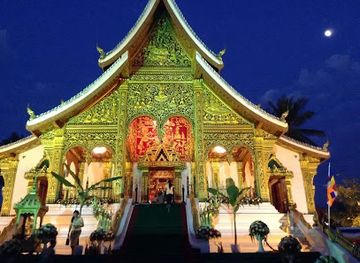
Housed in the former Royal Palace, the National Museum of Luang Prabang offers a glimpse into Laos' royal past. Built in the early 20th century, the museum showcases a blend of traditional Lao and French colonial architectural styles. Explore royal artifacts, religious treasures, and gain insight into Lao history and culture.
A brief summary to National Museum
- 27 Ounheun Rd, Luang Prabang, LA
- Click to display
- Click to display
- Monday 8 am-11:30 am
- Tuesday 8 am-11:30 am
- Wednesday 8 am-11:30 am
- Thursday 8 am-11:30 am
- Friday 8 am-11:30 am
- Saturday 8 am-11:30 am
- Sunday 8 am-11:30 am

Know before you go
Hi, I'm Eve. Here are a few practical things to know before exploring National Museum.
- Dress modestly when visiting the museum; cover shoulders and knees. Lao skirts are available for rent if needed.
- Photography is not allowed inside the museum buildings.
- Remove your shoes before entering the museum.
- Visit during the morning hours to avoid crowds.
Do you manage this location?
Take control to get all the benefits, like improved information, better appearance, and stronger visibility across AI-powered discovery. Learn more about listing your business on Evendo
Activate your presenceOther nearby places you may find interesting
The closest places of the same kind, if this one is not quite what you had in mind.
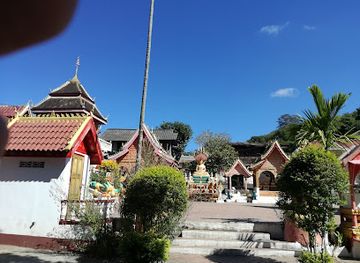
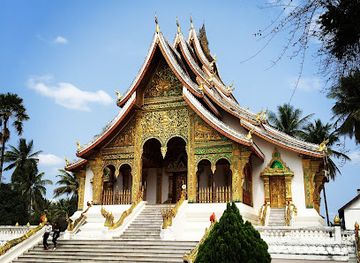

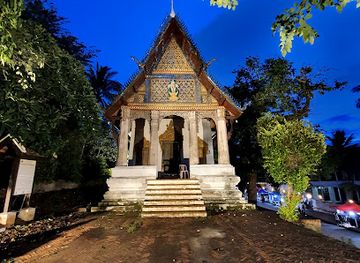
Explore National Museum on the Map
A handpicked selection of must-see spots near National Museum, mapped for you.
Unlock the Best of National Museum
Buy tickets
-
No tickets available
Book tours with entry


Getting There
-
Walking
The National Museum is centrally located in Luang Prabang, making it easily accessible on foot from most hotels and guesthouses in the city center. From the main street (Sisavangvong Road), walk towards Mount Phousi; the museum is located just across the road. No costs involved.
-
Tuk-tuk
Tuk-tuks are readily available throughout Luang Prabang. Negotiate the fare before getting in; a short trip from anywhere in the city center to the National Museum should cost around 20,000 LAK. The ride takes approximately 5-10 minutes.
Discover more about National Museum













Your all‑in‑one travel companion app
Explore expert travel guides, compare and book tours, experiences, hotels, and more—all from the palm of your hand. Download now for seamless trip planning wherever your wanderlust takes you.


Explore More of Northern Laos
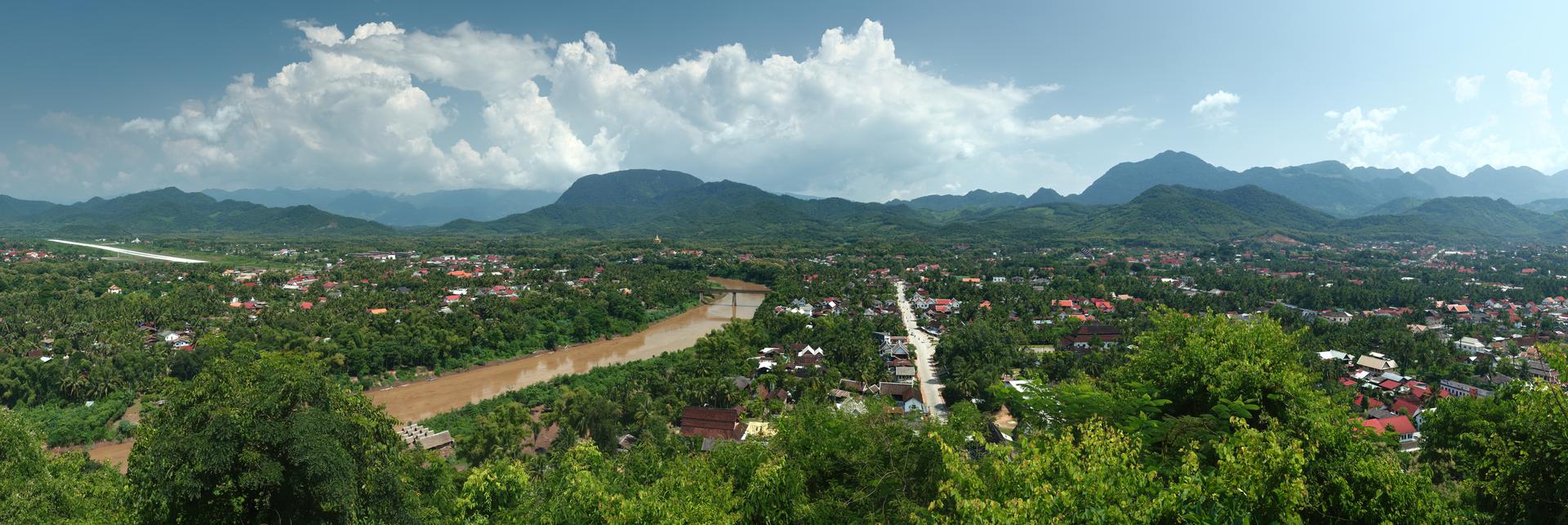
Looking beyond National Museum? Discover Northern Laos for broader travel guides, local hot-spots, and regional highlights.
Explore Northern Laos