

Khammouane Province Travel Guide - Free Web & App
Your ultimate guide to Khammouane Province. Discover top landmarks, proposed trips, and local tips. Free on the web or via the Evendo companion app.


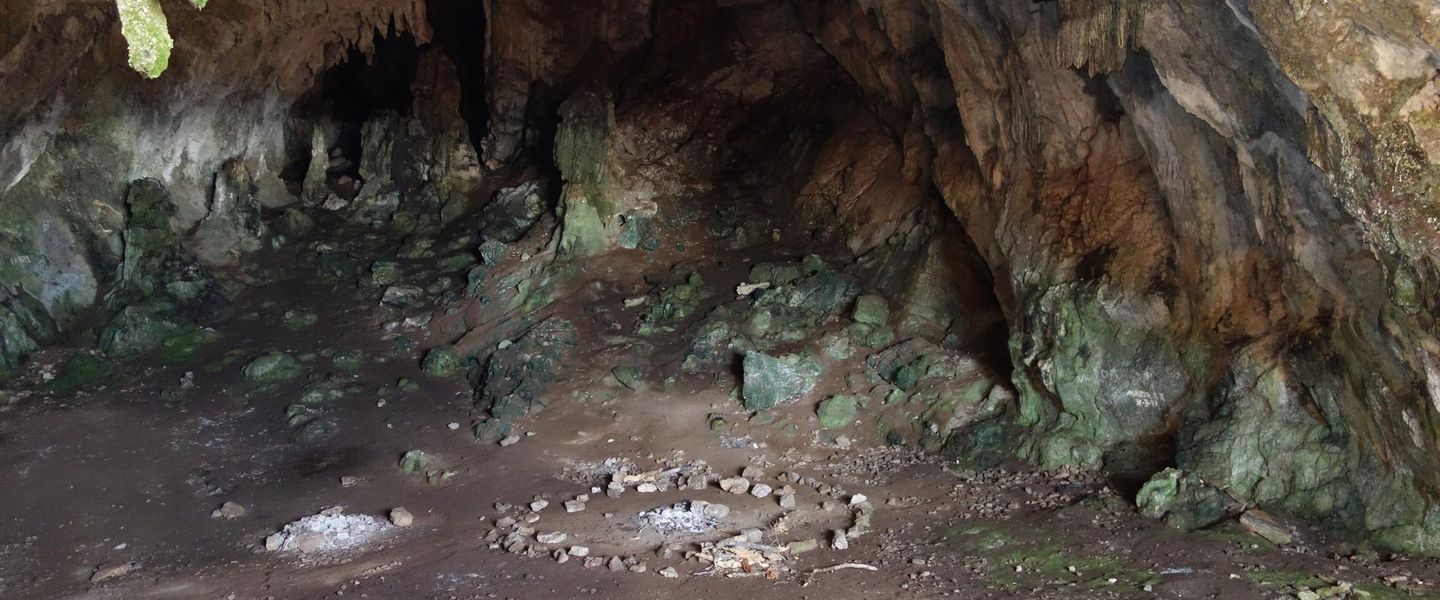


Khammouane Province, Laos, combines Thakhek’s Mekong heritage with karst mountains, Kong Lor Cave, forest trails and remote river landscapes for curious travellers.
Karst Landscapes and River Country
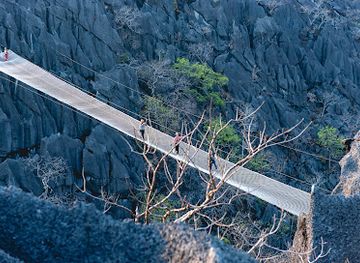
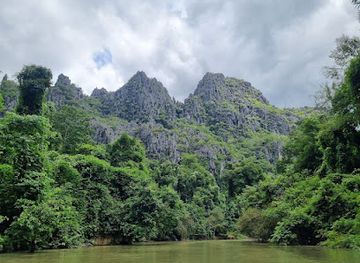
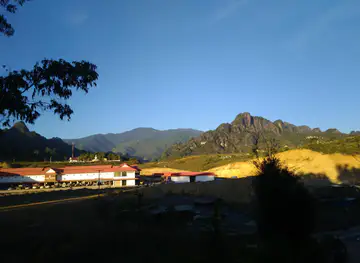
Khammouane Province occupies a broad stretch of central Laos between the Mekong and the Annamite Range, with Thailand lying across the river to the west and Vietnam beyond the mountains to the east. Its landscapes shift from the colonial-era streets of Thakhek and broad Mekong viewpoints to limestone towers, forested valleys, caves and reservoirs. The province is best known for its dramatic karst scenery: pale cliffs rise abruptly from rice fields and woodland, while underground streams have carved some of mainland South-East Asia’s most memorable cave systems.Read more about Khammouane Province
Caves, Forests and Villages
Living Heritage and Conservation
When is the best time to visit Khammouane Province?
Best: December–February · 28–31°C| Month | High (°C) | Rainfall (mm) |
|---|---|---|
| January (best) | 28 | 11 |
| February (best) | 31 | 13 |
| March | 35 | 25 |
| April | 38 | 52 |
| May | 39 | 194 |
| June | 38 | 293 |
| July | 38 | 360 |
| August | 39 | 316 |
| September | 37 | 238 |
| October | 36 | 79 |
| November | 33 | 26 |
| December (best) | 30 | 9 |
Getting to and around Khammouane Province
How to get there
Transportation
Best attractions in Khammouane Province
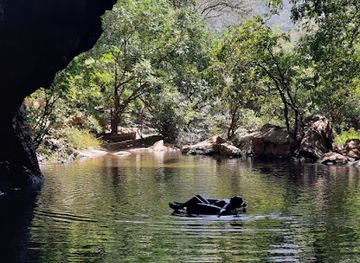
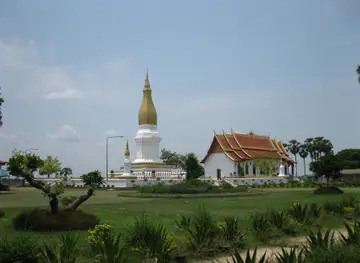
Khammouane’s principal attractions range from the riverside character of Thakhek to the limestone landscapes of its interior. The Thakhek Loop leads through karst country, villages and rural roads towards caves and viewpoints, with Kong Lor Cave in Phou Hin Poun National Protected Area as its defining experience: local boats travel along an underground river through a long natural tunnel. Tham Pha Chan offers another cave and karst setting, while the Buddha Cave, or Tham Pha Pa, is associated with a collection of Buddhist images in a forested limestone environment. Around Thakhek, Wat Pha That Sikhottabong provides a significant religious and cultural visit beside the Mekong. Further north-east, the Nakai Plateau and Nam Theun landscape offer forest, reservoir and mountain scenery, though facilities and access are more limited than around the province’s established visitor routes.
-
Tourist attraction
Thafalang
Discover the beauty and cultural richness of Thafalang in Xiangliab, an unmissable tourist attraction in Laos.
-
Tourist attraction
Wat Phathat Si Khottabong (ວັດພະທາດສີໂຄດຕະບອງ)
Explore the serene beauty of Wat Phathat Si Khottabong, a stunning Buddhist temple in Thakhek, Laos, rich in culture and spirituality.
-
Tourist attraction
Tham Nang Ene Cave
Explore the stunning Tham Nang Ene Cave in Xiangliab, a natural wonder filled with breathtaking rock formations and rich biodiversity.
-
Tourist attraction
Xieng Liap Cave
Explore the enchanting Xieng Liap Cave in Xiangliab, where nature's beauty meets adventure in a stunning natural landscape.
Best landmarks in Khammouane Province
Khammouane’s landmarks are defined above all by limestone, water and the cultural sites that occupy this border province. Kong Lor Cave is the best-known natural landmark, a long subterranean passage through which the Hinboun River flows beneath the karst. The towers and wooded valleys of Phou Hin Poun form a wider geological setting of sinkholes, caves and cliffs, while the Mekong provides Thakhek with its defining western horizon. Wat Pha That Sikhottabong is an important Buddhist landmark near the river and a focus of local religious life. The Buddha Cave, or Tham Pha Pa, adds a sacred dimension to the province’s karst environments, where natural chambers and forested hills have long been connected with worship. In the north-east, the Nakai Plateau and Nam Theun watershed represent a contrasting landmark landscape of upland forest, reservoirs and mountain drainage.
-
Tourist attraction
The Rock Viewpoint
Experience breathtaking views and thrilling adventures in one of Asia's largest limestone forests at The Rock Viewpoint in Laos.
-
National park
Phou Hin Poun National Bio-Diversity Conservation Area
Discover Laos' hidden gem: Explore karst landscapes, caves, and wildlife in Phou Hin Poun National Bio-Diversity Conservation Area.
-
Tourist attraction
Kong Lor Cave
Discover the beauty in the dark: Explore the depths of Kong Lor Cave, a Laotian natural wonder by boat.
-
Place of worship
That Ing Hang
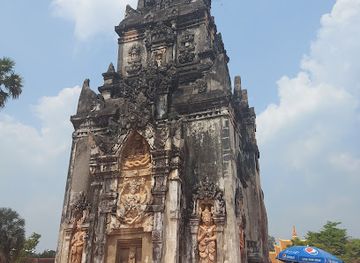
Discover That Ing Hang, a sacred 16th-century stupa in Savannakhet, Laos, blending Lao and Khmer architecture and enshrining Buddhist relics.
Explore Khammouane Province on the map
Plan your trip on one map. See where the top attractions, landmarks, restaurants and hotels are, and book hotels and experiences in a few clicks.
Best hotels in Khammouane Province
Best restaurants in Khammouane Province
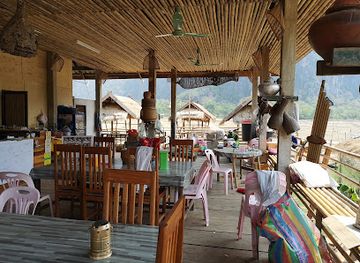
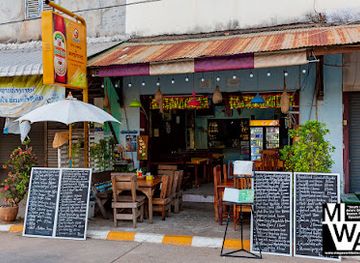
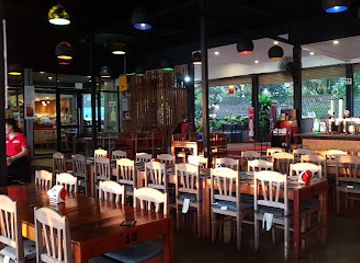
Dining in Khammouane is concentrated in Thakhek and in the larger villages along the principal roads rather than around remote caves and protected landscapes. Lao staples such as sticky rice, grilled meats, herb-rich dishes, noodle soups and spicy jeow are widely encountered, while Mekong fish and locally grown vegetables reflect the province’s river and farming economies. Thakhek’s markets and modest restaurants are the best places to look for everyday Lao food, fresh produce and informal breakfasts, with snacks and simple meals also available along well-travelled routes when local businesses are operating. Around Kong Lor and other rural attractions, food is more likely to be provided by guesthouses or village households than by a large restaurant scene, so travellers should carry provisions and confirm meal arrangements before heading into the countryside.
-
 Restaurant
SpringRiver Resort & Restaurant
Experience tranquility at SpringRiver Resort & Restaurant - where delicious food meets breathtaking nature in Khammouane Province, Laos.
-
Restaurant
the best one Restaurant Konglor cave
Experience authentic Lao cuisine at Konglor Cave Restaurant, where generous portions meet stunning natural beauty.
-
Restaurant
Song Fang Khong Restaurant
Experience authentic Lao cuisine at Song Fang Khong Restaurant in Thakhek - where tradition meets taste.
-
Restaurant
Sunset Restaurant
Experience exquisite dining at Sunset Restaurant in Thakhek—where every meal comes with breathtaking sunset views over the Mekong.
Best bars in Khammouane Province
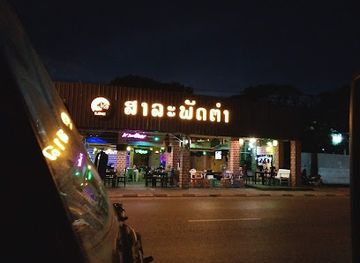
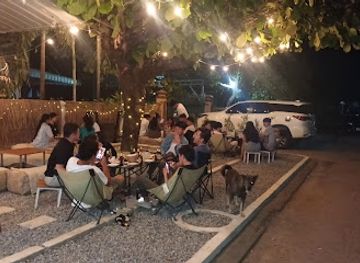
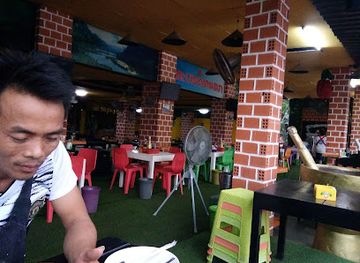
Khammouane has a quiet evening culture rather than a concentrated nightlife scene. Thakhek offers the widest choice of casual beer gardens, cafés, local restaurants and small bars, with evenings often centred on food, conversation and views towards the Mekong rather than late-night clubs. In rural districts, guesthouses and village eateries may provide a simple place to sit after a day on the road, but opening patterns and facilities are limited and can be seasonal. Around Kong Lor and the protected areas, darkness, distance and conservation concerns make evenings principally a time for resting, listening to village life and observing the night sky. Visitors should not expect the range of entertainment found in Vientiane or larger regional cities.
-
Karaoke bar
TonTan
Experience the joy of singing at TonTan, the premier karaoke bar in Thakhek, where every night is a celebration of music and fun.
-
Bar
Memory chillbar
Experience the vibrant atmosphere of Memory Chillbar in Thakhek, where delightful drinks and friendly service create unforgettable memories.
-
Pub
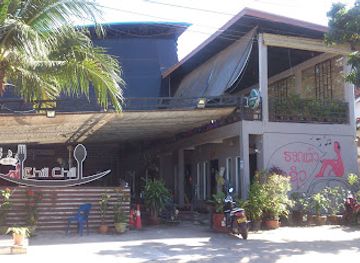
Chill-Chill Restaurant and Bar
Experience the vibrant atmosphere of Chill-Chill Restaurant and Bar in Thakhek, where delicious food meets an exciting nightlife.
-
Bar
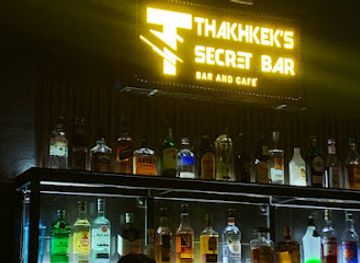
Thakhek’s Secret Bar
Experience the vibrant nightlife at Thakhek’s Secret Bar, serving innovative cocktails and local brews in a cozy and inviting atmosphere.
Best nightclubs in Khammouane Province
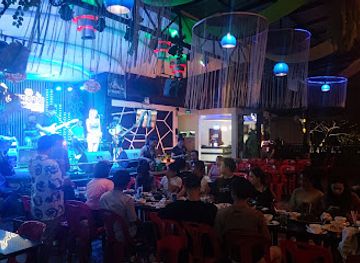
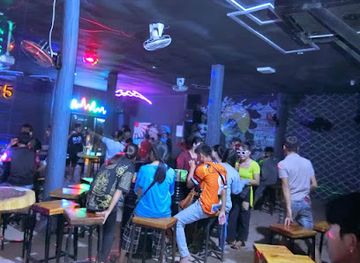
Khammouane has a quiet evening culture rather than a concentrated nightlife scene. Thakhek offers the widest choice of casual beer gardens, cafés, local restaurants and small bars, with evenings often centred on food, conversation and views towards the Mekong rather than late-night clubs. In rural districts, guesthouses and village eateries may provide a simple place to sit after a day on the road, but opening patterns and facilities are limited and can be seasonal. Around Kong Lor and the protected areas, darkness, distance and conservation concerns make evenings principally a time for resting, listening to village life and observing the night sky. Visitors should not expect the range of entertainment found in Vientiane or larger regional cities.
-
Karaoke bar
TonTan
Dive into the vibrant karaoke scene at TonTan, a lively bar in Thakhek where music and fun create unforgettable memories.
-
Night club
ໄວຫວານ Night Clup
Unleash your energy at ໄວຫວານ Night Club, Thakhek's top nightlife destination for an unforgettable party experience.
-
Night club
ຮ້ານ 555 ( five' five' five ) ສະຖານບັນເທິງ ຈຸດສຸມໂນນມີໄຊ
Unleash your night at ຮ້ານ 555, the ultimate night club in Ban Nakè Kao for an electrifying party experience.
-
Night club
ຮ້ານ ຕັ້ງຫລັກ
Discover the heartbeat of Xaybuathong's nightlife at ຮ້ານ ຕັ້ງຫລັກ, where music, culture, and vibrant energy unite.
Best shops in Khammouane Province
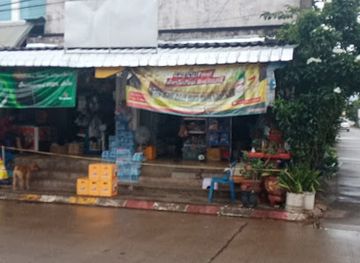
Shopping in Khammouane is modest and practical, with most choices concentrated in Thakhek’s markets, small shops and food stalls. Visitors can look for Lao coffee, dried foods, woven textiles, bamboo items and locally produced snacks, although selection and availability vary rather than following a predictable tourist retail scene. Fresh produce and prepared food offer a direct connection with the province’s farming and river communities, while market visits in Thakhek are useful for provisions before travelling the loop. Rural villages may sell handicrafts or agricultural products at small scale, but travellers should ask permission before photographing makers or entering work areas. Outside Thakhek, retail facilities become sparse, so essential supplies, medicines and cash are best obtained in the provincial capital or larger settlements before heading towards caves and remote protected landscapes.
-
Grocery store
ເອື້ອຍຮົວຫລັກ4
Discover the authentic flavors of Laos at ເອື້ອຍຮົວຫລັກ4, a vibrant grocery store in Thakhek showcasing local products and culture.
-
Grocery store
Malisa Organic Shop
Explore Malisa Organic Shop in Thakhek for a taste of fresh, local produce and authentic Laotian flavors, perfect for health-conscious travelers.
-
Store
Tou R Lom D Shop
Explore the unique offerings of Tou R Lom D Shop in Thakhek, where local craftsmanship and culture come together in a delightful shopping experience.
-
Store
Phitsamay Gold Shop
Explore the beauty of handcrafted gold jewelry at Phitsamay Gold Shop, a treasure trove of exquisite designs in Thakhek, Laos.
Get your free copy of our complete guide to Khammouane Province, delivered straight to you.
Everything on this page, from attractions and restaurants to essentials and local phrases, in one PDF you can read offline, print or share.
Already have an account? Sign in
Your Khammouane Province guide is ready.
We'll send it to · Not you? Sign out

Getting your guide ready…
We are putting together a fresh copy of the Khammouane Province guide. This can take up to a minute.
This can take a few moments. If your browser asks, choose Allow so the download can start. You'll find the guide in your Downloads folder.
Nothing happened? Download it again
Sorry, the guide is taking longer than usual. Please try again in a minute, or get it by email instead.
Khammouane Province essentials
Currency and Payment
Safety
Emergency Situations
Do's and Don'ts
Local Tips
From Eve
Local phrases worth knowing
You don't need to get them perfect. A few words go a long way, and locals appreciate the effort.
Basics
| English | Local | Say it |
|---|---|---|
| Hello | ສະບາຍດີ | [sa baai di] |
| Goodbye | ສະບາຍດີ | [la khon] |
| Yes | ຮິ້ກ | [hi] |
| No | ບໍ່ | [bo] |
| Please/You're welcome | ກະລຸນາ | [ka leo] |
| Thank you | ຂອບໃຈ | [kop jai] |
| Excuse me/Sorry | ຂໍດູ່ຂ້າງ | [kho due khang] |
| How are you? | ໂຊກຕາມາຮີ? | [sok tam hai?] |
| Fine. And you? | ດີຂຶ | [di ke?] |
| Do you speak English? | ເຈົ້າพูดภาษาอังกฤษໄດ້ບໍ? | [jao pud phasa angkrit dai bo?] |
| I don't understand | ຂ້ອຍເຮັດບໍ່ເຕັມ | [khoy het bo tem] |
Eating & Drinking
| English | Local | Say it |
|---|---|---|
| I'd like to see the menu, please | ຂ້ອຍຕ້ອງການເບິ່ງເມືອງກິດຈະກ້າ | [khoy tong kan eng meung kit chak ka] |
| I don't eat meat | ຂ້ອຍບໍ່ເກີນງົວ | [khoy bo ken nu] |
| Cheers! | ຂໍດີ | [kho die] |
| I would like to pay, please | ຂ້ອຍຕ້ອງຈ່າຄ່າ | [khoy tong cha ka] |
Emergencies
| English | Local | Say it |
|---|---|---|
| Help! | ຂື້ນມັນ | [kun man] |
| Go away! | ກັບໄປຫຼາຍ! | [kap pai lai] |
| Call the Police! | ໂທເອີການຕະຫຼາດ! | [tho eek an ta lad] |
| Call a doctor! | ໂທທ່ານທ່ານ! | [tho than than] |
| I'm lost | ຂ້ອຍຊ້າກແຍງ | [khoy sa ngai] |
| I'm ill | ຂ້ອຍມີແຕ່ | [khoy mi tae] |
Shopping
| English | Local | Say it |
|---|---|---|
| I'd like to buy... | ຂ້ອຍຕ້ອງການຊື້... | [khoy tong kan sum...] |
| I'm just looking | ຂ້ອຍກໍເບິ່ງເມືອງ | [khoy ko beng meung] |
| How much is it? | ມັນແມ່ນເງິນແລ້ວ? | [man mai neung laew?] |
| That's too expensive | ມັນເກີນເງິນແລ້ວ | [man ken neung laew] |
| Can you lower the price? | ເຈົ້າບໍ່ແກ້ວຮັບເງິນແລ້ວ? | [jao bo kae wap neung laew?] |
Time & Numbers
| English | Local | Say it |
|---|---|---|
| What time is it? | ເວລາເມື່ອ | [welaa meung] |
| It's one o'clock | ເກີນຊົ່ວ | [ken sou] |
| Half past (10) | ສູງຊົ່ວ | [sung sou] |
| Morning | ເຊິ້ງ | [seung] |
| Afternoon | ສາມາດ | [samat] |
| Evening | ໄລຍາ | [laai na] |
| Yesterday | ມື້ວານ | [me wan] |
| Today | ມື້ນີ້ | [me ni] |
| Tomorrow | ມື້ອື້ | [me eu] |
| 1 | ເທົ່າ | [theo] |
| 2 | ສອງ | [song] |
| 3 | ສາມ | [sam] |
| 4 | ສີ | [see] |
| 5 | ຫ້າ | [ha] |
| 6 | ເຫຼືອ | [hok] |
| 7 | ໂທ | [tho] |
| 8 | ແປວ | [paet] |
| 9 | ເກົ້າ | [kao] |
| 10 | ສິບ | [sip] |
Transport & Directions
| English | Local | Say it |
|---|---|---|
| Where's a/the...? | ຢູ່ຫນາສູນ..? | [yu na sun...?] |
| What's the address? | ທີ່ຢູ່ແລະທີບອນການ? | [ti yu lae ti bon kan?] |
| Can you show me (on the map)? | ເຈົ້າສາມາດຈັດສະແດງຂ້ອຍໄດ້ບໍ? | [jao samat cha sat lae khoy dai bo?] |
| When's the next (bus)? | ມື້ຮັ്കນານັ້ນຫລາຍ..? | [me huk nan lai..?] |
| A ticket (to ....) | ເງິນບໍ່ຕ້ອງການ (...) | [neung bo tong kan (...)] |
History of Khammouane Province
Karst Landscapes and Ancient Waterways
Khammouane’s distinctive scenery was formed over geological timescales as limestone deposits were uplifted and shaped by water, creating the towers, sinkholes, underground passages and river valleys associated with the province today. The Annamite highlands and their western foothills form an important geographical divide between Laos and Vietnam, while the Mekong provides the province’s western boundary. Rivers such as the Hinboun and Nam Theun have helped shape settlement and agriculture, and the extensive cave systems preserve a physical record of the region’s long relationship with water, rock and forest.
Early Communities and Regional Exchange
Long before modern borders, communities in the central Lao uplands and Mekong lowlands used river corridors, valleys and forest routes to move people and goods. Khammouane’s position between the Mekong and the Annamite passes encouraged connections with neighbouring parts of Laos, Thailand and Vietnam. Archaeological and religious sites, including caves used for Buddhist worship, reflect the gradual integration of local landscapes into wider cultural networks. The province’s villages have historically depended on rice cultivation, fishing, livestock and forest resources, with settlement patterns shaped by water availability and the difficult limestone terrain.
Thakhek and the Colonial Frontier
Thakhek developed as an important Mekong-facing settlement during the period of French administration in Laos. Its position opposite the Thai town of Nakhon Phanom made it a useful point for river trade and cross-border communication, while administrative buildings and houses introduced architectural forms associated with French Indochina. The town’s name, commonly translated as ‘guest of the traveller’, reflects its role as a meeting place on a regional route. After independence, Thakhek remained Khammouane’s administrative and commercial centre, with the Mekong continuing to shape its outlook and connections.
War, Roads and Changing Connections
During the Indochina conflicts of the twentieth century, central Laos was affected by military movement, supply routes and aerial warfare, although the experience varied considerably between communities and landscapes. The province’s position near routes leading towards Vietnam gave its mountain and forest areas strategic importance. Later improvements to roads, bridges and cross-border links strengthened Thakhek’s relationship with Thailand and made journeys into the interior more practical. The Third Thai–Lao Friendship Bridge, opened near Thakhek in 2011, further developed the province’s role as a regional gateway without turning its rural interior into an urbanised destination.
Protected Landscapes and Modern Tourism
Conservation became increasingly important as Laos established protected areas to safeguard forests, watersheds, wildlife habitats and karst landscapes. Phou Hin Poun National Protected Area, formerly known as Khammouane Limestone National Biodiversity Conservation Area, contains Kong Lor and other major cave and karst environments. The Nakai-Nam Theun landscape is also associated with forest and watershed protection, alongside the development of the Nam Theun 2 hydropower project and the creation of the Nakai Reservoir. Tourism has grown through the Thakhek Loop, cave visits and community-based experiences, but infrastructure remains uneven and conservation continues to influence access.
Khammouane Province in Photos
Browse through our photo collection highlighting the charm and character of the destination.
Cities in Khammouane Province
The towns and cities of Khammouane Province, and the easiest places to base yourself.
-
-


Swipe for more cities
Neighbouring destination travel guides
The closest destinations to Khammouane Province, if you have time for more than one.
-

-

-

-

-


Swipe for more destinations
Explore more

Explore more of Central Laos
Explore Central Laos for Vientiane’s temples, Vang Vieng’s karst landscapes, Kong Lor Cave and Savannakhet’s Mekong heritage.
Explore Central Laos
Explore more of Laos
Discover Laos: A tranquil escape with breathtaking landscapes, rich culture, and warm hospitality. Perfect for adventure seekers and those craving serene beauty.
Explore Laos