Mekong Travel Guide
Free Guide: Explore the Mekong River: A journey through Southeast Asia's heart, culture, and history. Discover floating markets, ancient temples, and stunning landscapes.


A brief summary of Mekong
Explore the Mekong River: A journey through Southeast Asia's heart, culture, and history. Discover floating markets, ancient temples, and stunning landscapes.
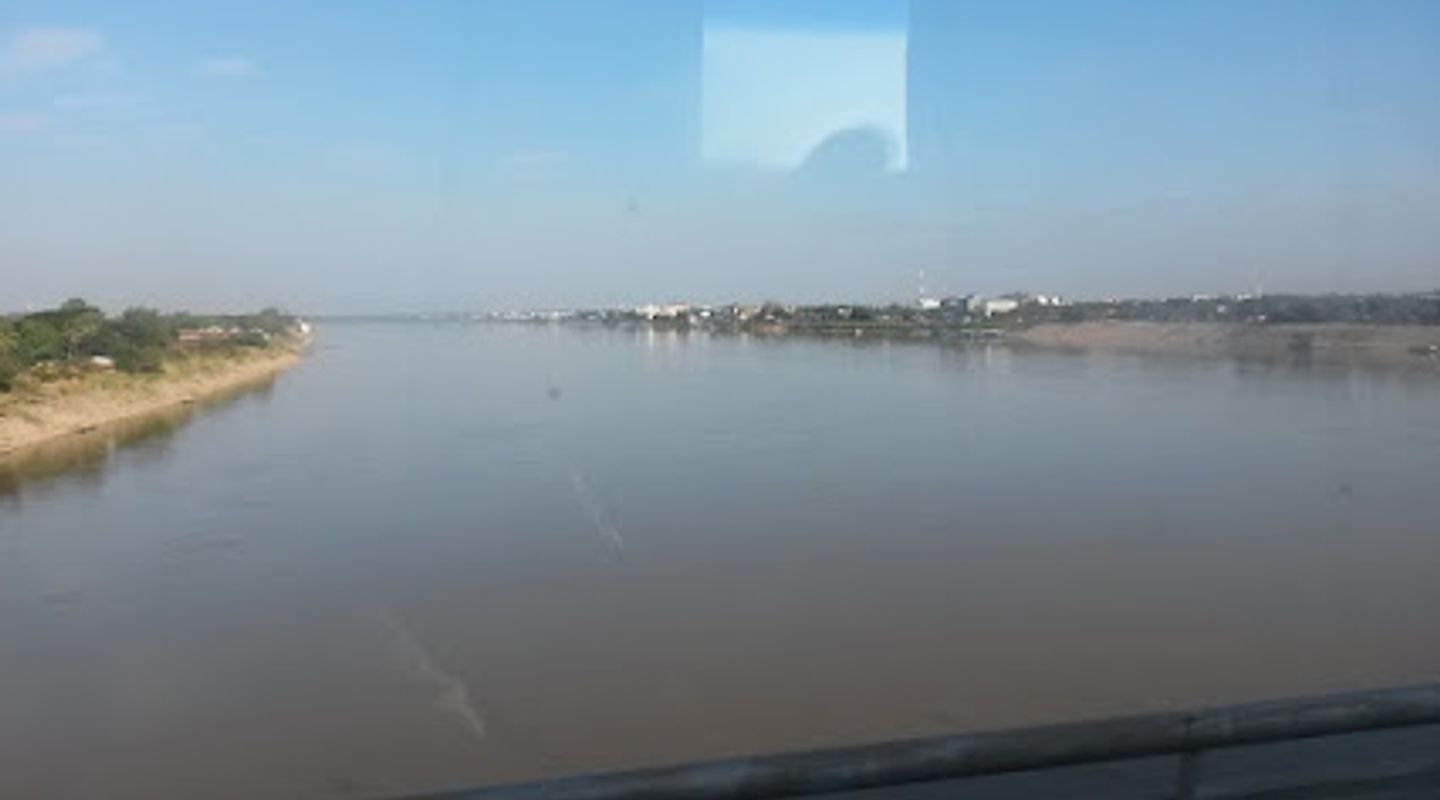
The Mekong River, Southeast Asia's lifeline, stretches over 4,350 km from the Tibetan Plateau through six countries, shaping diverse cultures and ecosystems. It's a vital waterway for trade, agriculture, and fishing, sustaining millions and offering captivating travel experiences through its bustling floating markets and serene landscapes.
- Address
- Mekong
Getting there
Walking
Public Transport
Boat
Discover more about Mekong
Overview
The Mekong River, often called the "Mother of Waters," is a trans-boundary river in Southeast Asia that holds immense historical, cultural, and economic significance. Originating from the Tibetan Plateau, it flows through China, Myanmar, Laos, Thailand, Cambodia, and Vietnam before emptying into the South China Sea.For millennia, the Mekong has served as a vital transportation route, fostering trade and cultural exchange between diverse communities along its banks. The Khmer Empire, known for the Angkor Wat temple complex, relied on the river to transport goods and people across its vast territory. During the colonial period, the Mekong became a strategic point for European powers seeking influence in Southeast Asia.Today, the Mekong River remains a lifeline for millions, providing food, water, and transportation. Its fertile floodplains support agriculture, particularly rice cultivation, earning the Mekong Delta the title of Vietnam's "rice bowl". The river is also home to over 1,200 species of fish, sustaining livelihoods and contributing to the region's economy.Travelers can experience the Mekong through various activities, including cruises that reveal rural villages, floating markets, and temples. Exploring the Mekong Delta offers a glimpse into riverine life, with opportunities to visit floating markets like Cai Rang, ancient houses, and traditional workshops. In Laos, crossing the Mekong provides access to quieter, lesser-visited temples and ethnic villages.However, the Mekong faces challenges such as pollution, overfishing, and dam construction, impacting its flow and ecosystem. Sustainable management and responsible tourism are crucial to preserving this vital resource for future generations.
Evendo Review Centre
 Google
Guest reviews
Explore Mekong on the map
A handpicked selection of must-see spots near Mekong, mapped for you.
Get your free copy of our complete guide to Mekong, delivered straight to you.
Everything on this page, from opening hours and how to get there to Eve’s tips and the best time to go, in one PDF you can read offline, print or share.
Already have an account? Sign in
Your Mekong guide is ready.
We'll send it to · Not you? Sign out

Getting your guide ready…
We are putting together a fresh copy of the Mekong guide. This can take up to a minute.
This can take a few moments. If your browser asks, choose Allow so the download can start. You'll find the guide in your Downloads folder.
Nothing happened? Download it again
Sorry, the guide is taking longer than usual. Please try again in a minute, or get it by email instead.
Other nearby places you may find interesting
The closest places of the same kind, if this one is not quite what you had in mind.
-
-
-
-
-


Swipe for more places
More to explore near Mekong

 Best experiences near Mekong
 Best hotels near Mekong
 Best landmarks near Mekong
 Best attractions near Mekong
 Best shops near Mekong
 Best restaurants near Mekong
 Best bars near Mekong
Do you manage this location?
Take control to get all the benefits, like improved information, better appearance, and stronger visibility across AI-powered discovery.
Explore more
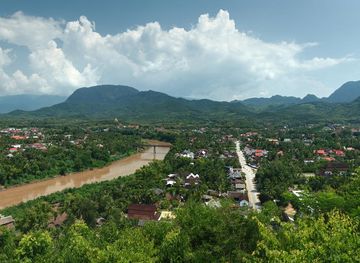
Explore more of Mekong River Valley
Discover the Mekong River Valley in Laos, where breathtaking landscapes, enriched culture, and tranquil river life offer an unforgettable travel experience.
Explore Mekong River Valley
Explore more of Laos
Discover Laos: A tranquil escape with breathtaking landscapes, rich culture, and warm hospitality. Perfect for adventure seekers and those craving serene beauty.
Explore Laos