

Free Mekong River Valley Travel Guide & Mobile App
Explore Mekong River Valley with free travel guides. Discover regional history, expert tips, proposed trips, and audio guides on web or mobile app.


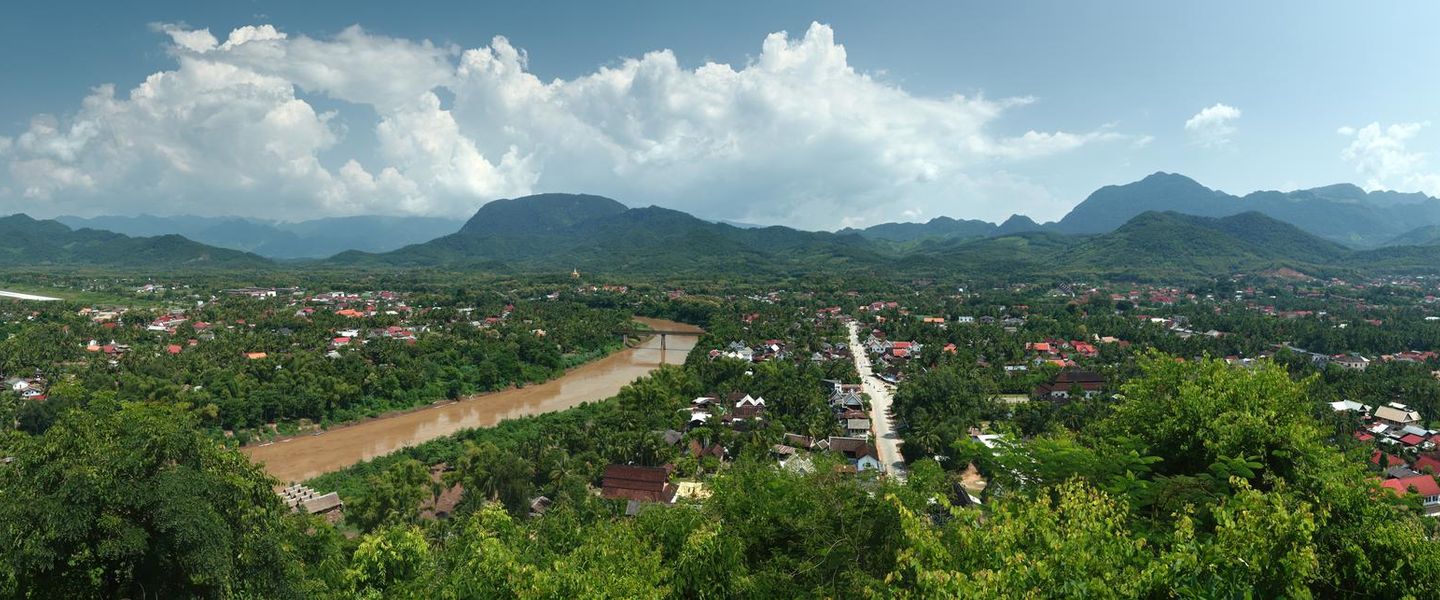


Explore Laos’s Mekong River Valley for Luang Prabang temples, Vientiane heritage, southern islands, river landscapes and distinctive Lao food.
Read more about Mekong River Valley
When is the best time to visit Mekong River Valley?
Best: December–February · 25–28°C| Month | High (°C) | Rainfall (mm) |
|---|---|---|
| January (best) | 25 | 13 |
| February (best) | 28 | 20 |
| March | 32 | 40 |
| April | 34 | 80 |
| May | 34 | 160 |
| June | 33 | 260 |
| July | 32 | 320 |
| August | 32 | 320 |
| September | 31 | 260 |
| October | 30 | 160 |
| November | 28 | 40 |
| December (best) | 25 | 14 |
Getting to and around Mekong River Valley
How to get there
Transportation
Top city travel guides in Mekong River Valley
The cities of Mekong River Valley, and the easiest places to base yourself.

Swipe for more cities
Destinations in Mekong River Valley
Resorts, valleys and scenic spots worth a trip of their own.

Swipe for more destinations
Best attractions in Mekong River Valley
The Mekong River Valley’s attractions range from concentrated heritage districts to working landscapes and river islands. Luang Prabang provides the richest collection of temples, former royal buildings, traditional houses and museums, alongside viewpoints and short excursions along the river. Vientiane offers Buddhist monuments, historic wats, markets and a more urban interpretation of Mekong life. Around Pakse, visitors can combine riverside travel with the old settlement of Champasak and excursions to Wat Phou, whose Khmer sanctuary and processional landscape reflect a much older regional network. In Si Phan Don, the broad river divides into channels around islands where cycling, small-boat trips and observation of seasonal waterfalls replace conventional sightseeing. Markets, weaving workshops, riverside villages and local food stalls are important attractions in their own right, while birdlife, fishing activity and changing water levels reveal the valley as a living environment rather than a string of monuments. Outdoor activities are generally low-key: walking, cycling, boat travel and village visits are more characteristic than formally managed adventure tourism. Visitors should check local conditions before planning river trips, especially during the wet season.
-
Tourist attraction
Pha That Luang Vientiane
Explore the majestic Pha That Luang, the golden symbol of Laos, in Vientiane, a blend of spirituality and rich cultural heritage.
-
Tourist attraction
Chao Anouvong Park
Explore the serene beauty of Chao Anouvong Park in Vientiane, a perfect blend of nature and local culture.
-
Talat Sao Morning Market
Immerse yourself in the local culture at Talat Sao Morning Market, where fresh produce, handicrafts, and delicious street food await in Vientiane.
-
National park
Dong Hua Sao National Bio-Diversity Conservation Area
Explore the breathtaking landscapes and rich biodiversity of Dong Hua Sao National Bio-Diversity Conservation Area, a gem in Laos for nature lovers and adventurers.


Best landmarks in Mekong River Valley
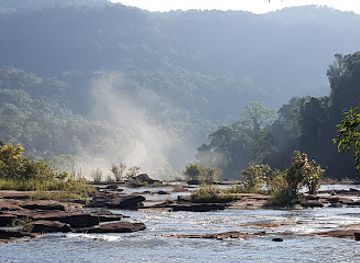
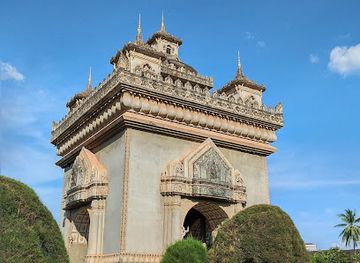
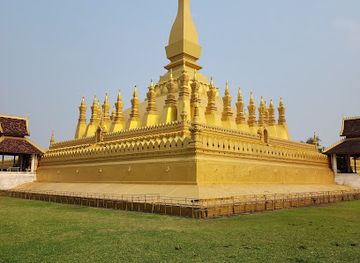
Luang Prabang’s historic peninsula is the valley’s most recognisable urban landmark, defined by the meeting of the Mekong and Nam Khan and a dense group of Buddhist monasteries. Wat Xieng Thong is particularly significant for its long connection with the former royal city, while Mount Phousi provides a prominent central viewpoint. In Vientiane, Pha That Luang is the country’s best-known Buddhist monument and an important symbol of Lao religious and national identity; nearby Patuxai is a twentieth-century civic monument influenced by European triumphal architecture but decorated with Lao motifs. South of Pakse, Wat Phou rises on the lower slopes of the Phou Kao range above the Mekong plain. Its temple complex, reservoirs, processional way and sacred mountain setting belong to the ancient Khmer cultural landscape and form the region’s most important archaeological landmark. Around Si Phan Don, the river itself becomes the defining geographical landmark, widening into a maze of channels around the islands. The remains of the French-era railway and bridge infrastructure on Don Khon also recall early attempts to move goods around the river’s southern rapids.
-
Tourist attraction
Kuang Si Waterfall
Experience the magic of Kuang Si Falls: turquoise waters, lush jungle, and rescued bears await near Luang Prabang, Laos.
-
Monument
Patuxay - Victory Monument
Vientiane's iconic Victory Gate, a blend of Laotian and French architecture, offering panoramic views and a glimpse into Laos' history.
-
Buddhist temple
Pha That Luang Vientiane
Laos' most sacred Buddhist site, Pha That Luang is a gleaming golden stupa and national symbol, believed to enshrine a relic of the Buddha.
-
City park
Chao Anouvong Park
A vibrant Vientiane park honoring King Chao Anouvong, offering history, culture, recreation, and stunning Mekong River views.


Explore Mekong River Valley on the map
Plan your trip on one map. See where the top cities, national parks and sights are, and book hotels and experiences in a few clicks.
Best hotels in Mekong River Valley
Best restaurants in Mekong River Valley
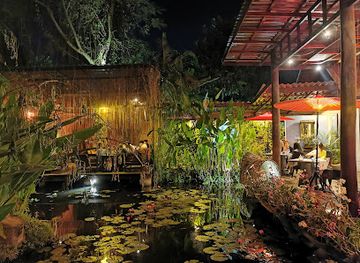
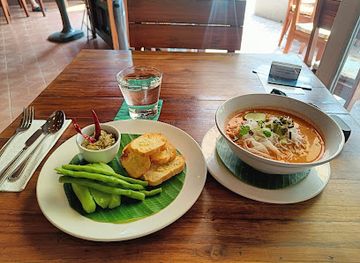
Dining in the Mekong Valley is closely tied to rice, freshwater fish, herbs, vegetables and chilli-based relishes. Sticky rice is a daily staple, usually eaten with the fingers from a shared basket, while grilled river fish, laap, noodle soups, grilled meats and jeow provide variety between locations. Luang Prabang is known for a strong mix of Lao cooking, French-influenced cafés and market food, whereas Vientiane has the broadest choice of restaurants serving Lao, regional Asian and international meals. Pakse and Champasak offer southern Lao flavours, with river fish, grilled dishes and simple rice-based meals prominent; around Si Phan Don, menus are shaped by island produce and small-scale guesthouse kitchens. Bakeries, coffee shops and fresh-fruit stalls are common in larger towns. Farmers’ markets and morning markets are useful places to encounter seasonal ingredients, although food hygiene standards vary, so choose busy stalls with high turnover and drink treated or sealed water.
-
Laotian
Manda de Laos
Discover authentic Laotian flavors at Manda de Laos – a culinary paradise nestled in beautiful Luang Prabang.
-
Restaurant
Dyen Sabai Restaurant
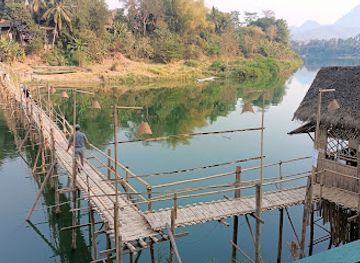
Experience authentic Laotian cuisine with stunning Mekong River views at Dyen Sabai Restaurant in Luang Prabang.
-
Restaurant
BOUANG Asian Eatery
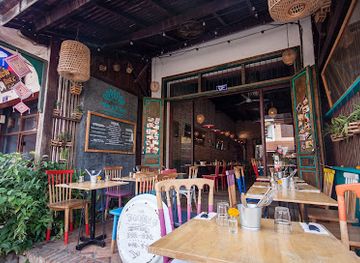
Experience authentic Asian cuisine in Luang Prabang at BOUANG Asian Eatery - where tradition meets flavor in every dish.
-
Laotian
Khaiphaen
Experience authentic Laotian cuisine at Khaiphaen in Luang Prabang—where every dish tells a story.
Best bars in Mekong River Valley
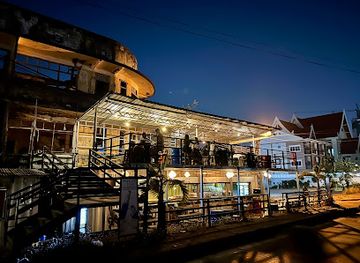
Evening life along the Mekong is generally relaxed rather than club-focused. Luang Prabang has riverside restaurants, hotel bars, cafés and a small selection of evening venues, but noise restrictions and the historic setting give the town a restrained atmosphere. Vientiane has the widest choice, including casual beer gardens, bars, live-music venues, restaurants and a limited number of later-night establishments, with activity concentrated around the central city rather than the entire riverfront. Pakse offers informal bars, cafés and restaurants used by residents, travellers and tour groups, while Champasak and the Four Thousand Islands are quieter, with evenings centred on guesthouses, open-air restaurants and sunset views. Lao beer is widely available, alongside fruit drinks, coffee and spirits, but drinking is not necessary to experience local nightlife. Expect venues and transport options to be more limited in small river communities and to change with tourism seasons.
-
Restaurant
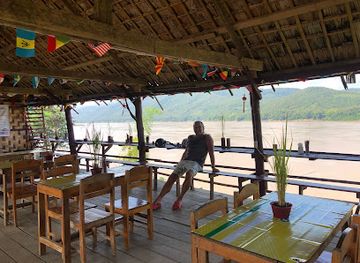
Mekong Café
Experience the flavors of Laos at Mekong Café, where authentic cuisine meets breathtaking river views in Luang Prabang.
-
Bar
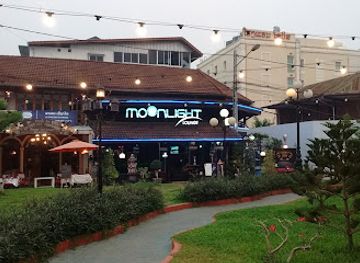
Moonlight Lounge
Experience the vibrant nightlife of Vientiane at Moonlight Lounge, where cocktails, hookah, and live music create unforgettable nights.
-
Bar
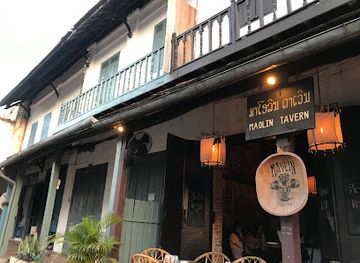
Maolin Tavern
Discover the vibrant spirit of Luang Prabang at Maolin Tavern, where local flavors meet a lively atmosphere for an unforgettable night.
-
Karaoke bar
Fullmoon karaoke
Experience the joy of singing at Fullmoon Karaoke, Luang Prabang's premier karaoke bar where laughter and music unite.

Best nightclubs in Mekong River Valley
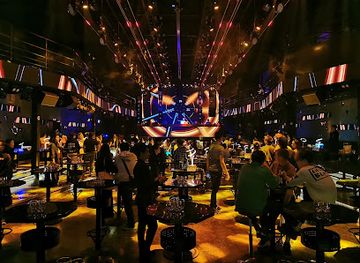
Evening life along the Mekong is generally relaxed rather than club-focused. Luang Prabang has riverside restaurants, hotel bars, cafés and a small selection of evening venues, but noise restrictions and the historic setting give the town a restrained atmosphere. Vientiane has the widest choice, including casual beer gardens, bars, live-music venues, restaurants and a limited number of later-night establishments, with activity concentrated around the central city rather than the entire riverfront. Pakse offers informal bars, cafés and restaurants used by residents, travellers and tour groups, while Champasak and the Four Thousand Islands are quieter, with evenings centred on guesthouses, open-air restaurants and sunset views. Lao beer is widely available, alongside fruit drinks, coffee and spirits, but drinking is not necessary to experience local nightlife. Expect venues and transport options to be more limited in small river communities and to change with tourism seasons.
-
Bar
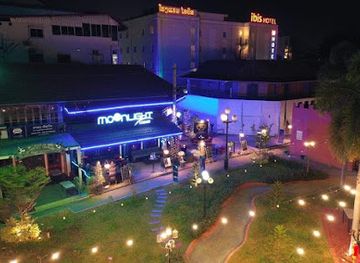
Moonlight Lounge
Discover the vibrant nightlife at Moonlight Lounge in Vientiane, a unique blend of bar, hookah lounge, and restaurant perfect for unforgettable evenings.
-
Hotel
Dao Fa Hotel & club
Discover the charm of Luang Prabang at Dao Fa Hotel & Club, where comfort meets local culture in a vibrant atmosphere.
-
Bar
Laodi Bar Mekong
Discover the vibrant nightlife at Laodi Bar Mekong, where refreshing drinks meet a lively atmosphere in the heart of Vientiane.
-
Night club
Club DPlus
Experience the vibrant nightlife of Vientiane at Club DPlus, where electrifying music and a lively atmosphere create unforgettable evenings.

Best shops in Mekong River Valley
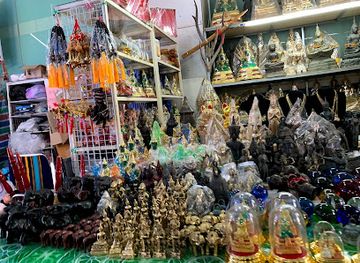
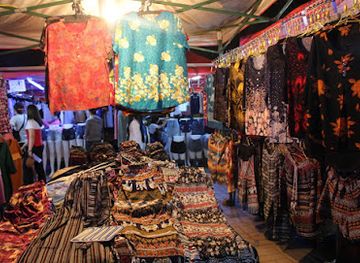
Shopping in the Mekong Valley is strongest in markets, craft streets and independent shops rather than large retail complexes. Luang Prabang has textiles, woven bags, household crafts, paper products, jewellery, ceramics and locally produced foods, with the night market offering a convenient introduction to regional handicrafts; compare quality and ask about materials where provenance matters. Vientiane has the widest retail range, including Lao textiles, galleries, bookshops, food shops and larger modern stores, while its markets are useful for coffee, herbs, snacks and everyday goods. Pakse is a practical place to buy southern Lao coffee and regional produce, with a more functional market atmosphere than Luang Prabang. In Champasak and Si Phan Don, shopping is largely small-scale, centred on woven goods, snacks, handmade souvenirs and produce sold by family businesses. Bargaining may be acceptable in some markets but should remain courteous; antiques, Buddha images, wildlife products and old cultural objects should not be purchased without clear legal provenance and export permission.
-
Shopping mall
Talat Sao Morning Market
Experience the rich culture and flavors of Laos at Talat Sao Morning Market, a vibrant shopping destination in Vientiane.
-
Night market
Vientiane Night Market
Discover the vibrant Vientiane Night Market, where local artisans and delicious street food come together along the stunning Mekong River.
-
Shopping mall
Vientiane Center Lao
Discover Vientiane Center Lao: Your one-stop shopping destination in Vientiane, offering a mix of local and international brands, dining, and entertainment.
-
Shopping mall
ITECC Mall
Explore ITECC Mall in Vientiane: A Shopping Paradise with Diverse Dining and Entertainment Options.


Get your free copy of our complete guide to Mekong River Valley, delivered straight to you.
Everything on this page, from attractions and restaurants to essentials and local phrases, in one PDF you can read offline, print or share.
Already have an account? Sign in
Your Mekong River Valley guide is ready.
We'll send it to · Not you? Sign out

Getting your guide ready…
We are putting together a fresh copy of the Mekong River Valley guide. This can take up to a minute.
This can take a few moments. If your browser asks, choose Allow so the download can start. You'll find the guide in your Downloads folder.
Nothing happened? Download it again
Sorry, the guide is taking longer than usual. Please try again in a minute, or get it by email instead.
Mekong River Valley essentials
Currency and Payment
Safety
Emergency Situations
Do's and Don'ts
Local Tips
From Eve
Local phrases worth knowing
You don't need to get them perfect. A few words go a long way, and locals appreciate the effort.
Basics
| English | Local | Say it |
|---|---|---|
| Hello | ສະບາຍດີ | [sabaidee] |
| Goodbye | ລາກ່ອນ | [laakon] |
| Yes | ແມ່ນ | [maen] |
| No | ບໍ່ | [bo] |
| Please/You're welcome | ກະລຸນາ | [kaluna] |
| Thank you | ຂອບໃຈ | [khob chai] |
| Excuse me/Sorry | ຂໍອະໄພ | [kho apai] |
| How are you? | ເຈົ້າສະບາຍດີບໍ? | [jao sabaidee bo?] |
| Fine. And you? | ສະບາຍດີ, ແລະເຈົ້າລະ? | [sabaidee, lae jao la?] |
| Do you speak English? | ເຈົ້າສຽງອັງກິດແມ່ນບໍ? | [jao siang angkit maen bo?] |
| I don't understand | ຂໍອະໄພ, ຂໍເວົ້າບໍ່ເຂົ້າໃຈ | [kho apai, kho vao bo khao jai] |
Eating & Drinking
| English | Local | Say it |
|---|---|---|
| I'd like to see the menu, please | ຂໍເບິ່ງເມນູ, ກະລຸນາ | [kho behng menu, kaluna] |
| I don't eat meat | ຂໍອະໄພ, ຂໍບໍ່ກິນເເນື້ອ | [kho apai, kho bo kin neu] |
| Cheers! | ສຸດສົດ! | [sud sod] |
| I would like to pay, please | ຂໍໃຊ່ເງິນ, ກະລຸນາ | [kho sai ngin, kaluna] |
Emergencies
| English | Local | Say it |
|---|---|---|
| Help! | ຊ່ວຍ! | [sua] |
| Go away! | ໄປໄກ! | [pai kai] |
| Call the Police! | ໂທສະຖານທີ່ຕຳລອດ! | [tho sathani thim tamlot] |
| Call a doctor! | ໂທຄອບໂທທໍ! | [tho khob tho thok] |
| I'm lost | ຂໍອະໄພ, ຂໍຫາບໍ່ເພາະ | [kho apai, kho ha bo phe] |
| I'm ill | ຂໍອະໄພ, ຂໍແບບລັດ | [kho apai, kho baeb lat] |
Shopping
| English | Local | Say it |
|---|---|---|
| I'd like to buy... | ຂໍເຊື່ອງ... | [kho seuang...] |
| I'm just looking | ຂໍອະໄພ, ຂໍເບິ່ງຢູ່ | [kho apai, kho behng yu] |
| How much is it? | ລາຄາເທົ່າໃດ? | [lakhakhao dai?] |
| That's too expensive | ນັ້ນແພງແກ່ໄປ | [nan paeng kae pai] |
| Can you lower the price? | ເຈົ້າສາມາດລົດລາຄາໄດ້ບໍ? | [jao sa maht lot lakhakhao dai bo?] |
Time & Numbers
| English | Local | Say it |
|---|---|---|
| What time is it? | ເປັນແບບໃດ? | [pen baeb dai?] |
| It's one o'clock | ເປັນແບບໜຶ່ງ | [pen baeb nueng] |
| Half past (10) | ຮອດເທົ່າໃດ? | [hod taokhao dai?] |
| Morning | ເຊົ້າ | [sao] |
| Afternoon | ຕອນບ່າຍ | [ton bai] |
| Evening | ຕອນກາງຄືນ | [ton kang khuen] |
| Yesterday | ມື້ແລ້ວ | [meu laew] |
| Today | ມື້ນີ້ | [meu ni] |
| Tomorrow | ມື້ອິດ | [meu it] |
| 1 | 1 | [1] |
| 2 | 2 | [2] |
| 3 | 3 | [3] |
| 4 | 4 | [4] |
| 5 | 5 | [5] |
| 6 | 6 | [6] |
| 7 | 7 | [7] |
| 8 | 8 | [8] |
| 9 | 9 | [9] |
| 10 | 10 | [10] |
Transport & Directions
| English | Local | Say it |
|---|---|---|
| Where's a/the...? | ໃສ່...? | [sai...?] |
| What's the address? | ທີ່ຢູ່ໃສ? | [ti yu sai?] |
| Can you show me (on the map)? | ເຈົ້າບອກແຜ່ນໃຫ້ຂໍເບິ່ງ? | [jao bok phaen hai kho behng?] |
| When's the next (bus)? | ບັດເດີ້ຕໍ່ໄປ? | [bat der to pai?] |
| A ticket (to ....) | ບັດໃສ່...? | [bat sai...?] |
History of Mekong River Valley
Early Mekong Settlements and River Trade
The Mekong corridor has supported settlement, cultivation and exchange for centuries. Communities used the river and its tributaries for fishing, transport and communication, while fertile banks and seasonal floodplains supported rice-growing and gardens. Archaeological evidence from the wider Lao landscape shows long periods of human occupation, although the valley’s history cannot be reduced to one continuous kingdom or culture. River routes connected communities in what is now Laos with neighbouring areas of Thailand, Cambodia, China and Vietnam, creating patterns of movement and exchange that continued long after political boundaries were established.
Lan Xang and the Rise of Luang Prabang
The Lao kingdom of Lan Xang was founded in the fourteenth century by Fa Ngum, and its political and religious history is closely connected with the Mekong basin. Luang Prabang, then known as Muang Sua and later Xieng Thong, became a major royal and Buddhist centre. Its position at the meeting of the Mekong and Nam Khan rivers helped make it strategically important. The city’s monasteries, royal precinct and religious traditions still reflect the long relationship between Lao kingship, Theravada Buddhism and river-based settlement.
Vientiane as a Lao Political Centre
Vientiane grew in importance during the later history of Lan Xang and became the capital of the Lao kingdom in the sixteenth century. Its location on the Mekong made it a political, religious and commercial centre, although the city suffered destruction during the Siamese invasion of 1827. Important monuments such as That Luang and Wat Si Saket belong to the city’s long Buddhist and royal history. Vientiane’s present role as the capital of Laos gives the central Mekong corridor a continuing political significance beyond its riverside landscape.
Siamese, French and Colonial Borderlands
For much of the nineteenth century, the Mekong formed a contested frontier within the regional rivalry between Siam and European colonial powers. France established control over Laos in the 1890s, and the Mekong became part of the boundary between French Indochina and Siam rather than simply an internal transport route. French influence remains visible in parts of Vientiane, Luang Prabang and Pakse through town plans, villas, administrative buildings and food traditions. The colonial period also fixed borders that divided communities with older economic and cultural ties across the river.
War, Independence and the Lao Revolution
Laos was drawn into the conflicts surrounding the First Indochina War and the Vietnam War. The wider Mekong region experienced political upheaval, military pressure and disruption to ordinary life, while Vientiane played an important role in the country’s struggle for independence and later political transformation. Laos became a republic in 1975 under the Lao People's Democratic Republic. The effects of war, including unexploded ordnance in parts of the country, remain a serious national legacy, although risk varies considerably by location and is especially relevant away from established urban and tourist routes.
Modern Mekong Tourism and Regional Connectivity
Since the late twentieth century, improved roads, bridges, airports and cross-border links have made the Lao Mekong corridor more accessible to visitors. Luang Prabang’s international profile grew after its historic town was inscribed as a UNESCO World Heritage Site in 1995, while Vientiane and Pakse developed as practical gateways for different parts of the valley. Tourism has brought income to accommodation, guiding, food and transport businesses, but it has also increased pressure on river environments, waste systems and historic neighbourhoods. Sustainable travel is therefore closely connected with the valley’s future.
Mekong River Valley in Photos
Browse through our photo collection highlighting the charm and character of the destination.
Neighbouring regions of Mekong River Valley
The closest regions to Mekong River Valley, if you have time for more than one.
-

-

-

-

-


Swipe for more regions
Explore more

Explore more of Laos
Discover Laos: A tranquil escape with breathtaking landscapes, rich culture, and warm hospitality. Perfect for adventure seekers and those craving serene beauty.
Explore Laos