

The Silk Museum - Bsous, Aley Travel Guide
Free Guide: Explore Lebanon's silk heritage at the Silk Museum in Bsous, a journey through the history and artistry of silk production.


A brief summary of The Silk Museum - Bsous
Explore Lebanon's silk heritage at the Silk Museum in Bsous, a journey through the history and artistry of silk production.
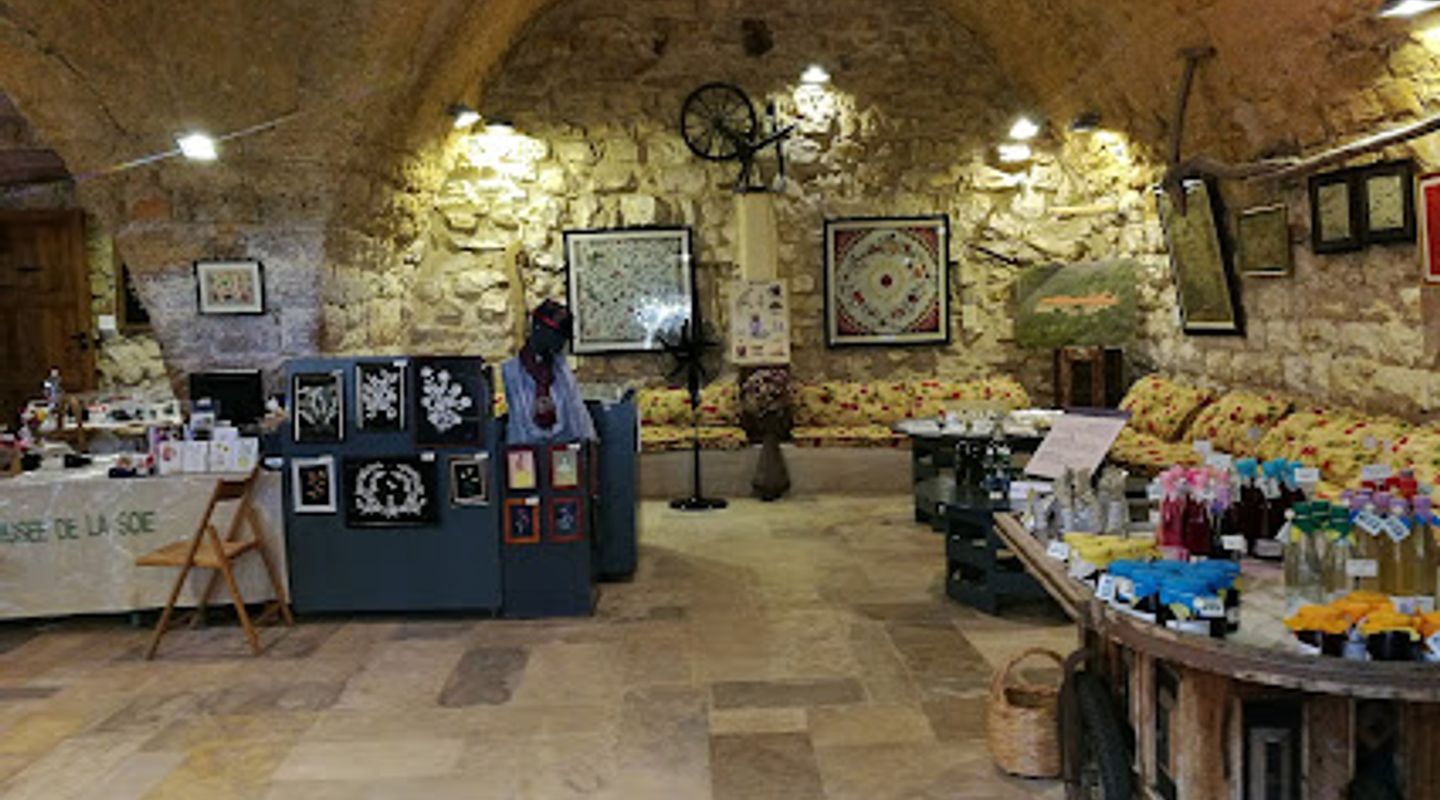
The Silk Museum in Bsous, Lebanon, is a tribute to the country's silk industry, which thrived until the mid-20th century. Housed in a former silk factory, the museum showcases the complete silk-making process, from silkworms to finished products, within a charming, vintage setting.
Opening hours
- MonClosed
- Tue10 am–6 pm
- Wed10 am–6 pm
- Thu10 am–6 pm
- Fri10 am–6 pm
- Sat10 am–6 pm
- Sun10 am–6 pm
Opening hours as listed on the venue’s Google Business Profile. Hours can change for services and special events, so check with the venue before you go.
- Address
- Aley
- Phone
- Website
Getting there
Car
Taxi/Ride-Share
Discover more about The Silk Museum - Bsous
Overview
Nestled in the Aley district of Mount Lebanon, approximately 15 kilometers east of Beirut, The Silk Museum in Bsous offers a captivating glimpse into a bygone era. The museum is housed in a former silk factory, originally built by the Fayad family and operational from 1901 to 1954. This 'kerkhana,' a Turkish term for silk factory, stands as Lebanon's sole silk museum, a testament to an industry that once formed the backbone of the Lebanese economy.In 1973, George and Alexandra Asseily acquired the property and began its restoration, transforming it into a museum that opened in 2000. The museum vividly illustrates the 1,500-year history of silk production in Lebanon, an industry that faded with the closure of the last silk mill in the 1970s. Visitors can explore exhibits detailing every stage of silk production, from the cultivation of mulberry trees and the breeding of silkworms to the spinning and weaving of silk threads. The museum also displays vintage boxes used to transport silkworm eggs, old photographs of silkworm breeders, and traditional looms.The museum's setting amidst olive groves, stone terraces, and gardens enhances the visitor experience. The two-story building also features a boutique shop selling eco-products and silk attire. The Silk Museum is open seasonally, typically from May to October, and offers guided tours in multiple languages.
Evendo Review Centre
 Google
Guest reviews
Explore The Silk Museum - Bsous on the map
A handpicked selection of must-see spots near The Silk Museum - Bsous, mapped for you.
Get your free copy of our complete guide to The Silk Museum - Bsous, delivered straight to you.
Everything on this page, from opening hours and how to get there to Eve’s tips and the best time to go, in one PDF you can read offline, print or share.
Already have an account? Sign in
Your The Silk Museum - Bsous guide is ready.
We'll send it to · Not you? Sign out

Getting your guide ready…
We are putting together a fresh copy of the The Silk Museum - Bsous guide. This can take up to a minute.
This can take a few moments. If your browser asks, choose Allow so the download can start. You'll find the guide in your Downloads folder.
Nothing happened? Download it again
Sorry, the guide is taking longer than usual. Please try again in a minute, or get it by email instead.
Other nearby places you may find interesting
The closest places of the same kind, if this one is not quite what you had in mind.
-
-
-
-
-


Swipe for more places
More to explore near The Silk Museum - Bsous
-
 Best experiences near The Silk Museum - Bsous
-
 Best hotels near The Silk Museum - Bsous
-
 Best landmarks near The Silk Museum - Bsous
-
 Best attractions near The Silk Museum - Bsous
-
 Best shops near The Silk Museum - Bsous
-
 Best restaurants near The Silk Museum - Bsous
-
 Best bars near The Silk Museum - Bsous


Do you manage this location?
Take control to get all the benefits, like improved information, better appearance, and stronger visibility across AI-powered discovery.
Explore more

Explore more of Aley
Discover Aley, the Bride of the Summer Resorts in Lebanon, where history, nature, and culture meet in perfect harmony amidst the stunning Lebanese mountains.
Explore Aley
Explore more of Lebanon
Discover Lebanon: A land of ancient history, vibrant culture, stunning landscapes, and delicious cuisine, nestled on the Mediterranean coast.
Explore Lebanon
