From Eve
Know before you go
Hi, I'm Eve. Here are a few practical things to know before exploring Beqaa Valley.
Local know-how to help you travel smarter and make the most of every moment.

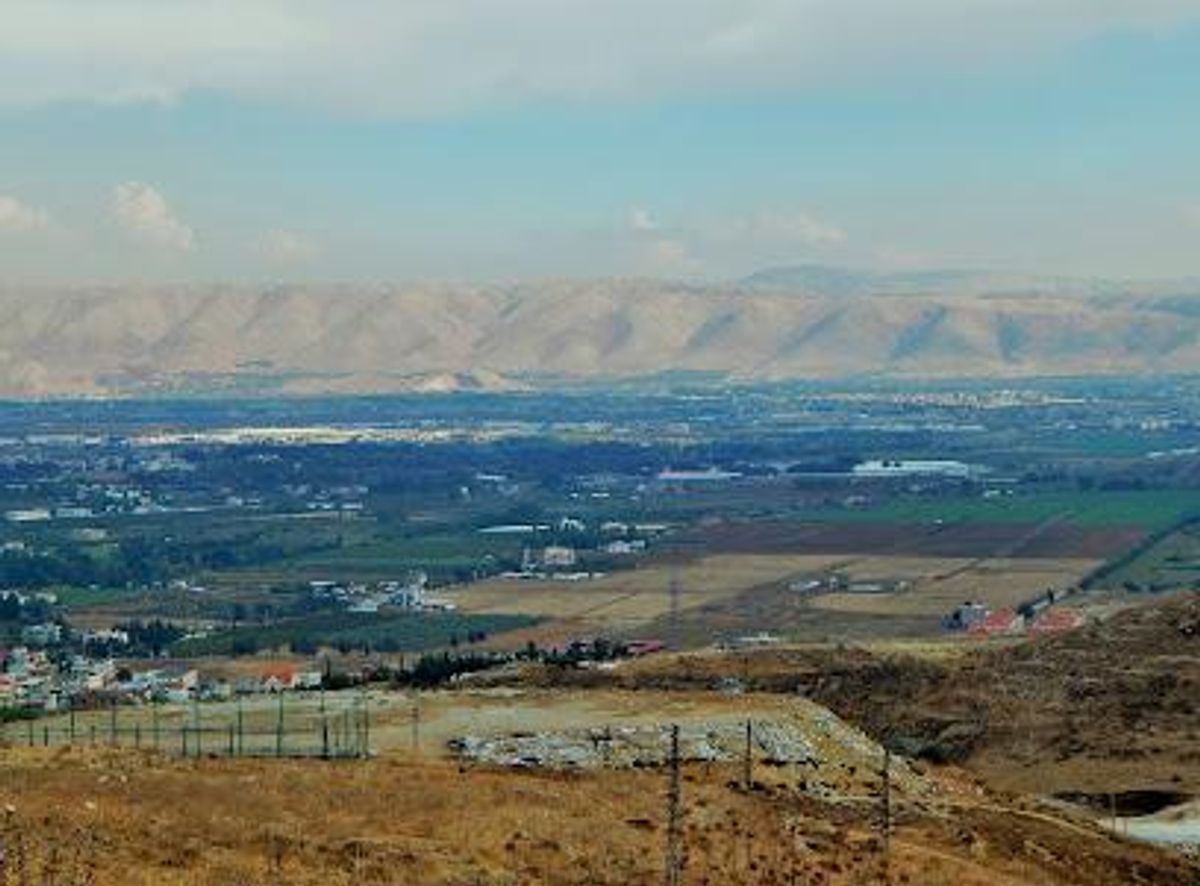
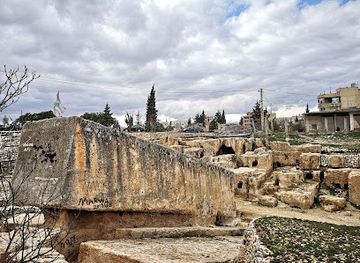
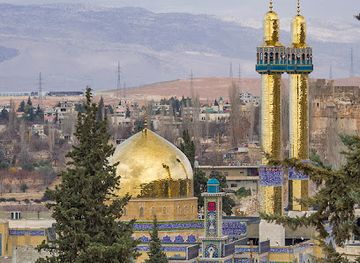
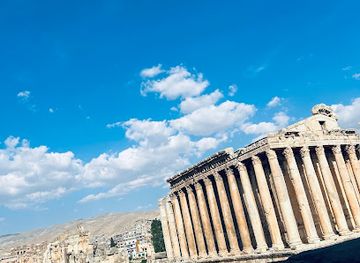
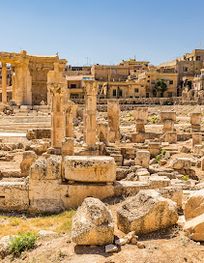
Explore Lebanon's Beqaa Valley: Ancient ruins, fertile lands, and world-class wineries await in this historic destination.
The Beqaa Valley, a fertile expanse nestled between the Mount Lebanon and Anti-Lebanon mountain ranges, is the agricultural heartland of Lebanon. Rich in history and natural beauty, it boasts ancient Roman ruins, renowned wineries, and picturesque landscapes.
Opening times, essentials, and a few local tips gathered into one calmer, easier-to-scan planning section.
Hi, I'm Eve. Here are a few practical things to know before exploring Beqaa Valley.
Local know-how to help you travel smarter and make the most of every moment.
Public Transport
From Beirut, take the public bus line ML1 from the Palace of Justice roundabout in Adlieh towards Chtoura. The journey costs approximately 200,000 LBP. From Chtoura, local vans and buses are available to reach other destinations within the Beqaa Valley. Prices vary depending on the destination, ranging from 250,000 to 400,000 LBP to Chtoura.
Taxi
Taxis are available from Beirut to the Beqaa Valley, with a ride taking approximately 1 hour and 11 minutes. The cost ranges from $90 to $120 USD. Taxi services like CTaxi offer transparent, kilometer-based fares.
Driving
Driving from Beirut to the Beqaa Valley takes approximately 1 hour and 11 minutes via the Beirut-Damascus highway. The distance is approximately 83 km. The cost of driving, including fuel, is estimated to be $9 to $14 USD. Note that there may be some tolls on the highway.
Use Beqaa Valley as your starting point for nearby food, family ideas, nightlife, and more local discoveries.

Explore expert travel guides, compare and book tours, experiences, hotels, and more—all from the palm of your hand. Download now for seamless trip planning wherever your wanderlust takes you.
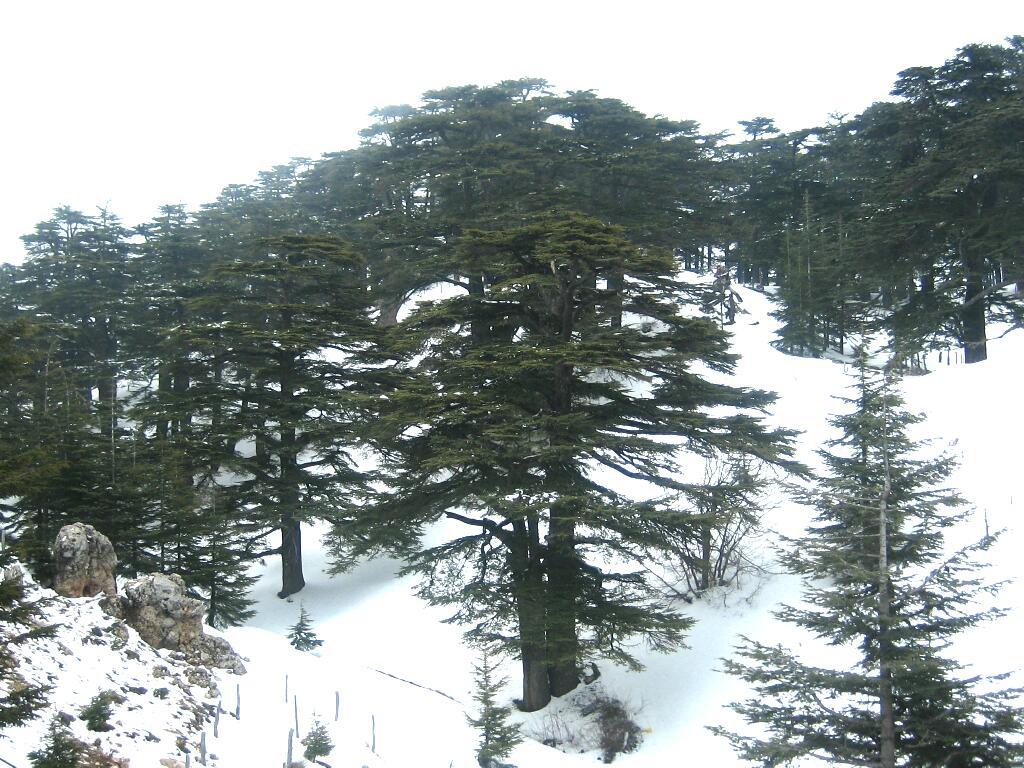
Discover Bcharre, a picturesque town in Lebanon's Kadisha Valley, known for its rich cultural heritage, breathtaking landscapes, and the ancient Cedars of God.
Tell me more about Bcharre