Anjar: Lebanon's Umayyad Jewel
Explore Anjar, a unique UNESCO World Heritage Site showcasing Umayyad architecture and a rich blend of cultures in Lebanon's Bekaa Valley.
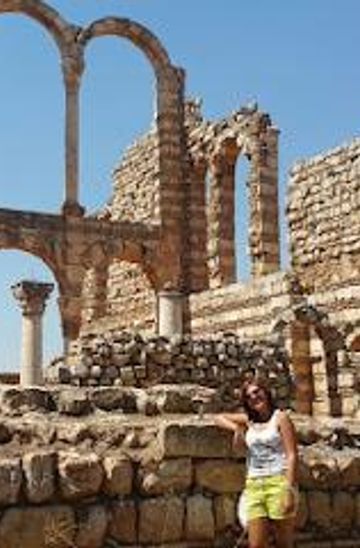
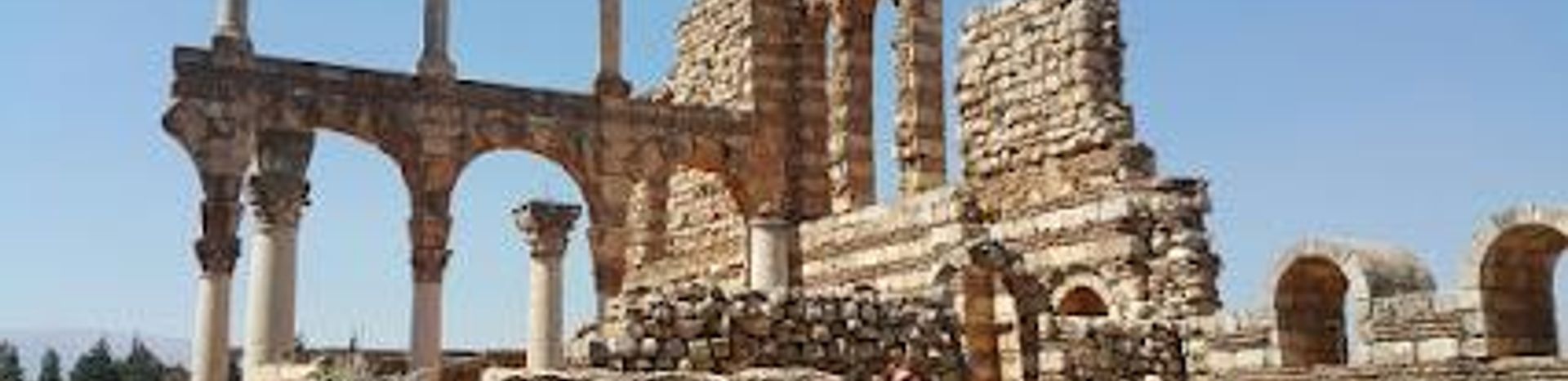
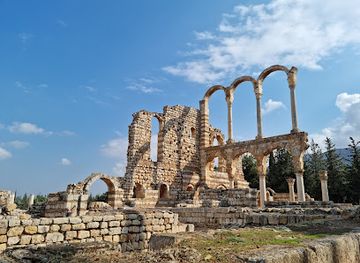
Anjar, a UNESCO World Heritage Site in Lebanon's Bekaa Valley, offers a unique glimpse into the Umayyad period. Founded in the early 8th century by Caliph al-Walid I, this ancient city flourished briefly as a commercial hub before being abandoned. Today, its well-preserved ruins showcase a blend of Islamic and Byzantine architectural influences.
A brief summary to Aanjar
- Aanjar, LB

Know before you go
Hi, I'm Eve. Here are a few practical things to know before exploring Aanjar.
- Visit during spring (March-May) or autumn (September-November) for pleasant weather and fewer crowds.
- Wear comfortable walking shoes as you'll be exploring uneven terrain.
- Consider hiring a local guide to gain deeper insights into the history and significance of the site.
- Combine your visit with a trip to nearby Baalbek and Chateau Ksara for a comprehensive exploration of the Bekaa Valley.
Do you manage this location?
Take control to get all the benefits, like improved information, better appearance, and stronger visibility across AI-powered discovery. Learn more
Activate your presence
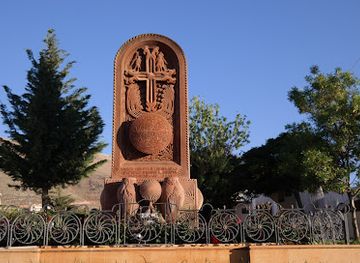
Getting There
-
Car
From Beirut, take the Beirut-Damascus International Road (Route 1) eastward towards the Bekaa Valley. Follow signs for Chtaura, then continue east until you reach Anjar. The journey is approximately 60 kilometers and takes about 1.5 hours. Parking is available near the site.
-
Public Transport
Buses and shared taxis (service taxis) are available from Beirut's Cola station to Chtaura or Zahle. From there, arrange for local transportation to Anjar. Note that public transport schedules can be infrequent. A one way ticket costs approximately 1.54 USD.
-
Taxi
Taxis can be hired from Beirut to Anjar. Negotiate the fare beforehand. The cost is approximately 58 USD. Ride-sharing services like Uber are also available , but prices may vary depending on traffic and demand.
Discover more about Aanjar
Explore the best of what Aanjar has to offer













More about Mount Lebanon
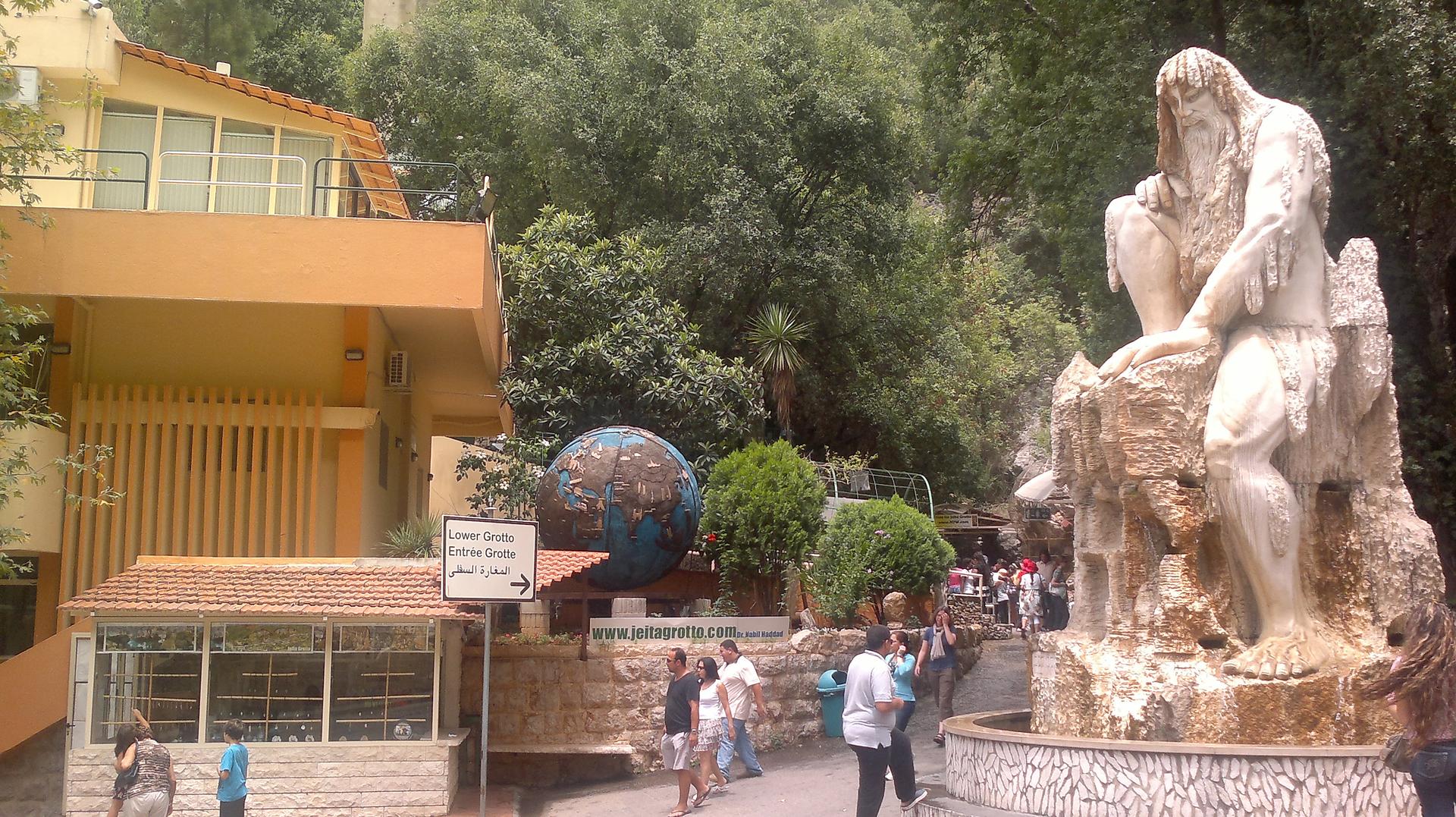
Discover the beauty of Mount Lebanon: Nature's paradise with ancient cedar forests, charming villages, and thrilling outdoor adventures.
Tell me more about Mount Lebanon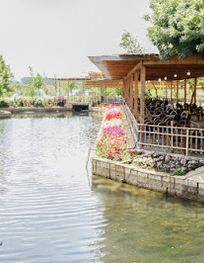
Experience authentic Lebanese cuisine and outdoor adventures at Wadi Chamsine, a perfect family getaway in the heart of Bekaa Valley.
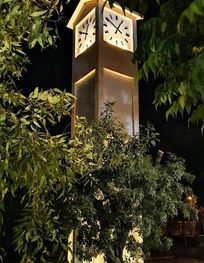
Discover the charm of Anjar's Historical Clock, a serene landmark offering a glimpse into Lebanon's rich heritage and architectural beauty.