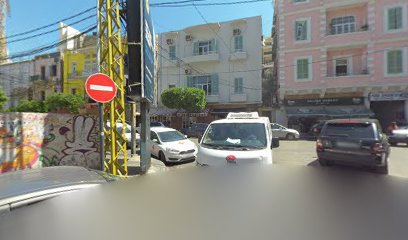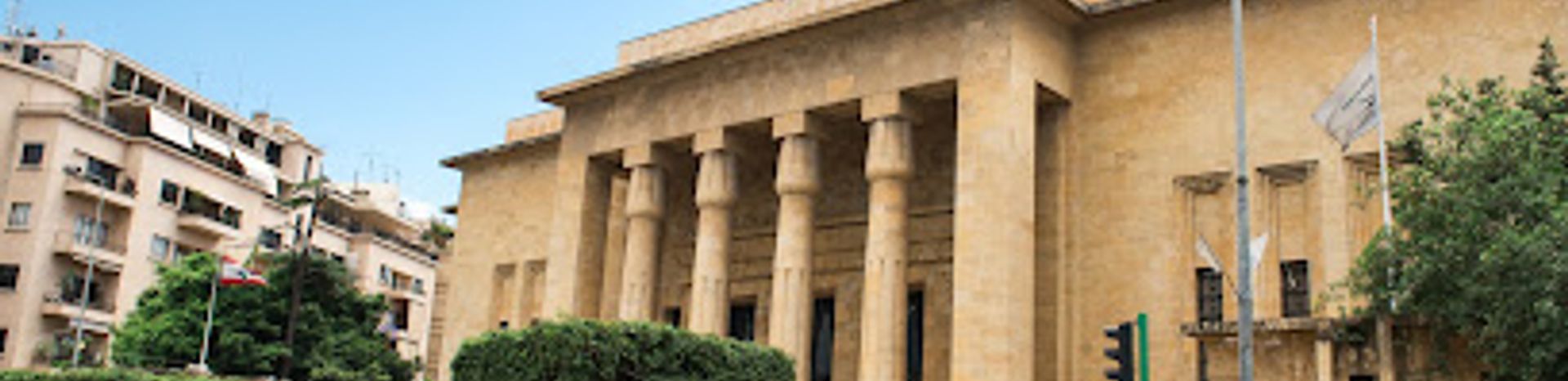
National Museum of Beirut: A Journey Through Lebanese History
Explore Lebanon's ancient past at the National Museum of Beirut, showcasing millennia of history and culture through its vast archaeological collections.
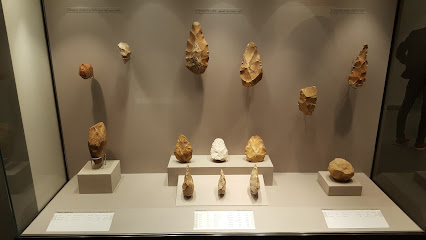
The National Museum of Beirut is the primary archaeological museum in Lebanon, showcasing a vast collection of artifacts that narrate the country's history from prehistoric times to the Mamluk period. Despite suffering damage during the Lebanese Civil War, it has been restored and now displays around 1,300 artifacts, offering insights into the region's rich cultural heritage.
A brief summary to National Museum of Beirut
- National museum of Beirut, Mathaf, LB
- +9611426703
Local tips
- Visit on a weekday to avoid large crowds and have a more intimate experience with the artifacts.
- Check the museum's website for temporary exhibitions and special events that may coincide with your visit.
- Photography restrictions may apply in certain areas, so be sure to check the current regulations before your visit.

Getting There
-
Public Transport
The National Museum of Beirut is accessible via Beirut's public bus system. Inquire about bus routes that pass near the museum or along Damascus Street and request a stop at the nearest point. Bus fare is approximately 2,000 LBP.
-
Taxi
Taxis are readily available in Beirut and can provide a direct route to the museum. Most taxi drivers are familiar with the location. A short taxi ride within Beirut will typically cost around 10,000 LBP.
-
Walking
If you are already in central Beirut, walking to the museum is a viable option. From Banque Du Liban Museum, it is approximately a 12-minute, 1 km walk.
Discover more about National Museum of Beirut
Iconic landmarks you can’t miss

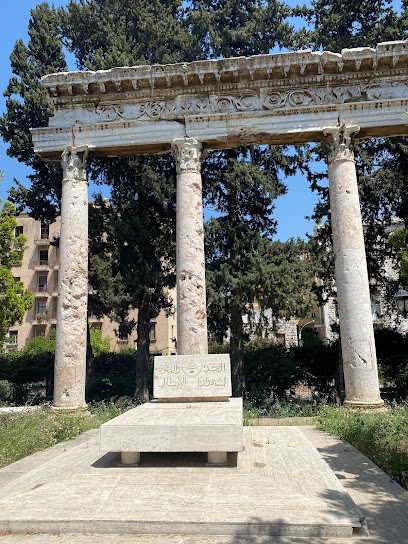
Lebanese Army Martyrs Monument
0.0 km
Explore the Lebanese Army Martyrs Monument: A serene memorial park in Beirut honoring the sacrifices of the nation's bravest soldiers amidst beautiful landscapes.
Alternative Beirut
1.4 km
Explore Beirut beyond the surface: political tours, urban art explorations, and cultural immersions for the inquisitive traveler.
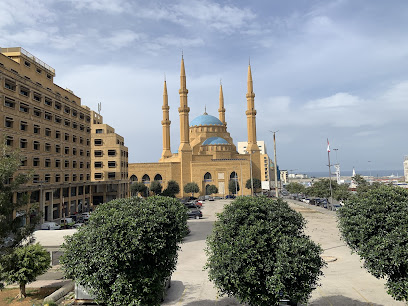
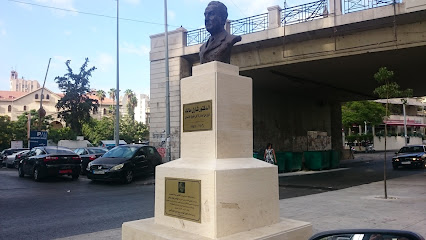
Dr. Charles Malek Monument
1.6 km
Explore the Dr. Charles Malek Monument in Beirut, a historical landmark celebrating human rights and Lebanese heritage.
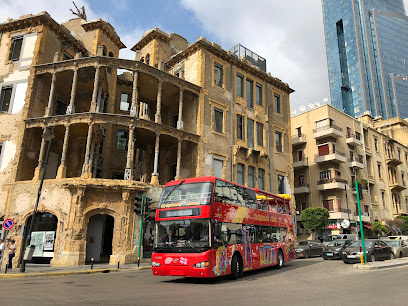
Lebanon tours - City Sightseeing Beirut
1.7 km
Explore Beirut's iconic landmarks and hidden gems with flexible hop-on hop-off bus tours. Discover the city's rich history and vibrant culture.
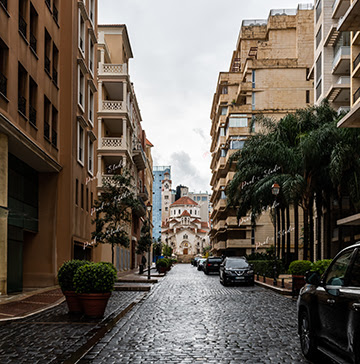
St. Maroun Maronite Catholic Church
1.7 km
A cornerstone of Lebanese culture and spirituality in the heart of Beirut's historic Gemmayzeh district.
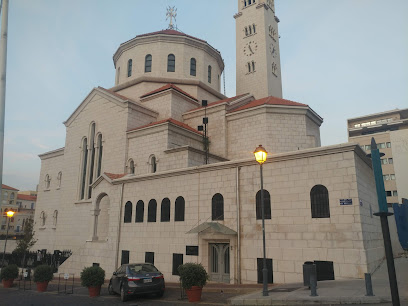
St. Elie - Church
1.7 km
Discover the serene beauty and spiritual significance of St. Elie Church, a cultural landmark in the heart of Beirut.
Dagher Residence
1.8 km
Discover the Dagher Residence, a captivating historical landmark in Beirut, where rich heritage meets stunning architectural beauty.
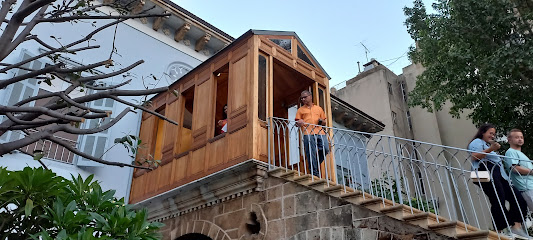
Lebanon SightSeeing
2.0 km
Explore Lebanon's beauty and culture with Lebanon SightSeeing – your trusted tour agency for unforgettable experiences.
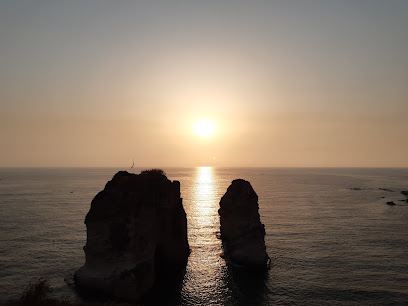
Downtown Tree
2.0 km
Experience the heart of Beirut at Downtown Tree, a vibrant landmark embodying Lebanese culture, community, and resilience in the city center.
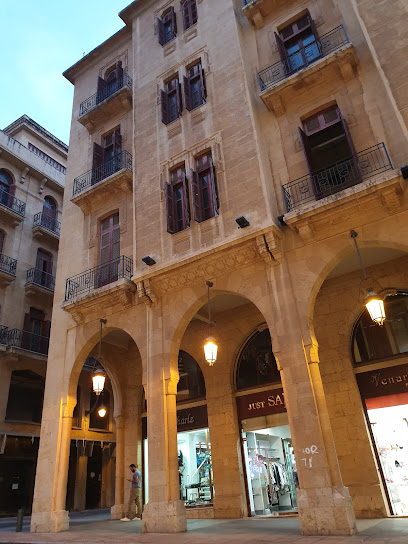
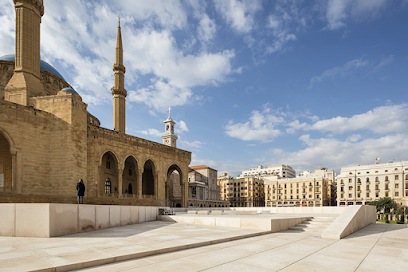
Mohammad Al Amin Mosque
2.0 km
Discover the breathtaking beauty and cultural significance of the Mohammad Al Amin Mosque, a must-visit landmark in Beirut, Lebanon.

Le Grand Théatre des Milles et Une Nuits
2.1 km
Experience the magic of Le Grand Théâtre des Milles et Une Nuits, a historical landmark in Beirut that showcases the rich cultural heritage of Lebanon.
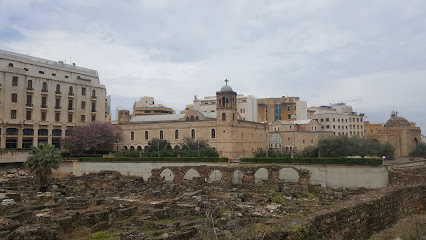
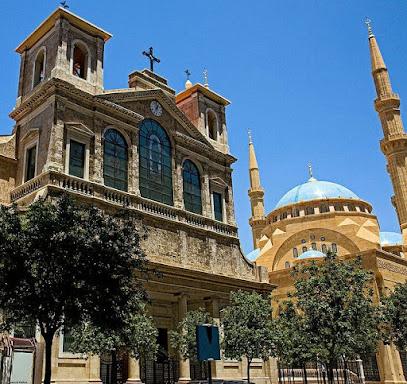
Saint George Maronite Cathedral
2.1 km
Discover the beauty and serenity of the Saint George Maronite Cathedral in Beirut, a masterpiece of architecture and a center of spiritual heritage.
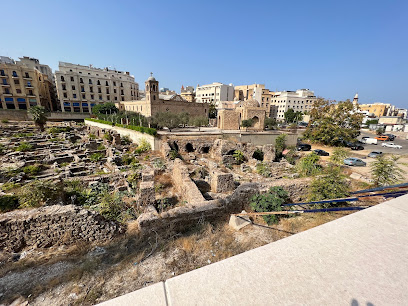
Berytus Cardo & Decumanus Maximus
2.1 km
Discover the ancient Roman heart of Beirut at the Cardo & Decumanus Maximus, where history comes alive amidst the modern city.
تمثال جبران خليل جبران
2.1 km
A tribute to the Lebanese-American poet and artist, Gibran Khalil Gibran, in the heart of Beirut.
Mausoleum of Rafic Hariri
2.1 km
Visit the Mausoleum of Rafic Hariri in Beirut, a serene monument honoring a leader's legacy and the resilience of Lebanon. A place for reflection and remembrance.
Unmissable attractions to see

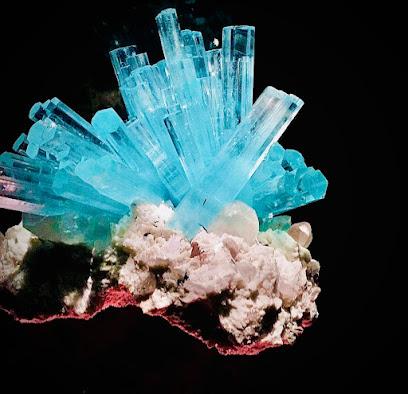
MIM Mineral Museum
0.2 km
Explore the stunning collection of minerals at the MIM Mineral Museum in Beirut, a gem of natural beauty and education nestled in the heart of the city.
Beirut Hippodrome
0.3 km
Discover the excitement of horse racing at the Beirut Hippodrome, a cultural gem where tradition meets thrill in the heart of Lebanon.
The Memory Tree
0.4 km
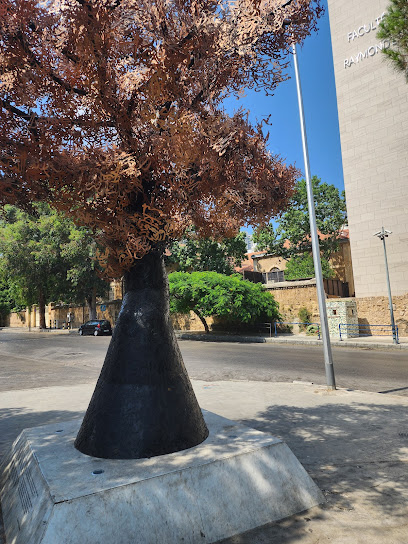
A poignant Beirut landmark honoring the victims of Lebanon's Great Famine and symbolizing the nation's enduring resilience.
Hangar Hymne a L'amour
0.6 km
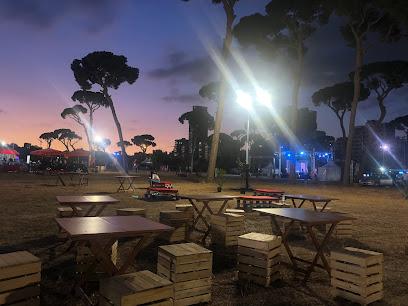
Discover the artistic heart of Beirut at Hangar Hymne à L'amour, where culture, creativity, and community come together in a stunning venue.
Beirut Daily Tours
0.8 km
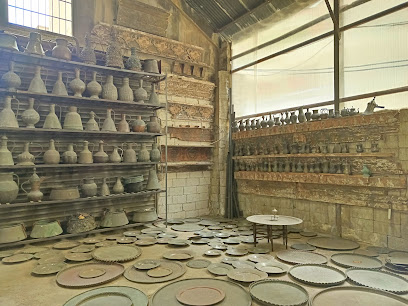
Discover the vibrant culture and rich history of Beirut with personalized tours from Beirut Daily Tours, your expert guide to the city.
Horsh Beirut
0.9 km
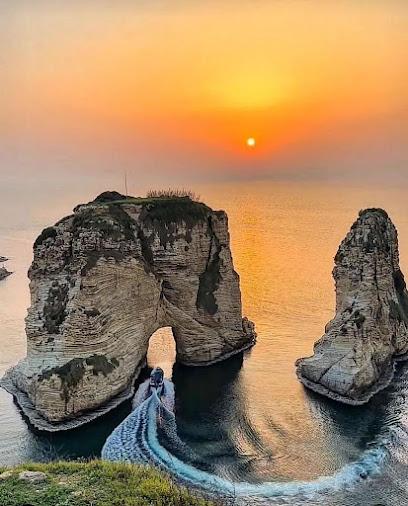
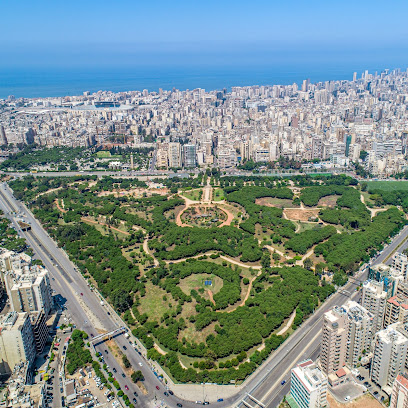
Discover the tranquil beauty of Horsh Beirut, a lush park and botanical garden perfect for relaxation and exploration in the heart of Lebanon.
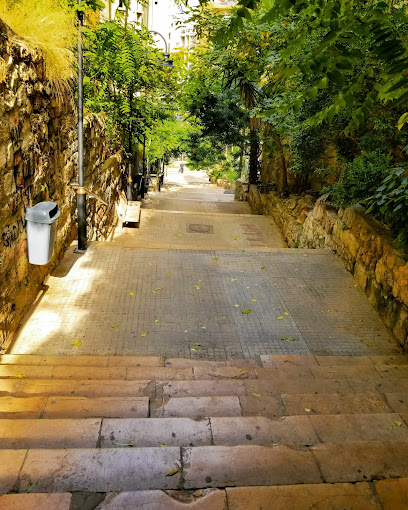
Achrafieh Stairs
1.0 km
Experience the vibrant history and artistic beauty of Achrafieh Stairs, a must-visit tourist attraction in the heart of Beirut, Lebanon.
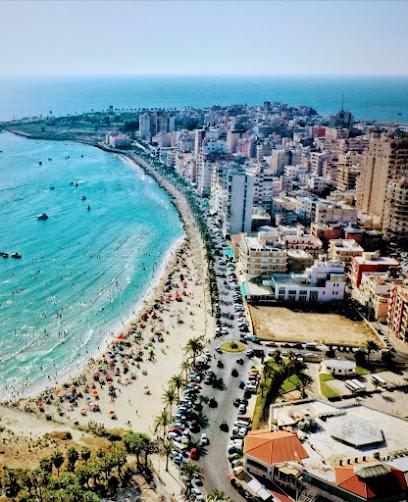
Lebanon Local Tour
1.1 km
Explore Saliba, Beirut: your gateway to unforgettable tours, rich culture, and delectable Lebanese cuisine.
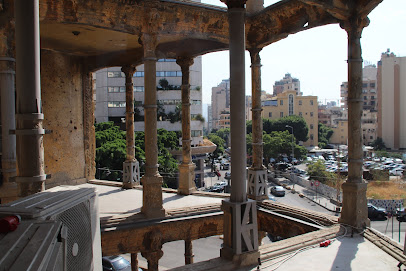
Beit Beirut - Museum and Urban Cultural Center
1.1 km
Explore Beit Beirut, a captivating museum and cultural center that unveils the rich history and vibrant culture of Lebanon's capital.
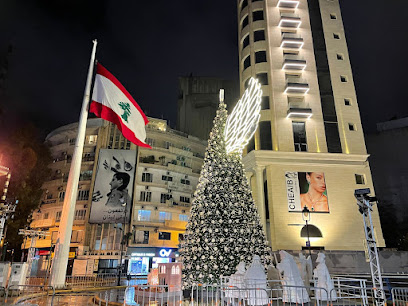
Christmas tree sassine square
1.2 km
Experience the magic of the holiday season at Sassine Square with its stunning Christmas tree and vibrant festive atmosphere in the heart of Beirut.
الكدو
1.2 km
Experience the charm of Al-Kdwo, a captivating tourist attraction in Beirut, blending history, culture, and breathtaking views.
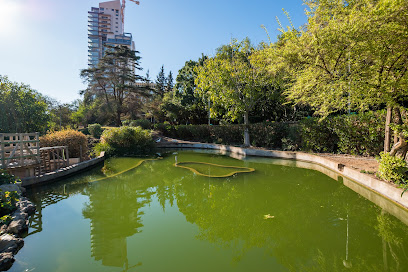
Sioufi Park
1.2 km
Discover the serene beauty of Sioufi Park, a lush green oasis in Beirut perfect for relaxation, picnics, and experiencing local culture.
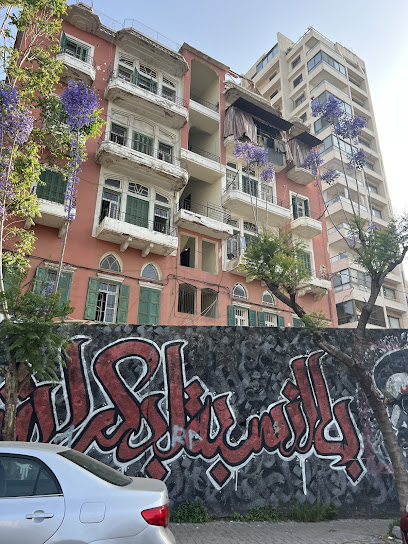
بالنسبة لبكرا شو Bl Nesbe La Bukra Shou
1.3 km
Explore the vibrant culture and stunning sights of Bl Nesbe La Bukra Shou, a must-see tourist attraction in the heart of Beirut.
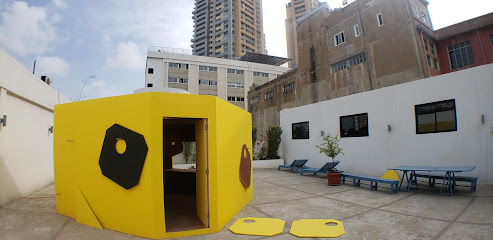
Beirut Art Center
1.5 km
Explore contemporary art at the Beirut Art Center, Lebanon's premier cultural hub, showcasing innovative exhibitions and fostering artistic dialogue.
Musée de la Préhistoire Libanaise
1.6 km
Explore Lebanon's prehistoric past at the Musée de la Préhistoire Libanaise, where ancient artifacts unveil the region's rich history and cultural heritage.
Essential places to dine

Mum & I
0.1 km
Experience authentic Lebanese cuisine at Mum & I in Beirut – where every dish tells a story of tradition and flavor.
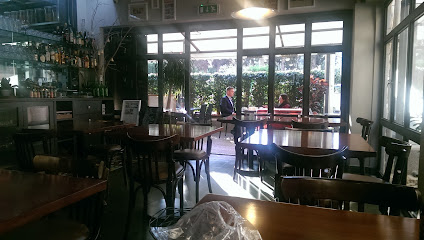
What's For Lunch/ What's For Dinner
0.8 km
Experience authentic French bistro delights at What's For Lunch/What's For Dinner in Beirut – where every meal feels like a culinary journey.
Al Falamanki Sodeco
1.2 km
Experience authentic Lebanese cuisine at Al Falamanki Sodeco in Beirut – where tradition meets flavor in every bite.
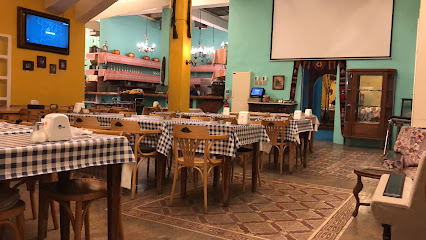
3anbar Restaurant _ عنبر بيروت _ Anbar Beirut
1.2 km
Discover authentic Lebanese cuisine and vibrant nightlife at 3anbar Restaurant in Beirut - where flavors meet fun!
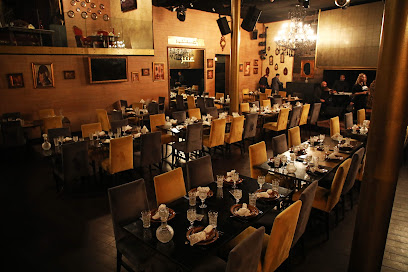
Liza
1.2 km
Experience authentic Lebanese cuisine at Liza in Beirut - where tradition meets modern dining excellence.
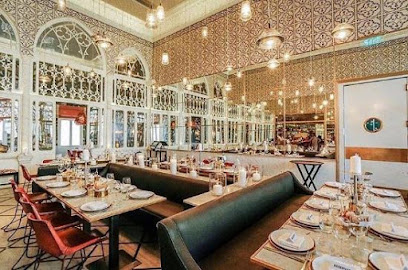
Stove Restaurant & Terrace
1.3 km
Experience exquisite French cuisine with stunning views at Stove Restaurant & Terrace in vibrant Beirut.
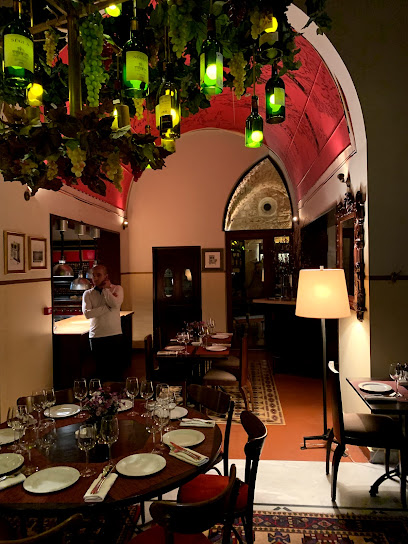
Em Sherif
1.4 km
Experience authentic Lebanese flavors at Em Sherif in Beirut, where every dish tells a story of tradition and passion.
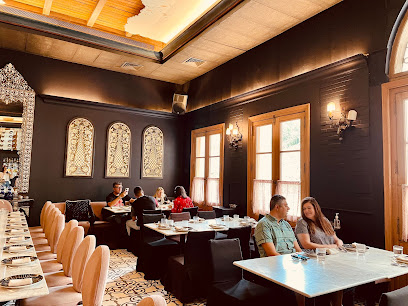
The Glow Paradise - Monot
1.5 km
Discover The Glow Paradise in Beirut - where health meets flavor in an inviting atmosphere.
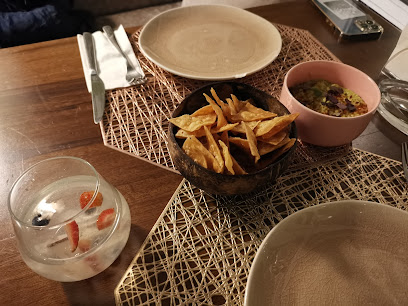
Ritage Garden
1.5 km
Experience exquisite Lebanese cuisine surrounded by lush gardens at Ritage Garden in Beirut - a culinary oasis not to be missed!
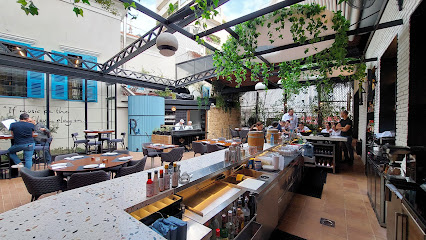
Beit Kanz
1.6 km
Discover authentic Lebanese flavors in a stunning heritage setting at Beit Kanz in Beirut.
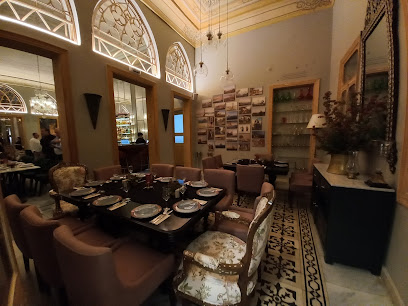
Centrale
1.8 km
Experience authentic French cuisine and vibrant nightlife at Centrale in Beirut's Saifi district.
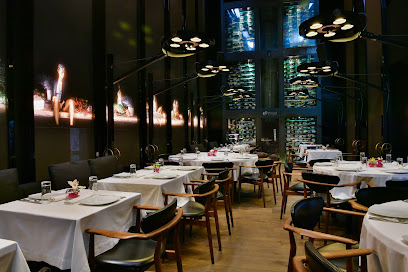
Le Chef
1.8 km
Experience authentic Lebanese flavors at Le Chef in Beirut's vibrant Gemayze district, where tradition meets culinary excellence.
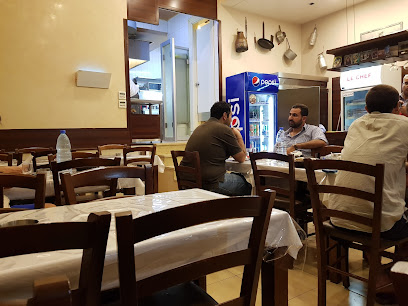
Society
1.8 km
Discover Society Bistro in Beirut: A modern culinary gem blending local flavors with chic ambiance for an unforgettable dining experience.
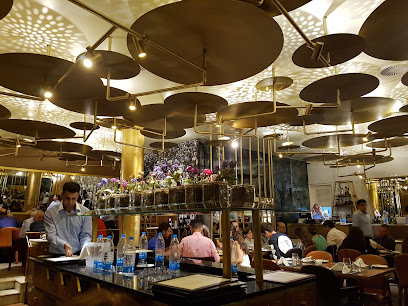
Cupola
1.8 km
Experience authentic Italian cuisine at Cupola in Gouraud, Beirut – where every dish is crafted with passion and tradition.
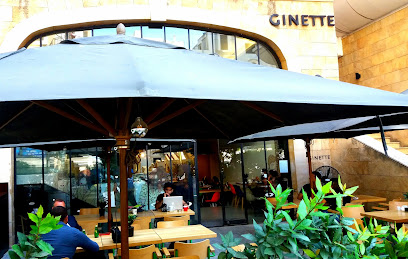
Ginette
1.8 km
Experience the vibrant flavors of Lebanese cuisine at Ginette, a charming restaurant in Beirut offering fresh ingredients and innovative dishes.
Markets, malls and hidden boutiques

Luanatic
0.2 km
Explore Luanatic in Beirut for unique gifts, fashion accessories, and memorable souvenirs that capture the spirit of Lebanon.
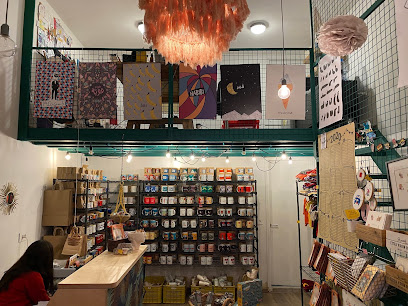
Panorama Concept Shop
0.5 km
Explore the charm of Beirut at Panorama Concept Shop, your destination for unique local treasures and contemporary designs.
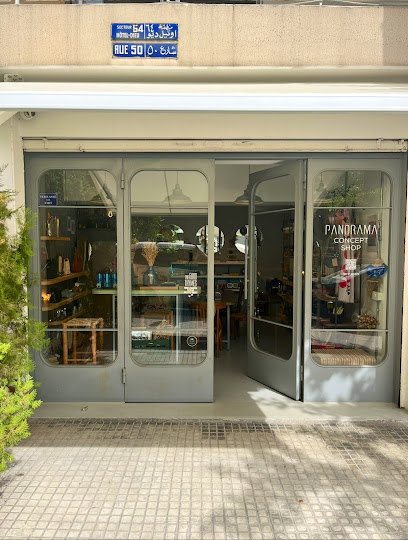
The semicolon story
0.6 km
Discover unique handcrafted treasures at The Semicolon Story, a boutique in Beirut celebrating Lebanese artistry and culture.
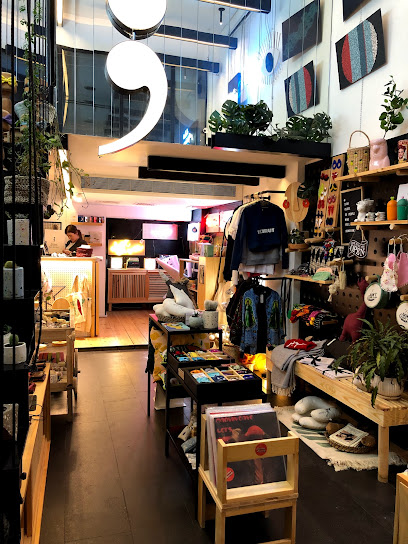
Marwan Moukhallalati
0.8 km
Explore Marwan Moukhallalati in Kaskas, Beirut for exquisite souvenirs, artisan chocolates, and unique textiles that embody the spirit of Lebanon.
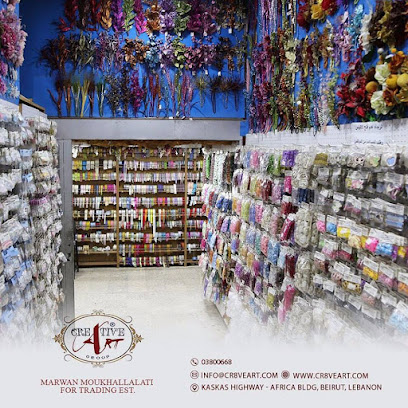
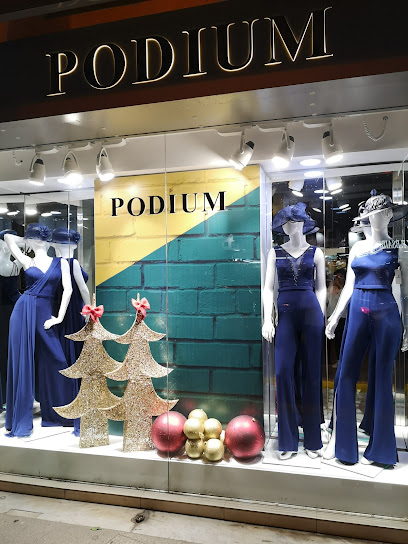
Podium
0.9 km
Discover the latest fashion trends at Podium, a premier clothing store in the heart of Beirut, perfect for stylish tourists and locals alike.
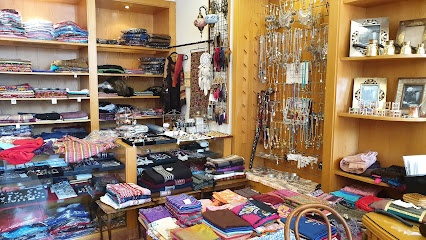
Princess & Sultan
1.0 km
Explore the essence of Lebanese craftsmanship at Princess & Sultan, a gift shop brimming with unique souvenirs and artisanal treasures.
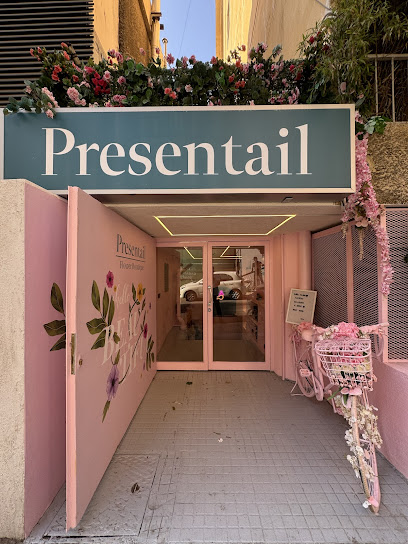
Presentail
1.1 km
Explore Presentail in Beirut, a unique gift shop with delightful treats, handcrafted goods, and beautiful floral arrangements for every occasion.
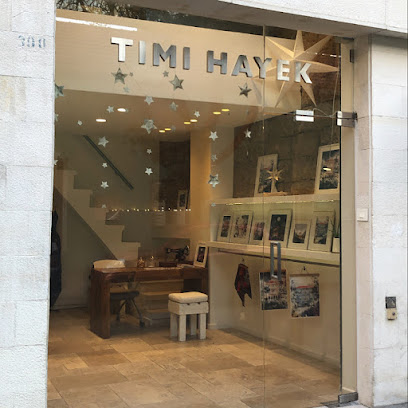
Timi Hayek Boutique
1.2 km
Explore Timi Hayek Boutique in Beirut, where contemporary fashion meets the essence of Lebanese artistry in a vibrant shopping experience.
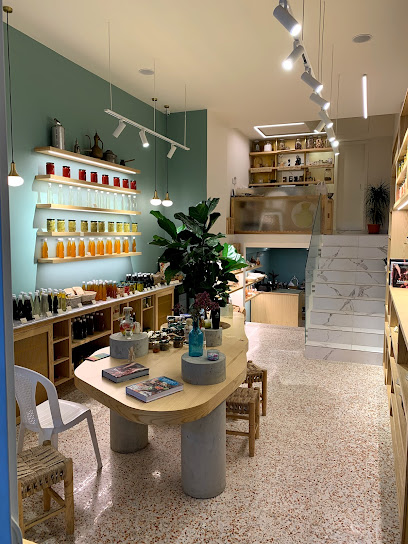
Feryal - the mouneh boutique
1.2 km
Discover the taste of Lebanon at Feryal, a gourmet grocery store offering artisanal delights and local flavors in the heart of Beirut.
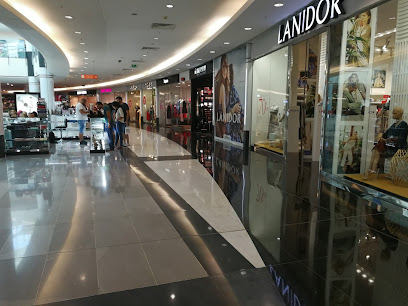
بيروت مول
1.2 km
Experience the vibrant shopping culture at Beirut Mall, featuring diverse shops, dining options, and entertainment in the heart of Hazmieh.
Coolest Fashions
1.3 km
Explore the vibrant world of Coolest Fashions in Beirut, where unique novelty items meet local creativity for the perfect souvenir.
1969
1.3 km
Explore 1969 in Achrafieh, Beirut - a unique outlet store offering exclusive finds and a taste of local culture in a vibrant shopping experience.
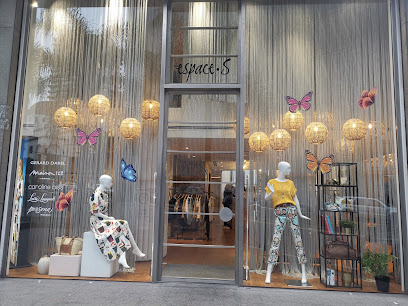
Espace.S
1.5 km
Explore Espace.S in Beirut for a unique shopping experience featuring stylish women's clothing that blends modern trends with local craftsmanship.
Izzat
1.6 km
Experience the heart of local culture at Izzat, a unique store showcasing traditional crafts and modern finds – perfect for every traveler.
Vee shop
1.6 km
Explore Vee Shop, a boutique treasure trove offering unique local crafts and personalized service for unforgettable shopping experiences.
Essential bars & hidden hideouts

The Old Fashioned
0.4 km
Discover the vibrant cocktails and inviting atmosphere at The Old Fashioned Cocktail Bar in Beirut, where tradition meets innovation in mixology.
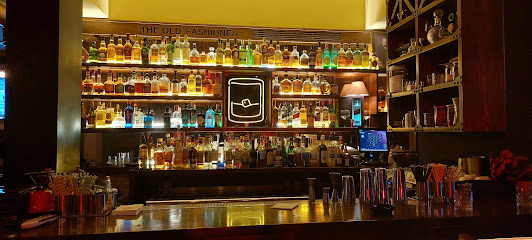
27 Cafe Pub
0.5 km
Experience the vibrant nightlife of Beirut at 27 Cafe Pub, where delicious drinks and a lively atmosphere await every visitor.
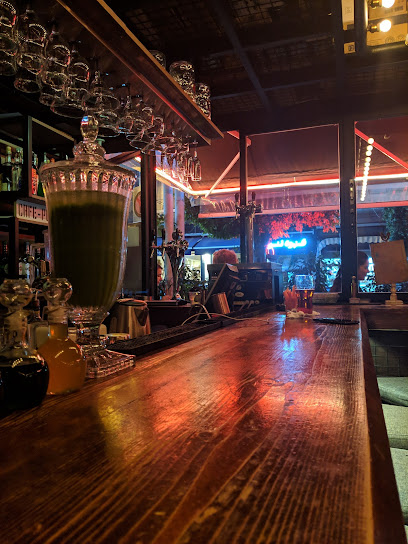
Happy Willow
0.5 km
Experience the vibrant nightlife at Happy Willow, the must-visit pub in Beirut's Badaro, where great drinks and lively atmosphere await.
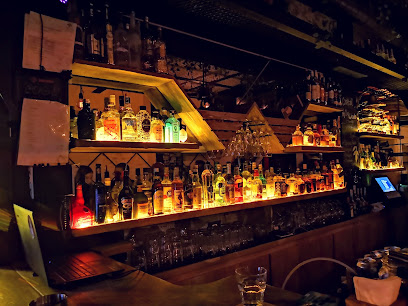
The Attic Bar Badaro
0.5 km
Experience the vibrant nightlife of Beirut at The Attic Bar Badaro, where unique ambiance and delightful drinks await.
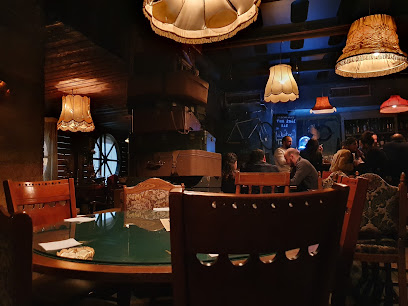
Vagabond
0.5 km
Experience the vibrant nightlife of Beirut at Vagabond, a lively bar with an eclectic atmosphere and an impressive drink selection.
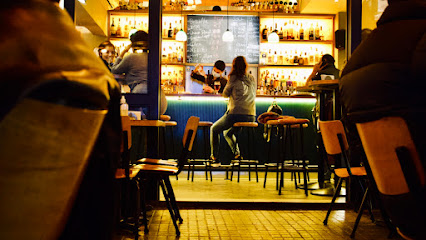
The Jerry Thomas Experience
0.5 km
Experience Beirut’s vibrant nightlife at The Jerry Thomas Experience, where expertly crafted cocktails and a lively atmosphere await.
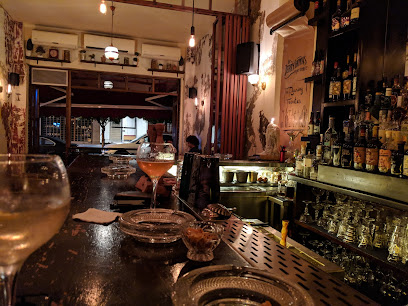
The Cavern Pub
0.5 km
Experience the nightlife of Beirut at The Cavern Pub, a cozy bar with an extensive drink menu and live music that embodies local charm.
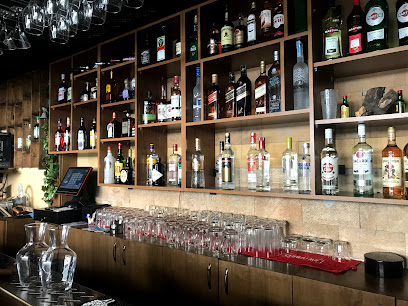
EDEN Cocktail Bar
0.5 km
Experience the vibrant nightlife of Beirut at Eden Cocktail Bar, where creative cocktails and a lively atmosphere await you.
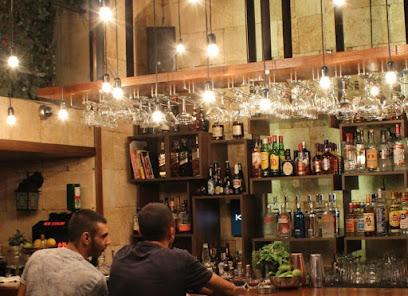
Brazzaville
1.4 km
Discover the vibrant nightlife and rich culture of Brazzaville, the lively capital of the Republic of the Congo.
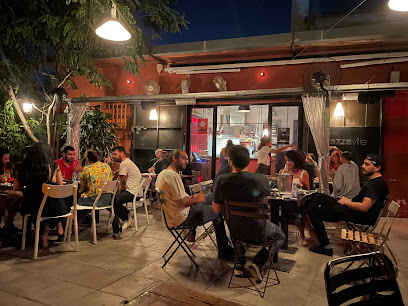
Sip N Score
1.7 km
Experience the vibrant atmosphere of Sip N Score, a premier bar and cafe in Ain El Remmaneh offering delicious food, drinks, and memorable moments.
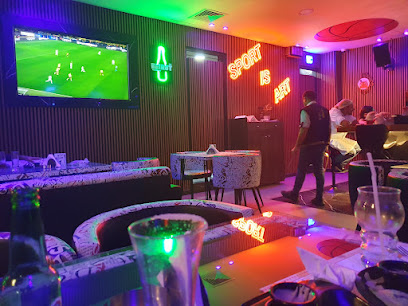
Demo
1.8 km
Experience the lively atmosphere of Gemmayzeh Bar in Beirut, where local flavors and vibrant nightlife come together in perfect harmony.
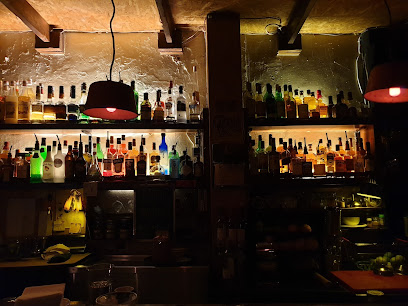
Dragonfly
1.9 km
Discover Dragonfly, Beirut's premier cocktail bar, known for its innovative drinks and vibrant atmosphere, perfect for a night out.
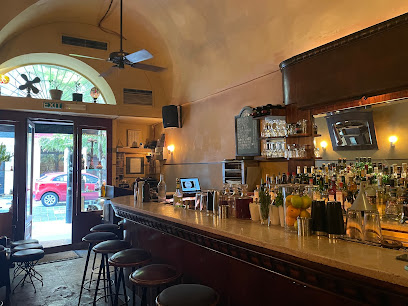
Twenty Two Beirut
1.9 km
Discover the vibrant nightlife of Beirut at Twenty Two Beirut, where local culture meets a lively pub atmosphere for an unforgettable experience.
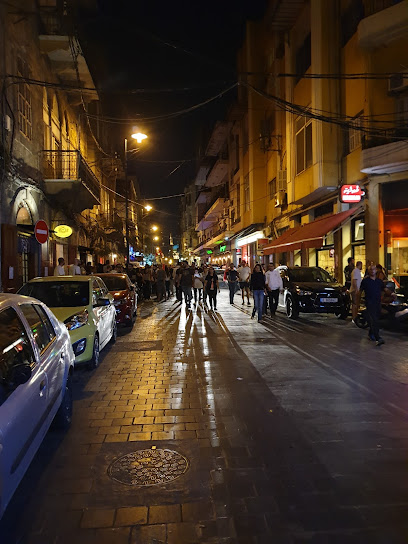
Wine يو
1.9 km
Explore the vibrant nightlife of Beirut at Wine يو, a lively pub offering an extensive drink selection and a welcoming atmosphere.
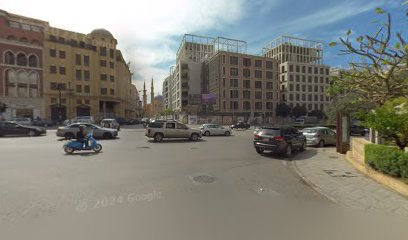
House of Butlers
1.9 km
Experience Beirut's vibrant nightlife at House of Butlers, where expertly crafted cocktails and a lively atmosphere await every visitor.
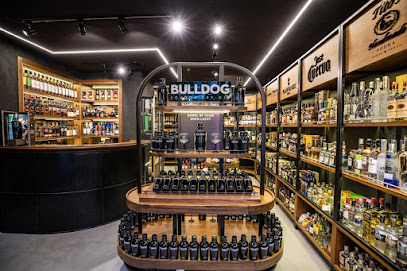
Nightclubs & after hour spots

Cassino Club
1.1 km
Experience the vibrant nightlife at Cassino Club, Beirut's premier destination for dancing and music in a stylish setting.
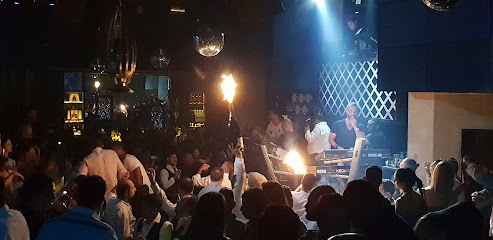
Volume Beirut
1.3 km
Discover the electrifying nightlife at Volume Beirut, where music, dance, and vibrant energy come together for an unforgettable experience.
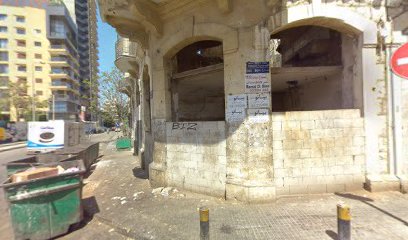
Taiga Beirut
1.3 km
Discover the heart of Beirut's nightlife at Taiga, where vibrant music, stylish ambiance, and unforgettable memories await you.
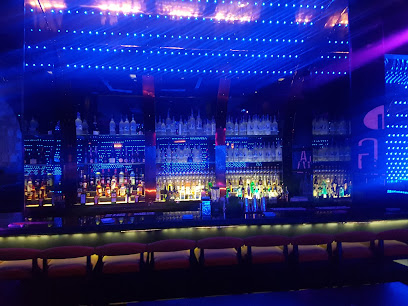
Diamond Club
1.5 km
Discover the best of Beirut's nightlife at Diamond Club, where music, dancing, and culture unite for an unforgettable experience.
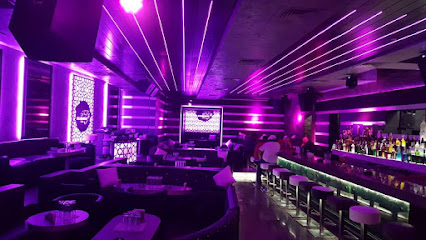
CLAN
1.5 km
Discover the exhilarating nightlife of Beirut at CLAN, where vibrant energy meets exquisite cocktails in a stylish atmosphere.
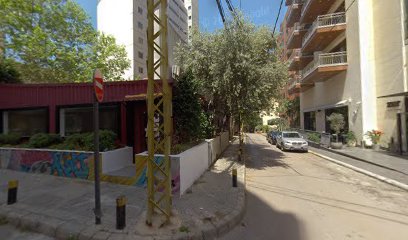
Yukunkun
1.8 km
Discover the energetic nightlife of Beirut at Yukunkun, a premier night club in the heart of Gemayze, perfect for dancing and socializing.
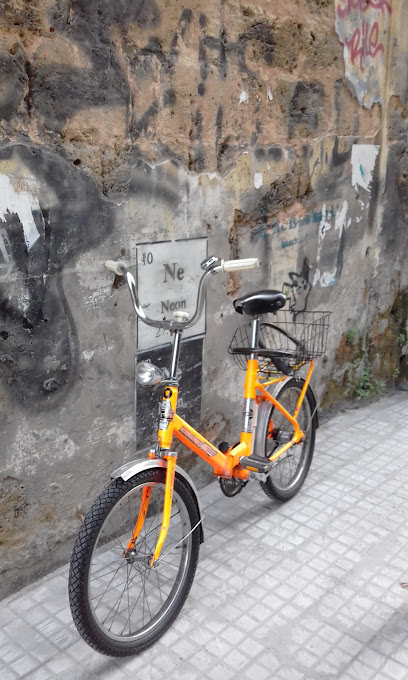
Bar Nouveau
1.9 km
Immerse yourself in the lively atmosphere of Bar Nouveau, Beirut's top night club, where music and exquisite drinks meet unforgettable experiences.
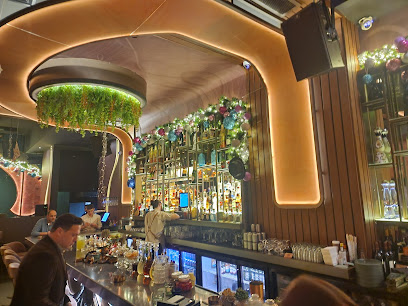
Loge Club
1.9 km
Discover the pulse of Beirut at Loge Club, a premier nightlife destination offering electrifying music, exquisite cocktails, and an unforgettable party atmosphere.
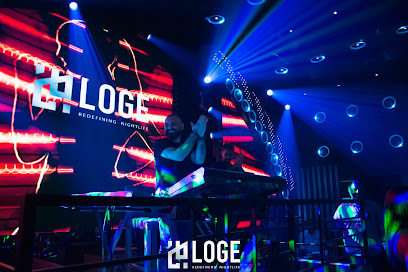
Sunrise Beirut
1.9 km
Discover the electrifying atmosphere of Sunrise Beirut, where vibrant nightlife meets stunning views and unforgettable music.
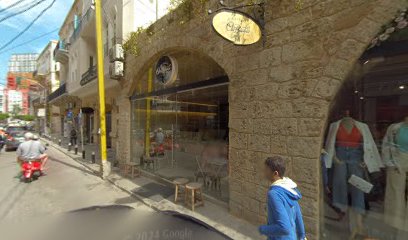
Old Chevrolet Building
2.0 km
Discover the energetic nightlife at the Old Chevrolet Building, a vibrant night club in Baabda, where music and culture collide for an unforgettable experience.
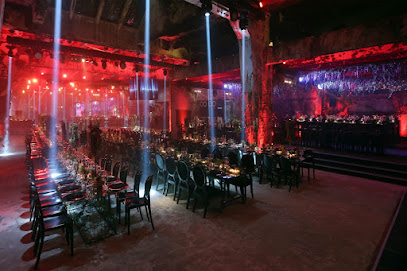
Karma Beirut
2.1 km
Experience the vibrant nightlife of Beirut at Karma Beirut, where music, dancing, and unforgettable moments await.
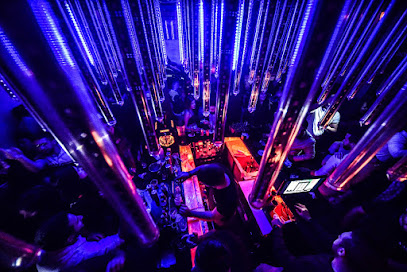
Oun Beirut
2.1 km
Experience the vibrant nightlife at Oun Beirut, where music, dance, and a lively atmosphere create unforgettable moments in the heart of the city.
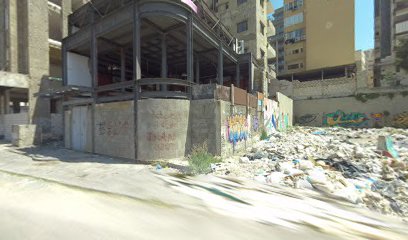
Parallel
2.1 km
Discover the vibrant nightlife at Parallel Lounge in Lebanon, offering a perfect blend of style, music, and unforgettable experiences.
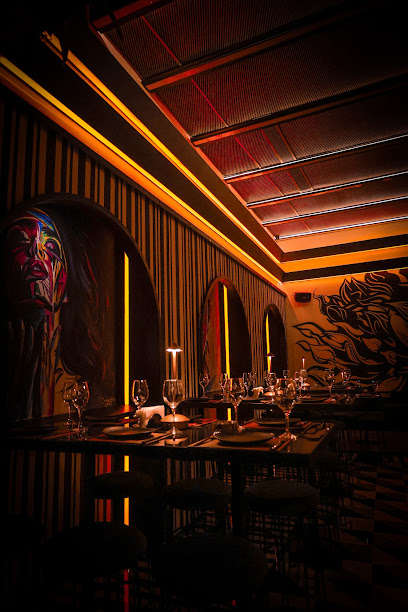
Red Square
2.1 km
Discover the pulse of Beirut's nightlife at Red Square, a premier night club offering electrifying music, vibrant atmosphere, and unforgettable experiences.
Kage
2.2 km
Experience the electric nightlife of Beirut at Kage, where music, dance, and unforgettable moments await you.