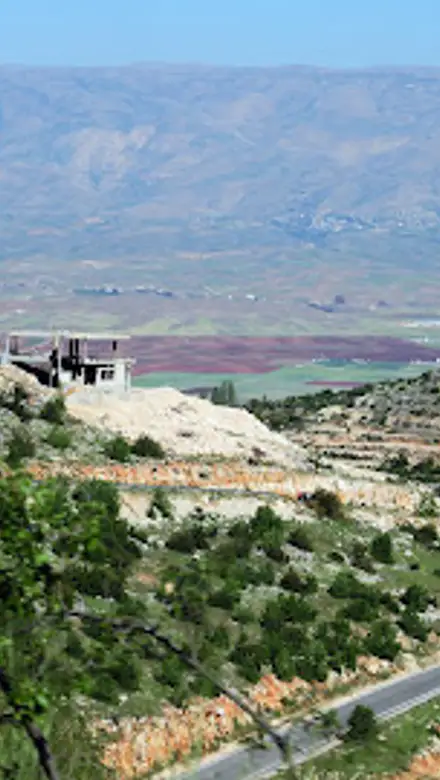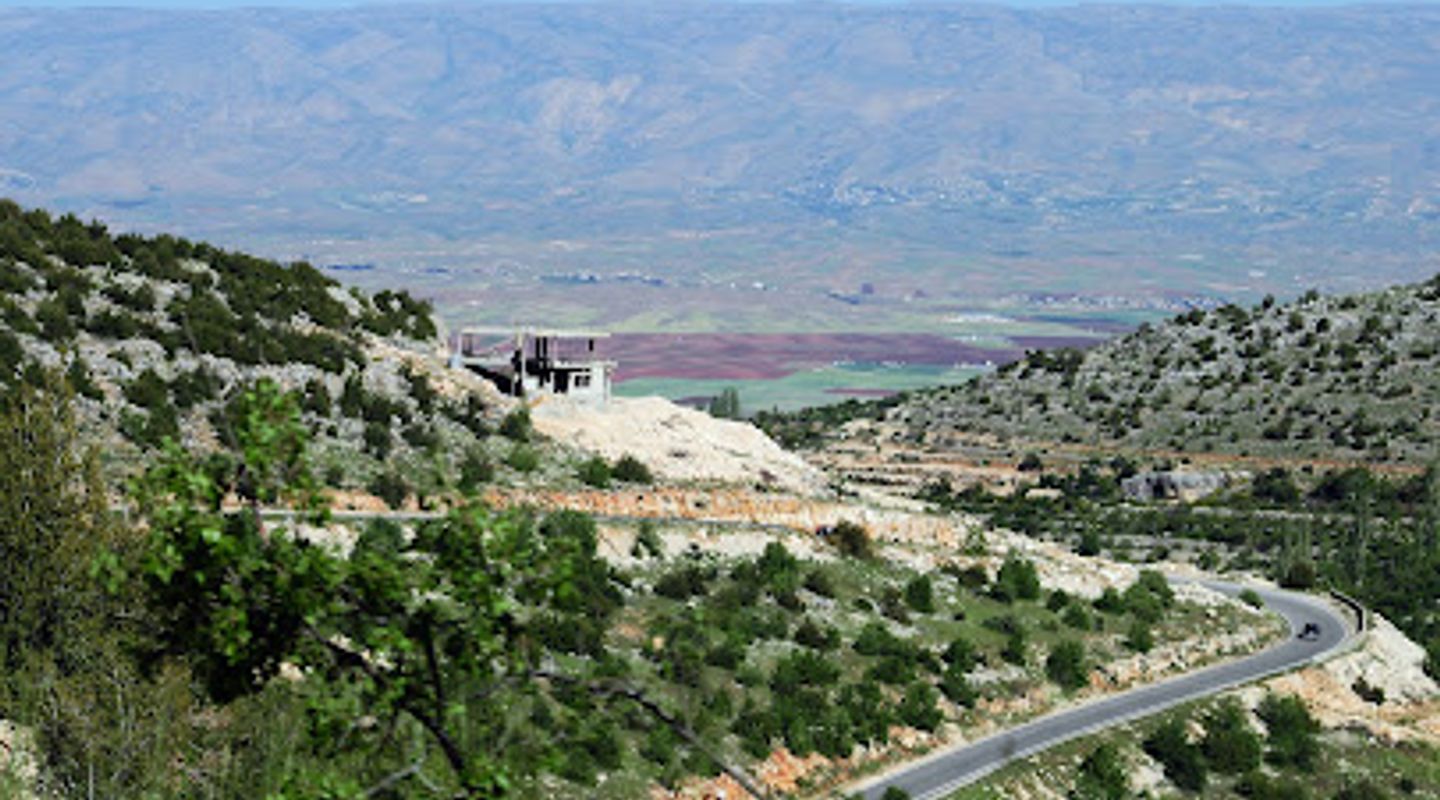
Beqaa Valley, Bekaa Valley Travel Guide
Discover the Beqaa Valley: A Lebanese treasure trove of ancient ruins, fertile vineyards, and stunning natural landscapes. Explore history, taste wine, and enjoy nature.
The Beqaa Valley, nestled between the Mount Lebanon and Anti-Lebanon mountain ranges, is a fertile and historically significant region in Lebanon. Known for its agriculture, wineries, and ancient ruins, it offers a blend of culture, history, and natural beauty.
A brief summary to Beqaa Valley
- LB

Know before you go
Hi, I'm Eve. Here are a few practical things to know before exploring Beqaa Valley.
- Visit Baalbek early in the morning to avoid crowds and the midday heat.
- Wear comfortable shoes for exploring the archaeological sites and hiking trails.
- Sample local wines at one of the Beqaa Valley's many wineries.
- Check travel advisories and safety recommendations before visiting, especially near border areas.
- Try traditional Lebanese cuisine at a local restaurant for an authentic culinary experience.
Do you manage this location?
Take control to get all the benefits, like improved information, better appearance, and stronger visibility across AI-powered discovery. Learn more about listing your business on Evendo
Activate your presenceOther nearby places you may find interesting
The closest places of the same kind, if this one is not quite what you had in mind.
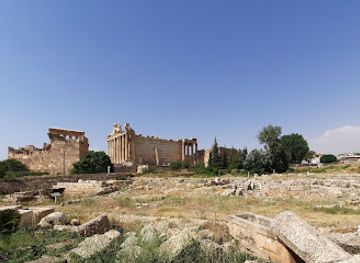
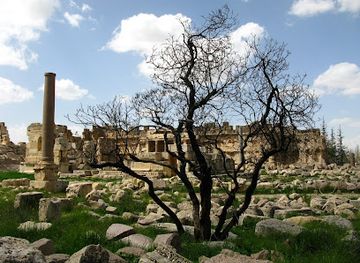
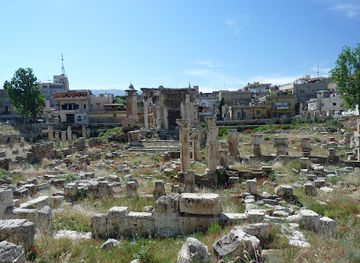
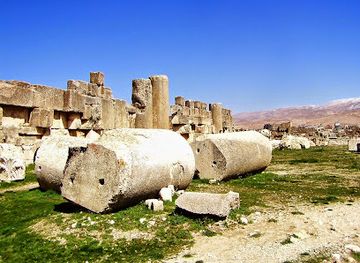
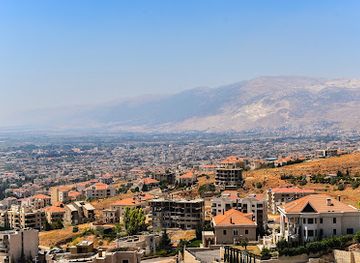
Explore Beqaa Valley on the Map
A handpicked selection of must-see spots near Beqaa Valley, mapped for you.
Unlock the Best of Beqaa Valley
Buy tickets
-
No tickets available
Book tours with entry


Getting There
-
Public Transport
From Beirut, take the ML1 bus line from the Palace of Justice roundabout in Adlieh to Chtoura. The fare is LL200,000. From Chtoura, you can find vans heading to various destinations within the Beqaa Valley, such as Baalbek or Zahle. Prices for these vans vary, so it's best to confirm before departure.
-
Taxi
Taxis are available from Beirut to the Beqaa Valley, but they are a more expensive option. A taxi ride from Beirut to the Beqaa Valley can cost between $90 and $120. A taxi from Beirut to Zahle will cost approximately LL1,800,000. Be sure to negotiate the price before starting your journey.
-
Driving
Driving from Beirut to the Beqaa Valley takes approximately 1 hour and 11 minutes via the Beirut-Damascus highway. The distance is approximately 83 km. Fuel costs should be considered, as well as potential tolls along the way. Parking is generally available near the main attractions in the Beqaa Valley.
Discover more about Beqaa Valley













Your all‑in‑one travel companion app
Explore expert travel guides, compare and book tours, experiences, hotels, and more—all from the palm of your hand. Download now for seamless trip planning wherever your wanderlust takes you.


Explore More of Bekaa Valley
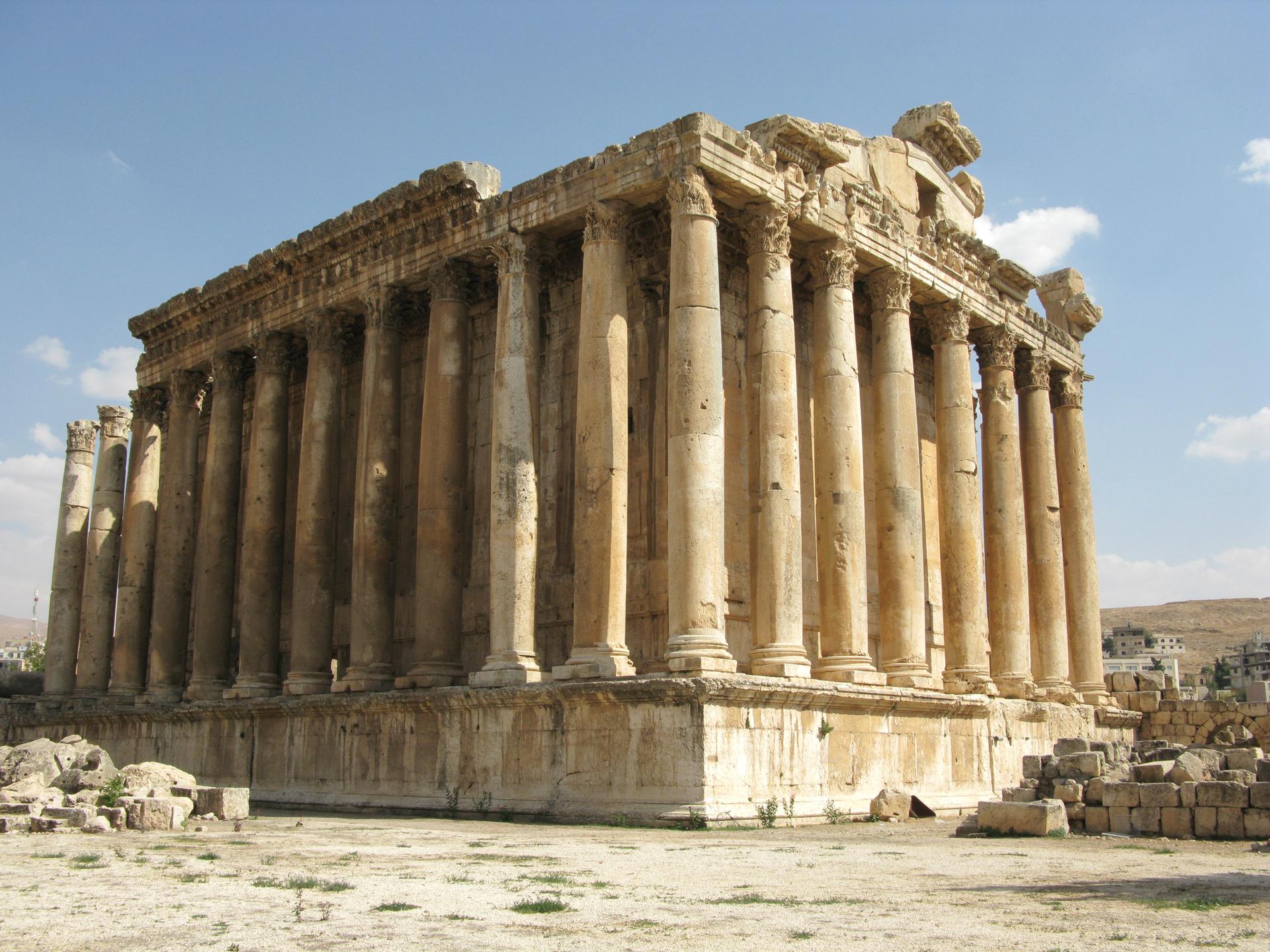
Looking beyond Beqaa Valley? Discover Bekaa Valley for broader travel guides, local hot-spots, and regional highlights.
Explore Bekaa Valley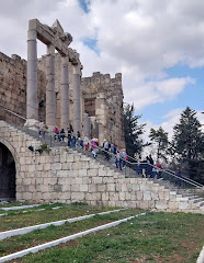
Explore Baalbek, Lebanon: A UNESCO World Heritage Site featuring stunning Roman temples and rich historical significance, perfect for culture lovers.

Discover the colossal Stone of the Pregnant Woman in Ain Bourday, Lebanon, a testament to ancient Roman engineering and enduring legends.