

Fortress of Niha: A Cliffside Citadel
Explore the ancient Fortress of Niha, a rock-cut marvel with centuries of history, offering stunning views of the Lebanese landscape.
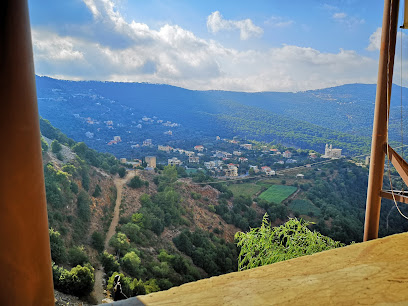
The Fortress of Niha, also known as the Cave of Tyron or Chquif Tayroun, is an ancient rock-cut fortress in Lebanon dating back to 975 AD. Carved into a cliff overlooking the Bisri and Aray valleys, it offers a glimpse into Lebanon's rich history and strategic importance.
A brief summary to Fortress of Niha
- HJH5+WHJ, Niha, LB
- +9615350250
- Monday 10 am-6 pm
- Tuesday 10 am-6 pm
- Wednesday 10 am-6 pm
- Thursday 10 am-6 pm
- Friday 10 am-6 pm
- Saturday 10 am-6 pm
- Sunday 10 am-6 pm
Local tips
- Wear comfortable shoes suitable for walking and exploring the uneven terrain of the fortress.
- Bring water and snacks, especially during hot weather, as there may not be facilities available on-site.
- Combine your visit with a hike in the surrounding Shouf Cedar Nature Reserve for a full day of exploring the region's natural beauty.

Getting There
-
Driving
From Beirut, take the highway south towards Sidon. Continue past Sidon, then turn east towards Deir el-Qamar. From Deir el-Qamar, follow the signs to Niha. The road to the fortress is accessible by car. Parking is available near the site.
Discover more about Fortress of Niha
Iconic landmarks you can’t miss

Ruins Al-nahr Al-tahta Mill
2.0 km
Uncover the rich history of the Ruins Al-nahr Al-tahta Mill, a breathtaking site surrounded by beautiful landscapes in Niha, Lebanon.
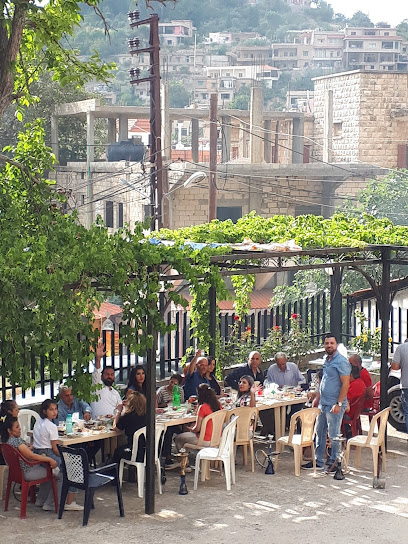
Jbaâ - جباع،علية الشوف
3.4 km
Explore Jbaâ, the historical gem of El Chouf, where stunning landscapes meet rich Lebanese culture and timeless architecture.
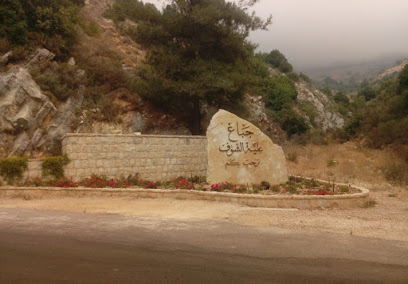
Lebanon Stories - احكيلي عن بلدي tours in Lebanon
3.8 km
Uncover Lebanon's rich heritage and stunning landscapes with personalized tours from Lebanon Stories, your ultimate travel companion.
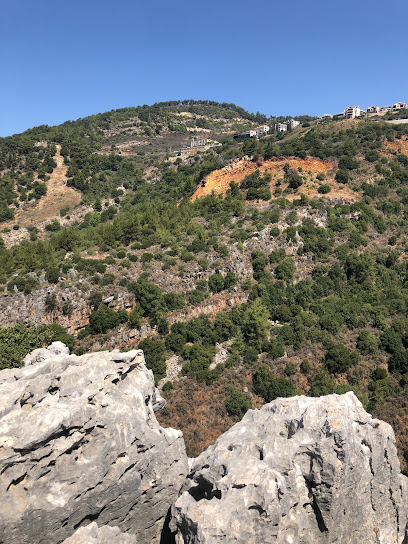
L'etoile du loup
4.2 km
Discover the beauty and tranquility of L'etoile du Loup, a serene hotel in Jezzine, Lebanon, offering stunning views and warm hospitality.

La Maison de la Forêt
4.5 km
Experience a tranquil retreat at La Maison de la Forêt, where nature meets luxury in the heart of Jezzine, Lebanon.

Mardakouche Jezzine
4.8 km
Experience the authentic taste of Lebanese pastries at Mardakouche Jezzine, where tradition meets creativity in every delightful bite.
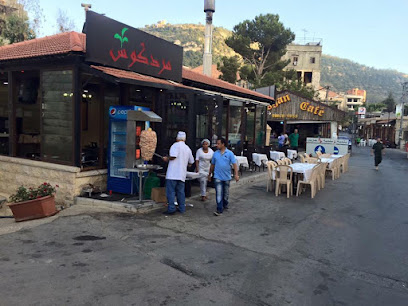
Meouchy Guest House
4.9 km
Experience the serene beauty of Jezzine at Meouchy Guest House, where local charm meets modern comfort in a picturesque setting.
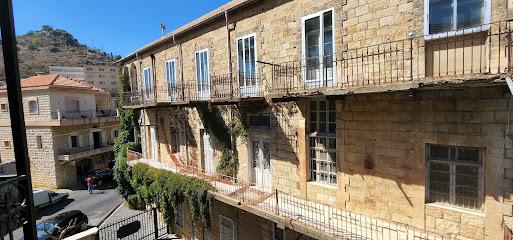
SUNSET HILL
5.8 km
Discover Sunset Hill, a coffee shop in Jezzine, where breathtaking sunsets meet delightful brews and a cozy ambiance for every traveler.
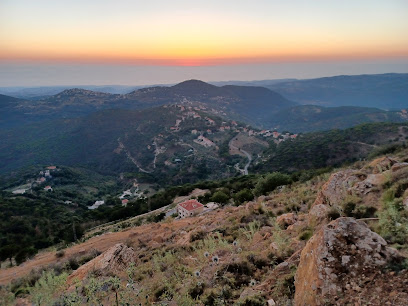
Blue Jay Valley
6.3 km
Experience the perfect blend of luxury and nature at Blue Jay Valley, Lebanon's retreat for relaxation and exquisite dining in a stunning landscape.
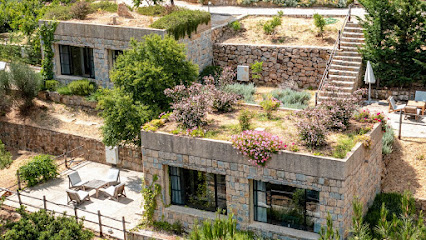
Baadaran Castle
6.4 km
Explore the enchanting Baadaran Castle in Lebanon, a historical marvel showcasing stunning architecture and breathtaking views.
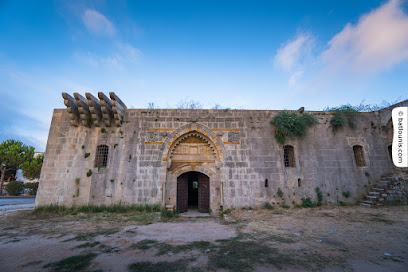
Shallalat Al Zarka -شلالات الزرقا
10.7 km
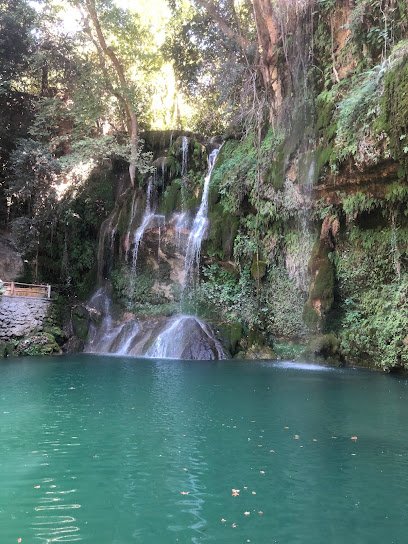
Experience authentic Lebanese cuisine amidst breathtaking natural beauty at Shallalat Al Zarka in Baakleen.
AL FUNDOK
11.1 km
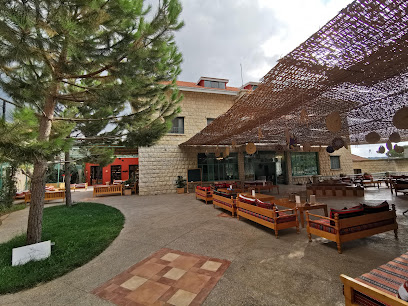
Experience the beauty and tranquility of Maaser El Chouf at AL FUNDOK, where modern comforts meet Lebanese hospitality in a picturesque setting.
Baakline Wild Waterfall
11.1 km
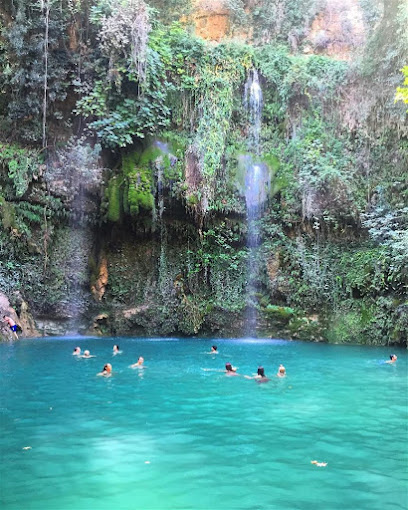
Experience the breathtaking beauty of Baakline Wild Waterfall in Qalaat El Nmayri, a perfect spot for nature lovers and adventure seekers alike.
Qahwet El Souq
11.9 km
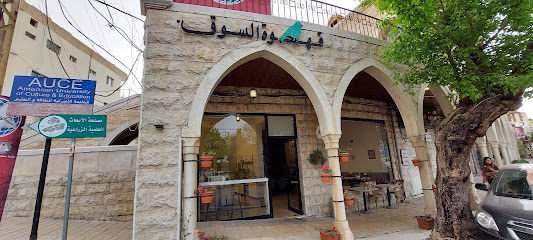
Discover the authentic taste of Lebanese coffee culture at Qahwet El Souq, a delightful coffee shop in the heart of Baakleen, perfect for relaxation and flavor.
Al Hamadeh Palace
12.0 km
Experience the enchanting beauty and rich history of Al Hamadeh Palace, a stunning landmark in Baakleen, Lebanon.
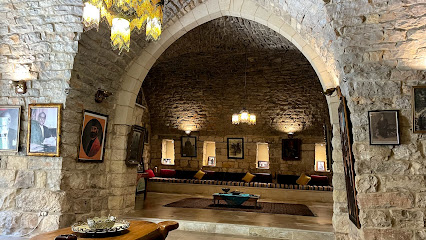
Unmissable attractions to see

Shouf Biosphere Reserve /Niha Fortress
0.0 km
Discover the stunning Shouf Biosphere Reserve and the historic Niha Fortress, where nature and history converge in breathtaking Lebanon.
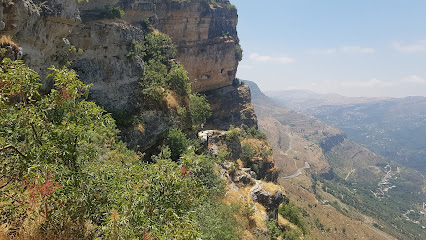
Shouf Bio
0.0 km
Explore Shouf Bio in Niha, Lebanon: a serene nature preserve with breathtaking landscapes, diverse wildlife, and tranquil walking trails.
صومعة أبو لبنان
0.7 km
Discover صومعة أبو لبنان in Niha, Lebanon: A blend of historical architecture and breathtaking natural landscapes offering a tranquil escape.
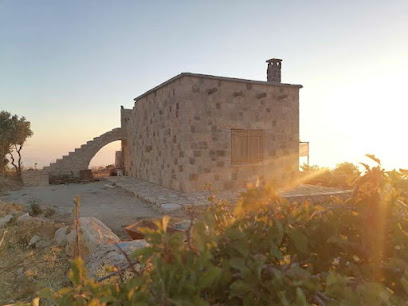
Bater Mountain's Spring Water - Nabaa Bater
2.3 km
Experience the refreshing purity of Bater Mountain's Spring Water in the stunning landscapes of Mount Lebanon.
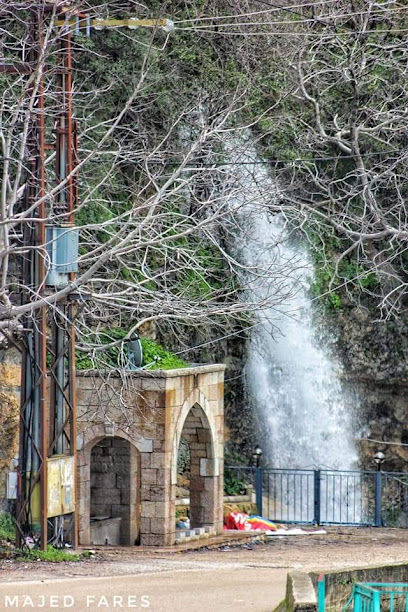
Bater Historical Mill
2.3 km
Explore the enchanting Bater Historical Mill, a renowned tourist attraction in Lebanon that showcases rich history and stunning architecture amidst beautiful landscapes.
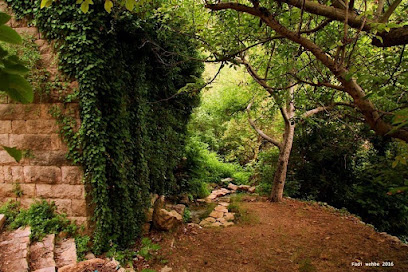
Bkassignard ( بكاسينيار)
3.1 km
Discover Bkassine, Lebanon: A picturesque village surrounded by the Middle East's largest pine forest, offering hiking, history, and local delicacies.
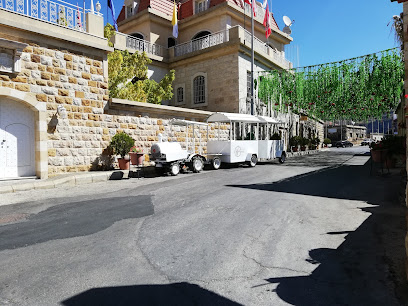
CHMYSE
3.5 km
Discover CHMYSE in Jezzine: Hike scenic trails, camp under the stars, and immerse yourself in Lebanon's natural beauty.
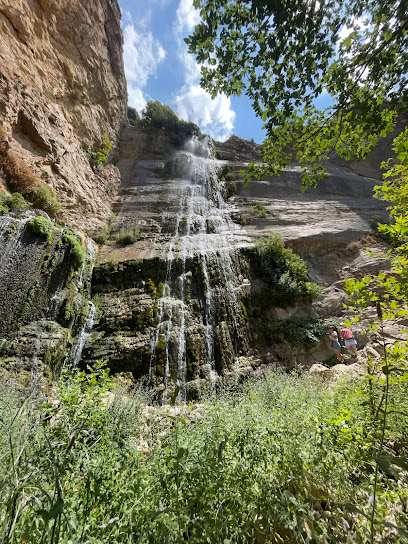
Jeblay
3.7 km
Explore the enchanting beauty of Jeblay, a hidden treasure in Haret Jandal, Lebanon, where nature meets rich cultural heritage.
Wadi Jezzine
4.4 km
Discover Wadi Jezzine: A blend of dramatic landscapes, rich history, and Lebanese culture in a serene South Lebanon setting.
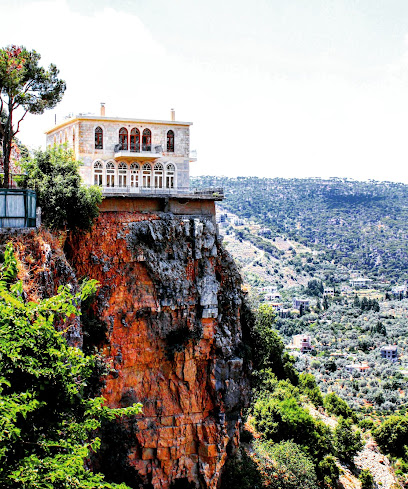
Shouf biosphere reserve-jbaa entrance
4.4 km
Discover the stunning Shouf Biosphere Reserve, Lebanon's ecological gem, offering breathtaking landscapes, diverse wildlife, and serene hiking trails.
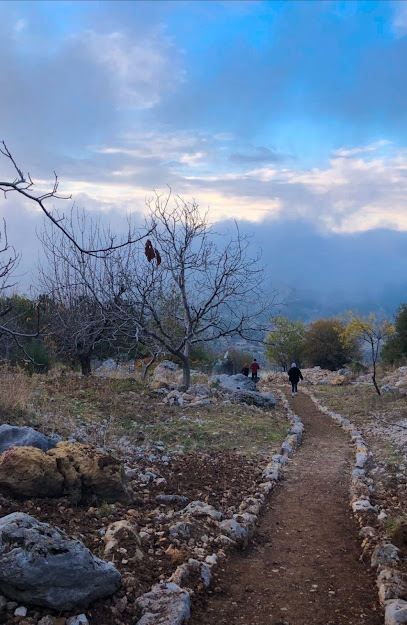
Jezzine Waterfall
4.4 km
Experience the breathtaking beauty of Jezzine Waterfall, a natural wonder in Lebanon that captivates with its serene ambiance and stunning landscapes.
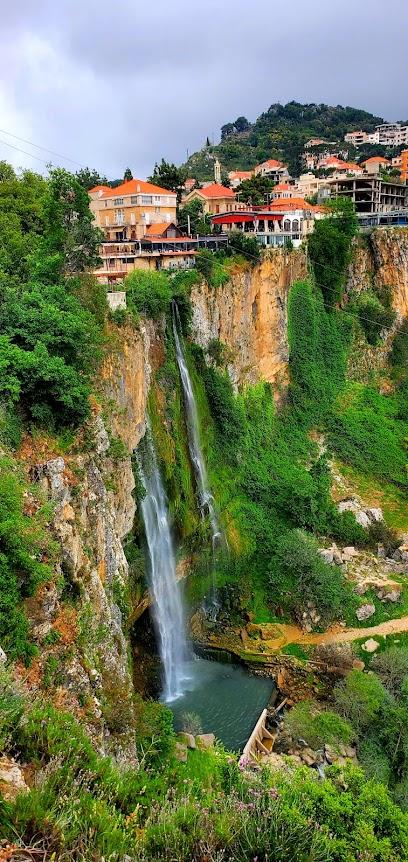
THE PIT - jezzine
4.5 km
Escape to nature at THE PIT - Jezzine, a serene campground with stunning views, stargazing, and outdoor adventures in the heart of Lebanon.
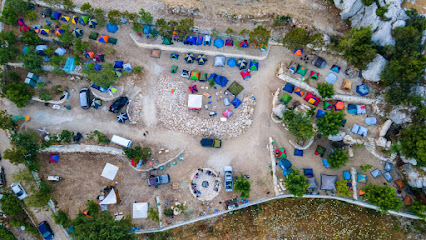
Jezzine Garden
4.5 km
Discover Jezzine Garden: A serene escape in South Lebanon with lush greenery, vibrant flowers, and stunning mountain views. Perfect for nature lovers!
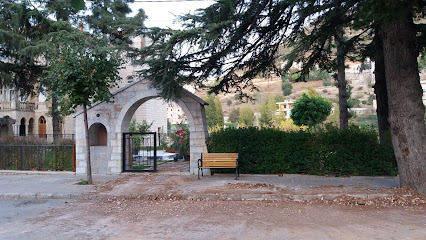
The Lady of Jezzine
4.6 km
Discover spiritual beauty at The Lady of Jezzine, a serene church with breathtaking views along the Saida-Jezzine Road.
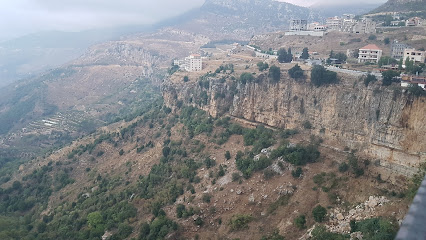
Haret Kanaan
4.6 km
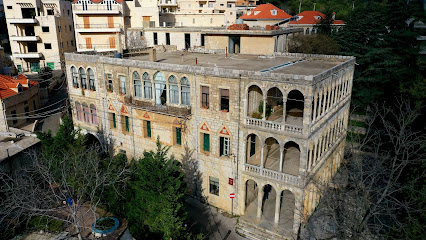
Explore Haret Kanaan in Jezzine: A journey through Lebanese history, culture, and stunning architecture in a serene, picturesque setting.
Essential places to dine

PINETTO
3.4 km
Experience authentic Lebanese flavors at Pinetto, a must-visit restaurant in Bkassine known for its warm ambiance and delicious cuisine.
Resto Heresh
4.4 km
Discover Resto Heresh: A charming family-friendly restaurant in Jezzine offering authentic Lebanese cuisine and stunning views.
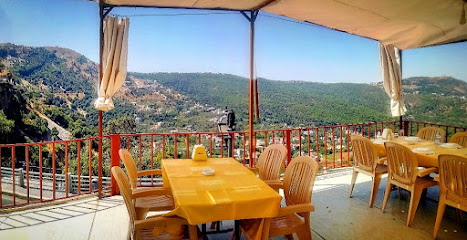
Sakhret Al Shallal
4.5 km
Experience authentic Lebanese cuisine amidst breathtaking views at Sakhret Al Shallal in Jezzine.
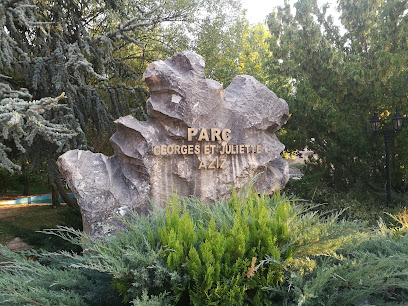
Parc Georges & Juliette Aziz
4.5 km
Discover authentic Lebanese flavors at Parc Georges & Juliette Aziz in Jezzine – where culinary tradition meets breathtaking views.
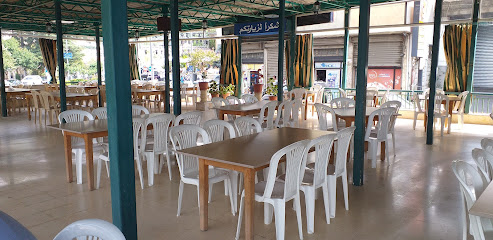
Manzar al challal
4.5 km
Discover the culinary delights at Manzar al Challal in Jezzine – where breathtaking views meet authentic Lebanese flavors.
RLounge
4.5 km
Experience authentic Lebanese cuisine at RLounge in Jezzine – where every dish tells a story amidst breathtaking scenery.
Falafel wa Manakish Jean
4.6 km
Experience the authentic taste of Lebanon at Falafel wa Manakish Jean in Jezzine – home to the best falafel around.
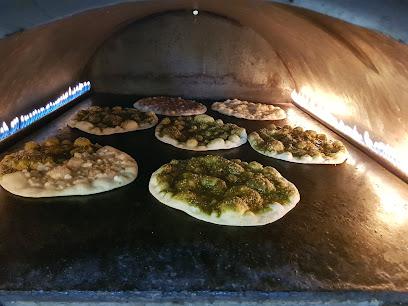
Misc Jezzine
4.7 km
Savor authentic American cuisine at Misc Jezzine - a must-visit destination for food lovers exploring Lebanon's culinary scene.
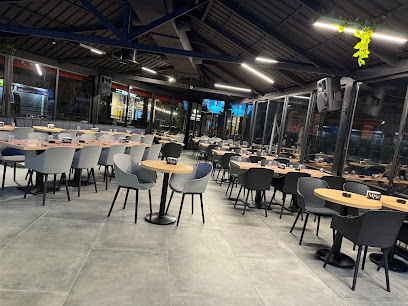
سناك الضيعة
4.7 km
Experience authentic Lebanese flavors at سناك الضيعة in Jezzine – where delicious chicken dishes meet warm hospitality.
SAM’s Saj
4.8 km
Experience authentic Lebanese cuisine at SAM's Saj in Jezzine – a family-friendly restaurant with breathtaking views and delicious dishes.
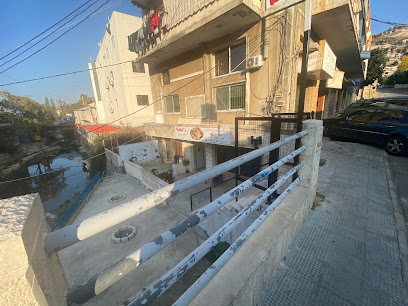
فرن الزحقة - Furn zahka
4.8 km
Savor authentic Lebanese flavors at Furn Zahka in Jezzine - a must-visit bakery for all food lovers.
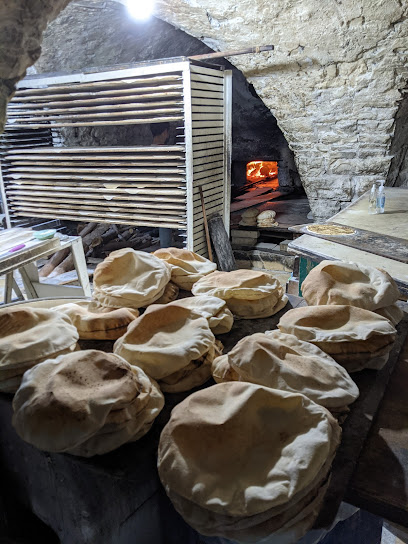
Zero7 (restocafe)
4.8 km
Discover culinary excellence at Zero7 Restocafe in Jezzine – where local flavors meet stunning views.
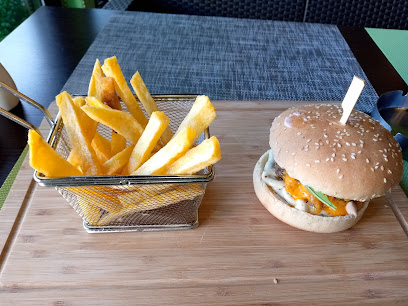
Buny
4.8 km
Experience authentic Lebanese cuisine at Buny in Jezzine - where every meal tells a story.

Restaurant Al Rif
4.8 km
Experience authentic Lebanese cuisine in a family-friendly atmosphere at Restaurant Al Rif in Jezzine.
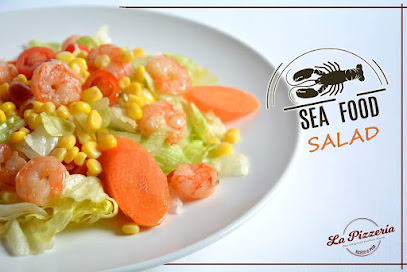
La Pizzeria Lebanon
4.8 km
Experience authentic Lebanese pizza at La Pizzeria Lebanon in Jezzine – where flavor meets tradition amidst stunning landscapes.
Markets, malls and hidden boutiques

Al Chalouf Restaurant مطعم الشالوف
4.5 km
Experience the authentic flavors of Lebanese cuisine in the heart of Jezzine at Al Chalouf Restaurant, a true culinary delight.
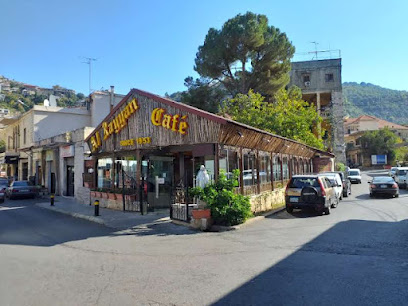
L'histoire de Yasmina
4.5 km
Experience the authentic tastes of Lebanese cuisine at L'histoire de Yasmina in Wadi Jezzine, where local flavors come to life.
Al shallal jezzine مطعم الشلال جزين
4.5 km
Discover the flavors of Lebanon at Al Shallal Jezzine, where stunning views meet exquisite cuisine in the heart of Jezzine.
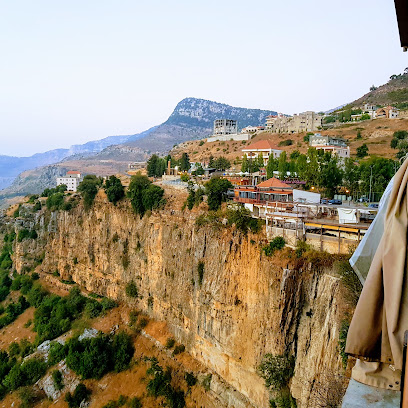
Green Lake Hotel
4.5 km
Discover the serene charm of Green Lake Hotel in Jezzine, where comfort meets nature and unforgettable experiences await.
Centre Rizk
4.6 km
Discover the flavors of Lebanon at Centre Rizk, Jezzine's top grocery store for fresh produce and local delicacies.
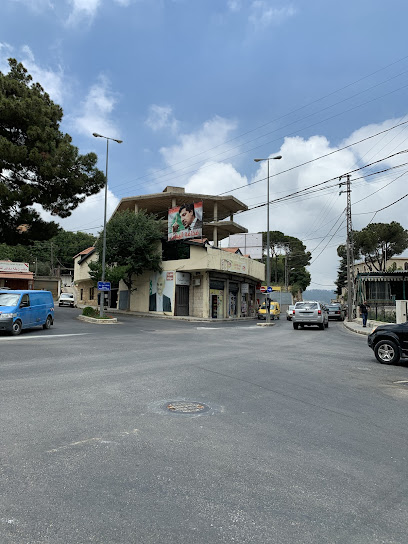
Jezzine Pharmacy
4.6 km
Discover natural health solutions at Jezzine Pharmacy, your go-to destination for homeopathic remedies in the heart of Jezzine.
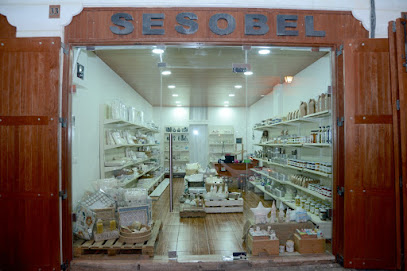
SESOBEL shop Jezzine
4.7 km
Explore the rich craftsmanship of Lebanon at SESOBEL Shop in Jezzine, where every purchase supports local artisans and communities.
Boutique Fadia Touma
4.7 km
Discover unique clothing that blends tradition and modernity at Boutique Fadia Touma, a must-visit store in the heart of Jezzine, Lebanon.
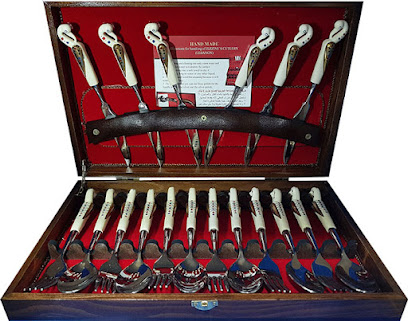
Chahine Cutlery
4.7 km
Explore Chahine Cutlery in Jezzine for exquisite handcrafted knives that blend tradition with modern artistry, perfect for culinary enthusiasts.
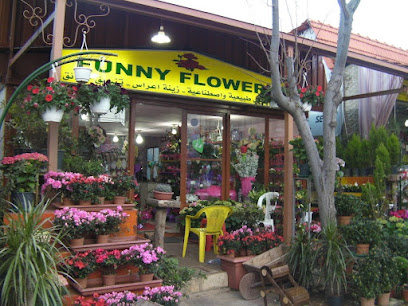
Fani Flowers Jezzine
4.7 km
Explore the floral wonders of Fani Flowers in Jezzine, where every bouquet captures the essence of Lebanon's natural beauty.
Western Union - Bob Cell
4.7 km
Visit Western Union - Bob Cell in Jezzine for the latest mobile technology and exceptional customer service, ensuring you stay connected during your travels.
LE TRÉSOR Jewellery
4.7 km
Explore exquisite handcrafted jewelry at LE TRÉSOR in Jezzine, where local craftsmanship meets timeless elegance.
The Beauty Lounge - Celine Slim
4.7 km
Experience unparalleled beauty and relaxation at The Beauty Lounge - Celine Slim in Jezzine, where elegance meets exceptional service.
Prima Pri
4.7 km
Discover the vibrant offerings of Prima Pri supermarket in Jezzine, where local flavors and essential goods await every traveler.
Haddad Cutlery
4.7 km
Explore the finest handcrafted cutlery at Haddad Cutlery in Jezzine, where tradition meets artistry in every exquisite piece.
Essential bars & hidden hideouts

Blue room
2.1 km
Experience the serene charm of the Blue Room Lounge in Niha, where relaxation meets Lebanese hospitality in a cozy atmosphere.
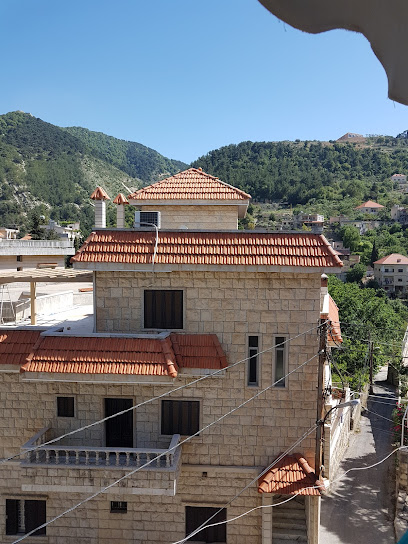
Jezzine Beer Fest
4.4 km
Join the lively Jezzine Beer Fest for a taste of local brews, authentic Lebanese cuisine, and a vibrant atmosphere surrounded by breathtaking scenery.
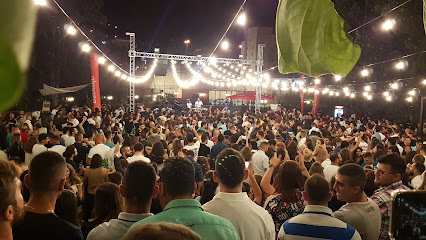
Idyll Bar
4.5 km
Idyll Bar: A serene lakeside retreat in Jezzine, perfect for relaxation and enjoying local culture amidst stunning natural beauty.
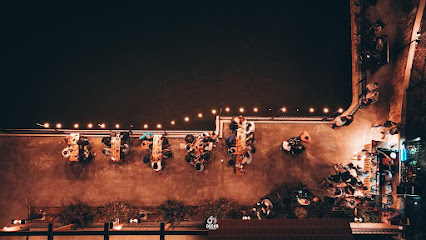
Weidmann beer
4.6 km
Discover Weidmann Beer Garden in Bteddine El Loqch - A delightful retreat for beer lovers amid lush landscapes.
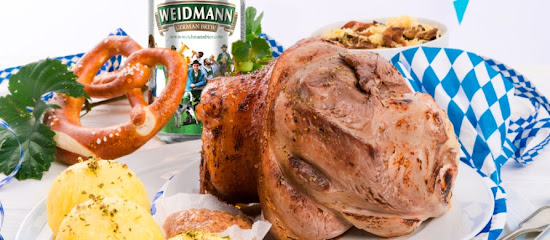
Cafe Al Nahr
4.7 km
Experience the flavors of Lebanon at Café Al Nahr in Jezzine, where traditional dishes meet stunning views in a cozy atmosphere.
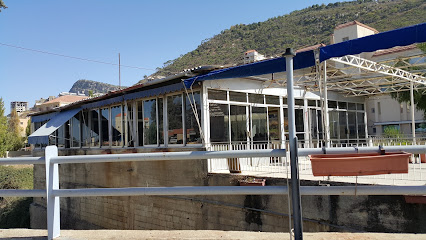
bourbon
4.7 km
Discover Bourbon in Jezzine: A cozy bar perfect for relaxation, offering local drinks and a warm atmosphere amidst stunning views.
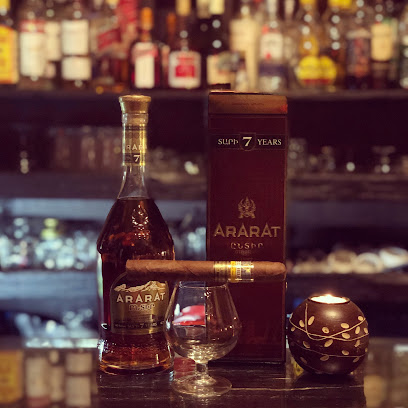
Cheers On Top
4.8 km
Discover the scenic beauty of Jezzine at Cheers On Top, a cozy lounge offering breathtaking views and a relaxing atmosphere for the perfect getaway.
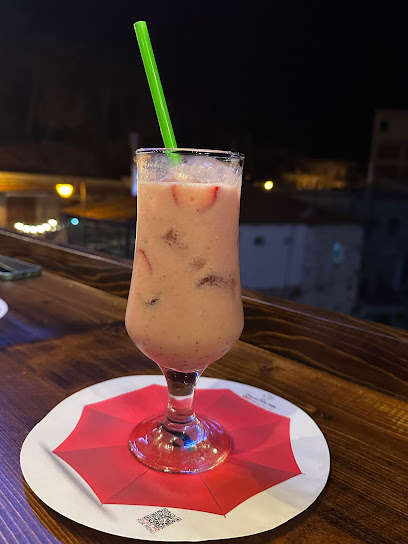
asfouriet tiyeb
5.6 km
Discover the charm of Asfouriet Tiyeb, a cozy bar in Jezzine offering a unique blend of local culture and stunning natural views.
Broken Shaker
6.4 km
Experience the unique cocktail culture at Broken Shaker in Azour, where creativity meets relaxation in a vibrant bar atmosphere.
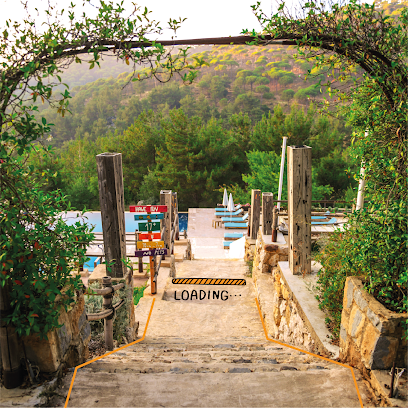
SnowBar Rooftop
7.3 km
Experience the breathtaking views and vibrant atmosphere at SnowBar Rooftop, the premier bar in Azour for cocktails and nightlife.
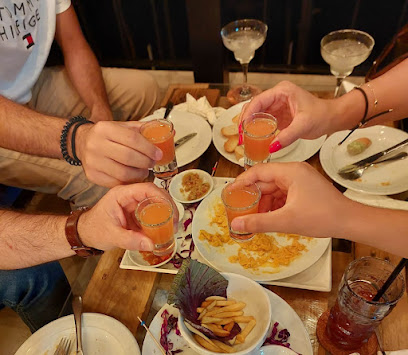
Masay
7.7 km
Discover the lively atmosphere of Masay Lounge in Lebanon, where fun meets flavor and unforgettable moments await.
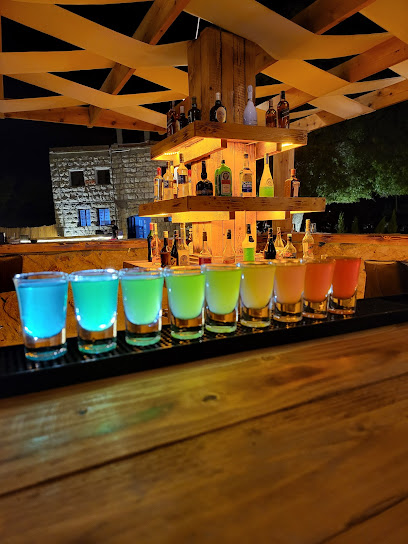
Snow bar
8.1 km
Experience the vibrant nightlife at Snow Bar in Roum, where local culture meets cozy pub vibes and a diverse drink selection awaits.
Simple.shop.lounge
8.9 km
Experience the vibrant atmosphere of Simple.shop.lounge, Aanan's favorite bar for drinks, music, and a welcoming ambiance.
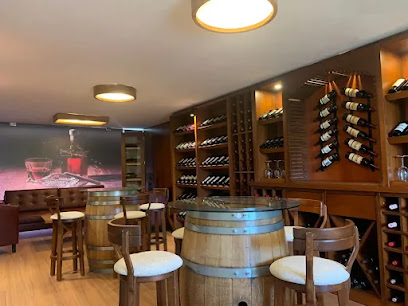
The Bear
10.4 km
Experience the charm of The Bear pub in Samqaniyeh, where local brews meet hearty fare in a cozy atmosphere.
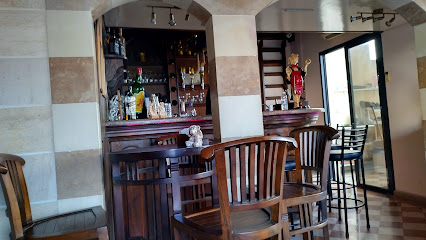
Liqueur Alcoholic Shop
10.6 km
Discover the rich flavors of Lebanon at the Liqueur Alcoholic Shop, where local spirits come to life in a charming and inviting atmosphere.
Nightclubs & after hour spots

Livtheclub on the Roof
5.2 km
Discover the vibrant nightlife at Livtheclub on the Roof in Bkassine, where stunning views meet electrifying music and unforgettable experiences.
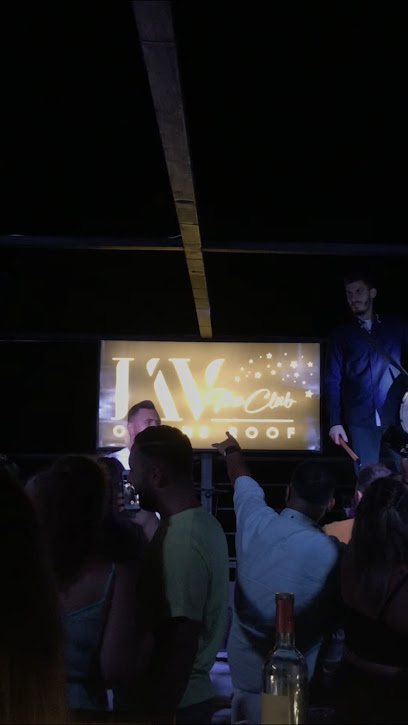
Fusion Cocktail Lounge
7.3 km
Discover the vibrant nightlife of Azour at Fusion Cocktail Lounge, where exquisite cocktails and a stylish ambiance await every visitor.
livtheclub
8.4 km
Discover the pulse of Saida's nightlife at livtheclub, where unforgettable nights and vibrant memories come to life.
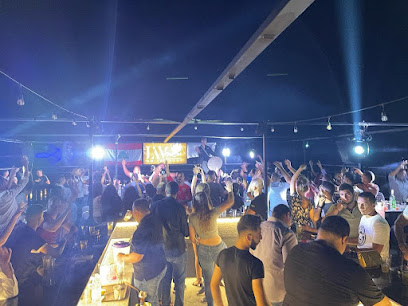
Beit El Hana
11.1 km
Discover the charm of Lebanon at Beit El Hana, a cozy lodging nestled in picturesque surroundings offering a warm and homely atmosphere.
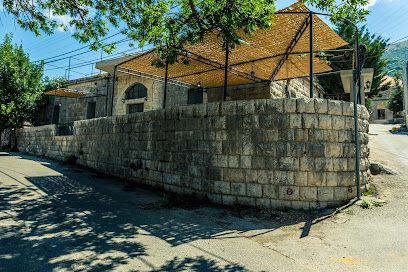
RAD Night Club
11.6 km
Dive into Baakleen's nightlife at RAD Night Club, where electrifying music, vibrant atmosphere, and unforgettable experiences await you.
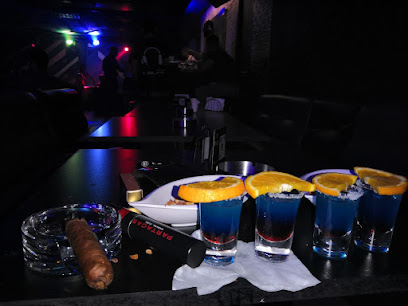
Ashtar Hall
11.8 km
Experience tranquility at Ashtar Hall in Mazboud, a perfect lounge for relaxation amidst local culture and delightful refreshments.
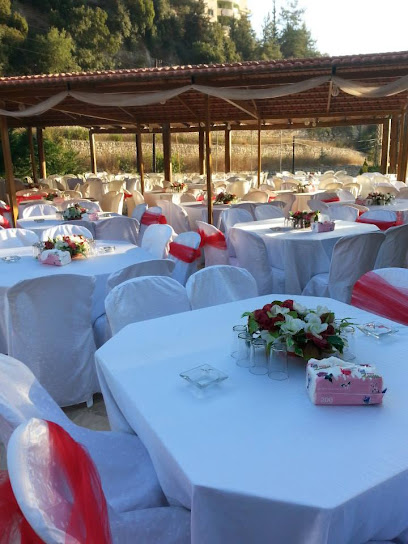
Joun El Chouf - Main Street
14.2 km
Experience the vibrant culture and delicious cuisine of Joun El Chouf's Main Street, a must-visit destination for travelers in Lebanon.
SIGHT - Deir El Qamar
14.8 km
Experience the vibrant nightlife at SIGHT - Deir El Qamar, where delicious cuisine meets stylish lounge vibes in a stunning setting.
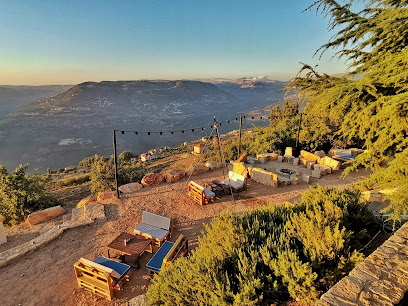
Skal Nightclub
14.9 km
Experience the electrifying nightlife at Skal Nightclub in Lebaa, where music, dancing, and unforgettable moments come alive.
مقهى على ملاح
15.6 km
Experience the vibrant nightlife at مقهى على ملاح, Ain Ed Delb's hottest night club with electrifying music and unforgettable memories.
Royal venue
16.0 km
Discover the electrifying atmosphere and vibrant nightlife at the Royal Venue, the premier night club in Tal Znoub El Jdideh.
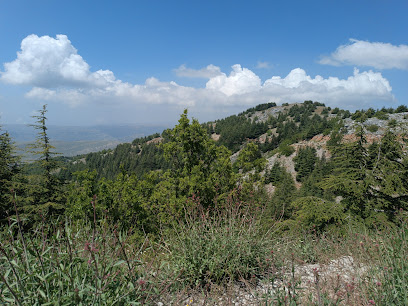
Shouf biosphere reserve/ Entrance to the Barouk Cedar forest
16.4 km
Discover the breathtaking beauty of Shouf Biosphere Reserve, Lebanon's premier national forest, rich in biodiversity and cultural heritage.
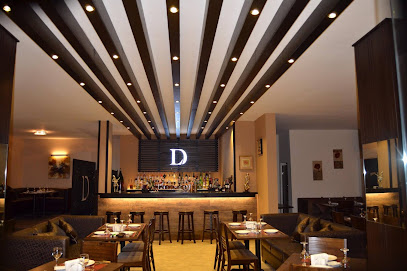
D Lounge
17.2 km
Experience the vibrant nightlife and stylish ambiance of D Lounge in Salhiyeh, where exquisite bites and refreshing drinks await every visitor.
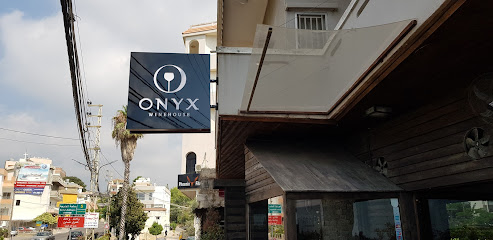
Onyx Winehouse
17.4 km
Experience the perfect blend of fine dining and live jazz at Onyx Winehouse in Salhiyeh, where every evening is a celebration of taste and music.
Pine View Lounge
17.5 km
Escape to Pine View Lounge in Al Bennay for a relaxing experience with delightful drinks and a warm atmosphere.


