

Explore the Enchanting Beauty of Afqa
Discover Afqa, Lebanon's enchanting village of stunning waterfalls, rich history, and breathtaking natural beauty, perfect for an unforgettable getaway.
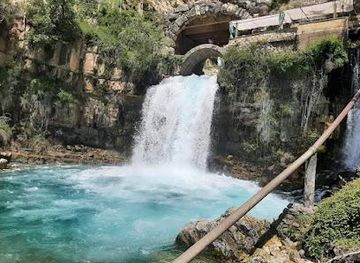
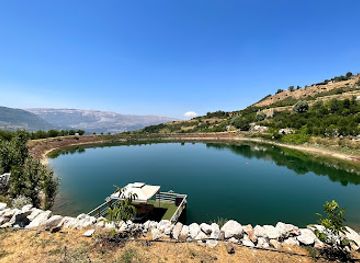
Nestled in the heart of Lebanon, Afqa is a breathtaking destination that captivates visitors with its stunning natural landscapes and rich cultural heritage. From striking waterfalls to ancient ruins, this picturesque village offers a serene escape into nature and history.
A brief summary to Afqa
- Afqa, LB

Know before you go
Hi, I'm Eve. Here are a few practical things to know before exploring Afqa.
- Visit early in the morning to enjoy the tranquility and capture stunning photos of the waterfall.
- Bring a picnic to enjoy by the waterfall, where you can relax and take in the scenery.
- Wear comfortable shoes if you plan to hike the trails for the best experience.
- Engage with local residents to learn about the village's history and hidden spots.
- Check for local festivals or events that may coincide with your visit for an authentic cultural experience.
Do you manage this location?
Take control to get all the benefits, like improved information, better appearance, and stronger visibility across AI-powered discovery. Learn more
Activate your presenceOther nearby places you may find interesting

Getting There
-
Car
If you are driving, start from the center of Jbeil. Head north on the main road (Lebanon Route 1) towards Byblos. Continue to follow Route 1 for about 15 kilometers until you reach a fork in the road. Take the left fork towards Afqa. Follow the signs to Afqa, which will lead you through a scenic route. Keep an eye out for the beautiful landscape as you drive. After approximately 5 kilometers, you will arrive in Afqa. Look for parking options near the attractions.
-
Public Transportation
To reach Afqa using public transportation, start by heading to the Jbeil Bus Station located near the city center. Look for a minibus or shared taxi heading towards Afqa. The fare is usually minimal. The ride takes about 30 minutes. Inform the driver that you want to go to Afqa. The driver will drop you off at the main entrance of Afqa. From there, you can easily navigate to your desired points of interest within Afqa.
Discover more about Afqa
Explore the best of what Afqa has to offer













More about Jbeil
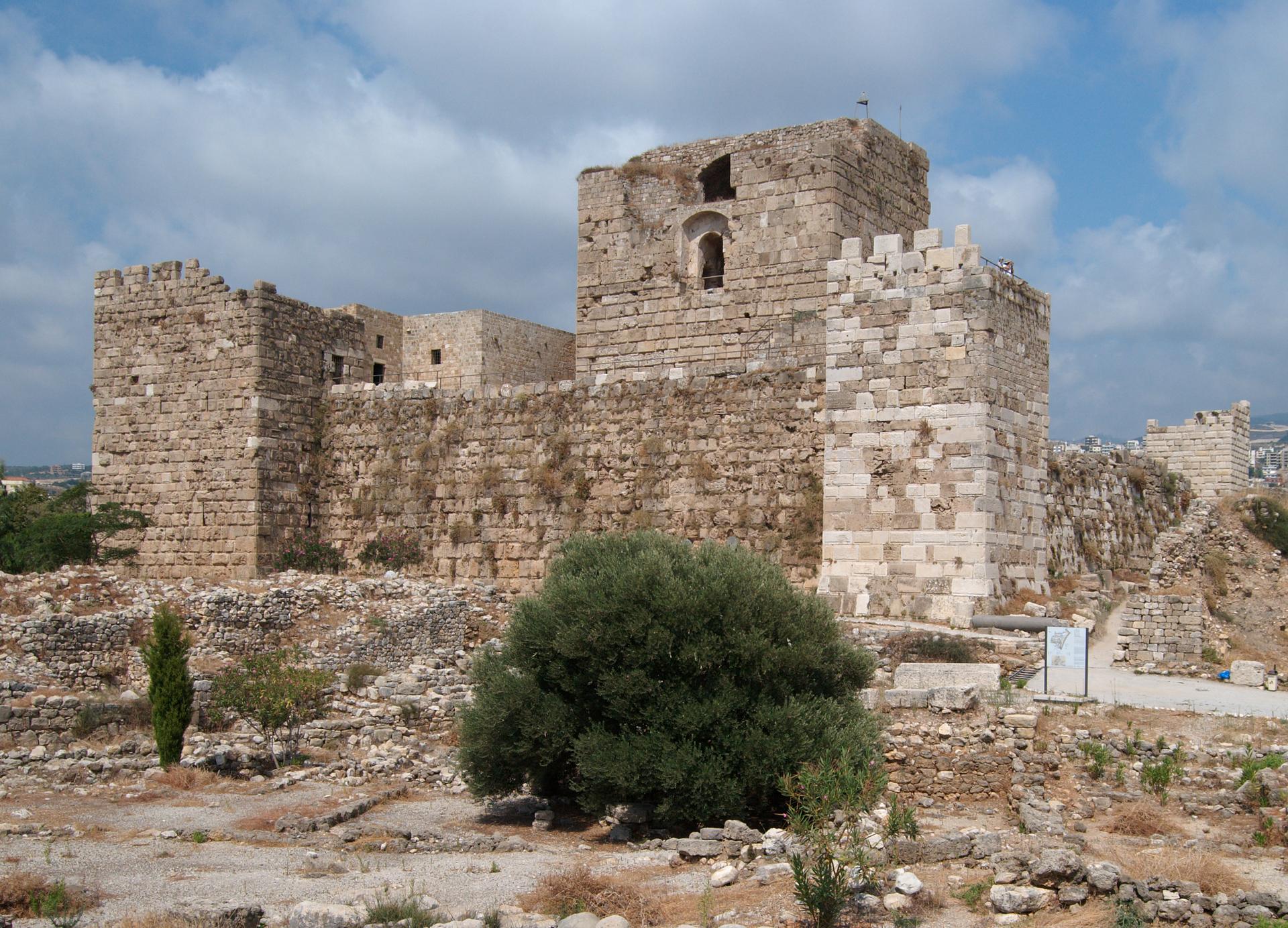
Explore Jbeil, Lebanon's ancient city where history meets modern charm, featuring archaeological wonders, vibrant souks, stunning Mediterranean views, and beautiful beaches.
Tell me more about Jbeil
Discover the beauty of Faqra, a picturesque village in the Lebanese mountains, rich in history and outdoor adventures, perfect for every traveler.

Discover the enchanting beauty of Afqa, Lebanon, with its stunning waterfalls, lush landscapes, and rich cultural heritage, perfect for nature lovers and adventure seekers.
