
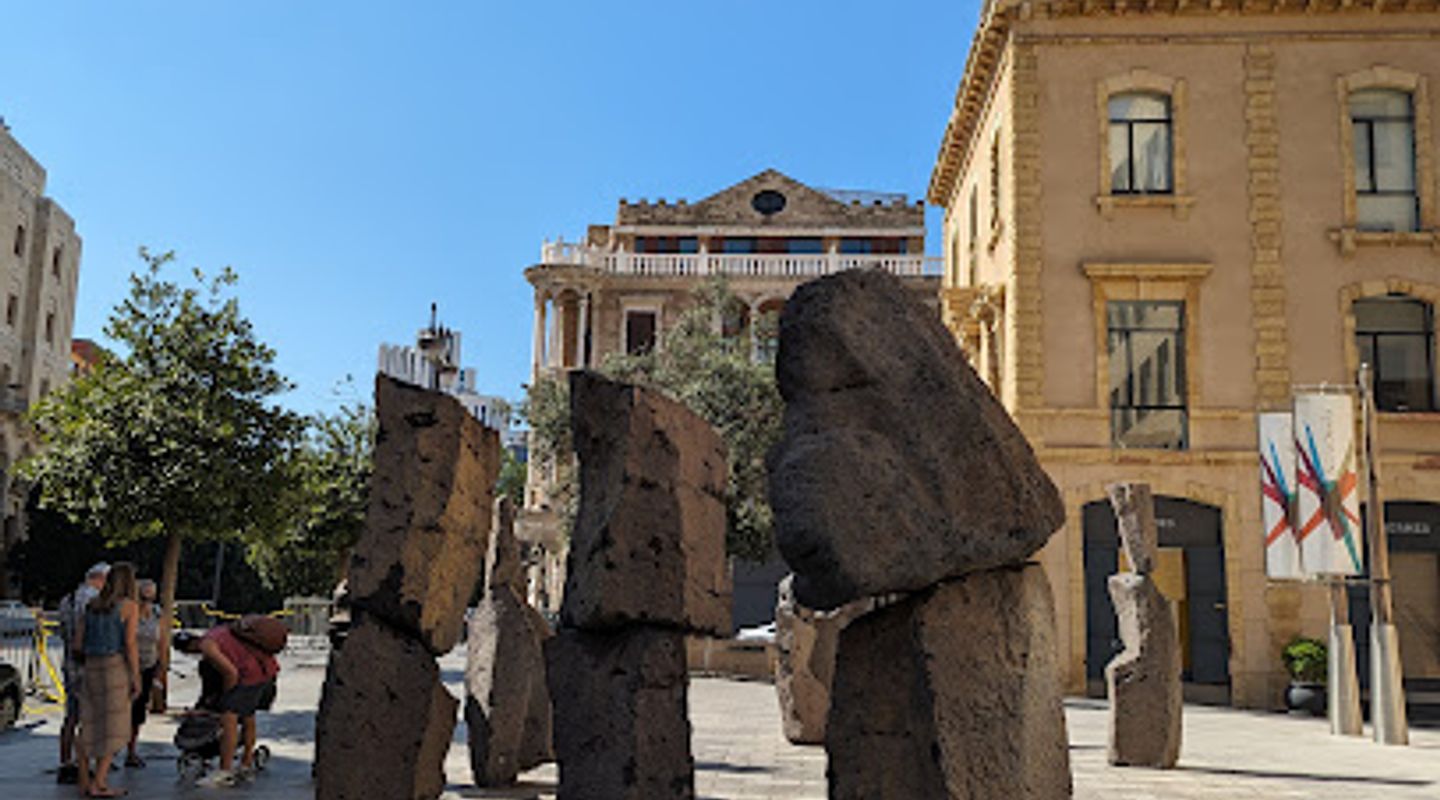
Colonnaded Street, Metn Travel Guide
Step back in time on Beirut's Colonnaded Street, where Roman history comes to life amidst ancient columns and mosaic pavements.
The Colonnaded Street in Beirut is a historical thoroughfare that was once a vital part of Roman Berytus. Unearthed in the mid-1990s, the street features remnants of columns, mosaic pavements, and shops, offering a glimpse into the city's Roman and Byzantine past.
A brief summary to Colonnaded Street
- VGX3+CF2 Block M – 4th floor, Weygand street, Beirut, LB

Know before you go
Hi, I'm Eve. Here are a few practical things to know before exploring Colonnaded Street.
- Visit during the early morning or late afternoon to avoid crowds and enjoy the best lighting for photos.
- Take a guided tour to gain deeper insights into the historical significance of the area.
- Don't miss the nearby cafes where you can enjoy traditional Lebanese coffee and pastries.
Do you manage this location?
Take control to get all the benefits, like improved information, better appearance, and stronger visibility across AI-powered discovery. Learn more about listing your business on Evendo
Activate your presenceOther nearby places you may find interesting
The closest places of the same kind, if this one is not quite what you had in mind.
Explore Colonnaded Street on the Map
A handpicked selection of must-see spots near Colonnaded Street, mapped for you.
Getting There
-
Walking
If you're starting from the Beirut Souks, exit the Souks and head towards Rue de la Liberté. Walk straight down Rue de la Liberté for about 10 minutes until you reach the intersection with Rue Weygand. You will see the Al-Amin Mosque on your right. Turn right onto Rue Weygand and continue walking for about 5 minutes. Colonnaded Street will be on your right side, near the Archaeological Museum of Beirut.
-
Public Transport
From Martyrs' Square, take a local bus or shared taxi heading towards Hamra. Inform the driver you want to go to Weygand Street. From there, you can either walk or take a local taxi directly to VGX3+CF2 Block M on Weygand Street. The walk should take around 10-15 minutes. Expect to pay around 2,000 to 5,000 LBP for the bus fare.
-
Taxi
Taxis are readily available throughout Beirut. A short taxi ride from Gemmayzeh to the Colonnaded Street will typically cost between $3 to $6, depending on traffic and time of day. Confirm the fare with the driver before starting your journey, as not all taxis use meters.
Discover more about Colonnaded Street













Your all‑in‑one travel companion app
Explore expert travel guides, compare and book tours, experiences, hotels, and more—all from the palm of your hand. Download now for seamless trip planning wherever your wanderlust takes you.


Explore More of Metn
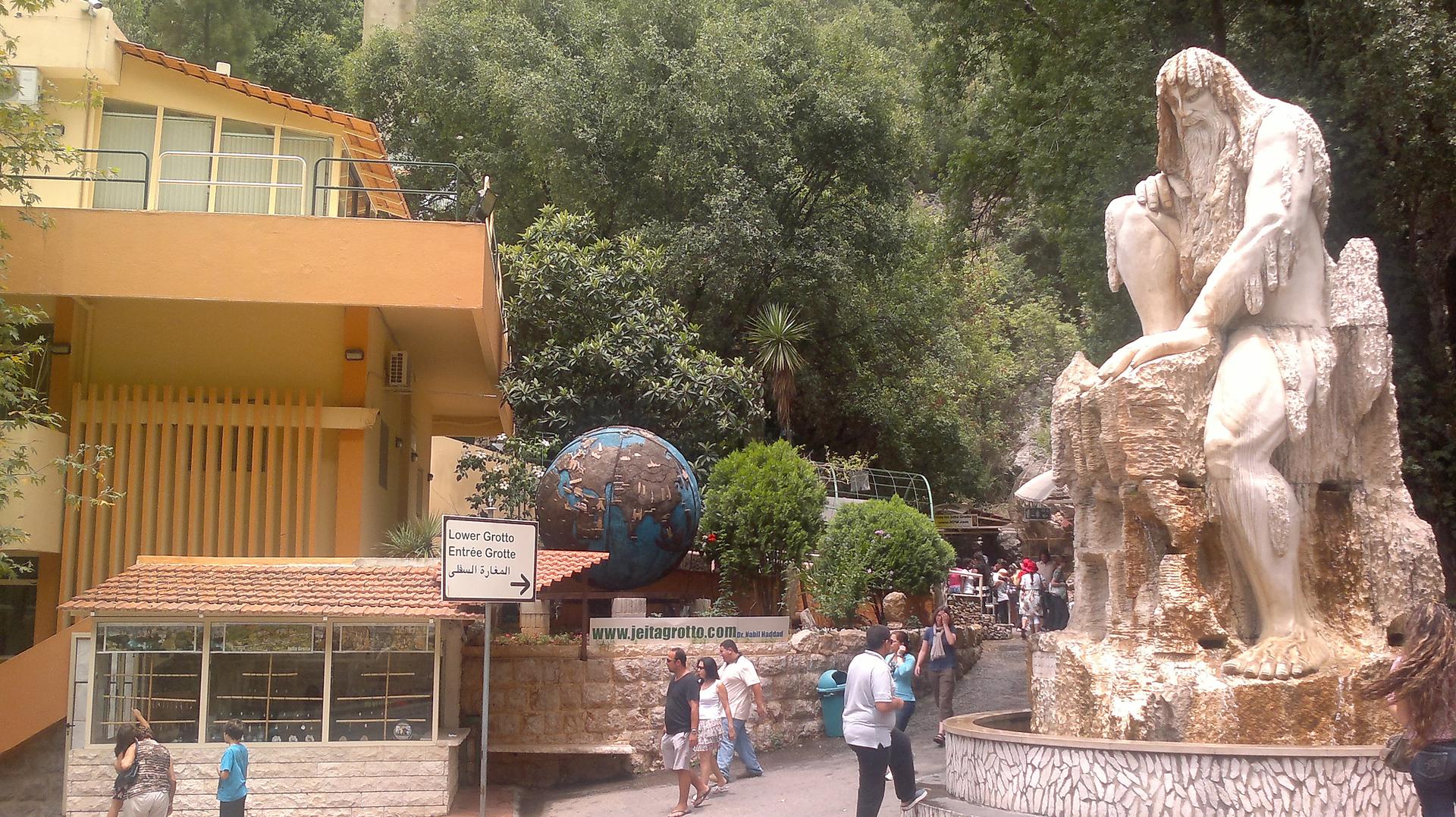
Looking beyond Colonnaded Street? Discover Metn for broader travel guides, local hot-spots, and regional highlights.
Explore Metn
Discover a world of art, jewelry, and history in a stunning neo-gothic palace in the heart of Beirut. A cultural gem!

Explore the historic Al-Omari Grand Mosque in Beirut, a stunning blend of Roman, Christian, and Islamic influences showcasing the city's rich cultural heritage.
