

Free Metn Travel Guide & Mobile App
Explore Metn with free travel guides. Discover regional history, expert tips, proposed trips, and audio guides on web or mobile app.


Explore Metn in Lebanon for Armenian heritage, Roman ruins, mountain villages, Lebanese dining and wooded Mount Lebanon escapes near Beirut.
Read more about Metn
When is the best time to visit Metn?
Best: April–May, October · 24–28°C| Month | High (°C) | Rainfall (mm) |
|---|---|---|
| January | 15 | 130 |
| February | 16 | 110 |
| March | 19 | 90 |
| April (best) | 24 | 60 |
| May (best) | 28 | 30 |
| June | 33 | 20 |
| July | 35 | 10 |
| August | 35 | 10 |
| September | 33 | 20 |
| October (best) | 28 | 50 |
| November | 21 | 80 |
| December | 16 | 110 |
Getting to and around Metn
How to get there
Transportation
Top city travel guides in Metn
The cities of Metn, and the easiest places to base yourself.
-

-
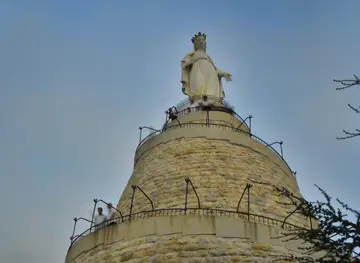
-

-


Swipe for more cities
Destinations in Metn
Resorts, valleys and scenic spots worth a trip of their own.
-
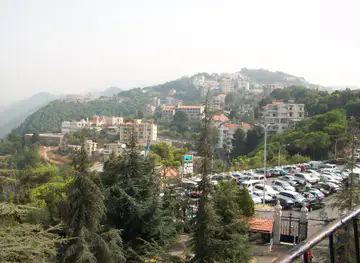
-


Swipe for more destinations
Best attractions in Metn
Metn’s attractions range from dense urban culture to historic hilltop sites and wooded mountain landscapes. Bourj Hammoud is the district’s most distinctive cultural destination, with Armenian churches, food traditions, craft workshops and an intensely commercial street life. Antelias adds religious and cultural importance through the Catholicosate of the Great House of Cilicia and associated Armenian institutions. In the hills, Beit Mery deserves attention for the Roman and later remains at Deir el Qalaa, while Broummana, Baabdat and Bikfaya provide cooler streets, churches, restaurants and views across the Beirut plain. The district also offers opportunities for short walks, scenic drives and seasonal mountain recreation, though its built-up character means that this is not a wilderness destination. Shopping centres and family-oriented leisure facilities are concentrated in the lower, suburban belt, while upper Metn is better suited to combining heritage, dining and outdoor time. Visitors should treat the region as a varied metropolitan district rather than a single attraction zone, and confirm access arrangements for private, religious or weather-dependent sites.
-
Mountain cable car
Teleferique du Liban
Experience breathtaking views of Lebanon with a ride on the Teleferique du Liban, ascending from Jounieh to the iconic Our Lady of Lebanon shrine.
-
Historical landmark
Beiteddine Palace
Explore Lebanon's rich history at Beiteddine Palace, a stunning architectural masterpiece with Ottoman, Arab, and European influences.
-
Ski resort
Zaarour Club
Experience year-round mountain adventures at Zaarour Club, Lebanon: skiing, hiking, and family fun just a short drive from Beirut.
-
Picnic ground
HillHout Village
Discover a serene escape at HillHout Village in Khenchara: nature, activities, and delicious Lebanese cuisine await for an unforgettable day.


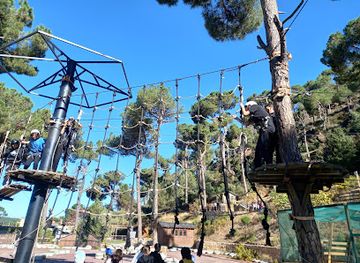
Best landmarks in Metn
Deir el Qalaa in Beit Mery is Metn’s most important archaeological landmark, where Roman remains and a later monastery occupy a prominent hillside position above the capital’s plain. Its layered construction reflects the repeated religious and strategic use of the site. The Catholicosate of the Great House of Cilicia at Antelias is another defining landmark, representing the institutional presence and history of Lebanon’s Armenian Apostolic community. In Bourj Hammoud, Armenian churches and the tightly built commercial streets form a cultural landmark on an urban rather than monumental scale; their significance lies in the neighbourhood’s history of refuge, craftsmanship and community rebuilding. The older churches and stone houses of Baabdat, Bikfaya and Beit Mery provide further evidence of Mount Lebanon’s settled religious landscape, although many have been repaired or altered over time. The steep wooded slopes above the coastal plain are themselves a notable geographical feature, expressing the sharp transition from Beirut’s metropolitan edge to the cooler uplands of Mount Lebanon.
-
Promenade
Zaituna Bay
Experience the vibrant atmosphere of Zaituna Bay, Beirut's premier promenade offering stunning sea views, delectable dining, and unforgettable memories.
-
Tourist attraction
Jeita Grotto
Explore the Jeita Grotto, Lebanon's breathtaking limestone caves and UNESCO World Heritage Site, perfect for nature lovers and adventure seekers alike.
-
Tourist attraction
Al Raouche Rocks
Explore the breathtaking Al Raouche Rocks in Beirut, a stunning natural attraction and historical landmark offering vibrant coastal views and local charm.
-
Shopping mall
City Mall
Explore the vibrant City Mall in Jdeideh, Lebanon, where shopping, dining, and entertainment come together in a fantastic experience for every visitor.


Explore Metn on the map
Plan your trip on one map. See where the top cities, national parks and sights are, and book hotels and experiences in a few clicks.
Best hotels in Metn
Best restaurants in Metn
Metn’s food scene reflects the meeting of Lebanese mountain cooking, Beirut’s metropolitan appetite and the deep Armenian heritage of the lower district. Bourj Hammoud is particularly rewarding for Armenian specialities such as lahmejun, grilled meats, sujuk, basturma, pickles, breads and pastries, with delicatessens and sweet shops offering ingredients and recipes shaped by generations of community life. Across Antelias, Dbayeh and the mountain towns, restaurants serve Lebanese mezze, kibbeh, seafood, charcoal-grilled dishes and regional desserts, while cafés and bakeries provide an easier midday option. Higher villages often make use of seasonal produce from Mount Lebanon, including fruit, herbs and preserved foods, although menus vary widely between establishments. Wine and arak, Lebanon’s aniseed spirit, appear on many Lebanese menus, but availability and service differ. Independent eateries, family-run restaurants and hotel dining are more characteristic than one single regional cuisine, so asking about house specialities is often more useful than relying on generic international menus.
-
Lebanese
Basterma Mano
Savor authentic Lebanese flavors at Basterma Mano, Bourj Hammoud's top fast-food destination for delicious manakish and shawarmas.
-
Lebanese
Mounir
Experience authentic Lebanese cuisine at Mounir in Broumana – where flavors meet tradition amidst stunning mountain views.
-
Restaurant
Manuella
Discover authentic Lebanese cuisine at Manuella on Jounieh's scenic Sea Road—where exquisite seafood meets breathtaking Mediterranean views.
-
Lebanese
Babel Dbayeh
Experience authentic Lebanese cuisine at Babel Dbayeh – where tradition meets taste in every delightful dish.


Best bars in Metn
Metn’s evening life is diverse but dispersed. In Bourj Hammoud, Antelias, Zalka and Dbayeh, restaurants, cafés, pubs and lounges provide much of the after-dark activity, with Armenian and Lebanese food often central to the evening rather than treated as a separate course from nightlife. Broummana has a long association with summer dining, terraces and hotel-based evening entertainment, especially when residents and visitors move into the hills to escape the coastal heat. Some venues in the lower district offer cocktails, live music or late evening socialising, while upper Metn is generally quieter and more dependent on restaurants, cafés and seasonal programming than on large clubs. Beirut’s better-known nightlife districts are outside Metn, so visitors should not expect the district to function as one continuous club area. Opening arrangements and the atmosphere of individual venues can change, making current local checks important.
-
Lounge
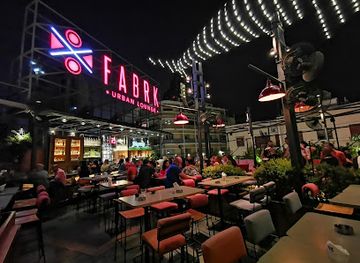
FABRK
Experience the vibrant nightlife of Beirut at FABRK, a trendy lounge known for its cocktails, live music, and inviting atmosphere.
-
Restaurant
House Of Music HQ Cafe/Bar
Experience the perfect fusion of music, cocktails, and coffee at House Of Music HQ Cafe/Bar, where every visit is a celebration of taste and sound.
-
Lounge
Bar Du Port
Experience the chic ambiance and stunning seaside views at Bar Du Port, a premier lounge in Beirut perfect for cocktails and socializing.
-
Bar
ODIN Mzaar Kfardebian
Discover ODIN Mzaar Kfardebian: A lively bar and diner in Lebanon's breathtaking mountains, offering delicious food, drinks, and a vibrant atmosphere.


Best nightclubs in Metn
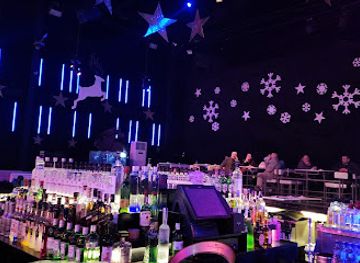
Metn’s evening life is diverse but dispersed. In Bourj Hammoud, Antelias, Zalka and Dbayeh, restaurants, cafés, pubs and lounges provide much of the after-dark activity, with Armenian and Lebanese food often central to the evening rather than treated as a separate course from nightlife. Broummana has a long association with summer dining, terraces and hotel-based evening entertainment, especially when residents and visitors move into the hills to escape the coastal heat. Some venues in the lower district offer cocktails, live music or late evening socialising, while upper Metn is generally quieter and more dependent on restaurants, cafés and seasonal programming than on large clubs. Beirut’s better-known nightlife districts are outside Metn, so visitors should not expect the district to function as one continuous club area. Opening arrangements and the atmosphere of individual venues can change, making current local checks important.
-
Night club
Mine Beirut
Dive into the vibrant nightlife of Mine Beirut, where live music, dancing, and seaside views create unforgettable memories.
-
Disco club
Kult
Experience the pulsating beats and vibrant energy at Kult, Beirut's premier disco club and nightlife hotspot.
-
Night club
BAHAY
Experience the vibrant nightlife at BAHAY, a premier night club in Baouchriyeh, offering an electrifying atmosphere and unforgettable memories.
-
Night club
BOLD rooftop
Experience the vibrant nightlife of Lebanon at BOLD Rooftop, where stunning views and lively ambiance create unforgettable moments.



Best shops in Metn
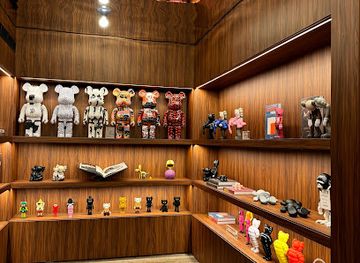
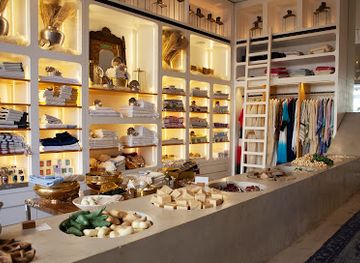
Shopping in Metn ranges from specialist neighbourhood commerce to large suburban retail complexes. Bourj Hammoud is the district’s most characterful shopping area, known for Armenian food shops, bakeries, jewellers, leather goods, clothing, shoes, household items and small workshops. Its streets reward browsing, but visitors should compare prices and clarify whether amounts are quoted in Lebanese pounds or US dollars. The lower corridor around Dora, Dbayeh and neighbouring commercial areas contains supermarkets, furniture retailers, electronics shops and larger organised centres, while the upper towns offer smaller independent stores, cafés and boutiques rather than extensive department-store shopping. Look for Lebanese sweets, spice blends, preserves, olive products, wine, arak and locally made accessories as practical souvenirs, choosing packaged food that is suitable for travel. Art galleries and craft businesses appear in several parts of Metn, but they are often scattered, so local recommendations are more useful than expecting one concentrated arts district.
-
Shopping mall
LeMall
Discover luxury shopping, exquisite dining, and vibrant entertainment at LeMall, the ultimate shopping destination in Beirut, Lebanon.
-
Gift shop
Jack Gifts Accessories
Explore Jack Gifts Accessories for unique fashion and gifts, offering a delightful mix of handbags, watches, and local treasures in the Municipality.
-
Clothing store
Pop Up Concepts Flagship
Experience the vibrant essence of Beirut at Pop Up Concepts Flagship, where fashion meets art in a treasure trove of unique finds.
-
Clothing store
Orient 499 Beirut
Explore the chic and contemporary Orient 499 in Beirut, where fashion meets home decor in a stylish shopping experience.


Get your free copy of our complete guide to Metn, delivered straight to you.
Everything on this page, from attractions and restaurants to essentials and local phrases, in one PDF you can read offline, print or share.
Already have an account? Sign in
Your Metn guide is ready.
We'll send it to · Not you? Sign out

Getting your guide ready…
We are putting together a fresh copy of the Metn guide. This can take up to a minute.
This can take a few moments. If your browser asks, choose Allow so the download can start. You'll find the guide in your Downloads folder.
Nothing happened? Download it again
Sorry, the guide is taking longer than usual. Please try again in a minute, or get it by email instead.
Metn essentials
Currency and Payment
Safety
Emergency Situations
Do's and Don'ts
Local Tips
From Eve
Local phrases worth knowing
You don't need to get them perfect. A few words go a long way, and locals appreciate the effort.
Basics
| English | Local | Say it |
|---|---|---|
| Hello | مرحبا | [Marhaba] |
| Goodbye | وداعا | [Wada'an] |
| Yes | نعم | [Na'am] |
| No | لا | [La] |
| Please/You're welcome | من فضلك | [Min fadlik] |
| Thank you | شكرا | [Shukran] |
| Excuse me/Sorry | عفوا | [Afwan] |
| How are you? | كيف حالك؟ | [Kayfa halak?] |
| Fine. And you? | بخير. وانت؟ | [Bikhayr. Wa enta?] |
| Do you speak English? | هل تتحدث الإنجليزية؟ | [Hal tatahaddath al-ingliziyya?] |
| I don't understand | لا أفهم | [La afham] |
Eating & Drinking
| English | Local | Say it |
|---|---|---|
| I'd like to see the menu, please | أود رؤية القائمة، من فضلك | [Awad ru'yat al-qa'ima, min fadlik] |
| I don't eat meat | لا آكل اللحم | [La akul al-lahm] |
| Cheers! | في صحتك! | [Fi sihtak!] |
| I would like to pay, please | أود الدفع، من فضلك | [Awad al-daf', min fadlik] |
Emergencies
| English | Local | Say it |
|---|---|---|
| Help! | نجدة! | [Najda!] |
| Go away! | ابتعد! | [Ibt'a'd!] |
| Call the Police! | اتصل بالشرطة! | [Ittasil bil-shurta!] |
| Call a doctor! | اتصل بالطبيب! | [Ittasil bil-tabeeb!] |
| I'm lost | أنا ضائع | [Ana da'i'] |
| I'm ill | أنا مريض | [Ana marid] |
Shopping
| English | Local | Say it |
|---|---|---|
| I'd like to buy... | أود شراء... | [Awad shira'] |
| I'm just looking | أنا فقط أنظر | [Ana faqat anzur] |
| How much is it? | كم ثمنه؟ | [Kam thamanuh?] |
| That's too expensive | هذا غالي جدا | [Hatha ghali jidan] |
| Can you lower the price? | هل يمكنك تخفيض السعر؟ | [Hal yumkinuka takhfid al-si'r?] |
Time & Numbers
| English | Local | Say it |
|---|---|---|
| What time is it? | كم الساعة؟ | [Kam al-saa'a?] |
| It's one o'clock | الساعة واحدة | [Al-saa'a wahida] |
| Half past (10) | نصف (10) | [Nisf (10)] |
| Morning | صباحا | [Sabahan] |
| Afternoon | بعد الظهر | [Ba'd al-zuhur] |
| Evening | مساءا | [Masa'an] |
| Yesterday | أمس | [Ams] |
| Today | اليوم | [Al-yawm] |
| Tomorrow | غدا | [Ghadan] |
| 1 | واحد | [Wahid] |
| 2 | اثنان | [Ithnan] |
| 3 | ثلاثة | [Thalatha] |
| 4 | أربعة | [Arba'a] |
| 5 | خمسة | [Khamsa] |
| 6 | ستة | [Sitta] |
| 7 | سبعة | [Sab'a] |
| 8 | ثمانية | [Thamaniya] |
| 9 | تسعة | [Tis'a] |
| 10 | عشرة | [Ashara] |
Transport & Directions
| English | Local | Say it |
|---|---|---|
| Where's a/the...? | أين...؟ | [Ayna...?] |
| What's the address? | ما هو العنوان؟ | [Ma huwa al-'unwan?] |
| Can you show me (on the map)? | هل يمكنك إظهار لي (على الخريطة)؟ | [Hal yumkinuka izhar li (ala al-kharita)?] |
| When's the next (bus)? | متى ستكون الحافلة التالية؟ | [Mata satakoon al-hafila al-taliya?] |
| A ticket (to ....) | تذكرة (إلى....) | [Tadhkara (ila....)] |
History of Metn
Ancient Berytus and the Beit Mery Heights
The hill settlement now known as Beit Mery occupies a strategic position above the Beirut plain. In antiquity, the area was connected with Berytus, the Roman city whose influence extended into the surrounding hills. Archaeological remains at Deir el Qalaa include Roman-period structures and later religious buildings, illustrating how sacred and civic sites were repeatedly adapted over many centuries. The surviving ruins are important not because they represent an isolated ancient town, but because they show the close relationship between Beirut and its mountain hinterland.
Christian Monasteries and Mountain Communities
During the Byzantine and medieval periods, the slopes of Mount Lebanon developed as a landscape of villages, churches and monasteries. Communities in Metn cultivated difficult terrain, managed springs and maintained routes linking the coast with the interior. Monastic foundations and parish churches became centres of worship, education and local identity. Many later buildings were rebuilt or altered, but the concentration of religious sites in towns such as Beit Mery, Baabdat and Bikfaya reflects the long settlement history of the district rather than a recent tourist construction.
Ottoman Rule, Silk and Coastal Trade
Under Ottoman rule, Metn was part of the wider Mount Lebanon economy, in which mulberry cultivation and silk production connected mountain villages to merchants, workshops and ports. The industry expanded particularly in the nineteenth century, when European demand encouraged the cultivation of silk and the development of processing facilities. Roads and commercial links strengthened the relationship between the uplands and the coastal plain. Although the silk economy later declined, its legacy remains in the historic houses, terraces and patterns of migration associated with Mount Lebanon.
The First World War and the Armenian Community
The aftermath of the First World War brought Armenian survivors and refugees to Lebanon. Many settled in areas east of Beirut, helping shape Bourj Hammoud into the country’s foremost Armenian urban centre. Workshops, schools, churches, political organisations, restaurants and family businesses created a distinctive neighbourhood whose influence extends well beyond its boundaries. Bourj Hammoud’s streets and commercial traditions are therefore part of a wider history of displacement, rebuilding and community formation in the modern Middle East.
Mandate Roads and Beirut’s Expanding Suburbs
During the French Mandate and after Lebanon’s independence in 1943, improved roads and expanding commerce tied Metn increasingly closely to Beirut. Coastal settlements grew into continuous urban districts, while mountain towns became residential and summer destinations for people seeking a cooler climate. The development of schools, hospitals, offices and transport corridors changed the district from a predominantly rural hinterland into a complex metropolitan fringe. Older villages and agricultural plots survived, but they increasingly stood beside apartment buildings, industrial premises and commercial centres.
Civil War, Displacement and Reconstruction
The Lebanese Civil War affected Metn through displacement, political division, interruptions to transport and damage to infrastructure, even though the intensity of fighting varied between localities and periods. The district also received residents displaced from other parts of Lebanon, accelerating its urban growth. After the war, reconstruction and private development transformed the coastal corridor and many mountain slopes. Contemporary Metn consequently combines long-established communities and historic buildings with dense traffic, new construction and a metropolitan economy linked closely to Beirut.
Metn in Photos
Browse through our photo collection highlighting the charm and character of the destination.
Neighbouring regions of Metn
The closest regions to Metn, if you have time for more than one.
-

-

-

-

-


Swipe for more regions
Explore more

Explore more of Lebanon
Discover Lebanon: A land of ancient history, vibrant culture, stunning landscapes, and delicious cuisine, nestled on the Mediterranean coast.
Explore Lebanon