

Valley qadisha, Qadisha Grotto Travel Guide
Discover the Qadisha Valley: a UNESCO World Heritage Site with ancient monasteries, stunning landscapes, and a rich Christian heritage in northern Lebanon.
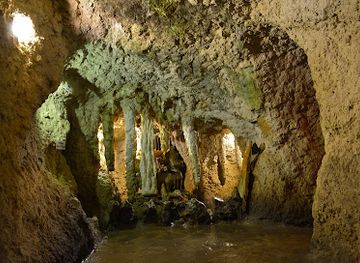
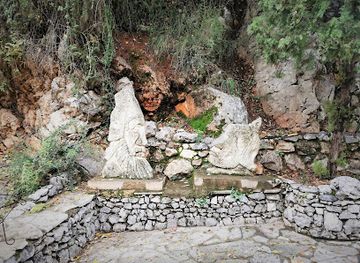
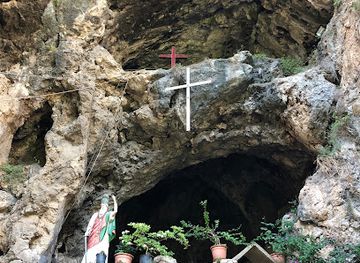
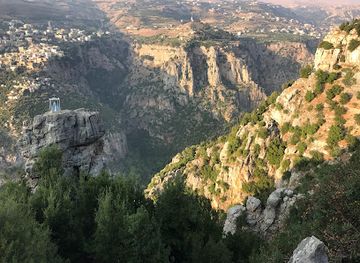
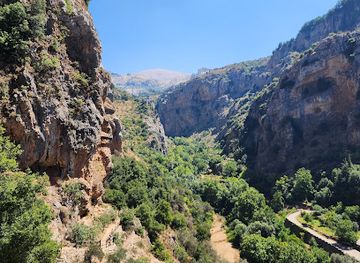
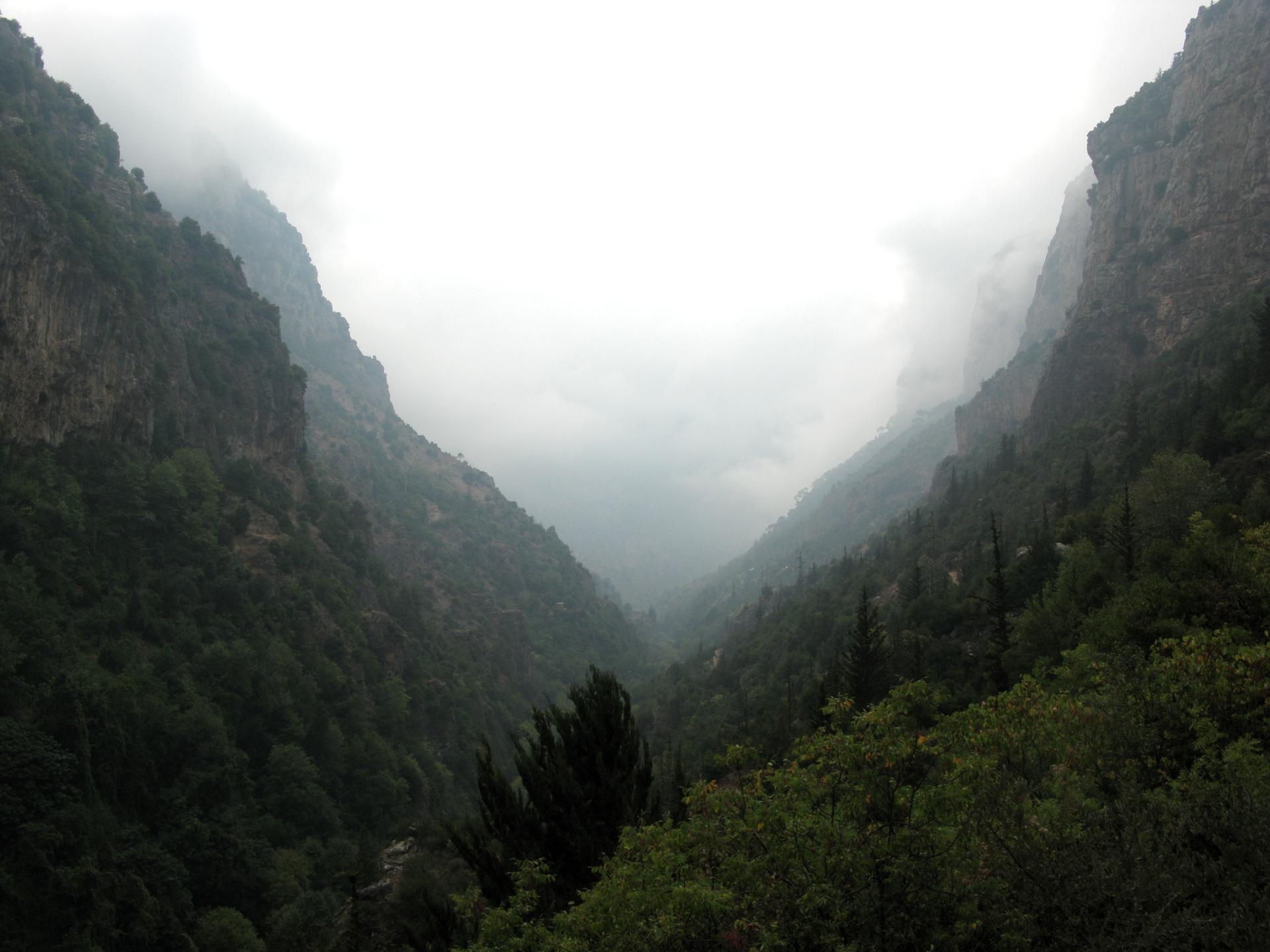
The Qadisha Valley, a UNESCO World Heritage site in northern Lebanon, is a stunning gorge of immense cultural, religious, and natural significance. Known as the Holy Valley, it has been a refuge for Christian monasticism for centuries, dotted with ancient monasteries, hermitages, and caves.
A brief summary to Valley qadisha
- 62W7+97R, Bsharri, LB

Know before you go
Hi, I'm Eve. Here are a few practical things to know before exploring Valley qadisha.
- Wear comfortable shoes for hiking the valley's trails, which can range from easy walks to challenging paths.
- Bring water and snacks, especially if you plan on hiking, as there are limited facilities within the valley.
- Dress respectfully when visiting religious sites, covering shoulders and knees.
- Check the weather forecast before you go, as the region can experience snowfall in winter.
- Consider hiring a local guide to learn more about the valley's history, culture, and natural beauty.
Do you manage this location?
Take control to get all the benefits, like improved information, better appearance, and stronger visibility across AI-powered discovery. Learn more about listing your business on Evendo
Activate your presenceOther nearby places you may find interesting
The closest places of the same kind, if this one is not quite what you had in mind.
Explore Valley qadisha on the Map
A handpicked selection of must-see spots near Valley qadisha, mapped for you.
Getting There
-
Public Transport
From Beirut, take a bus to Tripoli. From Tripoli, take a minibus or taxi to Bsharri, the gateway to the Qadisha Valley. The bus from Beirut to Tripoli costs approximately 240,000 LBP. The minibus or taxi from Tripoli to Bsharri will cost extra. From Bsharri, local taxis can take you to various points within the valley.
-
Taxi
Hire a taxi from Beirut directly to Bsharri. The journey takes around 1.5 hours. A taxi from Beirut to Bsharri costs approximately 2,400,000 LBP.
Discover more about Valley qadisha













Your all‑in‑one travel companion app
Explore expert travel guides, compare and book tours, experiences, hotels, and more—all from the palm of your hand. Download now for seamless trip planning wherever your wanderlust takes you.


Explore More of Qadisha Grotto
Looking beyond Valley qadisha? Discover Qadisha Grotto for broader travel guides, local hot-spots, and regional highlights.
Explore Qadisha Grotto
Discover the serene beauty of Bsharri's Public Garden, a lush park perfect for relaxation, picnics, and family outings amidst nature.

Experience the tranquil beauty of Bassam Melhem Geagea Garden in Bsharri, a perfect escape for nature lovers and peace seekers.
