

Al-Omari Grand Mosque, Mount Lebanon Travel Guide
Explore the historic Al-Omari Grand Mosque in Beirut, a stunning blend of Roman, Christian, and Islamic influences showcasing the city's rich cultural heritage.
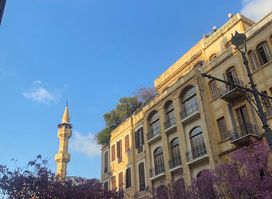
The Al-Omari Grand Mosque, a stunning example of Islamic architecture nestled in the heart of Beirut, invites tourists to explore its rich history and breathtaking beauty. This historic site, originally a Roman temple, later transformed into a church before becoming a mosque, offers a unique glimpse into the city's layered past. With its intricate design and serene atmosphere, visitors can immerse themselves in the spiritual heritage of Lebanon while admiring the mosque's stunning minarets and ornate interiors.
A brief summary to Al-Omari Grand Mosque
- VGX4+42G, Beirut, LB
- Click to display

Know before you go
Hi, I'm Eve. Here are a few practical things to know before exploring Al-Omari Grand Mosque.
- Dress modestly to respect the customs of the mosque.
- Visit during prayer times to observe the local worship practices.
- Take your time to appreciate the intricate details of the mosque's architecture.
- Bring a camera, but be respectful and ask permission before taking photos of people.
- Check local guides for any special events or tours that may enhance your visit.
Do you manage this location?
Take control to get all the benefits, like improved information, better appearance, and stronger visibility across AI-powered discovery. Learn more about listing your business on Evendo
Activate your presenceOther nearby places you may find interesting
The closest places of the same kind, if this one is not quite what you had in mind.


Explore Al-Omari Grand Mosque on the Map
A handpicked selection of must-see spots near Al-Omari Grand Mosque, mapped for you.
Unlock the Best of Al-Omari Grand Mosque
Buy tickets
-
No tickets available
Book tours with entry


Getting There
-
Walking
From the center of Batroun, head towards the main coastal road (Byblos-Batroun road). Walk north along the beachfront promenade until you reach the Batroun Fishing Port. Continue walking straight until you come to the main road. Cross the road and look for signs directing you to the bus station or main taxi area.
-
Public Transport
Once you reach the Batroun bus station, look for a bus heading towards Beirut. Confirm with the driver that the bus stops at the Al-Omari Grand Mosque or near the city center. After the bus ride, get off at the nearest stop to the mosque, which is VGX4+42G, Beirut. From there, you can follow the signs or ask locals for directions to the mosque, which is a short walk away.
-
Taxi
At the Batroun taxi station, find a taxi and tell the driver you want to go to Al-Omari Grand Mosque in Beirut. It’s advisable to show them the address VGX4+42G, Beirut, to ensure they understand your destination. The taxi will take you directly to the mosque. Make sure to agree on the fare before starting your journey.
Discover more about Al-Omari Grand Mosque













Your all‑in‑one travel companion app
Explore expert travel guides, compare and book tours, experiences, hotels, and more—all from the palm of your hand. Download now for seamless trip planning wherever your wanderlust takes you.


Explore More of Mount Lebanon
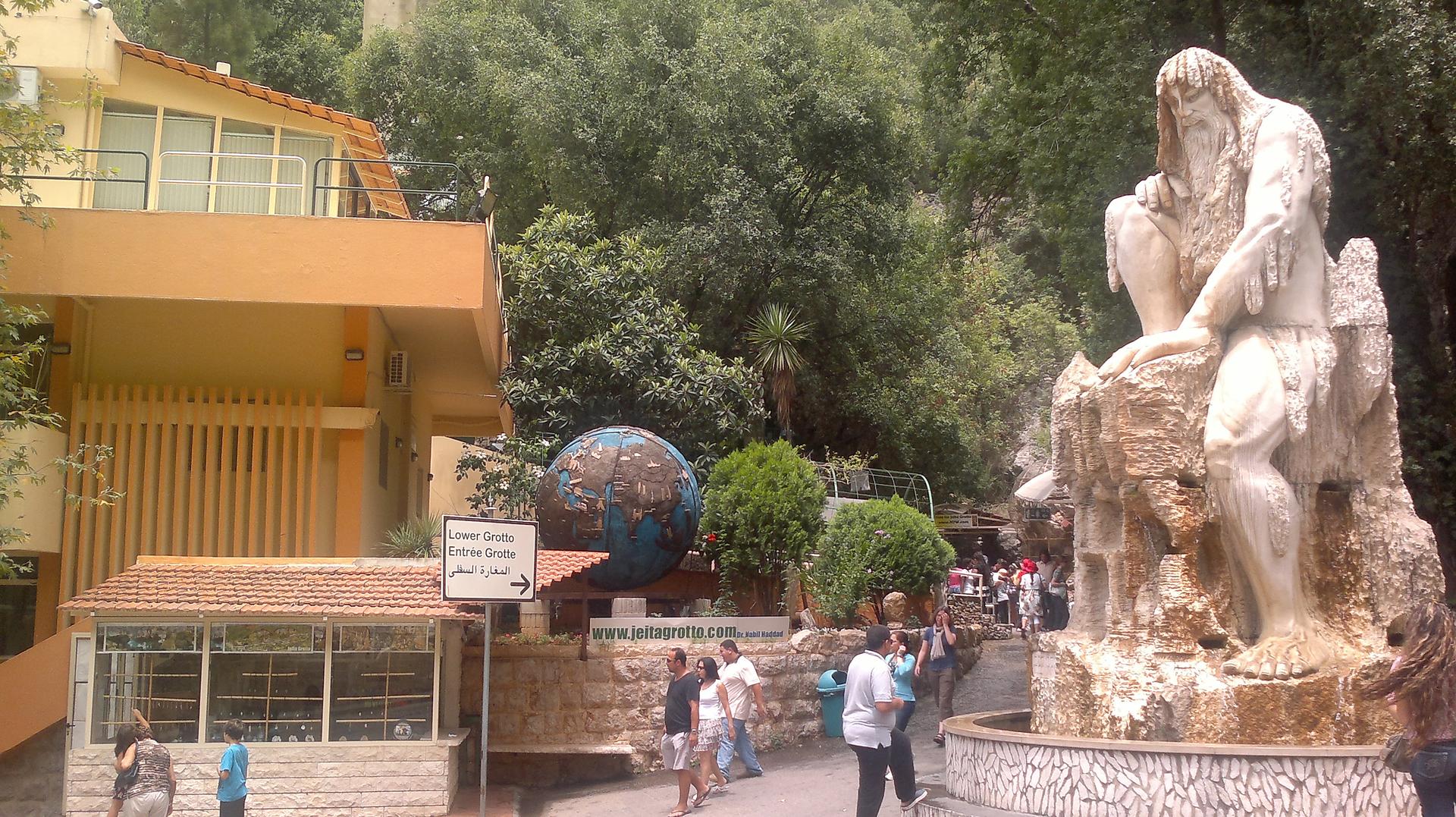
Looking beyond Al-Omari Grand Mosque? Discover Mount Lebanon for broader travel guides, local hot-spots, and regional highlights.
Explore Mount Lebanon
Experience the vibrant culture and rich history of Basta Antique Main Square, a must-visit destination in the heart of Beirut's lively atmosphere.
Explore the vibrant culture and history of Fosh Street, a must-visit tourist attraction in the heart of Beirut, where art meets tradition.
